[Asia Economy Reporter Jin-kyung Lee] People often say, "Isn't that 00 syndrome?" when referring to certain specific symptoms, obsessive behaviors, or pathological signs. A syndrome is a collective term for a series of pathological signs that share common features, with symptoms varying widely and often having unclear causes. Let's take a look at some unfamiliar and peculiar syndromes, ranging from those derived from certain phenomena or situations to those caused by genetic disorders, which we may not commonly encounter.

1. Cotard Syndrome
'Cotard Syndrome' was recorded as one of the rarest and most peculiar mental illnesses in the 1880s and was named by French psychiatrist Jules Cotard in 1882. It is a rare mental disorder with an unclear exact cause. This syndrome involves delusional beliefs that parts of one's body or organs have disappeared or that one is already dead and does not exist. Because patients deny their own existence and abandon basic survival activities such as eating and hygiene, living like zombies, this rare disease is also called the 'Walking Corpse Syndrome.'

2. Couvade Syndrome
This refers to the phenomenon where husbands experience physical and psychological symptoms similar to their pregnant wives, such as morning sickness, nausea, back pain, and weight gain. The term 'Couvade' originates from the French word 'couver,' meaning 'to hatch,' and was first used by British psychoanalyst Tridouan. Symptoms of Couvade Syndrome peak around the third month of pregnancy, then subside, only to intensify again near the end of pregnancy. Although rare, symptoms can persist until childbirth, and some men reportedly experience labor pains alongside their wives.

3. Stendhal Syndrome
This syndrome is named after the French realist novelist Stendhal, author of 'The Red and the Black.' While traveling in Florence, Italy, Stendhal experienced a state of excitement and shortness of breath upon viewing artworks in a church, with symptoms lasting for about a month. Similarly, when confronted with outstanding works of art one admires, one can experience intense psychological shock beyond ordinary emotional responses. This sudden excitement can cause symptoms such as shortness of breath, dizziness, seizures, and paralysis, which is referred to as Stendhal Syndrome.

4. Nintendo Syndrome
This syndrome became known due to many cases of children having seizures while playing electronic games made by the Japanese home video game manufacturer Nintendo. It refers to photosensitive epileptic seizures triggered by exposure to flickering lights or overstimulation from highly stimulating electronic games. The complex visuals, unique colors, and flickering at specific frequencies cause photosensitive stimulation, leading to explosive increases in normal brain waves, muscle spasms, sudden loss of consciousness, seizures, and subsequent recovery. Children who are constitutionally sensitive exposed to strong light stimuli may experience dizziness and headaches, and in severe cases, coma and brain damage. Recent reports indicate that adults can also develop this syndrome, which can be triggered by flashing lights, TV screens, elaborate stage lighting, and strong sunlight.

5. Bluebird Syndrome
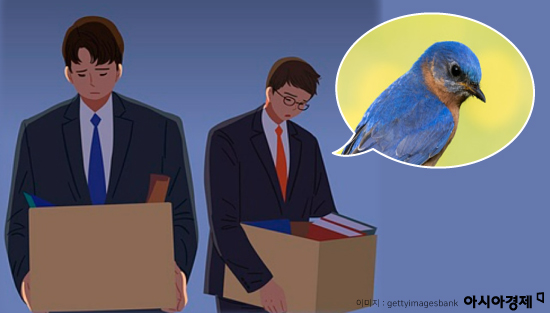
Named after the protagonist of the fairy tale play 'The Bluebird' by Belgian playwright and poet Maurice Maeterlinck, which symbolizes that happiness is not far away but close at hand. This syndrome manifests as pathological symptoms where individuals fail to adapt to society, lose interest in their current activities, and pursue vague future happiness. The main symptoms include persistent thoughts about ideals, dreaming and excitement about the future, fatigue when thinking about reality, and denial of reality. Those affected often believe they have other things they want to do, leading to frequent job changes and a continuous dream of switching jobs. This syndrome is commonly experienced when there is a gap between expected and actual job duties.
6. Morning Newspaper Syndrome
This syndrome emerged as a social issue in Korea from the early 1990s and became a significant problem during the economic hardship and unemployment caused by the 1997 IMF crisis. The name 'Morning Newspaper Syndrome' comes from people who used to look for the newspaper first thing in the morning but stopped even reading it due to lethargy. It is characterized by feelings of heaviness, fatigue, lack of motivation, and unwillingness to do anything, commonly seen in modern people who experience a strong sense of skepticism and emptiness. Early symptoms include physical and mental fatigue and lethargy. If left untreated, it can worsen into depression and self-blame, requiring prompt treatment.

7. Othello Syndrome
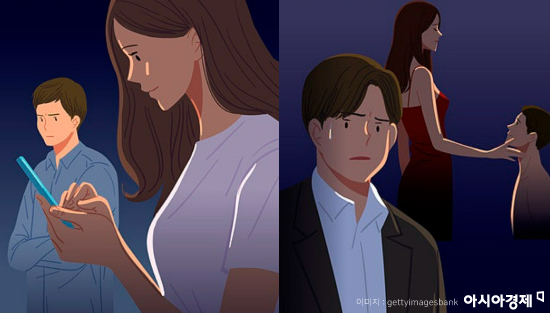
Named after Shakespeare's tragedy 'Othello,' this syndrome refers to symptoms similar to morbid jealousy or delusional jealousy. When severe, individuals obsessively seek evidence that their spouse has been unfaithful. People with this syndrome often exhibit paranoid traits, have a meticulous and difficult personality from childhood, possess good memory, and tend to exaggerate and misinterpret others' behaviors and attitudes. They have intense possessiveness and jealousy, and despite clear evidence that their spouse has not been unfaithful, they persistently try to find proof of infidelity. They may also have feelings of inferiority or low self-esteem, making them prone to negative delusions.
8. Adonis Syndrome
This refers to male body image obsession, also called 'Adonis Complex.' Named after the beautiful youth Adonis from Greek mythology, it describes men who are excessively concerned and obsessed with their body and appearance, experiencing obsessive thoughts about their looks, sometimes considering themselves ugly, leading to depression and obsessive-compulsive disorder. Severe cases may involve eating disorders and avoidance of dating. Many men with this syndrome have low self-esteem and self-deprecating attitudes, mistakenly believing their value increases when they enhance their appearance.

9. Hamlet Syndrome
Derived from Shakespeare's 'Hamlet,' where the protagonist struggles with indecision and conflict. It is similar to decision-making or choice disorders. It refers to difficulty making decisions at crossroads, often deferring decisions to others or procrastinating. The main causes include passive childhoods dependent on parental decisions, habitual procrastination, and loss of self-identity. Experts say this syndrome is not a disease but a habitual behavior, and overcoming it involves establishing firm personal standards and narrowing the range of choices.

10. Alice Syndrome
This syndrome mainly appears in childhood and is usually overcome by adolescence. It involves severe migraines accompanied by hallucination-like dreams reminiscent of fairy tales or illusions of levitation and other improbable experiences. Symptoms include perceiving one's body or objects as smaller or larger than they are, and distortions in space and time perception. Although the exact cause is unknown, it is medically suspected to be related to sleep deprivation or abnormalities in the temporal lobe of the brain, causing problems in processing visual information.

© The Asia Business Daily(www.asiae.co.kr). All rights reserved.



















