People with Rare Physical Traits
[Asia Economy Reporter Jin-kyung Lee] People have different appearances and physical features, so each person’s physical characteristics can vary. However, some individuals possess rare physical traits that appear only in a portion of the global population. Let’s explore what kinds of rare physical features exist.
1. Double-layered Eyelashes
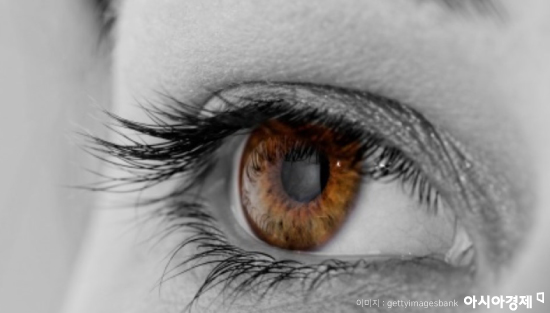
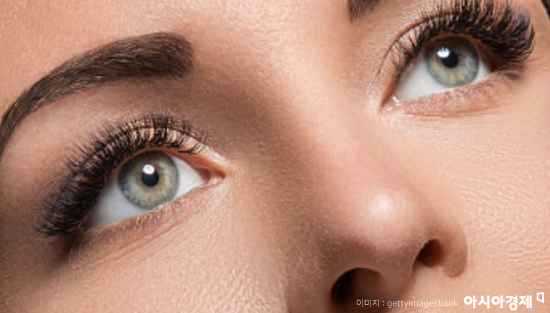
This genetic trait causes eyelashes to grow on both the upper and lower eyelids. A famous example is Hollywood actress Elizabeth Taylor, who reportedly had double-layered eyelashes. Medically, this condition is called ‘distichiasis’ and is classified as a disease. Sometimes, some eyelashes grow inward toward the eyeball, causing irritation. In such cases, it can negatively affect vision, and if very uncomfortable, surgery may be considered.
2. Heterochromia Iridis
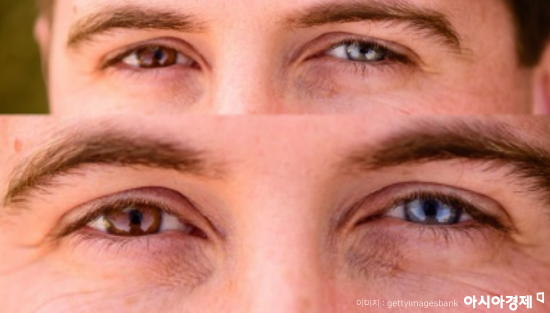
Known as ‘odd eyes,’ this refers to having different colored irises in each eye. Heterochromia iridis results from excessive or insufficient melanin pigmentation and is mostly congenital. However, it can also develop later due to trauma or medications used in glaucoma treatment, and it is said to carry a high risk of blindness.
3. Extra Rib Compared to Others
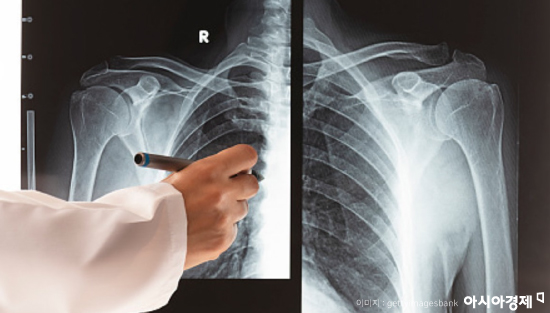
Some people have one more rib than others, and this is said to occur occasionally in women. It is not considered a health problem.
4. Small Hole Near the Ear
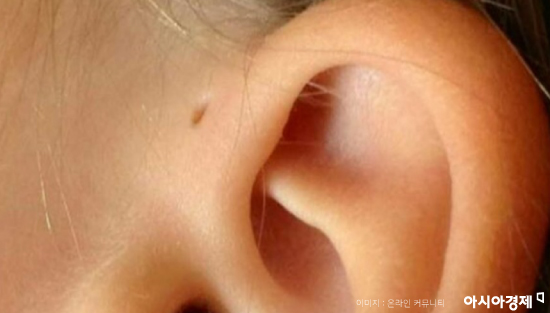
Some individuals have a small hole near the auricle of the ear. This condition is called ‘preauricular sinus’ and is present in about 5% of the population. It is said to be evidence that human ancestors once had gills. It appears due to genetic causes and can occur in one or both ears. The hole usually forms on the skin in front of the auricle, and its shape and size vary from person to person. Having the hole does not necessarily require treatment, but if inflammation or complications occur, treatment and surgery may be necessary.
5. Special Color Perception Ability
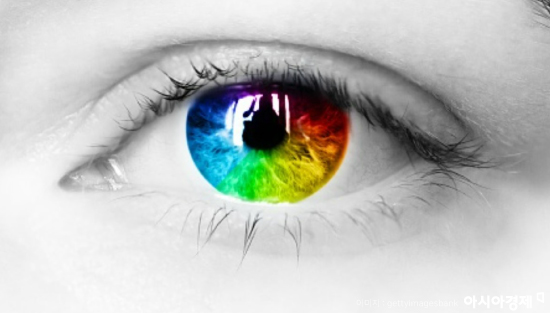
This is the ability to distinguish colors known as ‘tetrachromacy,’ which is more commonly found in women than men. According to scholars, individuals with this trait have special cones between red and green cones, allowing them to differentiate colors with different backgrounds. They can distinguish and create up to one million more colors than others.
6. Congenitally Low Cholesterol Levels
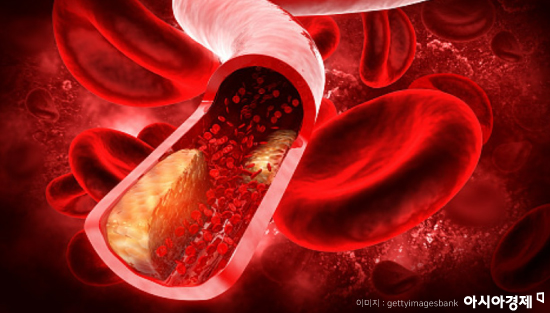
When blood cholesterol levels rise, waste accumulates on blood vessel walls, narrowing the vessels, raising blood pressure, and increasing the risk of heart disease. However, some people do not need to worry about cholesterol because they have the PCSK9 gene mutation, which results in lower cholesterol levels compared to the general population. Consequently, their risk of heart disease is about 90% lower than others.
7. Rare Blood Type: Golden Blood
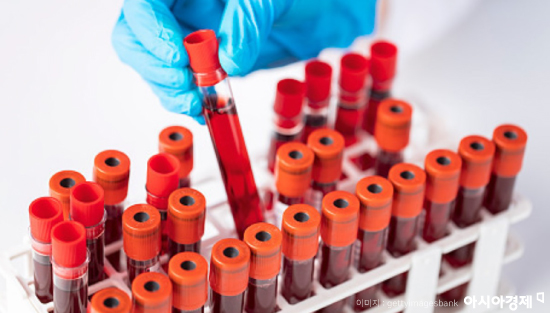
There is a globally rare blood type called ‘Rh null,’ which occurs in less than one in 10,000 people. This blood lacks antibodies and can be transfused to any blood type. Therefore, it is considered the most precious blood on Earth and is called ‘Golden Blood.’
8. Ability to Function Without Sleep
Usually, insufficient sleep causes severe fatigue and decreased concentration, making daily life difficult. However, some people can remain active without much sleep. Their average sleep time is 3 to 4 hours, and unlike most people, they can function actively during this limited sleep. Famous examples include Thomas Edison, Leonardo da Vinci, Winston Churchill, and Margaret Thatcher, who were known to have this ability.

9. More Developed Muscles Than Others
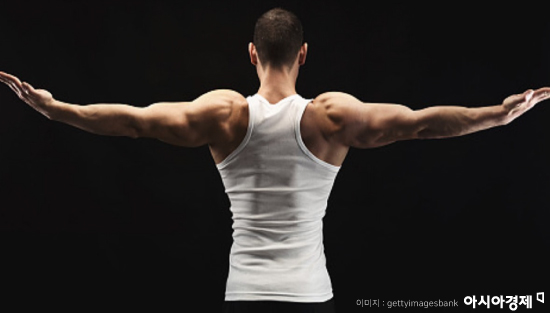
Some people develop muscles without strenuous exercise, thanks to the ‘myostatin’ gene. This gene produces large and strong muscles, so even children can have muscular bodies like bodybuilders without special training. Conversely, some people struggle to build muscle despite intense exercise because they lack the myostatin gene.
10. Thumb That Can Bend Unusually
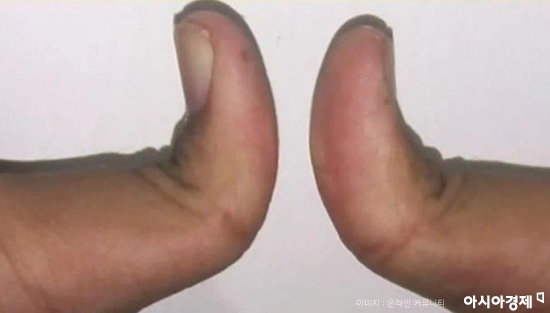
The range of thumb flexibility varies among individuals, but some can bend their thumbs significantly, from 90 to 180 degrees. This rare trait is called ‘hitchhiker’s thumb’ in foreign countries. Scientifically, this thumb trait is inherited through an autosomal recessive pattern. Although it does not cause significant pain, it can affect health.
© The Asia Business Daily(www.asiae.co.kr). All rights reserved.



















