Various Symptoms and Coping Methods for Post-COVID Sequelae
[Asia Economy Reporter Jin-kyung Lee] As the cumulative number of COVID-19 cases in South Korea has significantly increased, many people are experiencing the phenomenon of 'long COVID,' where various COVID-19 aftereffects persist for a long time even after self-quarantine is lifted. Those suffering from aftereffects complain of discomfort as symptoms such as "frequent coughing" and "extreme fatigue even with minimal movement" continue for an extended period. What are the ways to avoid or quickly overcome COVID-19 aftereffects? Let's take a closer look at COVID-19 aftereffects.
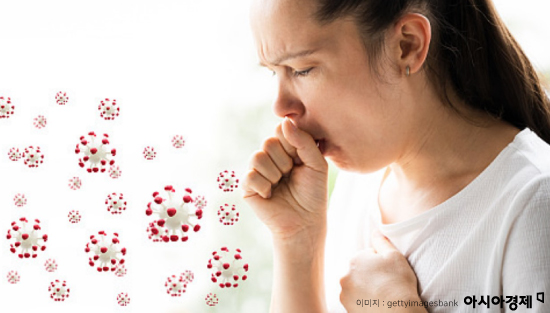
● What is Long COVID?
In the medical field, Long COVID refers to the condition where various symptoms persist for weeks after recovering from COVID-19. This post-COVID condition can occur even in cases where the infection was asymptomatic or mild. Generally, after about three months post-infection, the virus is completely eliminated from the body, so these aftereffects are considered secondary symptoms rather than a direct impact of the COVID-19 virus.
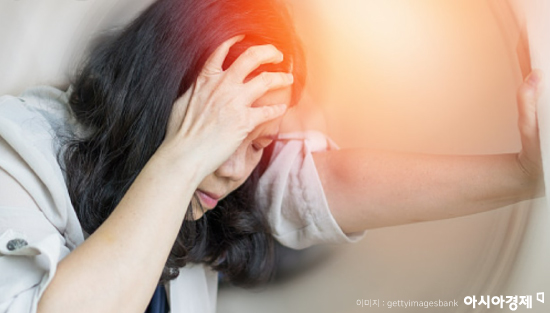
● Why do COVID-19 aftereffects appear?
Many people experience difficulties in daily life due to aftereffects such as shortness of breath or sleep disorders like insomnia, even when performing the same activities and exercises as before COVID-19 infection. Has the cause of COVID-19 aftereffects been identified? Experts suggest that the immune system may become overactive due to acute COVID-19 infection, causing chronic inflammation in various organs. However, the exact cause of COVID-19 aftereffects has not yet been clearly determined. Therefore, it is necessary to observe the cause of symptoms over time and visit a hospital for accurate testing to identify and analyze the cause.
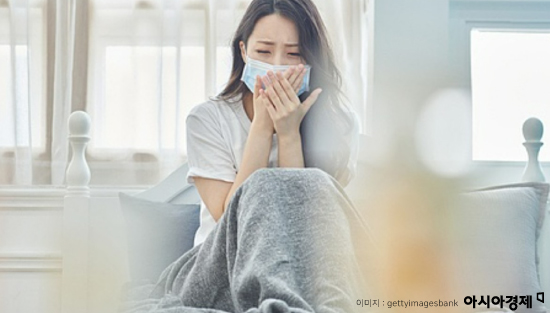
● What symptoms appear as COVID-19 aftereffects?
It is said that COVID-19 patients experience more than 200 symptoms after the isolation period. This shows how diverse the aftereffects can be. Representative symptoms include olfactory dysfunction, shortness of breath, taste disorders, frequent coughing, fatigue, decreased memory and cognitive function, sleep disorders, headaches, dizziness, depression, and anxiety. Fatigue, a common aftereffect, is described as a lack of energy and feeling physically drained, similar to fatigue experienced during a cold. Even simple activities can cause fatigue, and the body feels heavy and weak. Persistent rest and good sleep do not improve the fatigue, which is problematic. Experts emphasize that if fatigue continues even after sufficient recovery time, it is important to determine through testing whether the fatigue is due to aftereffects or other fatigue-inducing conditions such as anemia or diabetes for proper treatment.
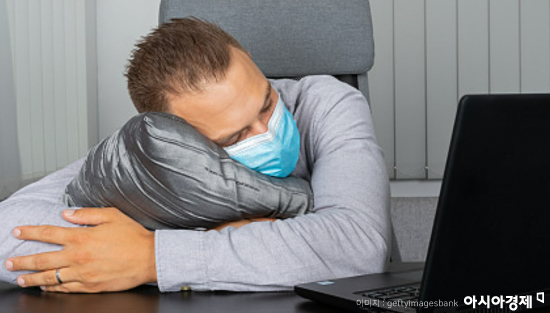
● Possible COVID-19 aftereffect symptoms
▷ Shortness of breath, chest pain, palpitations, dizziness
▷ Persistent cough, phlegm, sore throat
▷ Fatigue, forgetfulness, decreased concentration, sleep disorders
▷ Loss of smell, loss of taste, headache, tinnitus
▷ Anxiety, depression, and other mood disorders
▷ Joint pain, muscle pain, sensory abnormalities
▷ Loss of appetite, abdominal pain, diarrhea, nausea
▷ Visual changes
▷ Menstrual irregularities, rashes, etc.
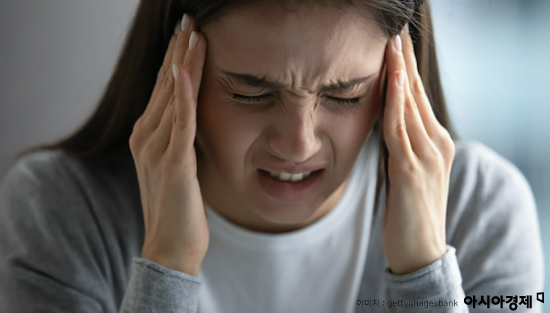
● How long must symptoms persist to be considered dangerous?
Symptoms should improve about three months after recovery from COVID-19 infection. If symptoms continue beyond this period and cause difficulties in daily life, a hospital visit for examination is necessary. Also, if frequent coughing persists beyond eight weeks post-infection, testing should be done to check for other causes of cough. However, if the cough is not severe enough to interfere with daily life, long-term medication is not required, experts say. Studies have shown that cardiovascular complications such as myocarditis, myocardial infarction, stroke, and thrombosis can occur within one year after COVID-19 recovery. Therefore, patients with underlying conditions like hypertension, diabetes, and hyperlipidemia should pay extra attention to health management.
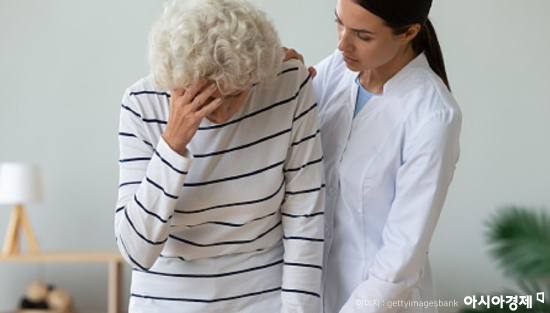
● How to overcome COVID-19 aftereffects?
▶ Fatigue symptoms
Experts say that fatigue, a representative aftereffect symptom, can last up to six months after infection. Therefore, it is important to regularly perform aerobic and strength exercises that help improve fatigue. Aerobic exercises such as walking or jogging should be done to the point of slight breathlessness. Flexibility exercises like yoga and stretching, as well as strength exercises such as stair climbing, hill climbing, and dumbbell workouts, are also effective in reducing fatigue. Additionally, a balanced diet and sufficient sleep aid in fatigue recovery. If fatigue symptoms are left untreated for a long time, concentration decline, sleep disorders, and various pains may worsen, and immunity may decrease, so caution is necessary.

▶ Olfactory and taste impairment symptoms
Since loss of smell or taste occurs due to the virus invading nerves, quitting smoking and maintaining oral hygiene are important. Regular tooth brushing is recommended, and using alcohol-free mouthwash can help improve symptoms. It is also important to stay well hydrated by drinking water frequently. To recover taste, trying foods with various spices and sauces to stimulate the taste buds is beneficial. Additionally, efforts should be made to avoid stress as much as possible.

▶ Headache and neurological symptoms
Experts say that if symptoms and pain are severe, painkillers can be taken but recommend usage within three days per week. For muscle and joint pain, regular stretching is helpful, and taking adequate rest while gradually increasing activity levels is advised. Stress caused by pain can be challenging, so maintaining regular sleep and meals is important.
▶ Shortness of breath symptoms
Many people worry about 'pulmonary fibrosis' when experiencing shortness of breath, but experts say that if one did not suffer from severe pneumonia due to COVID-19 infection, there is no need to worry about this. However, since shortness of breath and breathlessness can cause discomfort and difficulties in daily life, it is recommended to visit related hospitals or post-COVID clinics to receive treatment aimed at symptom improvement.
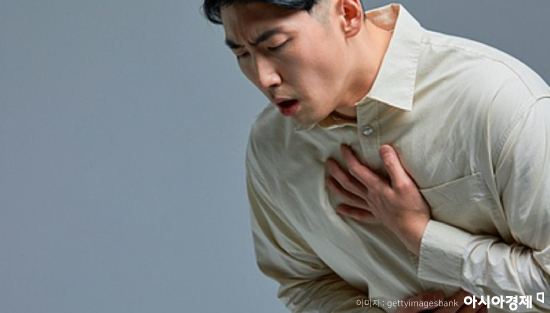
● How to respond to COVID-19 aftereffects?
Overseas, there has been considerable interest in COVID-19 aftereffects for some time, with increasing attempts to provide specialized treatment and analyze causes through aftereffect symptom clinics. Experts say that in South Korea, in-depth investigations into COVID-19 aftereffects are also necessary. Even if not many people currently complain of aftereffects, the number of confirmed cases has surged since early this year, so the number of people experiencing aftereffects may increase significantly from this summer. Preparing for this is important. Currently, follow-up investigations on aftereffects of confirmed cases have begun domestically. According to the Korea Disease Control and Prevention Agency's National Institute of Health, about 1,000 confirmed cases are being surveyed twice at three-month intervals regarding aftereffects. Interim results are expected to be released in the second half of this year.
● How to avoid experiencing COVID-19 aftereffects?
First, it is important not to contract COVID-19. Even if infected with mild or asymptomatic cases, it is essential to take sufficient rest and supplement nutrition and immunity through high-dose vitamin intake. If one overexerts or works excessively during the isolation period, thinking symptoms are mild, immunity may weaken while fighting the virus, making one vulnerable to aftereffects. Therefore, to recover healthily without aftereffects, it is important to rest, get a prompt diagnosis, and take prescribed treatments for a quick recovery. If you are currently experiencing long COVID, you may be more susceptible to respiratory infections, so it is necessary to be more meticulous with personal hygiene measures such as wearing masks properly and washing hands frequently.
© The Asia Business Daily(www.asiae.co.kr). All rights reserved.



















