Retro Wave Resurges Led by 'Pokemon Bread'
Food and Fashion Industries Reissue Popular Past Products
Cyworld's Return Boosts Popularity of Period Dramas
"Wide Resonance from Older Generations to MZ Generation"
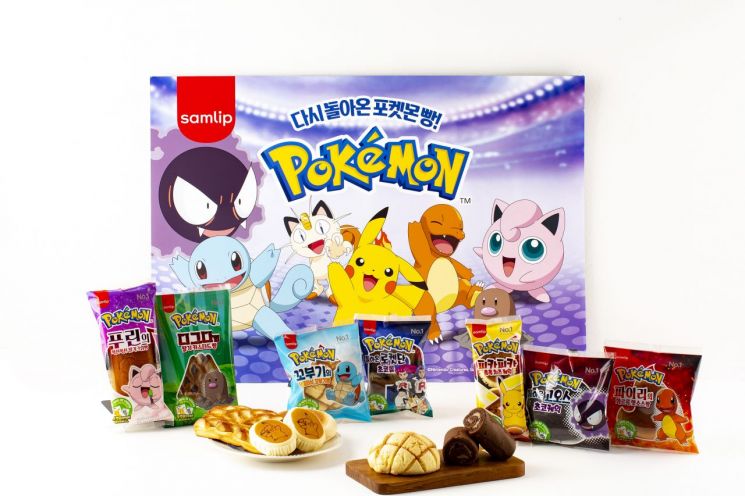
[Asia Economy Reporter Song Seung-yoon] Park Ju-hee (35, pseudonym), a housewife living in Gangdong-gu, Seoul, is currently immersed in a "nostalgia trip." To collect the ‘Tibutibu Seal’ stickers she gathered as an elementary school student, she eats Pok?mon bread and has even recreated her old Cyworld account, replicating her past "Mini Homepage." Recently, her favorite clothing also revolves around the keyword "retro." She mainly wears low-rise jeans paired with short-length tops. Even when buying snacks or food, she finds herself drawn to packaging that has a nostalgic feel.
As the retro craze spreads again, the distribution industry is also fervently reviving memories from the 1990s to 2000s. Items and snacks that were popular back then are being re-released after more than a decade, accompanied by related marketing campaigns.
According to the industry on the 12th, the undeniable leader of the recent retro craze is "Pok?mon Bread." Although it has been well over a month since its first release in February, it remains so popular that it is difficult to find or even see in stores. The season 2 products released on the 7th are also sold out in a frenzy. Riding this wave of success, the food industry is flooding the market with nostalgia-related marketing. Binggrae has decided to re-release the mini ice bar "Ringky Bar," which was launched in 1992 and later discontinued, and Haitai Confectionery recently launched a special edition "Custard Cream" Home Run Ball that faithfully reproduces its original release. Orion’s "Wakle" and "Sun of Taste" were also re-released due to continuous consumer demand. Paldo’s "Ppuyo Soda" and Lotte Confectionery’s "Joanna Bar" are similar cases.
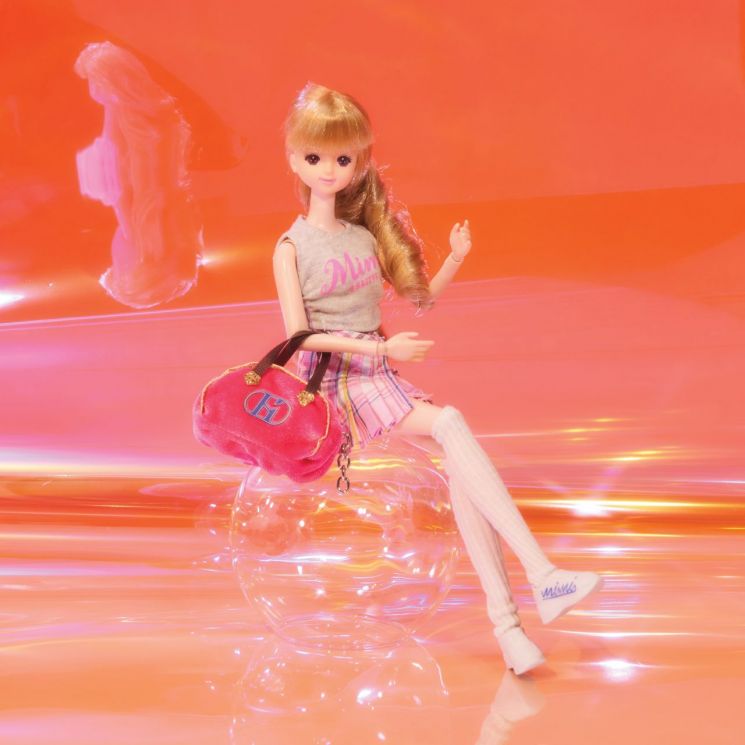
The fashion industry is also eagerly joining the nostalgia revival parade. The recent buzzword in fashion is the "Y2K" look. Fashion trends that dominated the past, such as bootcut jeans, low-rise bottoms, oversized jackets, velvet tracksuits, and crop tops, are making a comeback. Hazzy’s recently launched cable knitwear, which was popular as a "daily look" in the 1990s and early 2000s, and also introduced dolls in collaboration with the doll brand Mimi, a former national doll. Kolon FnC has consecutively released products with designs that were popular in the past across various brands like Lucky Chouette and Kolon Sports. Prospex also launched the original line retro running shoes "Triggerun" and "Roadstar," which were popular in the 1990s. Looking at the clothing category rankings on the online fashion platform Musinsa, products reinterpreting past popular designs consistently rank high.
The recent reopening of the native Korean social networking service (SNS) Cyworld has intensified this trend. On online video streaming services (OTT), related content such as previously popular animations is pouring in.
The main consumers of this culture are not only those who were in their teens and twenties at the time, now in their 30s and 40s. Today’s teens and twenties are also actively consuming the sensibilities of that era in a way that fits the present, spreading the trend overall. While the older generation feels nostalgia and sentimentality, among young people, it has established itself as a new trend. Professor Lim Myung-ho of Dankook University’s Department of Psychology explained, "When the future is uncertain, people naturally look to the past. Given the unfavorable social environment due to COVID-19 and other factors, the retro craze resonates even more. Behind the enthusiasm for past memories lies a realistic atmosphere that cannot be future-oriented, and this phenomenon is likely to continue for some time."
© The Asia Business Daily(www.asiae.co.kr). All rights reserved.


















