Chairman Son Tae-seung and Financial Supervisory Service, Second Appeal Hearing
Both Sides Refer to Chairman Ham Young-joo's Verdict Last Month
FSS Side: "Acknowledged Only Formal Compliance Monitoring"
Chairman Son's Side: "Verdict Based on Ambiguous Concept of Effectiveness"
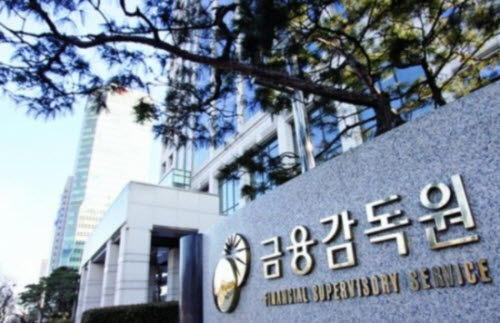
[Asia Economy Reporter Song Seung-seop] In the appeal trial of the overseas interest rate-linked derivative-linked fund (DLF) case involving the Financial Supervisory Service (FSS) and Sohn Tae-seung, Chairman of Woori Financial Group, the so-called ‘Hana Bank ruling’ has emerged as a key issue. This is because the rulings in the two similar cases were completely different.
On the 8th, during the appeal trial between Chairman Sohn and the FSS held at the Seoul High Court, lawyers from both sides engaged in a legal battle over the Seoul Administrative Court’s ruling on the 14th of last month, which ruled against Ham Young-joo, Chairman of Hana Financial Group. This hearing was the second, following the one on January 21.
The FSS stated that the cause of the DLF mis-selling incident was internal control issues and had issued severe disciplinary warnings to both Chairman Sohn and Chairman Ham, who were bank presidents at the time. Both chairmen filed lawsuits to cancel the severe disciplinary actions, claiming they were unjust. Chairman Sohn won in the first trial, but Chairman Ham lost, with the court ruling the disciplinary action was lawful.
The FSS’s legal counsel said, “We will emphasize the internal control establishment standards mentioned in the Hana Bank ruling,” adding, “The court recognized that the bank failed to establish proper internal control standards and only conducted formal compliance monitoring.” They further stated, “Considering that Woori Bank also had ambiguous regulations in its product selection committee, other violations should also be acknowledged.”
The court expressed that comparing this case with the Hana Bank trial might be somewhat inappropriate, but the plaintiff’s side, including Chairman Sohn’s lawyers, responded by saying, “We will verbally present our position.”
The plaintiff’s counsel argued, “The FSS considers that Woori Bank had internal control standards but failed to establish them properly, whereas Hana Bank’s case focused on the issue of mis-selling itself.” They emphasized that although the cases seem similar, the legal issues differ, making it difficult to apply rulings from other financial institutions.
Another lawyer added, “The Hana Bank ruling accepted the defendant’s claims as is and based the judgment on the vague concept of effectiveness.”
The difference in positions between the FSS and Chairman Sohn regarding the Hana Bank case is expected to become more pronounced at the final hearing. Chairman Sohn’s side plans to organize their stance on the Hana Bank ruling in a written submission to be delivered to the court.
The final hearing is scheduled for the 13th of next month, with the verdict expected about a month thereafter.
© The Asia Business Daily(www.asiae.co.kr). All rights reserved.

















