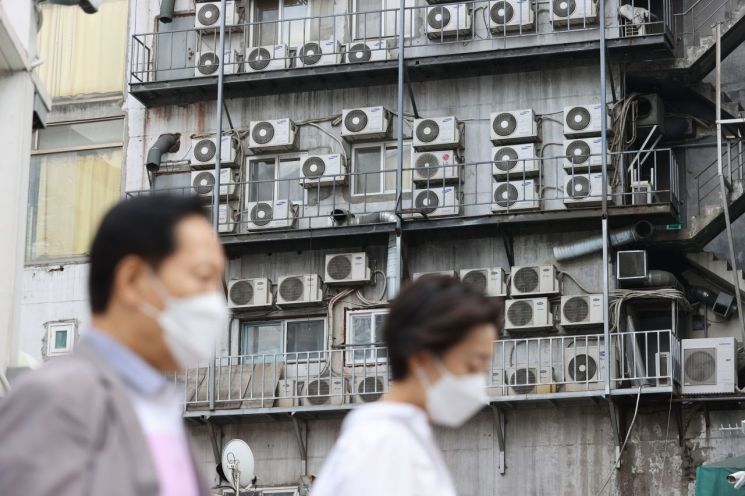
[Asia Economy Sejong=Reporter Dongwoo Lee] With electricity and gas rates rising from this month and additional increases expected within the year, consumers are likely to face increased financial burdens.
According to the Ministry of Trade, Industry and Energy on the 3rd, electricity rates have increased by 6.9 KRW per kilowatt-hour (kWh) starting this month. This includes the 4.9 KRW increase in electricity consumption charges confirmed last December and a 2 KRW increase in climate and environmental charges. For a family of four using an average of 307 kWh per month, this translates to an increase of about 2,120 KRW per month (excluding VAT and electricity infrastructure fund).
The electricity rate hike is a measure in response to rising prices of energy raw materials such as international oil prices and LNG (liquefied natural gas). However, the fuel cost adjustment unit price, which reflects the increase in energy raw material costs in electricity rates, was frozen to minimize the rate hike. Previously, Korea Electric Power Corporation (KEPCO) had planned to raise the fuel cost adjustment unit price to 33.8 KRW per kWh in the second quarter of this year, increasing it by up to 3 KRW per quarter to normalize rates, but the government notified a postponement of application, finalizing it at 0 KRW per kWh.
However, the standard fuel cost in October will see an additional increase of 4.9 KRW per kWh, based on the rate hike confirmed last year. This means the total electricity rate increase for this year will be at least 11.8 KRW. Since the fuel cost adjustment unit price is recalculated quarterly, further increases cannot be ruled out.
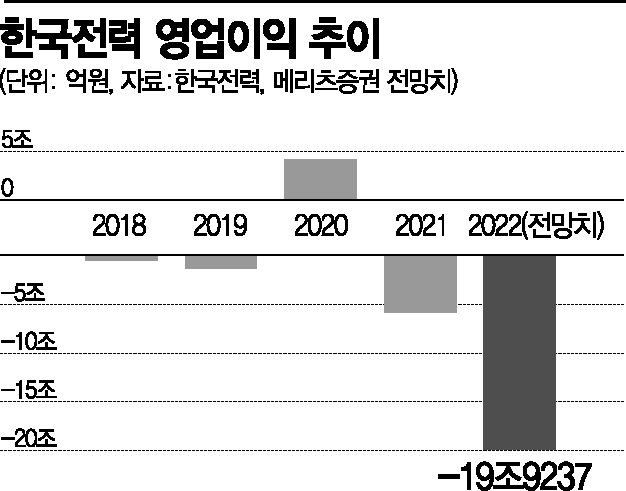
Residential gas rates will also rise by 3% starting this month. Based on average household usage, this means a monthly increase of 940 KRW. For commercial sectors such as restaurants and lodging businesses, the increase ranges from 1.2% to 1.3% depending on the industry.
Korea Gas Corporation has accumulated deficits and unpaid amounts totaling 1.8 trillion KRW due to supplying natural gas at prices lower than import costs since the COVID-19 pandemic.
Additional increases are also planned from May. At the end of last year, the government and Korea Gas Corporation considered a plan to raise rates from May, when the new government takes office, to reduce the deficit. The plan involves raising rates by 16% in three installments by October.
There are concerns that if the prolonged Ukraine crisis causes international oil price increases to be reflected in public utility rates, additional hikes will be inevitable, further increasing the inflation burden on consumers.
© The Asia Business Daily(www.asiae.co.kr). All rights reserved.
![Clutching a Stolen Dior Bag, Saying "I Hate Being Poor but Real"... The Grotesque Con of a "Human Knockoff" [Slate]](https://cwcontent.asiae.co.kr/asiaresize/183/2026021902243444107_1771435474.jpg)

















