'Mara' That Won't Disappear from My Mouth
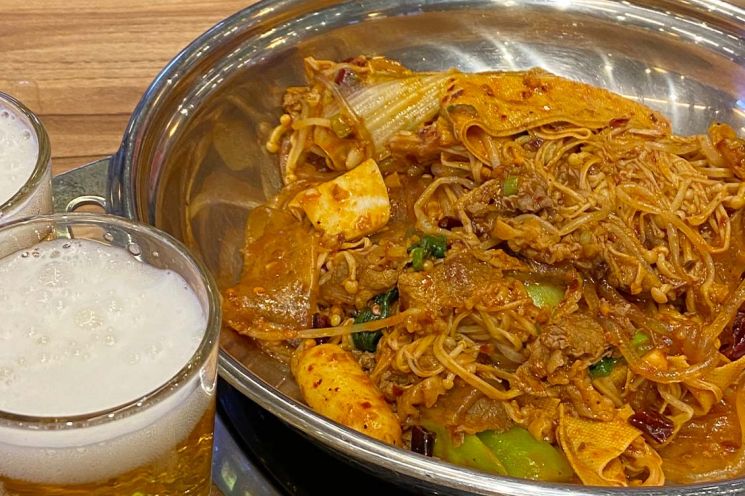
What is your favorite ingredient if you love Mala? The editor always wants to fill the bowl with only favorite ingredients, so they make sure to visit the store in person. You have to be diligent to enjoy Mala! One of the charms of Mala is choosing the ingredients you want to eat. But! The editor, who is good at eating but not so much at remembering, always faces a challenge. Because many ingredients look and are named similarly at different places, they often wonder, "Was that really what I ate last time?" For those who have had the same experience as the editor, we have prepared a guide on Mala Tang ingredients. And the Mala fanatic editor will share some handy tips too!
Tofu ver. Geondubu
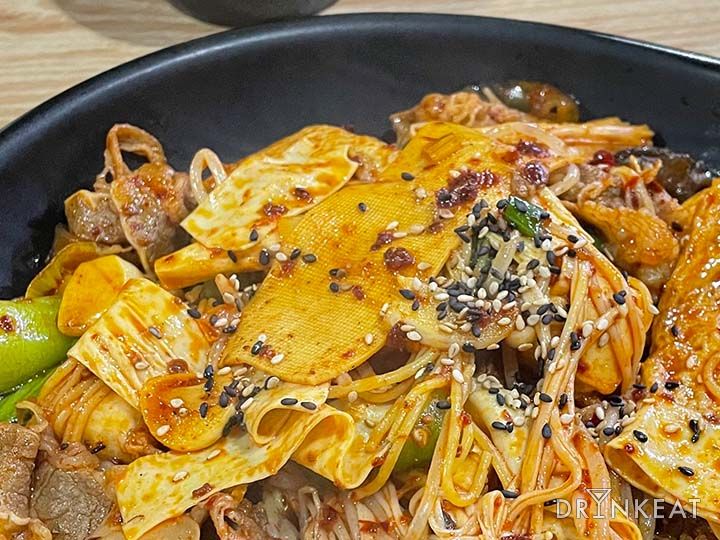
Geondubu is tofu that has been sliced paper-thin and dried. It is also called Podubu because it is thinly sliced tofu. It has a chewy and elastic texture, so you wouldn’t think of it as soft tofu at all. But if you chew it for a long time, you can faintly taste the flavor of tofu.
Try piling your favorite vegetables on top of Geondubu and eat it like a wrap♥
Tofu ver. Puju
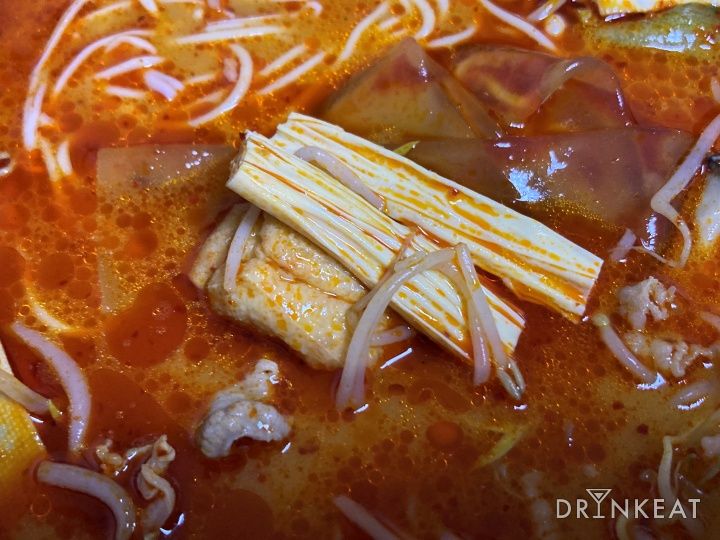
If you see a finger-sized stick with wrinkles, that is Puju. It is tofu skin. It is made by scraping off the outer layer that hardens as tofu cooks. It is dried with wrinkles and boasts a chewy texture.
Puju in Mala Tang soaks up the broth and tastes even more fantastic♥
Noodle ver. Oksusu-myeon (Corn Noodles)
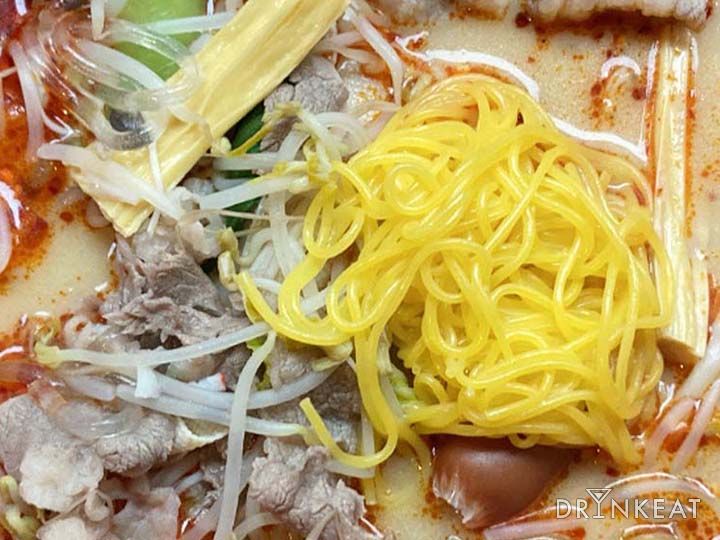
If you see thin noodles with a yellow hue, those are Oksusu-myeon (corn noodles). They have no wheat flour taste and are clean and mild. Corn noodles don’t get soggy easily, so you can enjoy the same texture from start to finish.
At lower spice levels, corn noodles feel like ramen or warm noodles♥
Noodle ver. Jungguk Dangmyeon (Chinese Glass Noodles)
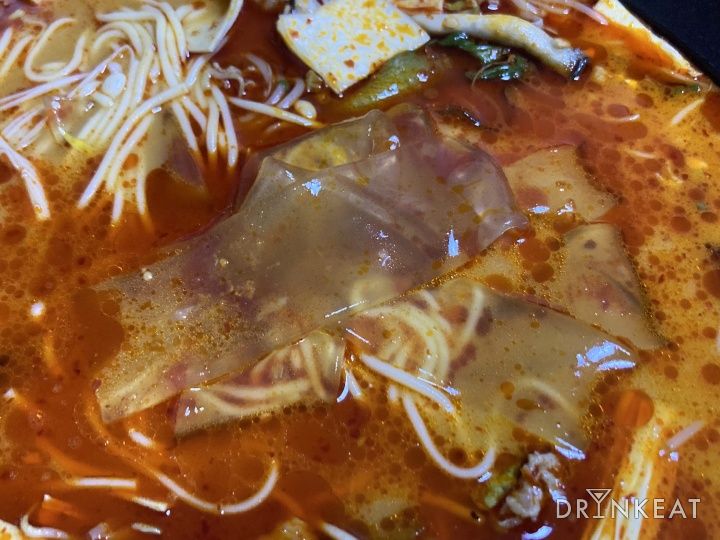
Jungguk Dangmyeon, which has become a representative ingredient in Tteokbokki and Mala, is about 2cm thick and very wide. Most Chinese glass noodles are made from potato and sweet potato starch, giving them a chewy yet slightly soft texture that differs from regular glass noodles.
There are many sister products of glass noodles, so choosing takes a long time?beware of hunger♥
Noodle ver. Bunmoja
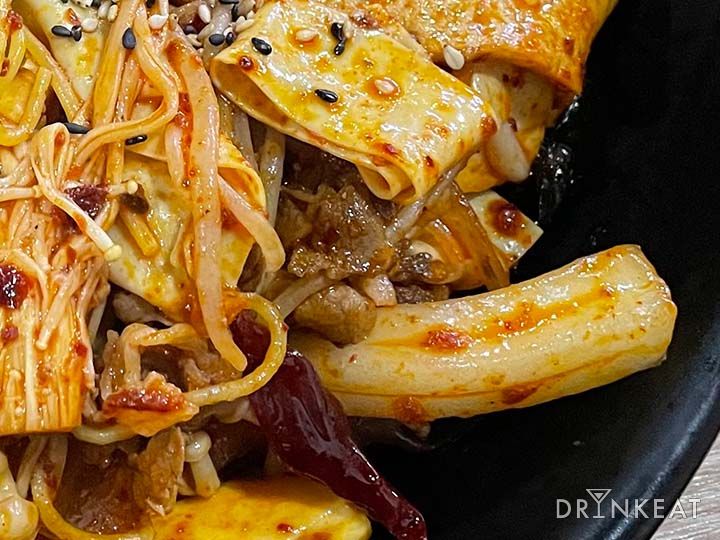
Bunmoja is thick, long, and shaped like a flower. At first glance, it looks like Garaetteok (Korean rice cake sticks), but its texture is more springy and chewy. It is the ultimate in chewiness. It tastes similar to Chinese glass noodles, but you can choose according to your preferred texture.
Bunmoja tastes different depending on the product. The one who tries many wins♥
We’re not just eating Mala, right? I’d be upset without Guobaorou (sweet and sour pork).
Photo by Yoon Eun-ae
© The Asia Business Daily(www.asiae.co.kr). All rights reserved.
![Clutching a Stolen Dior Bag, Saying "I Hate Being Poor but Real"... The Grotesque Con of a "Human Knockoff" [Slate]](https://cwcontent.asiae.co.kr/asiaresize/183/2026021902243444107_1771435474.jpg)


















