Various Signals Our Body Sends When Affected by Disease
[Asia Economy Reporter Jin-kyung Lee] If your complexion suddenly changes or the color of your tongue changes, or if red spots suddenly appear all over your body, can we immediately recognize these as signals sent by diseases? Diseases alter our bodies and constantly send signals. However, if we miss these small bodily changes and neglect them, they can develop into serious illnesses that are difficult to treat. Let’s examine what certain changes in the color of the eyes, tongue, or the condition of eye discharge and sweat might indicate about diseases, and take time to check our health by looking in the mirror in the morning or before going to bed.

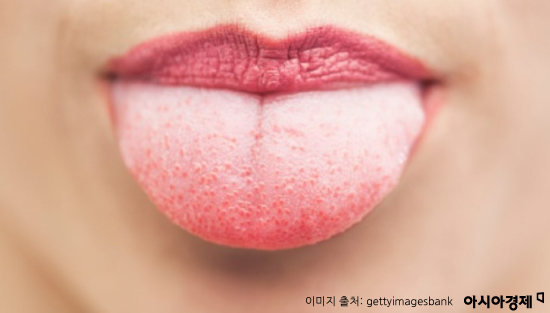
● Tongue that is bright red and glossy like a strawberry
A normal tongue has tiny projections called papillae, but when the mouth becomes dry, these papillae shrink, causing the tongue to become red and glossy. This may indicate oral dryness leading to papillae atrophy. If symptoms worsen with pain and do not subside, diabetes, kidney disease, Sj?gren’s syndrome, or side effects from medication should be suspected, and it is advisable to consult a specialist for an accurate diagnosis.
● Black and mottled tongue
If the tongue turns black and mottled, it may be due to elongation of the papillae on the tongue’s surface, with food debris stuck between them, indicating poor oral hygiene or fungal infection spreading on the tongue. If dark reddish-purple lesions appear on the tongue, it could be a hemangioma, which is a benign lesion that usually requires no concern if asymptomatic. However, if there are problems with tongue movement or other symptoms and discomfort, prompt hospital visit is necessary.
● Purple-colored tongue
This may indicate health issues or disorders in the respiratory or circulatory systems. When there are abnormalities in the lungs or heart, the tongue often turns purple. Additionally, in women, if menstruation is irregular or health problems arise, the tongue may also show a purple hue.
● Blue-colored tongue
If the tongue appears blue, it may signal health problems such as kidney disease, chronic bronchitis or asthma, circulatory disorders, or heart diseases like valvular heart disease and heart failure. If the tongue remains blue without any underlying conditions, it is important to recognize this as a health warning and undergo tests for an accurate diagnosis.
● White or coated tongue
This symptom may indicate a yeast infection (candidiasis) caused by prolonged antibiotic use, diabetes, weakened immunity, or high blood pressure. If suspected, prompt hospital consultation is recommended.
● Light yellow sweat
If sweat stains on pillows or clothes appear yellow, it may indicate decreased kidney function or poor physical condition.
● Brown or green sweat
This type of sweat is seen in patients with liver failure. Bile mixed in sweat from the hands or soles causes brown or green sweat.
● Red sweat
Red sweat can occur due to medications, mainly tuberculosis drugs such as ‘Rifampin’ or ‘Quinine’.
● Chromhidrosis (yellow, green, blue, dark blue, brown, etc.)
This is caused by abnormalities in apocrine sweat glands located in the genital area, armpits, or anus, or by lipid metabolism disorders. It can also be hereditary. If sweat has color, it is advisable to visit a hospital promptly to examine the disease and cause, as chromhidrosis is often genetic but can improve if caused by other diseases.

● Transparent and stringy eye discharge
This may be a sign of dry eye syndrome. When the eyes are dry, the viscosity of tears increases and they become sticky, causing eye discharge to stretch out. Frequent occurrence of such discharge suggests using artificial tears to reduce dryness and avoiding wearing contact lenses as much as possible.
● Watery and transparent eye discharge
Since bacteria and some viruses do not produce pus, transparent discharge suggests viral conjunctivitis (epidemic keratoconjunctivitis, Apollo keratoconjunctivitis, etc.). If transparent and watery discharge increases along with eyelid swelling and redness, viral conjunctivitis is likely. Severe symptoms may cause complications, so visiting an ophthalmologist to prevent secondary bacterial infection is recommended.
● Yellow and abundant eye discharge
This symptom suggests bacterial eye diseases such as conjunctivitis or keratitis. The yellow color comes from pus or inflammation caused by bacteria. The eye produces more discharge to protect itself from bacterial invasion, resulting in increased yellow eye discharge. If immune cells like white blood cells are involved, the discharge may become sticky.
● White eye discharge on eyelid edges
This is not inflammation of the eyeball itself but may be caused by blepharitis, where blocked oil glands in the eyelids cause inflammation and white discharge. It often occurs on the edges of the eyelids or eyelashes and may be accompanied by burning, itching, redness, and foreign body sensation. The eyelid edges may become red due to inflammation. Warm compresses and cleaning the base of the eyelashes can help relieve symptoms.
● Red sclera
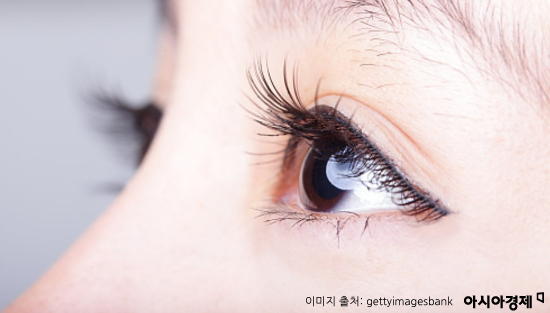
Often caused by fatigue leading to broken capillaries and redness. However, if redness persists, it may be a precursor to conjunctivitis or uveitis. Conjunctivitis is inflammation of the conjunctiva, the outermost layer of the eye, causing eye discharge and stinging. Uveitis shows similar symptoms but if left untreated, it can lead to cataracts.
● Yellow sclera
Chronic conjunctivitis can cause inflammation to adhere to the sclera, making it appear yellow. Another cause is jaundice due to impaired liver function. When jaundice occurs, elevated bilirubin levels in bile cause the sclera to turn yellow.
● Blue sclera
Blue sclera usually results from thinning of the scleral fibers, making veins visible. It may also indicate systemic conditions such as osteogenesis imperfecta, Marfan syndrome, or Ehlers-Danlos syndrome. For detailed causes, visiting an ophthalmologist for examination is recommended.
● Yellow spots on sclera
Yellow spots may be deposits called ‘drusen,’ formed by fat and calcium. Drusen can reduce ocular blood flow, which may similarly reduce cerebral blood flow. This could be a symptom of Alzheimer’s dementia, so hospital diagnosis is advisable. Some visible yellow spots may be ‘conjunctival nevus’ rather than drusen, so accurate examination is necessary.
● Red spots on sclera
Sudden high blood pressure can cause blood vessels under the thin membrane covering the sclera to rupture, creating red spots. These spots usually disappear naturally as blood pressure stabilizes, but if red spots appear more than three times in a short period, blood pressure issues may exist, requiring hospital blood pressure testing.
● Black spots on sclera
These may be ‘conjunctival nevi,’ caused by excessive melanin cell production and deposition, similar to moles on the skin. This is generally a natural phenomenon. However, rarely, it could be malignant melanoma, so it is important not to overlook and to get an accurate diagnosis. Melanoma can develop from excessive sun or UV exposure, may metastasize into malignant tumors, and if untreated, can be fatal.
● White ring around the pupil
A white ring around the pupil may indicate hyperlipidemia. Hyperlipidemia is a condition where fat metabolism is impaired, leading to increased blood lipid levels. Normally, blood vessels reach the edge of the pupil, but excess lipids accumulate at the vessel ends, causing a white ring around the pupil.

● Red spots accompanied by white, brittle, or cracked fingernails
If red spots appear along with small 1mm depressions resembling pinpricks on the surface of fingernails or toenails, and the tips become white, brittle, or cracked, this may be an early symptom of psoriasis. Mild symptoms can be treated with ointments, but severe cases require hospital treatment. Psoriasis is a chronic inflammatory skin disease occurring on elbows, knees, buttocks, and scalp, caused by genetic and environmental factors.
● Red spots accompanied by brown urine
If red spots appear all over the body along with dark yellow or brown urine, this may indicate cirrhosis or liver fibrosis, known as hepatic cirrhosis. This disease involves chronic inflammation causing scarring and fibrotic tissue formation in the liver, reducing liver function, and may be accompanied by vomiting, nausea, and loss of appetite.

© The Asia Business Daily(www.asiae.co.kr). All rights reserved.



















