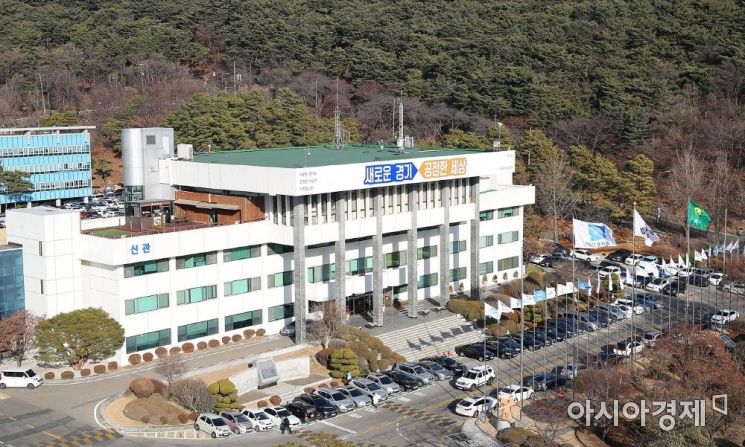
[Asia Economy (Suwon) = Reporter Lee Young-gyu] There have been criticisms that attendance management using fingerprint recognition devices without employee consent procedures or alternative methods constitutes a human rights violation.
The Gyeonggi-do Human Rights Center announced on the 15th that requiring public institutions to manage employee attendance solely through fingerprint recognition devices without any alternative means effectively forces employees to register their fingerprints, infringing on their right to personal information self-determination, and recommended improvements.
Previously, employee B, working at a public institution A in Gyeonggi-do, submitted a relief application to the Human Rights Center, stating, "I want relief regarding the collection of fingerprint information without the data subject's consent, the forced use of annual leave due to failure to register fingerprints, and non-payment of overtime allowances."
In response, the Human Rights Center held a meeting of human rights protection officers and judged that collecting and using fingerprint information without consent procedures or alternatives constitutes a violation of the right to personal information self-determination derived from Articles 10 and 17 of the Constitution of the Republic of Korea.
In particular, since working hours are not recognized if fingerprints are not registered, and both the employee and the team leader receive deductions in their work performance evaluations, it is realistically difficult to expect employees to refuse to provide fingerprint information. This is not merely a violation of consent procedures but a 'coerced situation' where employees have no choice but to provide fingerprint information, making 'autonomous control' over personal information impossible for the data subject.
Accordingly, the Human Rights Center recommended that the head of public institution A prepare alternative methods for attendance management other than using fingerprint recognition devices and operate the fingerprint recognition attendance management system after informing employees of the provisions stipulated in the Personal Information Protection Act and obtaining individual consent.
However, the Center added that issues arising from the use of fingerprint recognition devices for attendance management, such as forced use of annual leave and non-payment of overtime allowances, may violate the Labor Standards Act, but this requires the judgment and interpretation of the Ministry of Employment and Labor.
© The Asia Business Daily(www.asiae.co.kr). All rights reserved.

















