[Seoul Autonomous District News] Operation of Foreign Resident Life Information Guide Site on the 14th: Data on 6,287 Convenience Facilities in 10 Areas Including Food, Accommodation, Medical Care, and Shopping... Dobong-gu to Reduce 50,000 Tons of Greenhouse Gases This Year for 2050 Carbon Neutrality... Nowon-gu Focuses Support on Middle-aged and Older Single-person Households in Housing Vulnerable Areas... Geumcheon-gu Recruiting Newlywed Housing Move-in Candidates... Jungnang-gu Conducts Safety Inspections at 605 Sites for Thawing Season Safety Management... Gangbuk-gu Offers Stamp Tour at 4 Sections of Bukhansan Dullegil with Partner Restaurants and Discounts at Uidong Family Camping Site
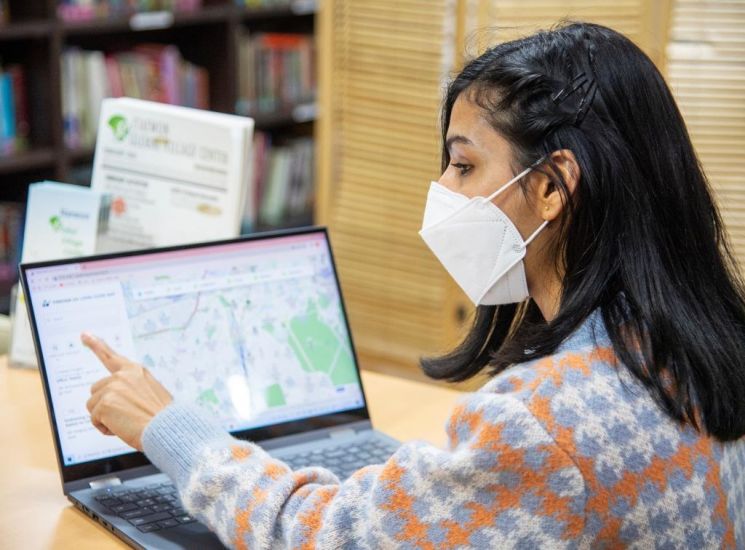
[Asia Economy Reporter Park Jong-il] Yongsan-gu (Mayor Seongjanghyun) started operating the ‘Yongsan-Gu Living Guide Map’ website on the 14th for foreigners residing or visiting the district.
This is to develop services for foreigners in both public and private sectors and to help foreign residents settle early in the area.
The district has operated websites in English, Japanese, Chinese, French, Spanish, German, and Vietnamese targeting foreigners, but these mainly provided tourism information. Most domestic portal sites offer information primarily in Korean, and search results in Korean and English often differ, while overseas portals have limited accessible information.
Accordingly, the district secured 200 million KRW in national funds through a Ministry of the Interior and Safety public contest. Considering that English-speaking foreigners are the largest group among the 18,312 foreign residents as of the end of January, it built English-language data on living convenience facilities from June last year to February this year.
Basic data were collected through local administrative permits data (LOCALDATA), domestic web portals, and the district’s culture and tourism website, supplemented by on-site visits to verify facility locations, operation status, and photographic materials.
Additionally, the website was developed using an open API (Application Programming Interface, a communication technology that allows other programs to access specific program data) to enhance user convenience by enabling users to utilize the data.
The Yongsan-gu Living Guide Map service provides English information on 6,287 living convenience facilities including public services, food, accommodation, education, culture, and traditional markets.
The provided information includes facility addresses, contact numbers, operating hours, directions, detailed information, and photos. It also indicates businesses that can respond in English.
A district official stated, “Through this project, we built data on living convenience facilities and opened the API on the public data portal. The foreigner living guide map is an example of data visualization and is expected to be used for developing various services targeting foreigners.”
The district plans to update the data and review site upgrades by utilizing youth interns from the Ministry of the Interior and Safety and examining user satisfaction with the foreigner living guide map.
Yongsan-gu Mayor Seongjanghyun said, “Yongsan, home to 57 embassies, is like a global village in Korea with many foreign residents and visitors. We will take the lead in developing living policies for foreign residents based on the constructed living information data.”
The foreigner living guide map website is accessible via Chrome, Internet Explorer, and Edge browsers.
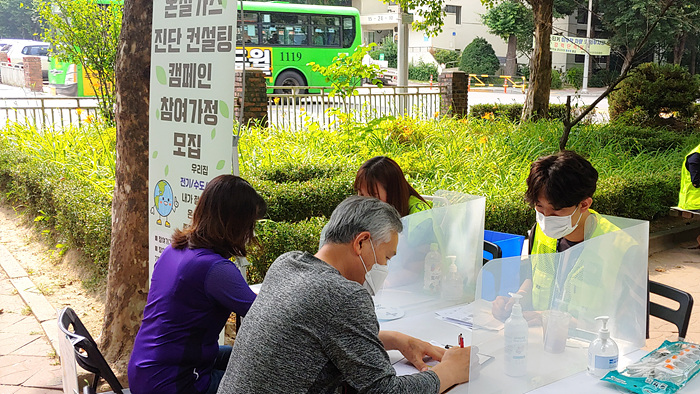
Dobong-gu (Mayor Lee Dong-jin) announced that it aims to reduce 51,454 tons CO2eq of greenhouse gases throughout 2022.
Dobong-gu, which enacted the ‘Dobong-gu Carbon Neutrality Basic Ordinance’ in September 2021?the first in the nation aiming for ‘carbon neutrality by 2050’?is taking the lead in realizing carbon neutrality from the basic local government level by establishing the ‘2022 Greenhouse Gas Reduction Promotion and T/F Operation Plan’ and expanding the T/F operation.
To this end, Dobong-gu plans to reduce carbon by ▲29,789 tons in green buildings ▲1,990 tons in green transportation ▲323 tons in green energy ▲2,745 tons in green waste ▲110 tons in green forests ▲16,409 tons in green living across 27 detailed projects in 6 sectors related to greenhouse gas reduction this year. It also plans to continuously manage 34 projects related to climate change adaptation such as green education.
In particular, the ‘Greenhouse Gas Reduction T/F,’ which previously involved only public officials, has been expanded into a meta-governance including external experts and citizen representatives. To strengthen capabilities, special education by carbon neutrality experts will be held twice a year.
Meanwhile, in the first year of implementing ‘2050 Carbon Neutrality,’ Dobong-gu reduced a total of 51,077 tons of greenhouse gases last year through achievements such as strengthening public sector target management, expanding electric and hydrogen vehicle distribution, installing solar panels on public buildings, reducing food waste, and expanding eco-mileage subscriptions. This is 100.6% of the target.
In September 2021, Dobong-gu also enacted and promulgated the ‘Dobong-gu Carbon Neutrality Basic Ordinance,’ the first in the nation, stipulating the goal of achieving zero net greenhouse gas emissions by 2050 and establishing a legal basis for greenhouse gas reduction policies.
Dobong-gu’s efforts were recognized as an excellent case of carbon neutrality domestically and internationally, receiving the highest grade (A) among domestic cities in the 2021 international Carbon Disclosure Project (CDP) evaluation of 965 cities worldwide and winning the Minister of Environment Award at the ‘2021 Carbon Neutrality Competition’ hosted by the Ministry of Environment.
Dobong-gu Mayor Lee Dong-jin said, “Despite the difficult circumstances of COVID-19 last year, Dobong’s carbon neutrality policies received good evaluations thanks to cooperation between the district and citizens. This year, we will concentrate our capabilities to lead the ‘2050 Carbon Neutrality’ of basic local governments.”
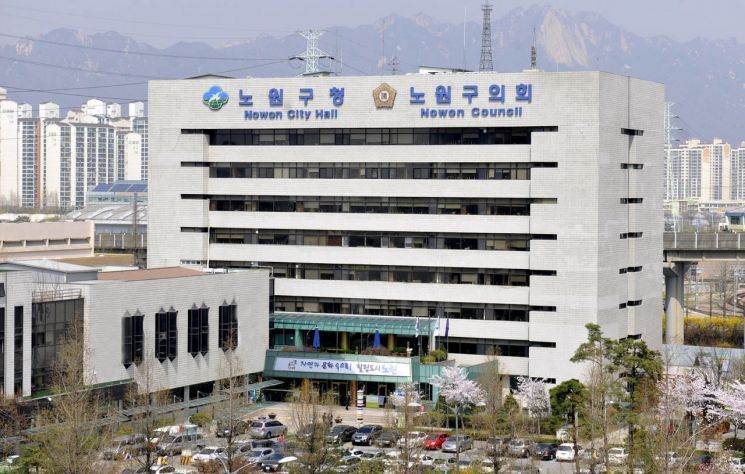
Nowon-gu (Mayor Oh Seung-rok) announced that it is actively identifying single-person households aged middle-aged and above at high risk of solitary death and expanding social safety nets through customized support.
The crisis households the district focuses on mainly reside in vulnerable housing areas such as basements, rooftop rooms, and goshiwon (small dormitory-style rooms). Middle-aged residents in these vulnerable housing areas often have unstable incomes and poor health, and prolonged COVID-19 has intensified social isolation, prompting early intervention before solitary deaths occur.
To this end, the district conducted a status survey of vulnerable housing groups from May to June last year. It identified a total of 6,505 households including 4,755 basement households, 325 rooftop room households, and 1,425 goshiwon households, which are representative vulnerable housing areas.
Based on this, from October to December, the survey scope was expanded to include long-term residents of rental housing and lodging facilities, and residents of specific fire hazard facilities, successfully pinpointing single-person households aged middle-aged and above with a high frequency of solitary deaths.
The survey was conducted by the Nowon Toktoktok Care Team, composed of welfare planners and residents familiar with local conditions, as well as community leaders. They thoroughly shared the purpose and methods of the survey and played a significant role in identifying crisis households in the community. This reflects the district’s unique welfare resource management system led by residents.
The survey included housing, economic and health status, social networks, major problems, welfare service needs, and mental health assessments to evaluate the risk of solitary death.
The district announced that it has completed linking social welfare services to 394 single-person households aged middle-aged and above in vulnerable housing areas identified in this survey. The welfare services provided include ▲94 cases of economic support such as public benefits ▲106 cases of private services linked to welfare centers ▲50 cases of care services including Care SOS management ▲135 cases of welfare checks ▲9 cases of case management.
For example, Ms. A (female), a basic livelihood security recipient living in a permanent rental apartment, had almost no communication with siblings or neighbors and her health was deteriorating. The district provided her with twice-weekly cleaning and side dish support through Care SOS temporary home care services and assisted her in applying for long-term care grades to receive long-term housekeeping support.
Mr. B (male), living in the basement of a multi-family villa, had stopped economic activities due to a fall accident and lost contact with family. The district guided him on customized benefits and emergency support, provided job linkage services, and continued support to restore his broken social network.
Based on this survey, the district plans to continue regular monitoring and management of households needing support. Welfare planners, the Toktoktok Care Team, honorary social welfare officers, and community leaders will conduct regular welfare checks and identify crisis situations to ensure necessary service support. High-risk individuals will be separately selected as case management targets for more detailed care.
Nowon-gu Mayor Oh Seung-rok said, “Accurately understanding the situation of vulnerable housing groups and single-person households is the first step in designing safety nets for them. We will ensure they receive continuous support by integrating public and private capabilities.”
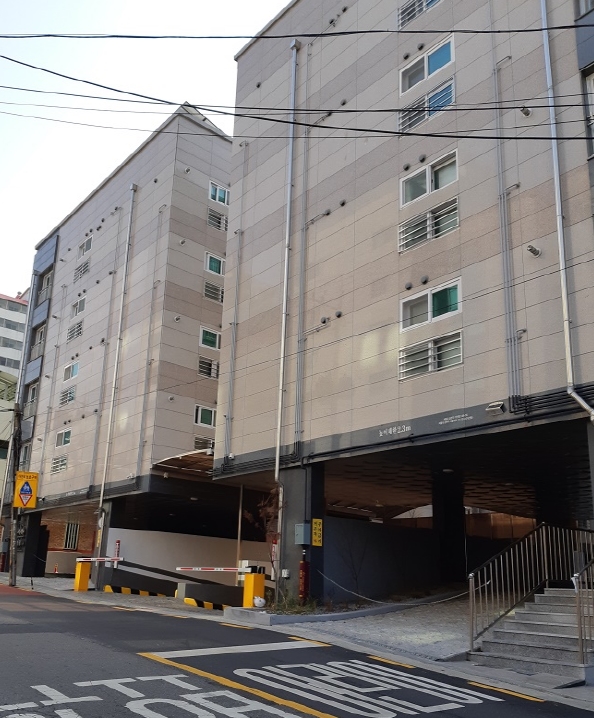
Geumcheon-gu (Mayor Yoo Seong-hoon) announced that it will recruit new residents for newlywed housing on a rolling basis starting February 21.
Geumcheon-gu operates 48 units in two newlywed housing complexes in collaboration with Seoul Housing & Communities Corporation (SH) to alleviate housing insecurity for newlyweds.
The remaining 13 units to be recruited this time include ▲3 units in the Social Mix-type Newlywed Housing (Gasan-dong) and ▲10 units in Dodam Dodam Newlywed Housing (Siheung 1-dong).
Applicants must be newlyweds without home ownership registered in Seoul (within 7 years of marriage, including prospective and remarried couples) with a household income below 150% of the previous year’s urban worker average monthly income. Rent is less than 50% of the surrounding market price, with a basic lease period of 2 years. Residents can stay up to 20 years if they maintain eligibility.
Newlyweds wishing to apply can download the application form from the ‘Notices & Announcements’ section on the Geumcheon-gu Office website starting February 21 and submit it in person at the 7th-floor Integrated Welfare Counseling Office, by mail, or by email.
Details on eligibility, application methods, and rent can be found on the Geumcheon-gu Office or Seoul Housing & Communities Corporation (SH) websites.
Geumcheon-gu will announce the final residents within 90 days after income and asset verification. Contract and move-in schedules will be separately notified by SH Corporation.
The housing units are designed for newlyweds to live in the same type of households, facilitating communication and joint problem-solving related to childcare and other issues. As community housing, management regulations are established, and SH coordinators support residents in building community capabilities.
Facilities for resident safety and convenience include community spaces, unmanned parcel lockers, CCTV for crime prevention, and solar power generators.
Geumcheon-gu posted a detailed video explaining the interior and announcements of the housing on its YouTube channel to address applicants’ questions.
Geumcheon-gu Mayor Yoo Seong-hoon said, “We will work harder on housing welfare projects for actual users so that newlyweds do not hesitate to marry or have children due to housing problems, making Geumcheon-gu a better place to live.”
For more information, contact the Welfare Support Division of Geumcheon-gu Office or the Geumcheon Tongtong Welfare Call Center.
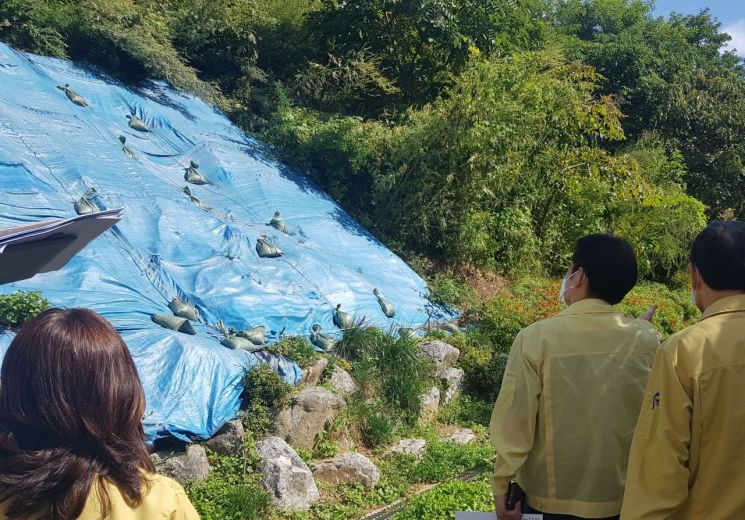
Jungnang-gu (Mayor Ryu Kyung-gi) has designated the period until March 14 as the ‘Special Safety Management Period for Thawing Season’ and will conduct safety inspections at 605 locations in the district to prevent accidents during the thawing season.
The district plans to conduct field-specific inspections tailored to the characteristics of each facility type to check for cracks, subsidence, and other conditions caused by moisture thawing in the frozen ground during winter and to thoroughly prepare for accident risks.
The district has established inspection plans by field and formed inspection teams. For facilities with risks, joint inspection teams including related agencies and private experts will be organized. Immediate corrective actions will be taken on-site for issues that can be resolved immediately, and urgent measures such as repairs, reinforcement, usage bans, evacuation orders, or demolition will be implemented for serious defects or risks.
The target facilities include ▲49 steep slopes and retaining walls ▲9 excavation sites ▲10 landslide-prone areas ▲42 construction sites ▲57 road slopes and road facilities ▲438 disaster-vulnerable facilities and public/private construction sites. Inspections will check for abnormalities in drainage and rockfall prevention facilities, ground subsidence, cracks and subsidence on steep slopes, proper installation of safety management facilities at construction sites, and safety management of construction equipment. Roads requiring maintenance due to pavement damage or ground subsidence will be promptly repaired.
Along with the thawing season safety inspections, residents can report facility damage or hazards via the ‘Safety Report’ app or the 120 Dasan Call Center. The district website also provides a self-safety checklist for autonomous safety inspections at facilities and homes.
Jungnang-gu Mayor Ryu Kyung-gi said, “We will actively conduct pre-inspections of safety-vulnerable facilities, roads, mountains, and steep slopes to prevent possible accidents in advance. We will continue to prioritize residents’ safety and do our best to create a disaster-free living environment.”
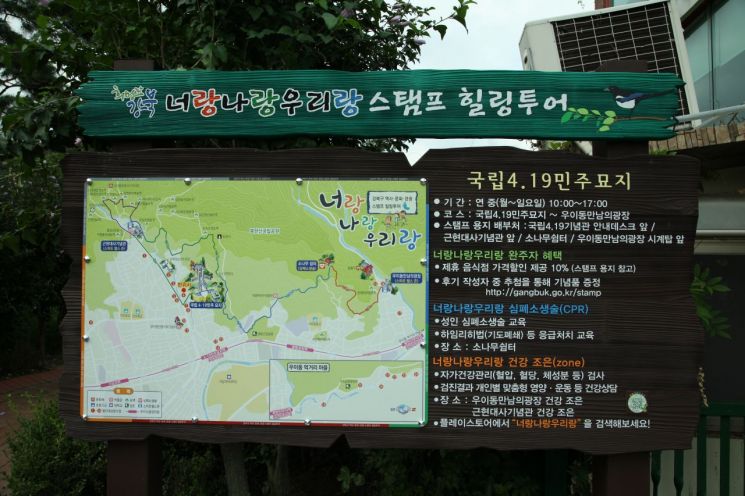
Gangbuk-gu (Mayor Park Gyeom-su) is operating the ‘You and Me and Us Stamp Healing Tour,’ a program where visitors can tour modern and contemporary historical cultural sites and hike.
The ‘You and Me and Us Stamp Healing Tour’ is a travel program where participants walk about 4 km along sections 1 and 2 of the Bukhansan Dullegil Trail while collecting stamps. Stamp and tour sheets can be obtained at four locations along the trail: ▲Modern and Contemporary History Memorial Hall ▲April 19 Observatory ▲Pine Tree Rest Area ▲Ui-dong Meeting Plaza, or via the mobile app ‘You and Me and Us.’
The stamp tour course starts at the Modern and Contemporary History Memorial Hall, passes the April 19 Observatory and Pine Tree Rest Area, and ends at Ui-dong Meeting Plaza, or starts at Ui-dong Meeting Plaza and ends at the Memorial Hall.
Visitors who collect stamps at all four locations receive completion benefits. Completers can enjoy a 10% discount at affiliated restaurants nearby and up to 50% off at Ui-dong Family Camping Site. The district also holds a raffle among those who write reviews of the stamp tour, awarding completion souvenirs such as portable chargers and handkerchiefs.
The Modern and Contemporary History Memorial Hall and Ui-dong Meeting Plaza also operate the ‘You and Me and Us Healthy Zone.’ Visitors can check changes in their health before and after the stamp tour through blood pressure, blood sugar, and body composition tests and receive health consultations from experts based on their condition.
The ‘You and Me and Us Healthy Zone’ operates on weekends from 9 a.m. to 5 p.m. and is available to all visitors, including weekend hikers.
Emergency first aid education is also provided along the stamp tour course. Professional instructors teach and practice CPR, use of automated external defibrillators (AED), and the Heimlich maneuver for airway obstruction. Visitors are expected to respond quickly to emergencies in daily life through this training.
Gangbuk-gu Mayor Park Gyeom-su said, “I hope many people visit to experience the stamp healing tour that offers historical and cultural tourism and health management. We will continue to strive to provide various programs for visitors to Gangbuk-gu.”
© The Asia Business Daily(www.asiae.co.kr). All rights reserved.



















