556 Dispatches Per Day on Average, 328 Patients Transported, One Dispatch Every 2 Minutes 30 Seconds
116,972 Cases and 119,994 Patients Transported... Hypertension and Diabetes Patients Most Common
Patients Aged 60-80 Account for 48.1%, with Those in Their 50s Making Up 16.2%
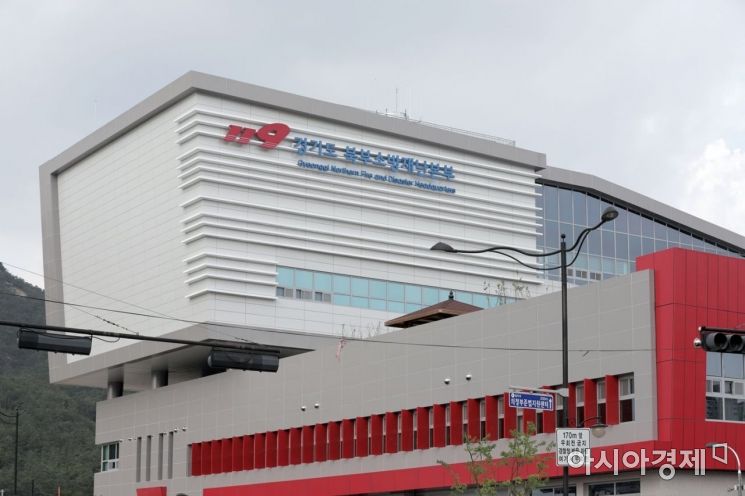
[Asia Economy Reporter Ra Young-cheol] The number of dispatches by the 119 ambulance team in northern Gyeonggi Province last year was found to be 16% higher than the national average. Among the transported patients, those with a history of hypertension and diabetes were the most common.
According to the "2021 Northern Gyeonggi Ambulance Activity Analysis Results" announced on the 14th by the Northern Gyeonggi Fire and Disaster Headquarters, the number of ambulance dispatches last year was 202,959, far exceeding the national average of 174,942. The number of transports was 116,972, with a total of 119,994 patients transported.
Calculated on a daily basis, this means there were 556 dispatches every day, transporting 328 patients to hospitals, with a dispatch occurring approximately every 2 minutes and 30 seconds.
Patients with illnesses accounted for 80,507, representing 67% of the total, followed by accident injuries at 25,830 (21.5%), and traffic accidents at 10,645 (8.8%).
Additionally, 2,039 cardiac arrest patients were transported, and notably, the operation of smart medical guidance and multi-dispatch systems resulted in an on-site resuscitation rate of 8.0%.
By age group, transported patients aged 60 to 80 accounted for 48.1%, and children under 10 years old accounted for 12.4%. The most frequently transported age group was those in their 50s, totaling 19,399 patients, or 16.2%.
Transport of COVID-19 patients accounted for 27,869 cases, or 23.8%, and 1,729 patients were transported from quarantine facilities to medical institutions.
Hospital transport time averaged 27 minutes depending on the presence of suspected COVID-19 symptoms. The proportion of transports within one hour accounted for 53.3% of the total, indicating significant difficulties in hospital selection and transport.
Accordingly, plans are in place to improve issues through measures such as strengthening cooperation between fire and medical institutions.
A representative from the Northern Fire and Disaster Headquarters stated, "Although ambulance activities have been challenging due to the continued spread of COVID-19, we will do our best to improve the quality of ambulance services and ensure the safety of residents with the belief that we are saving precious lives."
© The Asia Business Daily(www.asiae.co.kr). All rights reserved.

















