Giving Up Easily Due to Unrealistic Goals
Long-Term Success with Specific and Achievable Targets
'Meal Diary' Helps Overcome Yo-Yo Effect
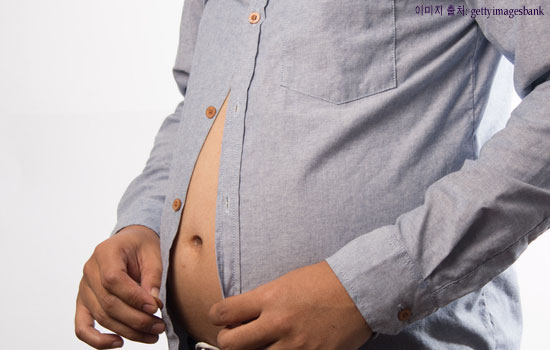
[Asia Economy Reporter Lee Gwan-ju] Many people set "diet" as a New Year's resolution, but after a month, many end up with "three-day determination" failures. Obesity is a cause of numerous adult diseases. It lowers self-esteem and increases feelings of depression. Nevertheless, diets started with strong determination often end in failure.
Professor Yoon Young-sook, a family medicine specialist at Ilsan Paik Hospital who runs an obesity clinic, cites "excessive plans" as the biggest cause of diet failure. Strict standards and overly ambitious goals are a shortcut to failure. Most people set short achievement periods and high weight loss targets. For example, goals like "lose 20% of body weight in one month," "reduce one meal portion by half," or for someone who did not exercise, "exercise 2 to 3 hours a day" are common. Such high goals are easy to give up on shortly after starting.
When starting a diet, it is wise to set achievable goals and gradually increase intensity. Professor Yoon advises five strategies: ▲Are you prepared to invest time and effort for change? ▲What is the reason you need to lose weight? The clearer the motivation, the stronger the willpower. ▲Have you set appropriate long-term and short-term goals? ▲Have you established specific and achievable weight loss methods? ▲Have you developed healthy lifestyle habits for long-term weight maintenance?
Professor Yoon recommends setting short-term goals of losing 1 to 4 kg per month and a 5% reduction after 6 weeks, a mid-term goal of 10% weight loss within 6 to 12 months, and long-term goals focused on weight maintenance. She emphasizes, "Weight loss methods should be specific and achievable, and it is best to have measurable criteria to judge success according to deadlines."
Obesity Treatment Drugs: Know Before You Take
For severe obesity, using treatment drugs can be one method. According to the Korean Society for the Study of Obesity's treatment guidelines, the basic treatments for obesity are dietary therapy, exercise therapy, and behavioral therapy. Drug therapy is an additional treatment used alongside these. Weight control drugs are usually prescribed to people with a body mass index (BMI) of 25 kg/㎡ or higher.
Weight control drugs include ▲appetite suppressants ▲lipase inhibitors ▲glucagon-like peptide-1 (GLP-1) receptor agonists. Appetite suppressants act on the brain to reduce hunger and increase feelings of fullness. Lipase inhibitors prevent the absorption of fats from food in the intestines. GLP-1 is a hormone secreted in the small intestine that induces satiety and reduces food intake. Since each drug has different effects, side effects, and contraindications, it is important to consult a specialist to select the medication that suits you.
 Professor Yoon Young-sook of Ilsan Paik Hospital's Department of Family Medicine is conducting an InBody test (body fat measurement).
Dietary supplements are often confused with obesity treatment drugs, but they are distinctly different. Dietary supplements are health functional foods, not drugs. Health functional foods do not prevent or treat diseases like drugs do. They are consumed as needed to help maintain health. Commercial products include ▲Garcinia cambogia extract ▲conjugated linoleic acid ▲green tea extract ▲chitosan ▲L-carnitine ▲Pu-erh tea extract, among others. Since these foods are intended for the general public, their side effects are mild but their effects are also weak, and side effects are not completely absent, so this should be considered when taking them.
Professor Yoon advises, "If there is no weight loss of 5% or more within 3 months of drug treatment, it is considered non-responsive, and treatment should be stopped." She emphasizes, "Weight control drugs require long-term use and must be administered under medical supervision regarding their action, dosage, and side effects."
Overcoming Yo-Yo Effect
The biggest enemy of dieting is the "yo-yo effect." The yo-yo effect refers to the cycle of weight loss and gain. It is more severe when inappropriate weight loss methods such as fasting, excessive calorie restriction, or lack of exercise are used. Rapid initial weight loss causes muscle mass to decrease quickly, slowing metabolism and reducing basal metabolic rate. When returning to usual eating habits, weight regain occurs.
To minimize the yo-yo effect, even when restricting calories, one should eat a balanced diet including protein, fluids, and vegetables. Increasing physical activity as much as possible is recommended. Recommendations to avoid yo-yo and achieve healthy weight loss include ▲reducing body fat and maintaining muscle mass ▲reducing meal intake (eat more low-calorie foods and avoid high-calorie and fatty foods) ▲not skipping meals ▲regular exercise (at least 150 minutes per week for the first 6 months) ▲self-monitoring (using a food diary) ▲consulting experts such as doctors and nutritionists.
Professor Yoon states, "Obesity should be recognized as a chronic disease requiring continuous treatment, like hypertension and diabetes. Stopping lifestyle corrections is equivalent to stopping treatment, and relapse is naturally expected. The basic principle of lifestyle improvement is to move more and eat less, and this must be sustained to maintain weight."
 Keeping a food diary helps you understand how much and what you eat, which is useful for planning a diet.
 [Photo by Ilsan Paik Hospital]
Common Diet Mistakes and the Importance of 'Sleep'
There are common mistakes in managing diet plans. Foods thought to be diet-friendly but actually not beneficial for dieting are frequent. Representative examples include fruits, nuts, potatoes, sweet potatoes, and vegetable oils. Foods mistakenly considered low-fat and high-protein include galbitang (beef rib soup), doganitang (ox knee soup), seolleongtang (ox bone soup), cheese, and yogurt. Mayonnaise, gochujang (red chili paste), and salad dressings are also high in calories.
High-calorie foods tend to be small in quantity but nutritionally harmful, so eating them until full easily leads to calorie excess. There are no foods that cannot be eaten during dieting, and high-calorie foods are not a big problem if consumed within the total calorie limit and properly distributed. However, it is difficult to lower calories while maintaining nutritional balance, increasing the risk of diet failure.
Sleep is also an important factor in dieting. Lack of sleep increases the secretion of "ghrelin," a hormone that stimulates appetite. Conversely, secretion of "leptin," which suppresses appetite and increases energy expenditure, decreases. Therefore, going to bed and waking up at consistent times is important for weight management. Professor Yoon emphasizes, "Irregular sleep habits often lead to eating late-night snacks, skipping meals, and frequent snacking, resulting in poor meal management. Having a regular sleep schedule enables regular meals and daily routines after waking, making regular and sufficient sleep important for weight management."
If you do not know how to manage diet and exercise well, have obesity or other diseases, or repeatedly fail at dieting, visiting an obesity clinic for professional help is one option. Professor Yoon says, "Since obesity is a disease, visiting an obesity clinic allows comprehensive evaluation of complications, reasons for weight gain, and obstacles to weight loss before deciding on a treatment plan. The clinic helps plan and implement appropriate diet, exercise, and physical activity, and if necessary, drug treatment can be combined."
© The Asia Business Daily(www.asiae.co.kr). All rights reserved.
![Clutching a Stolen Dior Bag, Saying "I Hate Being Poor but Real"... The Grotesque Con of a "Human Knockoff" [Slate]](https://cwcontent.asiae.co.kr/asiaresize/183/2026021902243444107_1771435474.jpg)













