The five-day Lunar New Year holiday is by no means a long time. Nevertheless, to reduce the aftereffects that may come at the end of this rare holiday, it is good to achieve something. One of the best ways to do so is reading. If you don’t know which book to choose, try selecting from the books recommended by the librarians of the National Library of Korea.
To promote a nationwide reading culture, the National Library of Korea selects and announces “Librarian Recommended Books” every two months, focusing on new arrivals. In February, April, August, and October, books are selected by subject areas such as humanities, social sciences, natural sciences, and literature, while in June and December, books are chosen based on timely themes.
An official involved in selecting the National Library of Korea’s librarian recommended books said, “As these books are introduced ahead of the upcoming traditional Lunar New Year holiday, we hope that people can spend time with the librarian recommended books during the holiday period and find rest and recharge from the fatigue caused by COVID-19.”
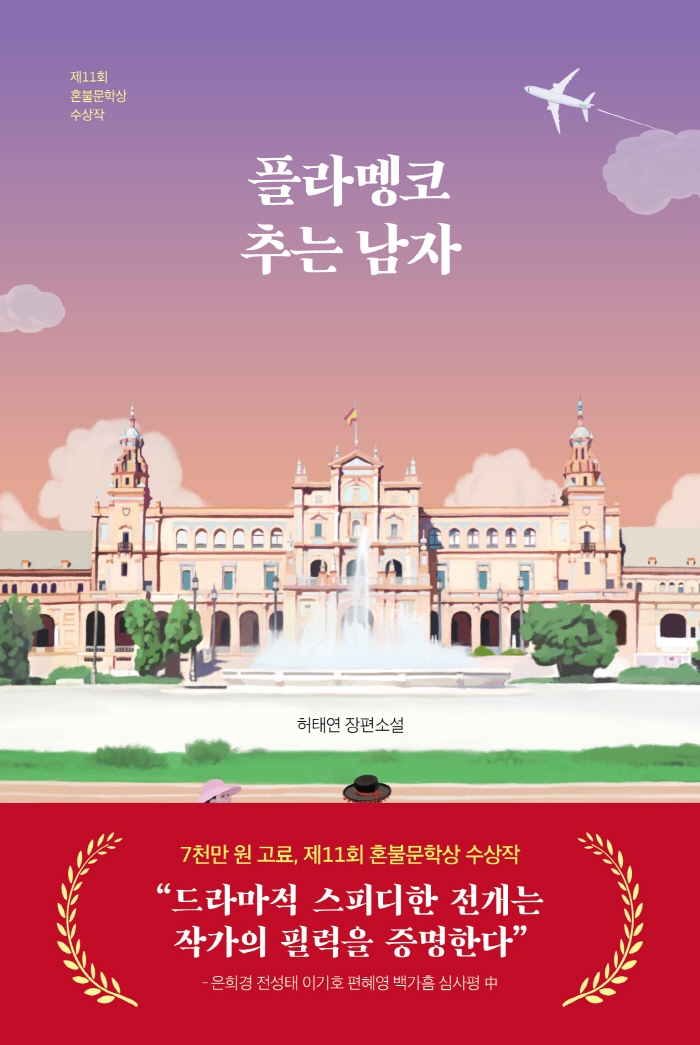
A Man Dancing Flamenco | Written by Heo Taeyeon | Dasan Books | 274 pages | 14,000 KRW
What kind of life does a person who has done only one thing for 26 years live after retirement? Heo Namhoon, who worked as an excavator operator, decides to retire at 67 and sells the excavator he drove. Then, he starts to accomplish seven things he wanted to do before he dies. From buying a luxury suit and learning Spanish and flamenco to resolving family issues, step by step, with the help of a young man who rented the excavator, a Spanish teacher, and a flamenco instructor, Heo Namhoon realizes the meaning of family and meets his estranged daughter. In the COVID-19 situation, will the protagonist be able to complete his tasks smoothly and even travel to Spain? And will he be able to build a new relationship with his estranged daughter? Heo Namhoon could be the image of our fathers or ourselves preparing for old age after retirement. This book makes readers think about what kind of life to live in old age and what family means.
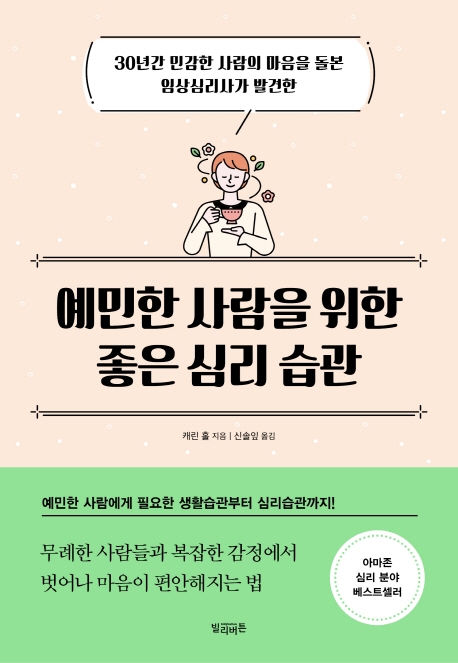
Good Psychological Habits for Sensitive People | Written by Karen Hall | Translated by Shin Solip | Believer Books | 316 pages | 16,000 KRW
Being emotionally sensitive can be both a gift and a burden in life. To feel and use this sensitivity as a gift, one must learn how to manage emotions well. However, learning to control emotions is not easy. This book helps understand the characteristics of sensitive people and presents concrete methods to manage emotions. The author, Karen Hall, is a clinical psychologist who has cared for sensitive individuals for 30 years. She says that sensitive people must first understand their sensitivity to learn how to use their emotions positively. The book teaches good lifestyle habits to manage a sensitive temperament, how to face emotions, and finally, techniques to form wise human relationships without being overwhelmed by emotions. This book is helpful for those who feel sensitive, want to acknowledge their inherent emotional sensitivity and take a step forward, or want to better understand sensitive people around them.
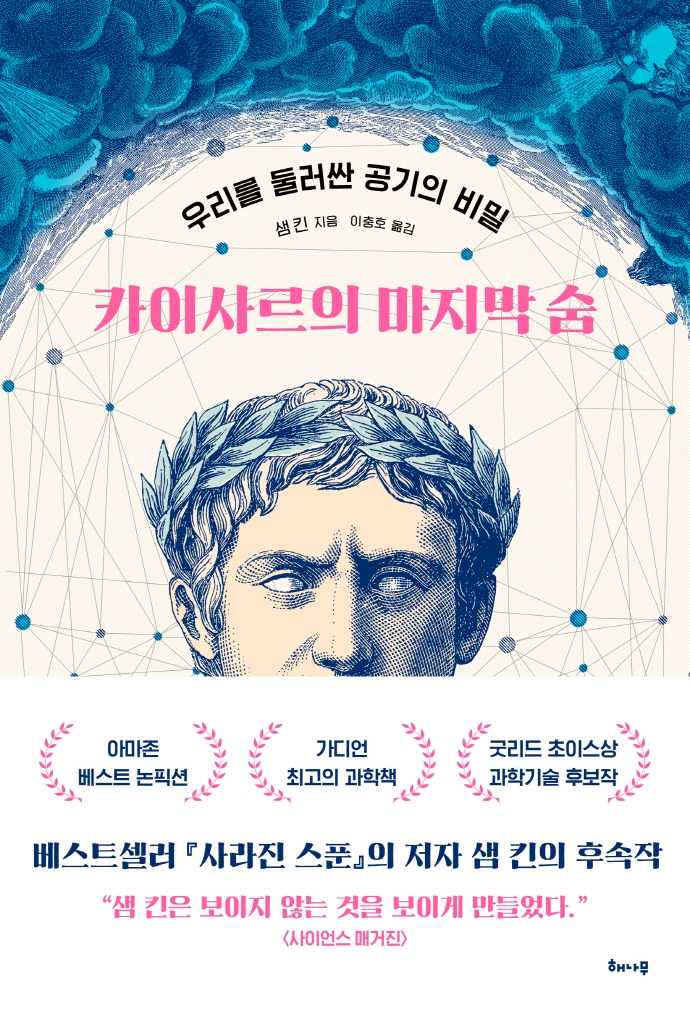
Caesar’s Last Breath | Written by Sam Kean | Translated by Lee Choongho | Haenamu | 485 pages | 20,000 KRW
At this very moment, everyone is breathing. The molecules of air we exhale flow into the molecules in the atmosphere and travel around the world. Neighbors breathe in the air we exhaled, and we breathe in the air they exhaled. The author expands this temporal and spatial imagination to create an intriguing scenario. Imagine if some of the air Julius Caesar exhaled at the moment of his death were mixed in the air we breathe next time. Through breath, the book connects past history and ourselves. Air, usually invisible and imperceptible, is often forgotten in its existence and necessity. The author’s humor and rich scientific knowledge help us escape such indifference and feel the importance of air once again. Through various anecdotes such as nitrous oxide used as anesthesia, chemical fertilizers made from nitrogen that saved humanity from famine, and Charles Dickens’ “Bleak House,” which sparked debates about oxygen’s role, readers learn not only scientific knowledge about air but also the history of those times.
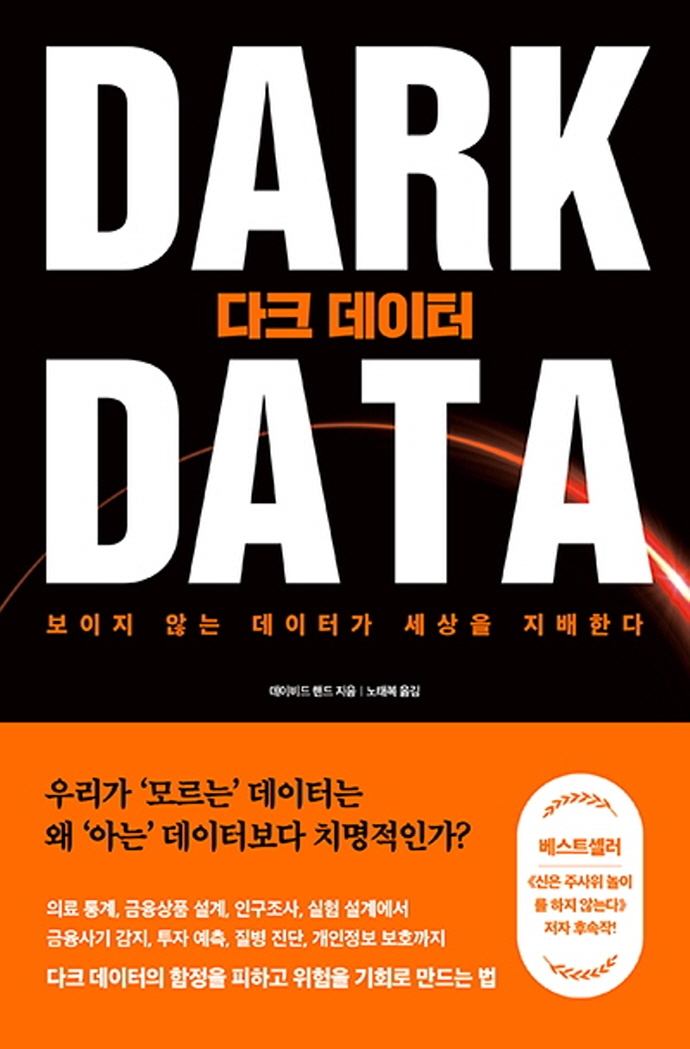
Dark Data | Written by David Hand | Translated by No Taebok | The Quest | 396 pages | 19,000 KRW
We are truly living in the age of data. Many of our decisions rely heavily on data. The term “dark data” refers to all kinds of missing data. Dark data is invisible to us and unrecorded, yet it can have a huge impact on our conclusions, decisions, and actions. The author warns that if we fail to recognize the possibility of hidden unknowns, we may draw wrong conclusions and make poor decisions leading to fatal consequences. But how can we identify and deal with dark data, which appears in various forms and for many reasons? This book categorizes dark data into 15 types and explains them clearly with examples from everyday life such as stocks, insurance, and health checkups. Accurate data helps us understand situations simply yet deeply and supports reliable predictions and decisions. By broadening our perspective on data to include dark data, can we reduce bad decisions and make more strategic choices?
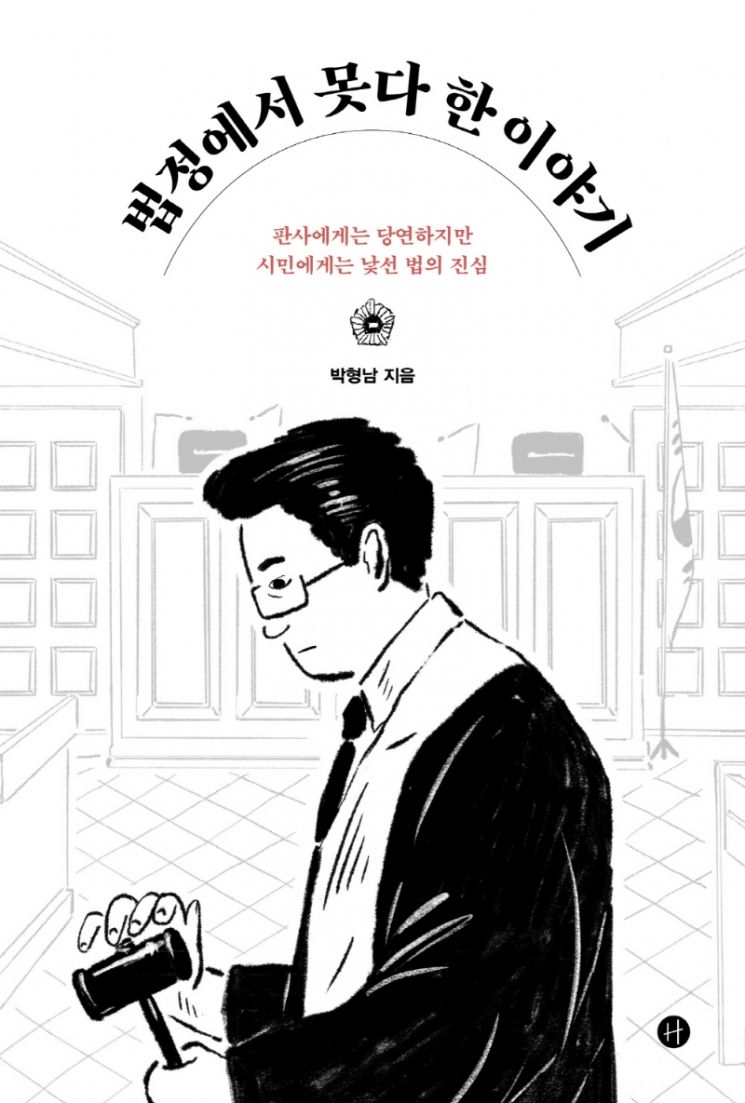
Stories Left Untold in Court | Written by Park Hyungnam | Humanist | 228 pages | 16,000 KRW
At some point, as lawsuits increased, citizens’ dissatisfaction and distrust toward trials have also grown. Park Hyungnam, a judge who has presided over criminal trials for decades, shows how the court’s thinking differs from citizens’ mindset. He explains in an easy-to-understand way by connecting parts that may raise questions from citizens’ perspectives with actual trial cases, literature, and historical facts, making the difficult and rigid law feel easy and familiar. The legal knowledge presented through the judge’s life and daily experiences makes it even more vivid. The author says that what judges lack is not legal knowledge but empathy. This statement reveals the author’s struggles and efforts to maintain judges’ independence and conscience while building communication and trust with citizens. Following the rich discussions about law in this book step by step, readers can also grasp the true spirit of the law. Understanding the law’s cold yet affectionate nature might lower the fortress-like barriers of law.
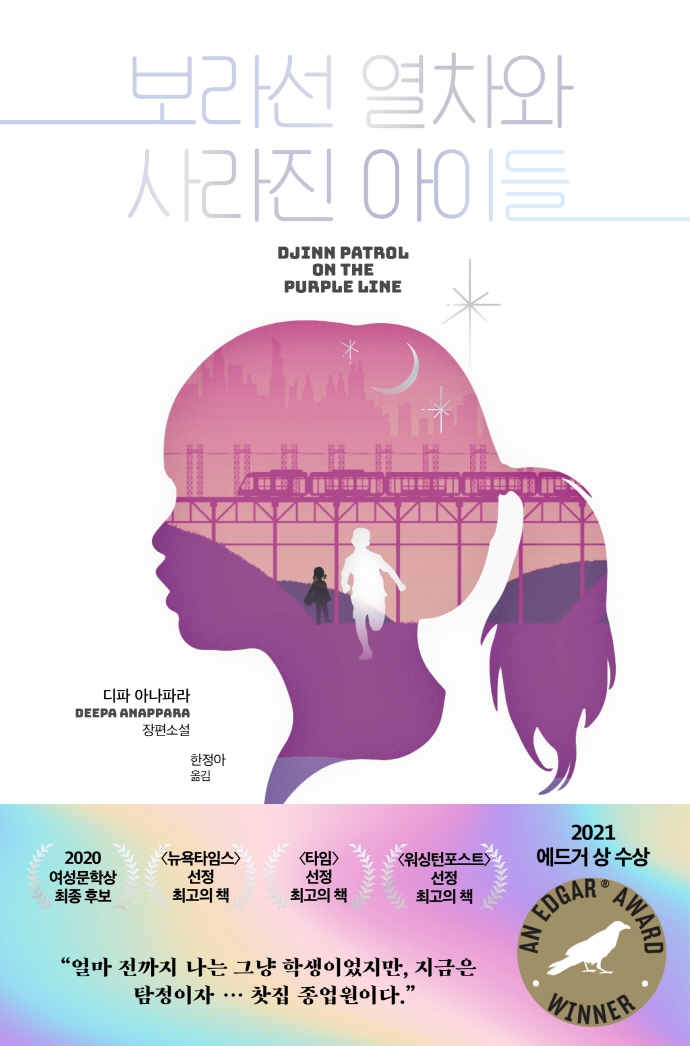
The Purple Line Train and the Missing Children | Written by Deepa Anappara | Translated by Han Jeonga | Bookroad | 424 pages | 15,800 KRW
Children are disappearing from the slums of India. Were they kidnapped? Or taken by spirits? The purple line train’s terminal, a smog-filled slum between a garbage dump and a new city. This is where nine-year-old Jai, who is obsessed with TV detective dramas, lives. Due to threats from corrupt police to demolish the entire village, residents always have to be ready to move, but for Jai, this place is a familiar home and a place of the heart. One day, starting with a classmate, children in the neighborhood begin to disappear one after another. Instead of the indifferent police and powerless adults, Jai decides to become a detective himself. Using his deduction skills honed from watching many detective shows, he forms a detective team called “Purple Line Spirit Patrol” with his close friends. Will Jai be able to find the children? This novel shows various social issues in India such as wealth disparity, gender discrimination, corruption, and religious problems through the confident and cheerful eyes of nine-year-old Jai. It is not a grand detective novel solving complex and delicate cases, but it is an attractive story about children dreaming of the future and creating hope amid harsh realities.
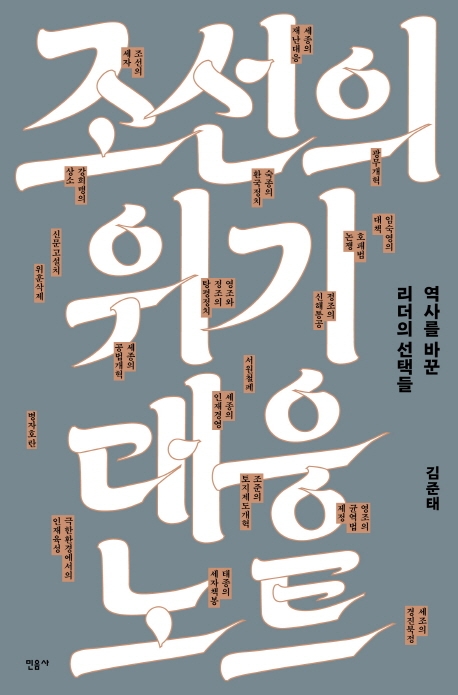
Joseon’s Crisis Response Notes | Written by Kim Juntae | Minumsa | 268 pages | 16,000 KRW
Can we learn how to overcome unprecedented crises from history? This book explains how leaders of the Joseon Dynasty dealt with disasters and crises they had never experienced before, using historical examples. It focuses on how they recognized and responded to situations at critical moments and how their choices changed the course of history. Take King Sejong as an example. He emphasized prevention. Even the slightest sign of disaster prompted immediate action. When heavy rain fell, he promptly checked flood situations, and during famines, he granted local officials discretionary authority to use relief rice, establishing a command system and encouraging proactive, field-centered responses. This book analyzes historical cases from a modern perspective, carefully reviewing past successes and failures to find useful lessons from history. It provides practical insights on crisis management needed not only for today’s governments and companies but also for individuals.
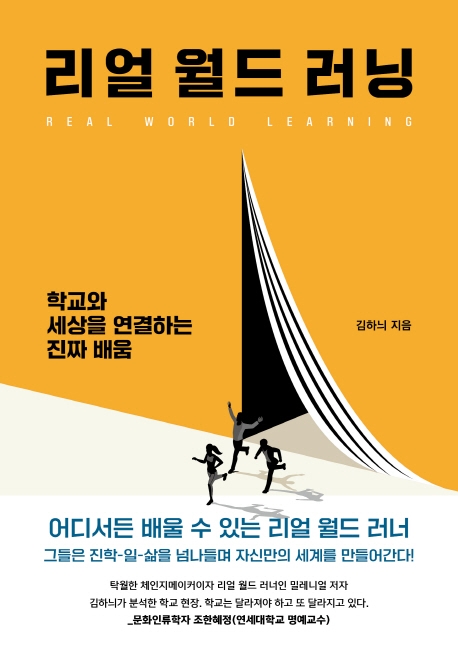
Real World Learning | Written by Kim Hanui | Pureundulnyeok | 308 pages | 16,000 KRW
This book is about the career paths of youth who must live in an era where “competence matters more than credentials.” It helps young people realize the process and methods of capturing the changing world’s trends themselves and creating new opportunities, and it tells teachers how to “synchronize the classroom with the world.” Since it is easy to lose a sense of reality inside schools, someone is needed to interpret how the real world is changing. The author presents how people in contemporary Korean society, where change is accelerating, grow, introduces the learning methods of “real world runners,” and ultimately proposes the image of schools connected to the real world. The various cases introduced in this book portray schools as network hubs that enable youth to grow by utilizing local communities and surrounding resources. The role of schools is expected to help our youth, living in a fast-changing era, not fear the waves of change but learn independently.
© The Asia Business Daily(www.asiae.co.kr). All rights reserved.
![User Who Sold Erroneously Deposited Bitcoins to Repay Debt and Fund Entertainment... What Did the Supreme Court Decide in 2021? [Legal Issue Check]](https://cwcontent.asiae.co.kr/asiaresize/183/2026020910431234020_1770601391.png)