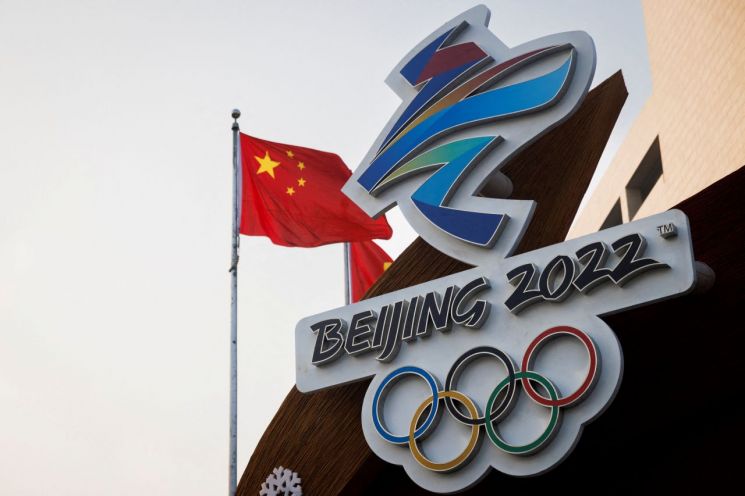
[Asia Economy Reporter Hyunwoo Lee] The Beijing Winter Olympics Organizing Committee has announced that it will not sell Olympic tickets to the general public due to concerns over the spread of COVID-19. Recently, Omicron variant cases have been detected in Beijing, prompting health authorities to raise emergency measures. Additionally, the Lunar New Year holiday and the Two Sessions (Lianghui - the National People's Congress and the Chinese People's Political Consultative Conference) are scheduled around the Olympics, increasing fears of virus spread.
On the 17th, the Beijing Winter Olympics Organizing Committee stated in a press release, "Due to the spread of COVID-19, tickets will not be sold to the general public, and tickets will be distributed only to specific groups." They emphasized, "Spectators receiving tickets must strictly adhere to COVID-19 prevention protocols before, during, and after the Olympic events." Details regarding the ticket distribution method and other specifics will be announced later.
This measure is understood to have been implemented following the detection of the first Omicron variant case in Beijing on the 15th and the subsequent strengthening of quarantine measures. The organizing committee had previously announced in September last year that the borders would be closed and the Olympics would be held without overseas spectators as part of COVID-19 prevention measures. Except for a small number of personnel mobilized under this ticket sales suspension, the Olympics will effectively be held without spectators.
Athletes participating in the Olympics will also be strictly separated from the general public in terms of movement. Athletes will arrive on special charter flights, and Olympic personnel, including athletes, will only be allowed to use designated facilities such as venues, accommodations, restaurants, and transportation until they complete their schedules and depart.
In particular, Chinese health authorities are concerned that the period of the Olympics, from February 4 to 20, coincides with the country's largest holiday, the Lunar New Year (January 31 to February 6), which could exacerbate the spread of COVID-19. Moreover, the Two Sessions, China's largest political event, are scheduled to begin in early March immediately after the Olympics conclude. Accordingly, from January 22 to the end of March, people entering Beijing from other regions for purposes other than commuting will be required to undergo an additional PCR test within 72 hours of arrival.
© The Asia Business Daily(www.asiae.co.kr). All rights reserved.
![User Who Sold Erroneously Deposited Bitcoins to Repay Debt and Fund Entertainment... What Did the Supreme Court Decide in 2021? [Legal Issue Check]](https://cwcontent.asiae.co.kr/asiaresize/183/2026020910431234020_1770601391.png)