Acquisition Tax Reduction Limit and Deadline for Compact Cars Expanded...Mandatory 100% Purchase Ratio of Zero-Emission Vehicles for Public Institutions
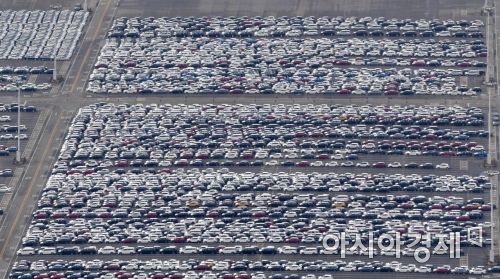
[Asia Economy Reporter Yu Je-hoon] The reduction in the individual consumption tax on automobiles, which was scheduled to end at the end of this year, will be extended for about six months until June next year. In addition, subsidies for electric vehicles, which have recently been driving up demand, will also be reduced.
According to the Korea Automobile Manufacturers Association (KAMA) on the 30th, the government will extend the 30% reduction in the individual consumption tax on automobiles for six months next year and also extend the tax reductions on eco-friendly vehicles, including individual consumption tax and acquisition tax.
The acquisition tax exemption for electric and hydrogen electric vehicles (up to 1.4 million KRW) will be extended for three years until the end of 2024, and the individual consumption tax and acquisition tax for hybrid vehicles (up to 1 million KRW and 400,000 KRW respectively) will also be extended until the end of next year.
For compact cars, the acquisition tax exemption limit and period will be expanded from 500,000 KRW to 750,000 KRW until the end of 2024, and the individual consumption tax refund on fuel for compact cars will also be extended for two years until the end of 2023, thereby strengthening tax support for compact cars.
In the automotive environmental sector, electric vehicle subsidies will be reduced from a maximum of 8 million KRW to a maximum of 7 million KRW next year, and the upper limit on the vehicle price eligible for subsidies will also be lowered. For example, the price ceiling for receiving the full subsidy will be reduced from 60 million KRW this year to 55 million KRW next year. Additionally, discounts on electric vehicle charging fees (basic rate 25%, usage fee 10%) will expire and be abolished in July next year.
Furthermore, to expand the supply of electric and hydrogen vehicles, the mandatory purchase ratio of zero-emission vehicles by public institutions will be increased from 80% to 100%, and purchase targets for zero-emission vehicles will also be imposed on large corporations and transportation operators. Also, after revision work in January next year, the obligation to build charging infrastructure is expected to be strengthened.
In the automotive safety sector, installation and operation standards for seat belt warning devices and pedestrian protection standards will be revised, and some rules related to strengthening automobile safety standards will be amended and newly implemented.
© The Asia Business Daily(www.asiae.co.kr). All rights reserved.

















