Emergency Material Support Budget for Elements and Rare Earths Increased by 100 Billion Won or More
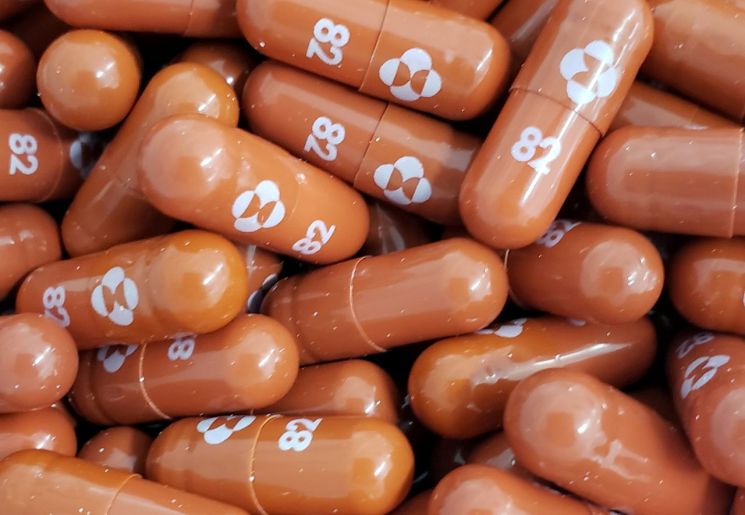
[Sejong=Asia Economy Reporter Moon Chaeseok] Next year's budget includes the purchase of 404,000 doses of oral COVID-19 treatments. The monthly childcare fee for children aged 3 to 5 under the Nuri program will be increased by 20,000 KRW. The budget for securing urgent materials such as urea and rare earth elements will also be expanded.
The National Assembly approved and finalized the 2022 budget containing these details at the plenary session on the 3rd. The total budget for next year is 607.7 trillion KRW, which is 3.3 trillion KRW more than the government's original proposal during the parliamentary review process.
To respond to the increase in COVID-19 cases and support the phased recovery of daily life, the budget for quarantine and medical care was increased by 1.4 trillion KRW compared to the government's plan.
They decided to purchase 404,000 doses of oral treatments and secure 14,000 hospital beds for severe patients, which is 4,000 more than the government's initial plan. The oral treatments will be separately purchased for 100,000 doses using this year's contingency funds and are planned to be introduced early within this year. The number of residential treatment centers for mild patients will be expanded to at least 86 locations next year. The budget for managing adverse reactions to COVID-19 vaccines, including medical expenses and death consolation payments for adverse reactions with insufficient causal evidence, was increased by 24.2 billion KRW to a total of 36.2 billion KRW.
The budget for supporting livelihoods such as children and farmers/fishermen was also increased by 1.4 trillion KRW. The monthly Nuri childcare fee (for daycare centers and kindergartens) for children aged 3 to 5 will be raised from 260,000 KRW to 280,000 KRW, and the institutional childcare fee for private daycare centers for children aged 0 to 2 will be increased from 3% to 8%. The number of households eligible for the child care service will be increased from 66,000 to 75,000.
In response to supply chain risk issues, the budget to support stable supply of vulnerable materials such as urea and rare earth elements was increased by 100 billion KRW compared to the government's plan. The government established a support system to urgently purchase urea and other materials and resell them to manufacturing companies, and created a budget to design storage warehouses for vulnerable materials. The stockpiling budget for four types of rare earth elements, which are key materials for semiconductors, was expanded to allow stockpiling for up to 180 days.
© The Asia Business Daily(www.asiae.co.kr). All rights reserved.

















