Ireland Makes First Purchase in 12 Years... Central Bank Purchases Increase by 39% in First Half of the Year
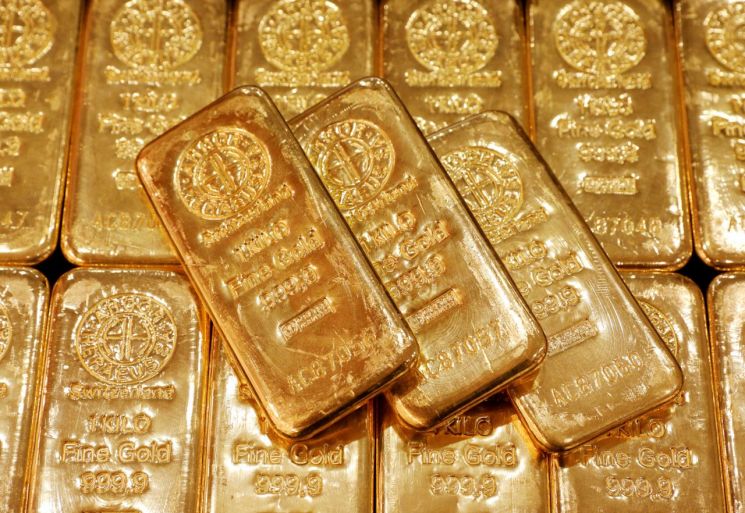
[Asia Economy Reporter Park Byung-hee] As global inflation risks increase, central banks around the world are increasing their gold reserves.
Bloomberg reported on the 1st (local time) that the Central Bank of Ireland purchased gold for the first time since 2009. The Central Bank of Ireland has bought 2 tons of gold in recent months. A spokesperson for the Central Bank of Ireland said that at this point, buying gold is an economically rational choice.
Singapore has also increased its gold reserves for the first time in about 20 years this year. According to a report from the Monetary Authority of Singapore (MAS) at the end of last month, Singapore’s central bank gold reserves were confirmed to be about 154 tons, an increase of 26.3 tons compared to the beginning of the year. This expansion of Singapore’s gold reserves is the first since 2000.
According to the World Gold Council (WGC), central banks purchased 333.2 tons of gold in the first half of this year. This is 39% more than the average purchase volume in the first half of the past five years. Thailand increased its reserves by 90.2 tons in the first half of this year alone, and Hungary (62 tons), Brazil (53.7 tons), India (29 tons), Uzbekistan (25.5 tons), Turkey (13.5 tons), and Colombia (5 tons) also significantly increased their holdings.
Although the global stock markets surged sharply this year, gold, a safe-haven asset, did not receive much attention. However, with the recent outlook for prolonged inflation and economic uncertainties due to the spread of the Omicron variant, gold is gaining attention again. On the 1st, COMEX gold futures prices closed at $1,781.31 per ounce, up 0.4% from the previous trading day.
The U.S. central bank, the Federal Reserve (Fed), in its Beige Book economic report released on the same day, diagnosed that broad-based price increases are occurring due to supply chain disruptions and labor shortages. Fed Chair Jerome Powell also said at the House Financial Services Committee hearing that it is uncertain whether the current high inflation will subside in the second half of next year.
The Organisation for Economic Co-operation and Development (OECD), in its economic outlook report released on the same day, stated that the high inflation phenomenon is expected to last longer and the upward trend will steepen, revising the U.S. average consumer price inflation forecast for next year from 3.1% to 4.4%.
© The Asia Business Daily(www.asiae.co.kr). All rights reserved.

















