[Seoul District News] Gangbuk-gu Establishes Comprehensive Snow Removal Measures to Prevent Winter Snowfall Disasters... Seongdong-gu Offers Winter Season 'Visiting Thawing Service' for Daily Life... Nowon-gu Supports Replacement of Old Apartment Pipes Supplying Clean Tap Water to Over 20,000 Households... Eunpyeong-gu Office Annex Opens... Dongdaemun-gu Provides 1:1 Resume Consulting and Mock Interviews Aligned with Employment and Startup Trends... Seongbuk-gu Holds Tax Lectures for Young Entrepreneurs... Geumcheon-gu Extends Application Deadline for Small Business Reboot Support Fund
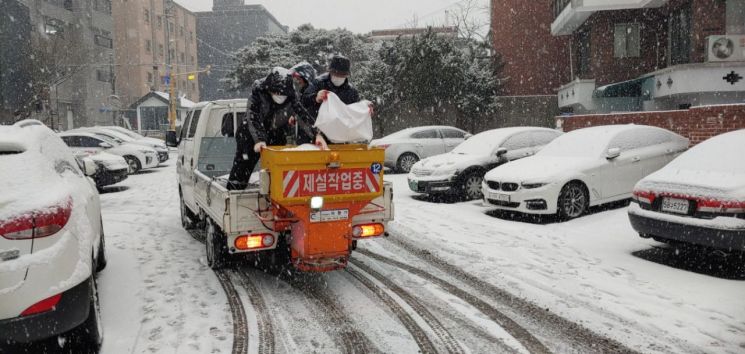
[Asia Economy Reporter Park Jong-il] Gangbuk-gu (District Mayor Park Gyeom-su) has prepared a comprehensive snow removal plan to prevent disasters caused by snowfall during the winter season.
The snow removal period for this winter season is until March 15 of next year. The snow removal sections include 33 main arterial and branch roads and 85 vulnerable sections of side roads with a width of 6 meters or more within the district.
The district plans to mobilize all snow removal materials, equipment, and personnel to carry out snow removal operations. Priority will be given to snow removal on mountain roads and vulnerable points. To this end, the district has secured a total of 2,039 tons of snow removal materials including calcium chloride, salt, and eco-friendly snow removal agents, and has completed preparations to prevent inconvenience in traffic due to heavy snowfall. Additionally, 148 units of 10 types of equipment including snow removal vehicles, excavators, and blowers have been maintained and inspected.
In particular, this year the district distributed small snow removal equipment to each neighborhood community center to strengthen initial snow removal capabilities on sidewalks and side roads. To reduce noise generated during nighttime snow removal, the snow spreaders were converted from engine-powered to electric-powered, improving performance. Mobile forward bases were also operated around key traffic points to ensure rapid snow removal.
A project to install road heating cables on mountain roads and vulnerable snow removal areas where road icing frequently occurs is also underway. Road heating cables have been installed on a total of 1.2 km across six routes, allowing residents to safely and confidently traverse steep slopes.
Park Gyeom-su, Mayor of Gangbuk-gu, said, "We will do our best to provide safe and comfortable road services during winter by thoroughly preparing in advance and actively responding to snow accumulation and icing on roads during heavy snowfall." He added, "We also ask residents to actively participate in clearing snow in front of their homes and stores to prevent slip-and-fall accidents during sudden snowfalls."
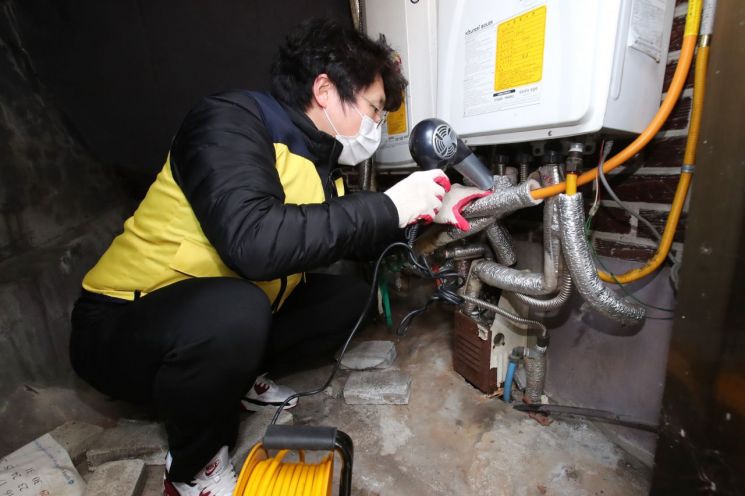 The emergency dispatch team of Seongdong-gu Urban Management Corporation is thawing a frozen water pipe.
Seongdong-gu (District Mayor Jeong Won-oh) is conducting a ‘Visiting Thawing Support Service’ (hereafter referred to as Thawing Service) for vulnerable households struggling with frozen water pipes due to the cold wave from this month until March next year.
The thawing service, which melts ice inside frozen water pipes, includes inspection of the water pipe condition and prompt initial measures for frozen pipes. If further inspection is needed, temporary measures are taken before connecting to specialized service providers.
If repair costs arise due to frozen meters or other equipment, support for repair expenses may be available through linkage with Seoul-type emergency welfare support.
The district has organized a mobile maintenance team consisting of four specialized technical personnel from the Seongdong-gu Urban Management Corporation. Since reports of frozen water pipes tend to surge simultaneously, causing prolonged inconvenience due to waiting times?especially for vulnerable groups?the district has established a system for immediate dispatch upon receiving reports of frozen pipes to prepare for cold wave vulnerable households.
The thawing service, which first started in January this year and supported 12 households affected by the cold wave in Seongdong-gu, will be actively operated again this winter to alleviate residents’ inconveniences in daily life.
Residents experiencing difficulties due to frozen water pipes who wish to receive the thawing service can apply by phone or visit their local neighborhood community center or the Seongdong-gu Urban Management Corporation.
Since 2018, Seongdong-gu has operated the ‘Chakchak Seongdong Living Civil Complaint Mobile Unit’ for vulnerable households such as persons with disabilities and elderly living alone, promptly resolving small inconveniences in daily life such as difficult light bulb replacement, washbasin and water pipe repairs, and installation of insulating air caps and curtains.
Last month, through the ‘Seongdong Living Close Day,’ the district provided various close-to-life services directly to residents, including knife sharpening, umbrella and bicycle repairs, handmade shoes, and clothing alterations, allowing residents to see and experience these services in one place.
Jeong Won-oh, Mayor of Seongdong-gu, said, “We will promptly resolve the inconveniences and difficulties in the daily lives of each resident through lifestyle-oriented services tailored to the season and situation.” He added, “We will continue to strive to prioritize what residents need from their perspective in administration.”
 District Mayor Oh Seung-rok of Nowon-gu (left) receiving a plaque of appreciation for supporting the replacement of old drainage pipes in Jugong Complex 1
Nowon-gu (District Mayor Oh Seung-rok) announced that it is accelerating the support project for ‘Replacing Old Apartment Pipes’ to supply clear tap water free from rust concerns.
This aims to reduce the financial burden on complexes struggling with pipe replacement costs and to guarantee residents’ health rights by providing clean tap water.
Among Seoul’s autonomous districts, Nowon-gu is the only one providing subsidies from district funds for pipe replacement in multi-family housing.
Since 2019, a total budget of 5.2 billion KRW has been invested, supporting 19 complexes and 21,758 households to date. This year alone, seven complexes including Wolgye Saseum 3 Complex, Junggye Cheonggu 3rd Complex, Junggye Jugong 2 Complex, Junggye Hyundai 2nd Complex, Nowon Hyundai, and Sangye Jugong 1st and 12th Complexes, totaling 7,839 households, have completed old pipe replacement, energizing the project.
The district increased the subsidy from a maximum of 100,000 KRW per household in 2019 to up to 300,000 KRW per household from 2020. Combined with Seoul city’s subsidy of up to 600,000 KRW, households receive a total of up to 900,000 KRW for replacement costs.
Despite low financial independence, the district focuses on old pipe replacement because clean tap water supply, a basic necessity of life, is not properly ensured.
The cause is old water pipes. Although Seoul’s tap water, Arisu, is internationally recognized for its quality, residents have to worry about rust due to aging pipes.
Most apartments in Nowon-gu were built 20 to 30 years ago. Recently, copper or stainless steel pipes resistant to rust are used, but older apartments often used zinc pipes or PVC materials prone to corrosion, causing ongoing rust issues.
In August 2018, the district reviewed drinking environment improvement plans for 253 multi-family housing complexes. The full survey of water pipe status confirmed that replacing common water supply pipes alone improved the drinking environment. The district decided to actively promote the pipe replacement support project and started support from the following year.
The district explained that replacing common water supply pipes not only secures a safe drinking environment in multi-family housing but also prevents water outages caused by pipe damage, and plans to continue support until 2022.
For application and more details, inquiries can be made to the Nowon-gu Office’s Multi-family Housing Support Division.
Oh Seung-rok, Mayor of Nowon-gu, said, “I am most pleased that the quality of life has improved by solving the rust water problem that residents have worried about for a long time.” He added, “We will continue to do our best to create a pleasant and safe residential environment.”
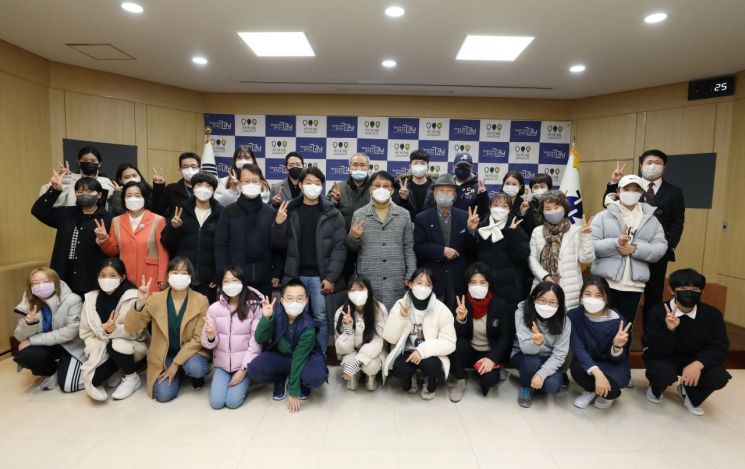
Gangnam-gu (District Mayor Jeong Soon-gyun) conducted training for honorary reporters of the Gangnam-gu newsletter ‘Gangnam Life’ in two sessions on November 28 and December 1 at the 3rd-floor conference room of Gangnam-gu Office.
With 38 and 17 participants respectively, achieving 100% attendance, Lee Ki-ho, Director of the Policy Promotion Office, lectured on ‘Article Writing Based on the Five Ws and One H,’ and Lee Jeong-sil, Officer, taught ‘Photography Techniques to Make Articles Stand Out.’
The ‘2022 Gangnam Life Honorary Reporters’ consist of 55 Gangnam-gu residents ranging from 4th-grade elementary students to 83 years old, expanding the eligibility compared to 28 reporters last year. They will be responsible for content in the print and webzine versions of Gangnam Life for two years starting February next year, serving as a bridge between residents and administration. One renewal is possible; terms for youth and university students are one year.
Honorary reporter Kwon Yong-ju (Daechi 1-dong, 22), who participated in the training, said, “It is an honor to continue representing Gangnam as an honorary reporter this year as well. I will deliver various district news happening throughout Gangnam.”
Jeong Soon-gyun, Mayor of Gangnam-gu, said, “Honorary reporters are a two-way communication channel enabling open administration.” He added, “We will move away from one-sided publicity and communicate more actively with residents through news created directly from the residents’ perspective.”
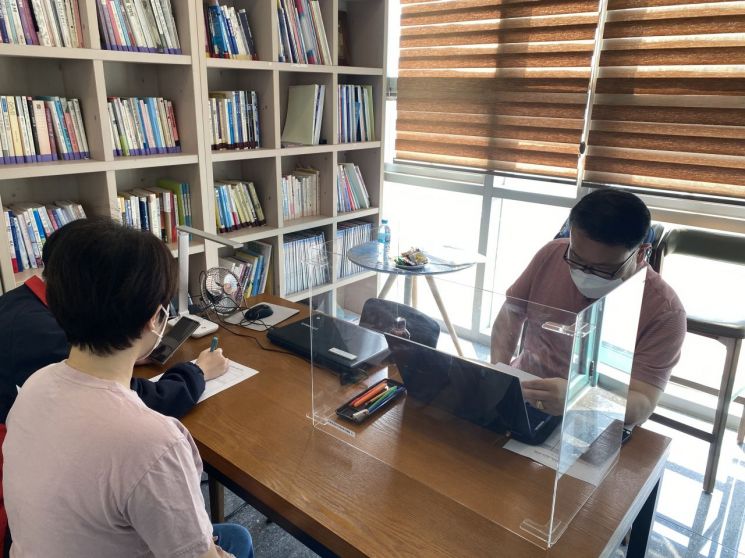
Gangdong-gu (District Mayor Lee Jeong-hoon) announced that it will operate the ‘2022 Academic Year Regular Admission Counseling Center’ from December 14 to 22.
This counseling center offers one-on-one customized consultations for local examinees and parents to support the establishment of regular admission strategies based on the results of the College Scholastic Ability Test (CSAT), the final hurdle in preparing for the 2022 academic year college entrance.
Applications for the 2022 Academic Year Regular Admission Counseling Center can be made through the Gangdong-gu Future Innovation Education Center website by December 12 on a first-come, first-served basis.
This year’s CSAT was the first integrated test for humanities and sciences, with increased perceived difficulty and many variables, making it difficult for examinees and parents to prepare for regular admissions with accurate direction.
Therefore, the district will provide one-on-one counseling with experienced current teachers and local education experts, Edu Education Counselors, fully supporting strategy establishment for university and major selection related to regular admissions.
The counseling center will operate for eight days from December 14 to 22, weekdays from 10 a.m. to 8 p.m., and Saturdays from 10 a.m. to 6 p.m. Both face-to-face and non-face-to-face consultations will be available, allowing applicants to choose, and operations will continue regardless of COVID-19 trends to minimize inconvenience.
Lee Jeong-hoon, Mayor of Gangdong-gu, said, “We will do our best to provide accurate admission information and support strategies to examinees and local students who have faced difficulties in their studies due to the prolonged COVID-19 pandemic, enabling comprehensive and practical college entrance preparation.”
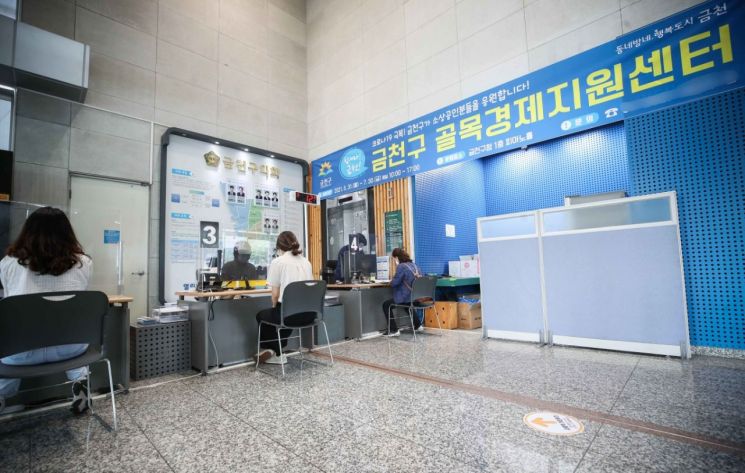
Geumcheon-gu (District Mayor Yoo Seong-hoon) announced that it is extending the application deadline for the Small Business Reboot Support Fund (Geumcheon-gu Cheer Up) from December 3 to December 20.
The Small Business Reboot Support Fund project reimburses expenses incurred by small business owners in Geumcheon-gu for purchases made within the district. Unlike most existing small business support funds used for rent or utility bills, this policy aims to stimulate cash flow in the market.
The target is businesses subject to gathering bans and business restrictions, with up to 500,000 KRW supported per business. Applicants must have expenses for food, supplies/consumables, or promotional materials such as leaflet production from September 27, 2021, for ‘small business owners within Geumcheon-gu’ to be eligible. Fixed costs such as labor costs are not supported.
Small business owners wishing to apply should visit the Alley Economy Support Center (1st floor of Geumcheon-gu Office) by December 20. Applicants must bring business registration certificates, small business confirmation documents, VAT filing data, expense proof documents, ID cards, and bankbook copies.
Yoo Seong-hoon, Mayor of Geumcheon-gu, said, “The project period has been extended to allow more small business owners to receive support.” He added, “We will continue to do our best to help small business owners who are going through difficult times due to COVID-19 to recover quickly.”
For more details, inquiries can be made to the Geumcheon-gu Alley Economy Support Center.
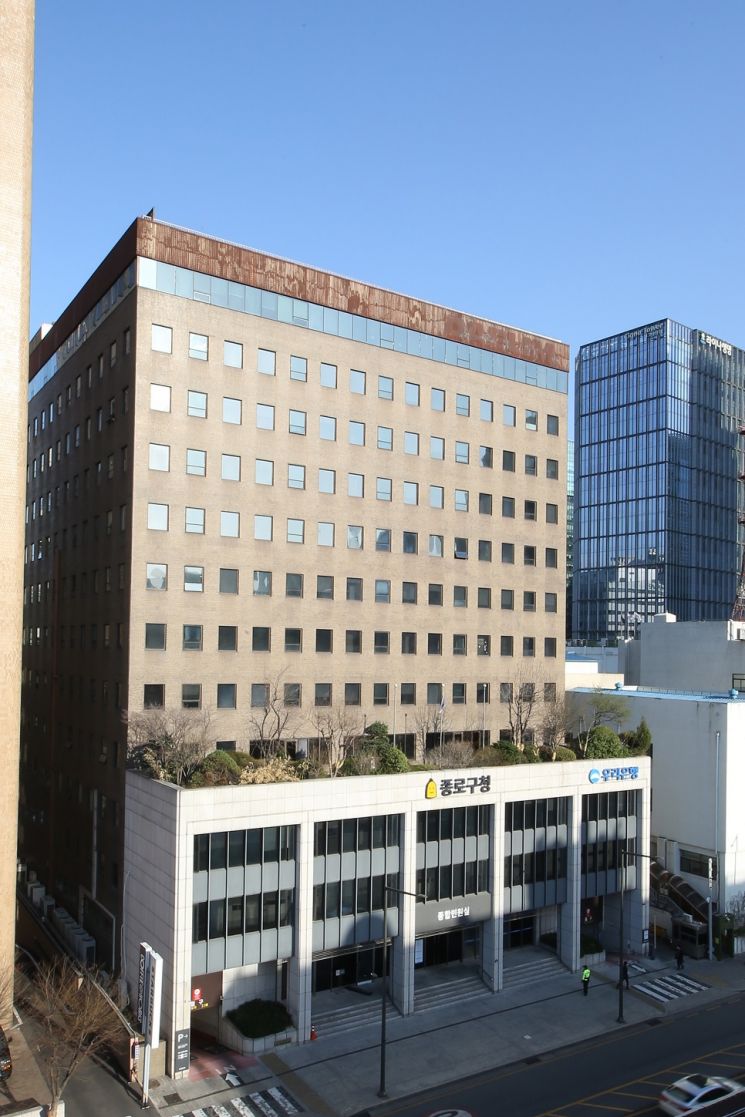
Jongno-gu is recruiting residents to participate in the ‘Jongno Happiness Policy Laboratory,’ which aims to increase happiness among neighbors and the local community, until December 9.
The ‘Jongno Happiness Policy Laboratory’ introduces the Happiness Impact Assessment System (draft) being developed by Jongno-gu this year and conducts related experiences and discussions. The district plans to listen to diverse opinions from residents to refine the evaluation method and discuss ways to publicize the new system.
The ‘Happiness Impact Assessment System’ reviewed in the laboratory is an evaluation system that examines the impact of policies or specific projects on residents’ happiness, providing useful information and criteria for rational policy decisions.
To this end, since the first half of this year, the district has been collaborating with the National Gross Happiness Policy Research Institute (Director Lee Ji-hoon) to develop the Happiness Impact Assessment System aiming to establish an institutional system that can realize residents’ happiness through policy.
The Jongno Happiness Policy Laboratory will be held on December 21 at 2 p.m. in the 12th-floor education hall of the district office building, featuring explanations on ▲ the path of Jongno-gu’s happiness policies since 2015 ▲ the concept and draft of the Happiness Impact Assessment System ▲ and discussions on the system. Opinions derived from the discussion will be carefully reviewed and incorporated into future happiness policies.
Any resident interested in neighbors’ and the community’s happiness can participate by applying through the district office website under General Civil Complaints.
For further inquiries, contact the Health City Division Happiness Dream Team at Jongno-gu Office.
A district official said, “We plan to pilot the evaluation system to establish an institutional framework that can realize residents’ happiness through policy.” He added, “We expect the concept of happiness to naturally take root throughout district administration once the Happiness Impact Assessment is implemented. The Happiness Policy Laboratory on the 21st is a meaningful opportunity to experience and refine the assessment, and we look forward to active participation from interested residents.”
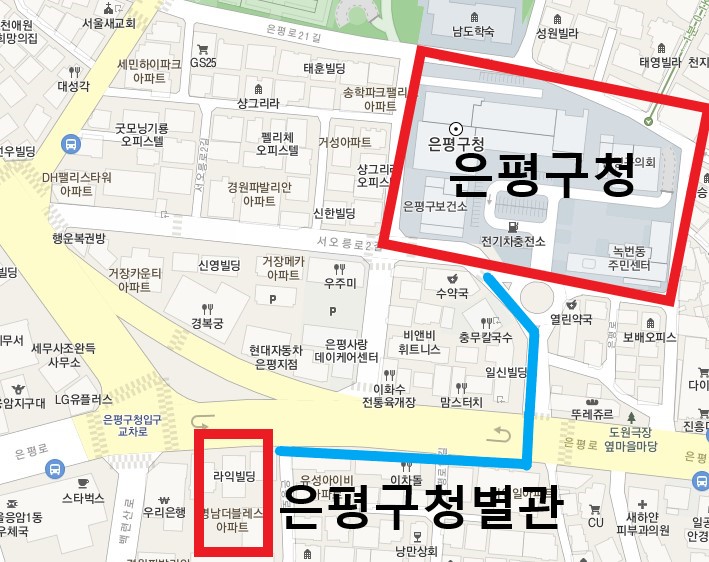
Eunpyeong-gu (District Mayor Kim Mi-kyung) announced that it will hold the opening ceremony for the Eunpyeong-gu Office Annex at 2 p.m. on the 7th. The annex, located in Eungam-dong (180 Eunpyeong-ro), completed interior remodeling at the end of November 2021, relocated office spaces over two days from December 4 to 5, and began operations on December 6. The opening ceremony will be held on a small scale to prevent COVID-19 infection.
The annex is a six-story building with a facility area of 1,353 square meters (410 pyeong). The 1st floor houses the Family Policy Division; the 2nd floor, the Childcare Support Division and Volunteer Team (Cooperation Officer); the 3rd floor, the Integrated Investigation Team (Welfare Policy Division), Integrated Management Team (Living Welfare Division), and Free Legal Welfare Counseling Room; the 4th floor, the Living Welfare Division; the 5th floor, the Epidemiological Investigation Team and Home Treatment Team (Health and Medical Division); and the 6th floor, the Epidemiological Investigation Team (Health and Medical Division). Approximately 200 employees will move to and work in the annex.
Since the 2009 remodeling, Eunpyeong-gu Office has faced a persistent shortage of office space due to increased personnel and changing administrative demands. Especially with the transition of the COVID-19 response system, increased health center staff, and the need to secure space for specialized personnel in the district council due to amendments in the Local Autonomy Act, office space shortages have become more severe.
An official from Eunpyeong-gu said, “The opening of the annex will partially resolve the office space shortage and provide a more pleasant office environment for visitors, leading to higher-quality administrative services.”
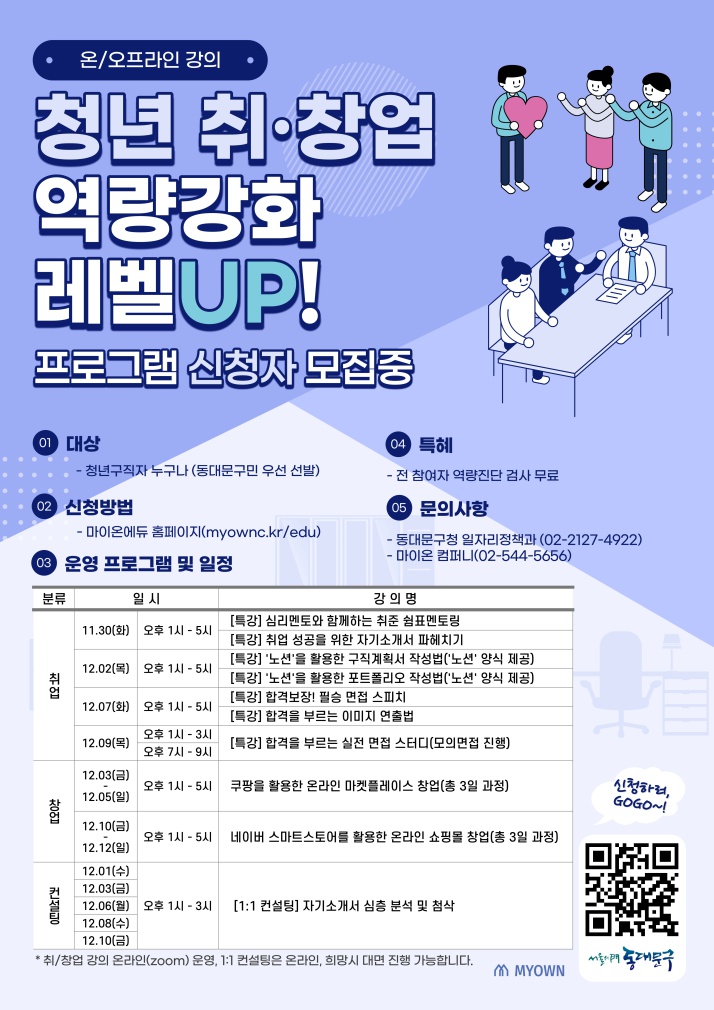
Dongdaemun-gu (District Mayor Yoo Deok-yeol) is operating the ‘Youth Employment and Start-up Capacity Enhancement Level UP’ program until December 12 to quickly respond to rapidly changing youth employment and start-up trends.
As competition for passing application documents intensifies, one-on-one self-introduction letter consulting is provided, along with practical training on writing job search plans and portfolios. After mock interviews, real-time feedback on participants’ posture and answers is given, enabling thorough preparation for actual interviews.
The program consists of a total of 24 sessions: 8 employment lectures, 6 start-up lectures, and 10 consulting sessions. All participants undergo AI competency diagnosis tests to analyze their tendencies and competencies based on personal experiences and behaviors, which will be used for employment preparation.
Notably, due to the prolonged COVID-19 pandemic and the increase in non-face-to-face e-commerce, the program offers customized training to upgrade start-up capabilities at all stages from basics to promotion using Coupang Online Marketplace and Naver Smart Store open markets.
Residents wishing to participate in the Youth Employment and Start-up Capacity Enhancement Level UP program can apply via the QR code posted on the Dongdaemun-gu Office website’s district news section and promotional posters. For inquiries, contact the Dongdaemun-gu Office Job Policy Division.
Yoo Deok-yeol, Mayor of Dongdaemun-gu, said, “I hope this employment and start-up capacity enhancement program will help young people going through difficult times due to COVID-19.” He added, “We will continue to discover and implement various capacity-building programs that provide practical help to youth.”
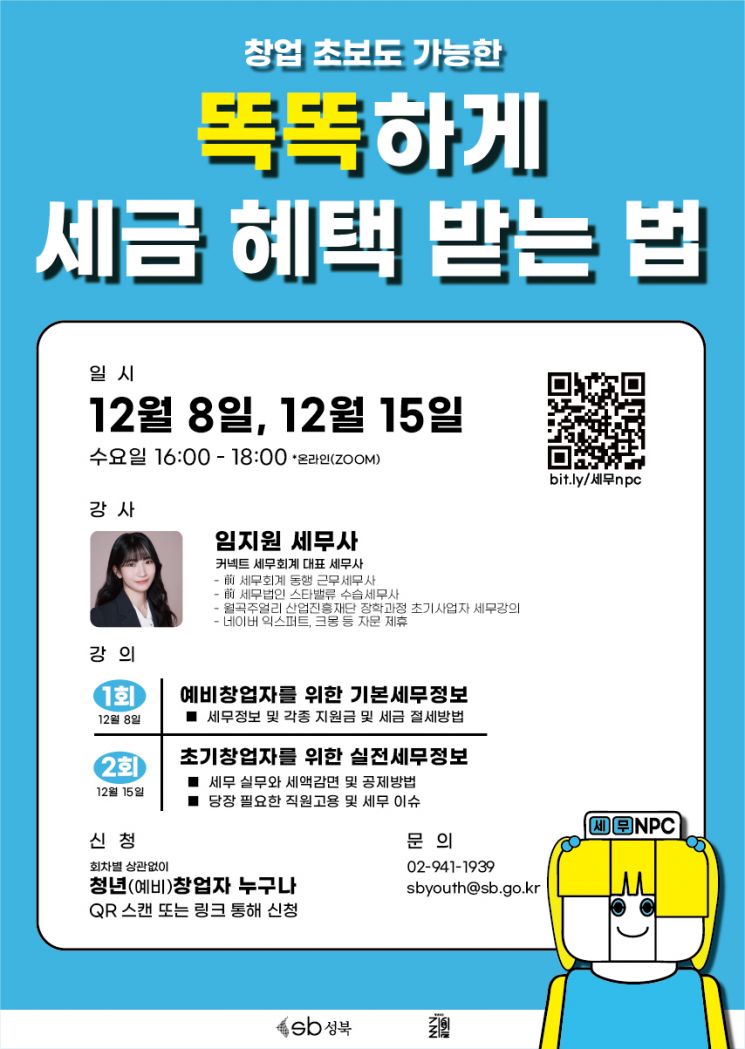
Seongbuk-gu (District Mayor Lee Seung-ro) will hold lectures titled ‘Tax NPC - How to Smartly Receive Tax Benefits Even for Startup Beginners’ for young entrepreneurs on the 8th and 15th. The lectures will be held online via Zoom at the youth space ‘Gili-eum’ located on Samyang-ro.
From September to November, a survey was conducted among youth who participated in the ‘Legal NPC’ program to identify the most needed lecture topics for startups. Following ‘legal’ topics, ‘tax’ was the second most requested area. Accordingly, the district prepared lectures for young prospective and early-stage entrepreneurs covering various support funds, employee hiring, and upcoming tax issues such as tax-exempt business status reporting and value-added tax.
The lectures will be conducted by Lim Ji-won, a certified tax accountant at Connect Tax Accounting. The first session, ‘Basic Tax Information for Prospective Entrepreneurs,’ and the second session, ‘Practical Tax Information for Early Entrepreneurs,’ will each be held from 4 p.m. to 6 p.m. for two hours. Applications and detailed information can be accessed via Google Forms or by scanning the QR code.
Lee Seung-ro, Mayor of Seongbuk-gu, said, “Tax matters, which everyone finds difficult during the startup process, can jeopardize the foundation of a carefully prepared startup if not properly prepared. I hope this education provides young people with more confidence in their startup journey.”
The youth space Gili-eum is a hub space operated by Seongbuk-gu in the Gireum Youth Startup Street. It plans to continue operating programs for young (prospective) entrepreneurs and provides rental services for young entrepreneurs, cultural artists, and local residents.
© The Asia Business Daily(www.asiae.co.kr). All rights reserved.



















