From National Core Strategic Industries to National Advanced Strategic Industries
Excluding Flexible Application of the 52-Hour Workweek System
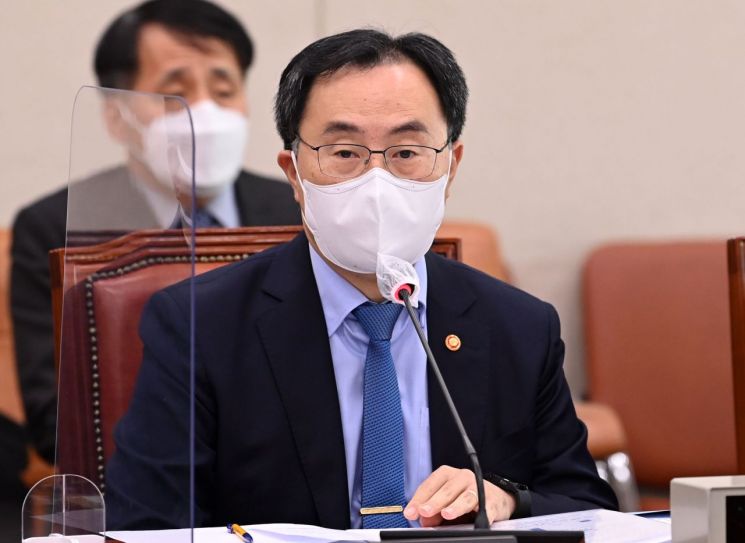
[Asia Economy Reporter Park Jun-yi] The Special Act on National Core Strategic Industries (formerly the Semiconductor Special Act) passed the subcommittee of the National Assembly's standing committee on the 1st through bipartisan agreement. This comes nine months after the Democratic Party of Korea launched the Semiconductor Technology Special Committee. However, with the Ministry of Economy and Finance still opposing, attention is focused on whether the bill can be processed in the plenary session within the year after going through the full standing committee meeting and the Legislation and Judiciary Committee review.
According to political circles, the National Assembly's Industry, Trade, Energy, Venture, and Small and Medium Enterprises Committee held a subcommittee meeting that day and passed the Special Act on National Core Strategic Industries as a committee alternative without any disagreement between the ruling and opposition parties. The core of this bill is to establish the National Core Strategic Industries Committee under the Prime Minister's Office and support investment, taxation, infrastructure, and manpower in advanced industrial sectors such as semiconductors, COVID-19 vaccines, and secondary batteries.
The approved alternative changed the industry name from "National Core Strategic Industries" to "National Advanced Strategic Industries," including semiconductors. Accordingly, the bill's name was changed to the "Special Measures Act on Strengthening and Protecting the Competitiveness of National Advanced Strategic Industries."
The alternative reflected provisions from the bills of Democratic Party leader Song Young-gil and People Power Party lawmaker Yoo Ui-dong. From Leader Song's bill, provisions such as establishing the National Advanced Strategic Industries Committee, exemption from preliminary feasibility studies, and mandatory prior approval for technology exports or M&A were included. From Lawmaker Yoo's bill, a provision to expedite approval for the use of chemical substances for semiconductor research was incorporated. Additionally, exceptions for chemical safety education, discovery and attraction of outstanding overseas talent, and visa (certificate) exceptions were included.
However, provisions related to easing university quotas in the Seoul metropolitan area and flexible application of the 52-hour workweek system, which the industry requested, were excluded. Under current law, universities in the metropolitan area are classified as "facilities causing population concentration," making it impossible to increase quotas. The flexible application of the 52-hour workweek was also excluded due to strong opposition from labor groups.
The Ministry of Economy and Finance expressed opposition to the core provisions of the special act. It is reported that during the subcommittee meeting, the ministry maintained its stance of not accepting three key provisions: mandatory selection of targets (semiconductors, COVID-19 vaccines, secondary batteries), mandatory expedited processing, and exemption from preliminary feasibility studies. The ministry also insisted on changing the phrase "support infrastructure" to a discretionary clause "may support" and deleting Article 3 of the supplementary provisions (which supports facilities currently under construction).
Originally, the Democratic Party announced at the launch of the Semiconductor Special Committee in April that it would propose the "Semiconductor Special Act" by July. However, after Leader Song Young-gil took office in May and replaced the committee chairperson while expanding the special act to cover "National Core Strategic Industries," the bill was only proposed at the end of October.
© The Asia Business Daily(www.asiae.co.kr). All rights reserved.

















