Causes of Age-Related Weight Gain and Perfect Management Methods
[Asia Economy Reporter Jin-kyung Lee] Do you find that despite having the same weight as when you were in your 20s or 30s and diligently managing your diet while increasing your exercise, you’re not losing weight but instead gaining fat here and there? This is due to ‘age-related fat’ caused by the ‘aging process.’ As we age, physical strength declines and muscle mass decreases. This leads to a reduction in basal metabolic rate, so even if you exercise the same amount and consume the same calories as when you were younger, fat sags and excess fat easily accumulates. Beyond external changes, age-related fat can be the cause of various adult diseases and other illnesses, so rather than neglecting it, it is important to be vigilant and maintain consistent management. No matter how slim you are, age-related fat appears in every nook and cranny?how can you manage it to maintain the figure you had in your youth? Let’s uncover all the misunderstandings and truths about age-related fat.
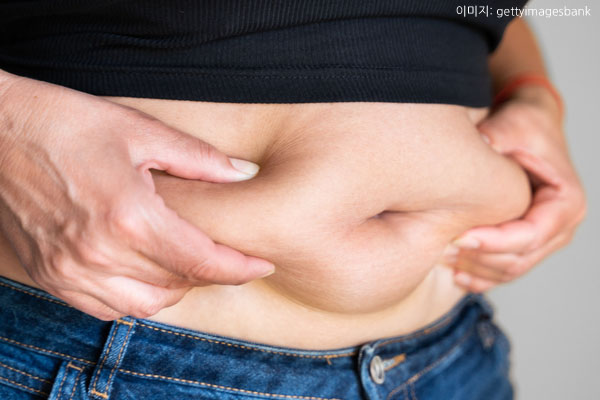
● How is age-related fat different from the fat gained in your 20s and 30s?
Age-related fat is a natural aging phenomenon caused by changes in hormones and basal metabolic rate. Medically, aging is generally considered to peak around ages 20 to 30, after which it gradually progresses. Fat gained when young is due to excessive fat accumulation caused by overeating and lack of movement, but age-related fat gained after your 30s is an aging phenomenon caused by cellular aging that reduces bodily functions, and can be viewed not simply as fat but as a disease.
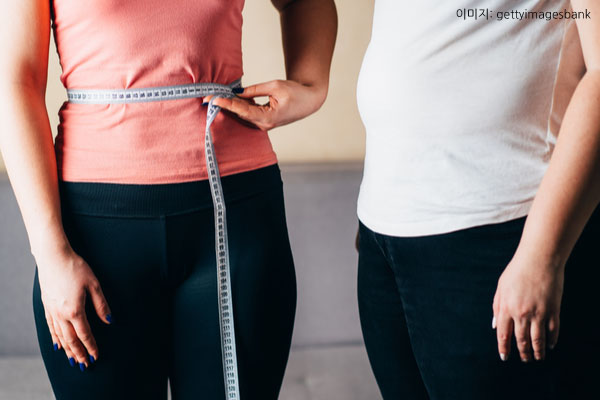
● Four main causes of increasing age-related fat
① Decrease in brown fat
Fat is divided into white fat and brown fat. White fat stores energy and is a cause of obesity and diabetes, whereas brown fat burns energy and helps maintain body temperature and a slim figure. As we age, the brown fat that plays an important role decreases, reducing the body’s ability to burn energy compared to when young. Even if you eat the same calories, you cannot burn them all, so they are stored as body fat, causing age-related fat.
② Gradual decrease in sex hormones
In women, the female hormone estrogen decreases with age, and in men, the male hormone testosterone decreases. When sex hormones decrease, body fat increases, leading to more excess fat and an abdominal obesity body shape.
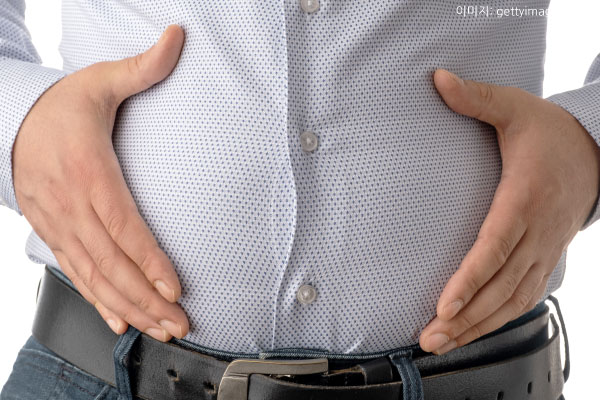
③ Decline in growth hormone secretion
Growth hormone plays an important role in breaking down fat and increasing muscle. As aging progresses, growth hormone secretion decreases. This results in fat being less effectively broken down and muscle mass decreasing, leading to a lowered metabolic rate and accumulation of age-related fat.
④ Unhealthy lifestyle habits and stress
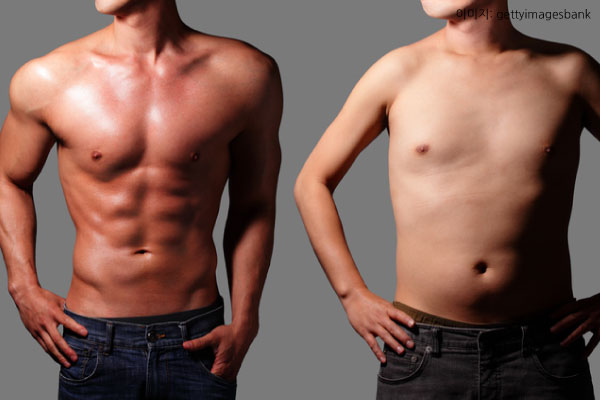
Due to busy work and daily life, sitting time increases while exercise and activity decrease. Additionally, excessive stress from work, consumption of high-calorie foods like snacks or fast food, frequent drinking and smoking?all these lifestyle habits contribute to the increase of age-related fat.

● Why is it dangerous to neglect age-related fat?
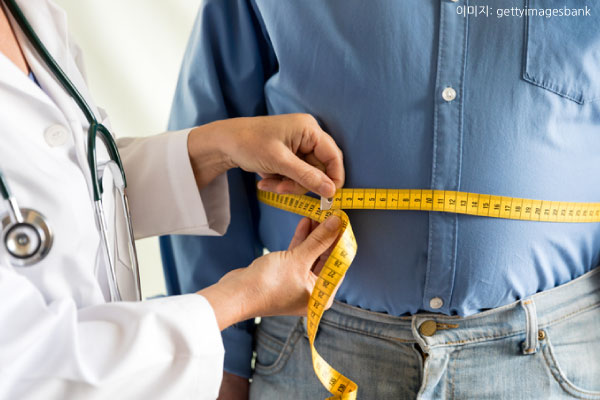
According to experts, the more you neglect age-related fat, the faster you age. Accumulated neglected age-related fat causes chronic inflammation in the body and can trigger various adult diseases, cancer, and dementia, so consistent management is important. Age-related fat stored as visceral fat consumes insulin, which regulates blood sugar and fat breakdown, causing high blood sugar and triglycerides in the blood, making the blood sticky. Ultimately, age-related fat ages blood vessels, accelerates cellular aging and systemic aging, and can be a major cause of health deterioration.
● Does age-related fat threaten spinal and joint health?
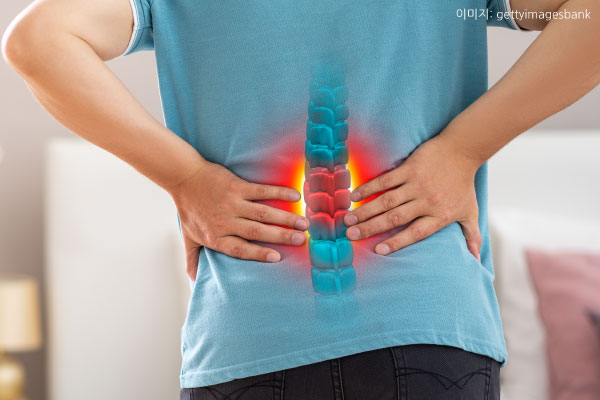
The more weight you gain, the greater the burden on your spine and joints, which can eventually lead to serious musculoskeletal diseases. Especially as you age, bones, ligaments, and joints weaken, so even if your weight is the same as when you were younger, the impact of weight is greater. Moreover, age-related fat is a cause of not only joint diseases but also adult diseases such as diabetes and hypertension, so continuous management is necessary for health.
● Are you worried about age-related fat? Are you in the ‘age-related fat risk group’?
* If you check 3 or more of the items below, you belong to the ‘age-related fat risk group.’
□ You drink less than 1 liter of water per day.
□ You get tired easily without any change in lifestyle, and fatigue does not go away even after sleeping.
□ You have severe snoring or insomnia.
□ You have developed an obsession with carbohydrates such as rice, bread, or noodles.
□ You walk less than 5,000 steps per day.
□ You feel very sleepy right after meals.
□ You have recently been told you look older.
□ You have one or more of hypertension, hyperlipidemia, diabetes, or fatty liver.
□ It hurts when you pinch areas with a lot of fat, like your belly or thighs.
□ Your parents have become overweight as they aged.
▶ Do you gain fat easily even if you eat the same amount as before?
As you age, muscle mass decreases, fat burning rate drops, and basal metabolic rate declines. Therefore, even if you eat less than when you were young, you gain fat easily. Basal metabolic rate decreases by about 3-5% every 10 years, and women in their 40s have about 60-100 kcal less basal metabolic rate than women in their 20s. So, if people in their 30s and 40s eat and move the same as in their 20s, about 80 kcal accumulates daily, resulting in 1 kg of body fat increase in 3 months.
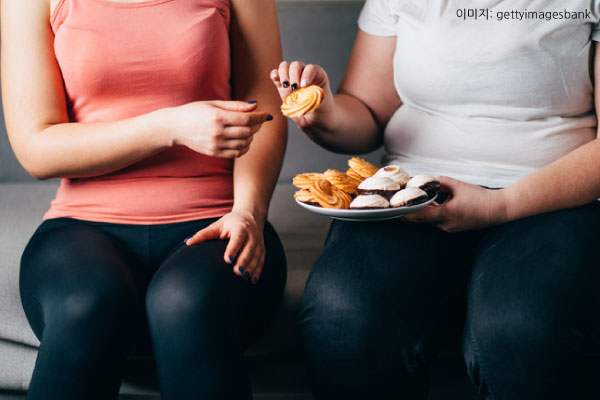
▶ Is avoiding exercise and having low muscle mass a risk factor?
It is highly likely. Exercise is closely related to age-related fat. People who do not exercise regularly and have low muscle mass tend to have a greater decrease in basal metabolic rate and often belong to the high-risk group for age-related fat. Especially in their 50s and 60s, joint health begins to weaken, making it difficult to suddenly start exercising. Therefore, it is good for health management to find and consistently maintain suitable strength training from your 30s and 40s.
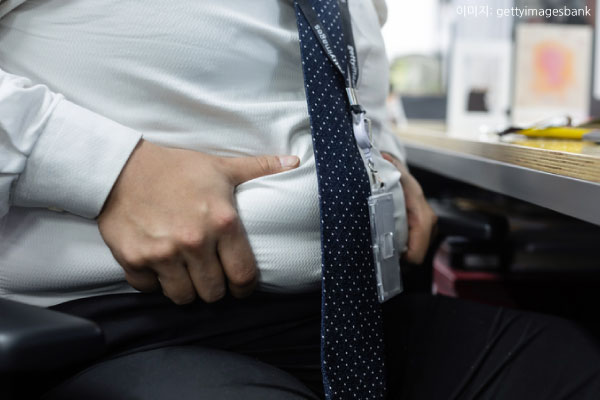
▶ Do women gain more age-related fat and find it harder to lose than men?
Women have more subcutaneous fat, so they appear to gain fat more easily than men externally. However, this is only an external appearance; there is no actual difference in fat gain by gender. But there is a difference in how easily fat is lost depending on the type of fat. Women have a higher proportion of subcutaneous fat, while men have a higher proportion of visceral fat, and visceral fat is easier to gain and lose than subcutaneous fat.

▶ Can building muscle in advance delay age-related fat?
It can have an effect. As you age, muscle mass and calorie consumption decrease together, but if muscle mass is increased or maintained through consistent exercise, the decline in basal metabolic rate may be absent or relatively small. Therefore, muscle mass and calorie consumption do not differ greatly from when young, which can delay the increase of age-related fat.
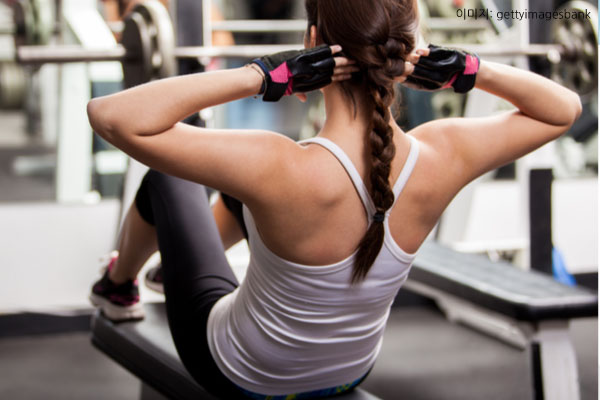
▶ Is the face relatively safe from age-related fat?
As you age, facial fat often decreases, which is due to sagging caused by aging that changes the location where fat is concentrated. Therefore, it is more important to manage sagging rather than fat on the face.

▶ Is it best to manage as early as possible?
Aging begins gradually from your 20s. Metabolism slows down significantly from your 30s, so even if you don’t gain much weight, it is good to manage age-related fat and abdominal obesity from age 30 for health reasons. Neglected age-related fat can cause metabolic syndrome. Metabolic syndrome is a condition where three or more of abdominal obesity, high blood sugar, high blood pressure, increased triglycerides, and decreased high-density cholesterol are present. If left untreated, it can lead to cardiovascular diseases, diabetes, and various complications, so caution is necessary.

▶ Even women who were slim when young develop a protruding belly?
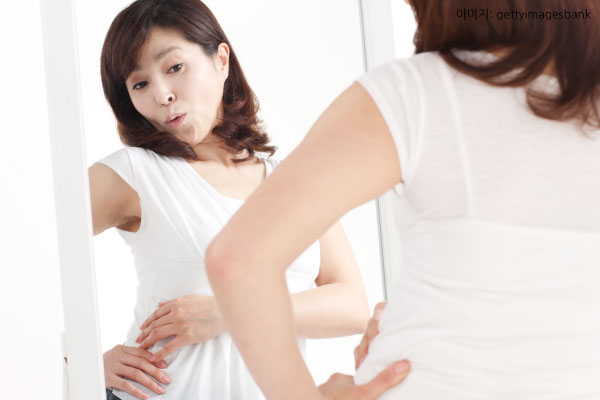
No matter how slim you were in your youth, as aging progresses, muscle mass in the limbs decreases and fat accumulates mainly in the abdomen, changing to a spider-shaped body type. Especially in women, fat-storing enzymes concentrate in the abdomen, and during pregnancy, abdominal fat forms to protect the fetus. Some of this fat accumulated during pregnancy does not easily disappear after childbirth, leading to abdominal obesity.

◆ Low-carbohydrate, high-protein diet and regular eating habits
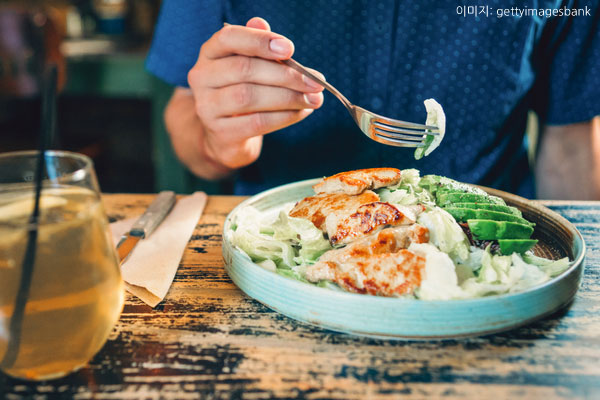
If you consume a lot of high-calorie, stimulating foods due to irregular meals and frequent drinking, you are likely to develop a spider-shaped thin obesity with a protruding belly after your 40s. It is very important to eat three meals regularly, increasing the proportion of protein foods such as tofu, eggs, and meat rather than carbohydrate-based foods like bread, rice cakes, and noodles, and to eat slightly less than when you were young.
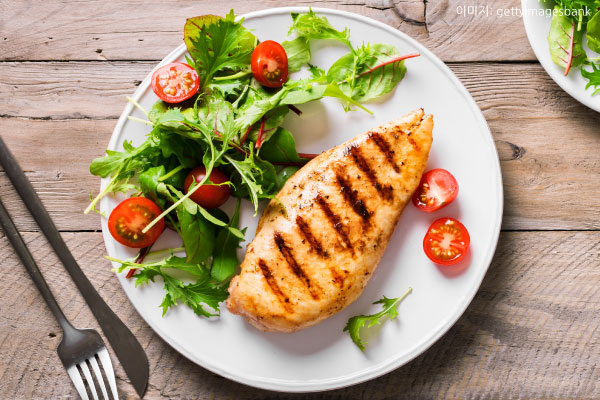
◆ Develop exercise habits that prevent age-related fat
To reduce the increase of age-related fat, it is important to pay more attention to health management than when you were young.
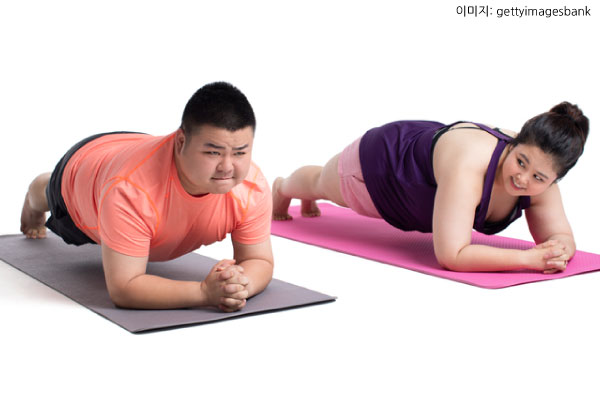
It is important to consistently combine strength training and aerobic exercise suitable for you 3-4 times a week for 30 minutes to 1 hour a day to increase metabolic rate. Quitting smoking and drinking is also essential, and managing stress and psychological health is important to prevent disruption of daily rhythms and blood circulation difficulties caused by stress.
▷ Good aerobic exercises for reducing age-related fat ? walking, gentle hiking, badminton, etc.
▷ Good anaerobic exercises for reducing age-related fat ? Pilates, push-ups, etc.
◆ Drink cool to stay young
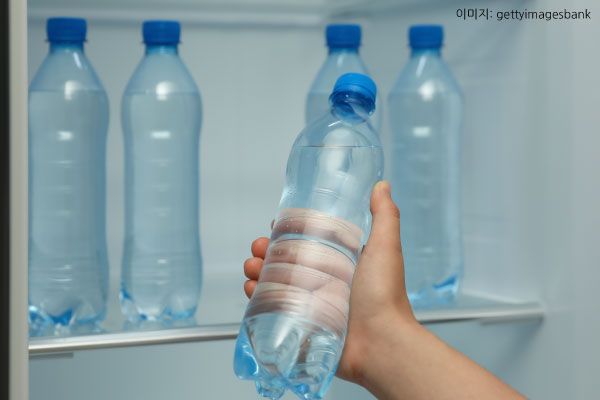
Hot drinks raise body temperature and evaporate skin moisture, accelerating aging. Therefore, drinking slightly cold water is good for slowing aging. When consuming cold drinks, the body stimulates the sympathetic nervous system to adjust temperature, burning fat. However, moderation is key! Drinking water that is too cold cools the stomach, reducing stomach function and causing water to pool without absorption, so it is important to find and drink moderately cool water.
◆ Dietary fiber and vitamin B intake help
It is important to supplement lacking nutrients through vegetables and fruits rich in dietary fiber. Dietary fiber helps maintain satiety, preventing overeating, and regulates the absorption speed of sugar after meals. Vitamin B group is involved in carbohydrate and fat metabolism in the body, helping fat burn well, so taking vitamin B supplements and exercising can enhance weight loss effects.

© The Asia Business Daily(www.asiae.co.kr). All rights reserved.
![Clutching a Stolen Dior Bag, Saying "I Hate Being Poor but Real"... The Grotesque Con of a "Human Knockoff" [Slate]](https://cwcontent.asiae.co.kr/asiaresize/183/2026021902243444107_1771435474.jpg)


















