[Seoul District News] Dobong-gu Establishes Standard Guide Integrating Comprehensive Smart City Projects into One Platform, Lays Foundation for Smooth Data Normalization, Analysis, and Utilization; Establishes and Introduces Data Linkage Standard Guidelines, Marking Korea's First Standardization of Data Integration and Distribution... Yangcheon-gu Opens Lifelong Learning Center and Smart Creative Talent Center... Jungnang-gu Hosts Startup Cafe 'Networking Day'... Seocho-gu Expands Korea's First 'Seocho Maternal and Newborn Health Care Worker Certification System'... Seongdong Shared Center Offers 82 Types of Camping Equipment and More
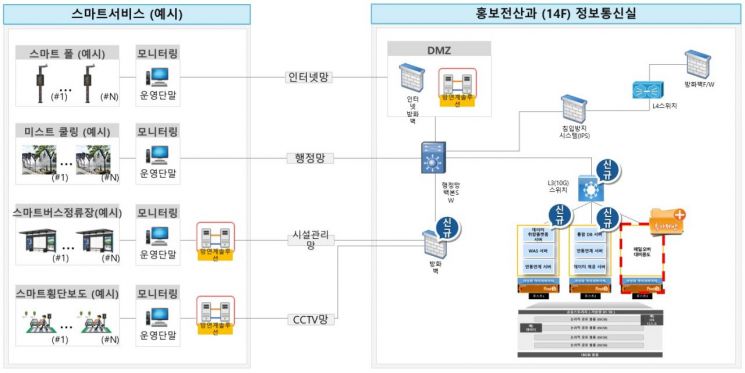
[Asia Economy Reporter Park Jong-il] Dobong-gu (Mayor Lee Dong-jin) has established the nation's first 'Big Data-Based Smart City Data Aggregation Platform' among local governments nationwide.
It aims to integrate ICT technology into administration to solve urban problems and lay the foundation for a smart city.
Dobong-gu, which has introduced advanced technology in areas closely related to daily life, has been creating a so-called 'smart city' by implementing technologies such as the ‘Smart Crosswalk’ to prevent smartphone zombies (smombies), ‘Shared Parking and Parking Lot Sensors’ to overcome parking difficulties, and ‘Safety Keeper’ to prevent solitary deaths.
Among these, the social safety net construction using CCTV footage from basic local governments led by the Ministry of Land, Infrastructure and Transport is a representative example of data-based administration utilization.
The 'Big Data-Based Smart City Data Aggregation Platform Construction' project can be seen as a foundational process that consolidates the widely expanding smart city projects into a single platform, establishes standard guidelines, normalizes data, and moves toward smooth data analysis and utilization stages.
Through these stages, each department can quickly and accurately receive the necessary information internally and externally through the integrated platform, even if the screens and management points are implemented with different equipment, sensors, and networks by task, and can monitor comprehensive service status.
In particular, by adopting a ‘non-activex technology platform’ and designing it flexibly to sufficiently link the network and field conditions, unlimited expansion and provision of data aggregation services are expected to be possible.
Accordingly, the district plans to first aggregate, integrate, and monitor data from this year's selected Living Lab projects: ▲Smart Crosswalk System ▲Compressed Smart Trash Bin Management and Operation System ▲Illegal Parking Management in Disabled Parking Zones ▲IoT-Based Indoor Air Quality Improvement and Monitoring with Artificial Intelligence ▲Electric Vehicle Charging Zone Illegal Parking Response Management Solution ▲Sensor Data Measuring Pedestrian and Movement Volume Along Riverbanks, and to launch full-scale expansion projects from next year.
Also, by standardizing and distributing linkage guidelines to connect all urban data through platform construction, the district is preparing institutional grounds through legislation.
A Dobong-gu official explained about this platform construction, “Local government project departments are conducting projects in various fields. However, the process of integrated control, analyzing accumulated data to suggest improvement directions, and creating a data ecosystem with residents is still in its early stages,” adding, “The introduction of the data aggregation platform is significant not only for linking and managing countless data but also for establishing and adopting standard guidelines for data linkage, presenting the first standardization of data linkage and distribution in Korea.”
Dobong-gu Mayor Lee Dong-jin stated, “Dobong-gu has a vision to establish a public data center that can produce and distribute not only urban data within the region but also MICE industry data in Changdong New Economic Center, laying the foundation for data management and production ecosystem.” Dobong-gu Public Relations and Computer Department Data Convergence Team
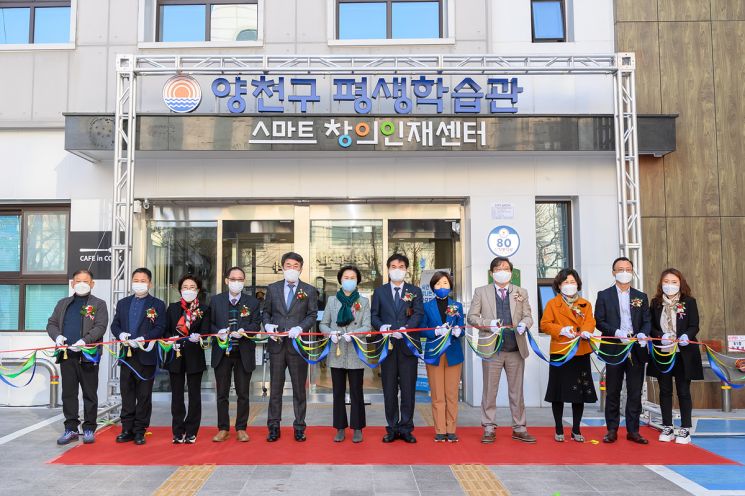
Yangcheon-gu (Mayor Kim Soo-young) held the opening ceremony of the Lifelong Learning Center and Smart Creative Talent Center (80 Sinjeongjungang-ro) on the afternoon of the 25th.
The Lifelong Learning Center and Smart Creative Talent Center were established to nurture future talents through digital education in the 4th Industrial Revolution era and support convergence-type lifelong learning linked to employment and entrepreneurship. The building of the Sinjeong Comprehensive Social Welfare Center was remodeled, and the Lifelong Learning Center, previously located in the annex of Yangcheon Cultural Center, was expanded and relocated.
The remodeling was completed at the end of October, with a total project cost of 3.978 billion KRW, creating a total area of 1,985㎡ from the basement first floor to the fifth floor. Located near Mokdong Station, it offers easy access from anywhere in Yangcheon-gu. Major facilities include a 4th Industrial Revolution education room, startup incubating space, smart media lounge, community zone, and music practice rooms.
The shared kitchen, barista room, and shared office on the basement first floor serve as professional education and incubating spaces for prospective food service entrepreneurs, expected to contribute to local job creation.
The digital safety experience center and smart media lounge on the first floor are variable media spaces equipped with the latest IT video technology, allowing visitors to experience immersive media and virtual reality.
The second and third floors provide digital education spaces equipped with advanced IT devices such as drawing tablets, AI, and 3D printers. These include ▲Digital Drawing Lab ▲Creative Studio ▲Drone Autonomous Flight Room ▲AI Experience Education Room ▲Smart Maker Lab ▲Digital Learning Room. The district plans to enhance residents' accessibility to information and communication technology (ICT) and provide lifelong education services optimized for rapidly changing learning paradigms.
The fourth and fifth floors are designed as shared cultural spaces to enhance residents' humanities literacy. Lifelong learning classrooms, open learning spaces, community rooms called Together Meeting Room, and Music Sound Lab (free practice rooms) are expected to become gathering places fostering communication and empathy among local residents.
Yangcheon-gu Mayor Kim Soo-young said, “I am pleased that with the opening of the Yangcheon-gu Lifelong Learning Center and Smart Creative Talent Center, residents can receive rich and substantial lifelong education content,” adding, “We will continue to do our best to enhance digital capabilities in preparation for the rapidly changing future society and raise the brand value of Yangcheon-gu as a lifelong learning city.”
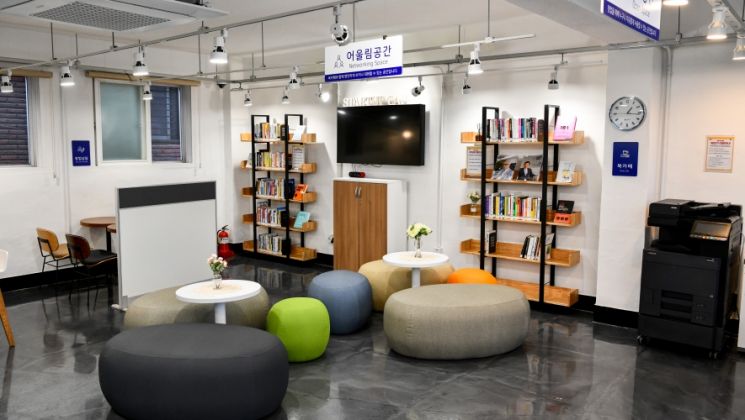
Jungnang-gu (Mayor Ryu Kyung-gi) will hold an online Networking Day on December 3rd to support the growth of early startup teams and promote entrepreneurship.
The Networking Day, held at the Seoul Startup Cafe Sangbong Branch, will provide opportunities to meet senior entrepreneurs and startup experts, helping participants anticipate and overcome various difficulties encountered during the startup process.
In Part 1, the Harmony Talk, senior entrepreneurs such as Lim Jae-hee, CEO of excellent startup company Tizen, Seo Hyun-dong, CEO of Business Lab Co., Ltd., and startup expert Park Sang-jo, director of Chungnam Industry-Academia Convergence Center, will share startup know-how and discuss challenges.
In Part 2, a startup competition will be held for prospective and early-stage entrepreneurs, where experts will evaluate business plans based on organizational capability, business feasibility, marketability, and growth potential, selecting outstanding prospective startup teams.
The Networking Day will be held online, allowing anyone interested in startups to participate. Interested individuals can visit the website via mobile, fill out the application form, and add the Seoul Startup Cafe Sangbong Branch KakaoTalk channel to receive the online address on the day of the event.
Jungnang-gu Mayor Ryu Kyung-gi said, “The Startup Cafe Sangbong Branch provides startup information and various support programs to residents wishing to start a business,” adding, “I hope those interested in startups can gain valuable information from senior entrepreneurs and experts through this Networking Day.”
Opened last year, the Seoul Startup Cafe Sangbong Branch is the only startup cafe in the northeastern area, offering the latest startup information, space rental services for startup meetings, mentoring, and a photo studio for product shooting.
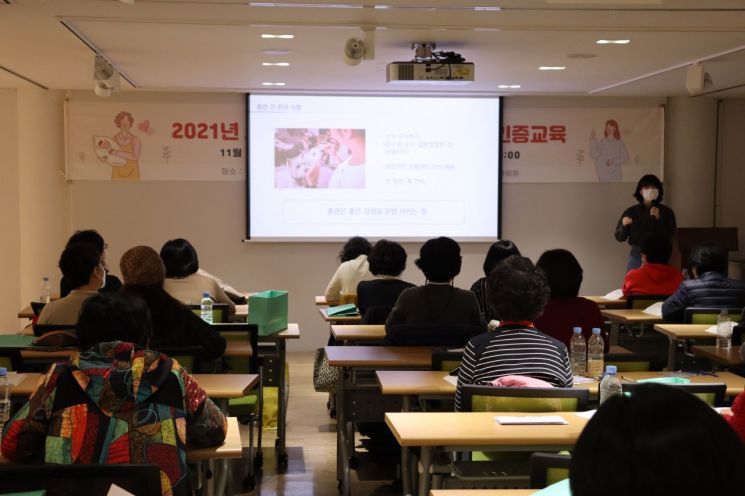
Seocho-gu (Acting Mayor Cheon Jeong-wook, Deputy Mayor) will expand the operation of the ‘Seocho-gu Certified Postpartum Caregiver Program,’ the first of its kind nationwide, to improve the service level of postpartum mother and newborn health management projects.
The ‘Seocho-gu Certified Postpartum Caregiver Program’ is a service where certified caregivers who have completed competency-enhancement certification training visit postpartum families to check the health of mothers and newborns, provide information on hygiene, nutrition, postpartum recovery, assist with household chores, and offer emotional support. It was first implemented in Seocho-gu nationwide in November last year.
This year, the number of trainees has been doubled to 60 compared to last year. The training targets are caregivers recommended by the heads of postpartum care service providers in the region.
The training is conducted over four Saturdays from the 13th of this month to the 3rd of next month, totaling 30 hours.
The district selected instructors with expertise and experience in each field to enhance professionalism. Notably, the program includes specialized content such as understanding and preventing postpartum depression by a psychiatrist and newborn care in households with pets by a pet specialist.
The training takes place in the seminar room of the Yun Bong-gil Memorial Hall in Yangjae Citizen's Forest. Certificates are issued to those with 100% attendance and a score of 60 or higher on the evaluation test. Graduates receive a certain amount of activity fees each time they provide services.
According to a satisfaction survey conducted on 751 users who applied for a 90% refund of their out-of-pocket expenses after receiving postpartum caregiver services through the Seocho Healthy Parents e-um platform in the first half of the year, the satisfaction rate for services provided by ‘Seocho Certified Caregivers’ reached 93.8%, 2% higher than that for general caregivers.
The survey evaluated five detailed items: knowledge of duties, proficiency, attitude, communication, and overall satisfaction. Satisfaction was higher for certified caregivers in all items except proficiency.
On the 23rd of last month, the district also conducted refresher training for 25 caregivers who graduated from the 2020 certification program. The training was a 4-hour non-face-to-face real-time video session via the ZOOM platform, covering professional ethics and communication for caregivers. Participants shared experiences on problem-solving and communication methods for various postpartum cases and discussed ways to improve services.
Kim Hye-jung, Director of the Health Management Division, said, “We plan to produce and distribute a standard service manual book to service providers in the region,” adding, “We will continue to conduct satisfaction surveys and monitoring for postpartum caregiver service users to make Seocho a better place to give birth and raise children.”
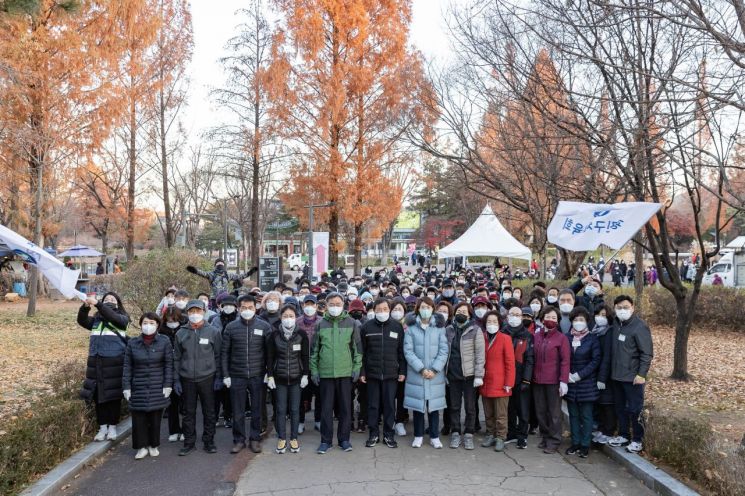
Gwangjin-gu (Mayor Kim Sun-gap) held the ‘2021 Gwangjin-gu Citizens’ Autumn (Maple) Road Walking Contest’ at Children’s Grand Park on the 26th, marking the end of autumn.
The walking contest was held non-face-to-face from the 22nd to the 25th, and on the 26th, it was conducted face-to-face with fewer than 500 participants in accordance with social distancing guidelines.
For safer event operation, only residents who completed the second dose of vaccination or submitted a negative PCR test result within 48 hours were allowed to participate face-to-face.
The walking contest started at 7 a.m. on the 26th with warm-up exercises led by a gymnastics instructor at the open stage of Children’s Grand Park and continued until 9 a.m.
The walking course was about 2.5 km, starting from the open stage of Children’s Grand Park, passing through Guui Gate and the amusement park, and returning to the open stage, taking approximately 35 minutes.
Participants An Eun-ja and An Eun-joo, sisters from Guui 1-dong, said, “There haven’t been events recently due to COVID-19, so it’s enjoyable to have a walking contest again, bringing vitality to our lives,” adding, “We used to walk in the park every morning just the two of us, but today it feels livelier with many people together.”
All participants received small souvenirs, and prizes such as bicycles and heaters were given through a raffle.
The non-face-to-face walking contest was held for four days from November 22 to 25. Participants scanned QR codes on banners placed in three walking course locations (main gate, Guui Gate, back gate) inside Children’s Grand Park, entered personal information, and submitted certification photos to be recognized as participants. Among them, 200 people were selected by lottery to receive a 20,000 KRW mobile convenience store gift certificate.
Gwangjin-gu Mayor Kim Sun-gap said, “I sincerely thank the residents who have endured inconveniences and difficult times, and we supported the walking event to provide vitality as we enter the phased recovery period,” adding, “I hope this walking event will be a time to feel the last autumn atmosphere of the year and regain peace of mind.”
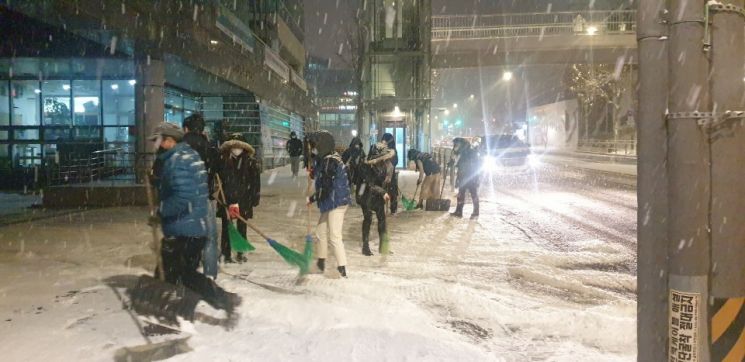
Jongno-gu will operate a ‘Snow Removal Countermeasures Headquarters Situation Room’ 24 hours a day for four months from the 15th of this month to March 15th next year to promote rapid snow removal during winter and improve residents’ convenience.
This year’s snow removal countermeasures focus on minimizing residents’ inconvenience by establishing a ‘Living-Close Eco-Friendly Smart Snow Removal System.’
Accordingly, 239 related equipment units, including 11 types of multi-purpose snow removal vehicles, have been deployed, and preparations have been completed to quickly introduce dump trucks and excavators in case of heavy snowfall.
Also, using Internet of Things (IoT) technology, sensors were attached to snow removal boxes, and 80 ‘Smart Snow Removal Boxes’ were installed in the district, allowing real-time monitoring and management of the box location, remaining snow removal agent, and lid status via smartphones and the internet.
Notably, to reduce environmental pollution, the district decided to introduce salt and eco-friendly snow removal agents instead of the existing calcium chloride. The eco-friendly agents are packaged in small units (5kg) for convenience, allowing easy use by the elderly in emergencies.
To respond promptly during snow removal, the number of ‘Remote Automatic Liquid Sprayers’ operable via smartphone apps has been expanded from 14 to 59 units, mainly deployed in snow removal vulnerable areas, ensuring thorough preparation.
Furthermore, to overcome the geographical limitations of Jongno, which is located in the city center and lacks snow removal bases compared to other areas, three ‘Mobile Snow Removal Forward Bases’ have been installed in different zones. This is expected to shorten the travel distance and time of snow removal vehicles, enabling efficient snow removal operations.
The district also supports local village bus companies by providing snow removal equipment and agents, allowing them to autonomously conduct snow removal on their routes. This helps prevent service interruptions and minimizes inconvenience to passengers, while enabling the district to focus resources on other vulnerable areas, improving operational efficiency.
Additionally, the district plans to produce and distribute snow removal promotional animations to help establish a ‘Shovel Snow in Front of Your House’ culture. It will also visit schools to provide snow removal education and distribute related character merchandise, contributing to community awareness restoration.
An official from the district emphasized, “We have completed preparations to enable rapid snow removal throughout the district to protect residents’ safety and prevent traffic chaos during commuting. However, snow removal requires a large number of personnel and equipment in a short time, which is difficult to manage solely by administrative power,” adding, “We ask for residents’ interest and cooperation to establish a culture of ‘Shovel Snow in Front of Your House.’”
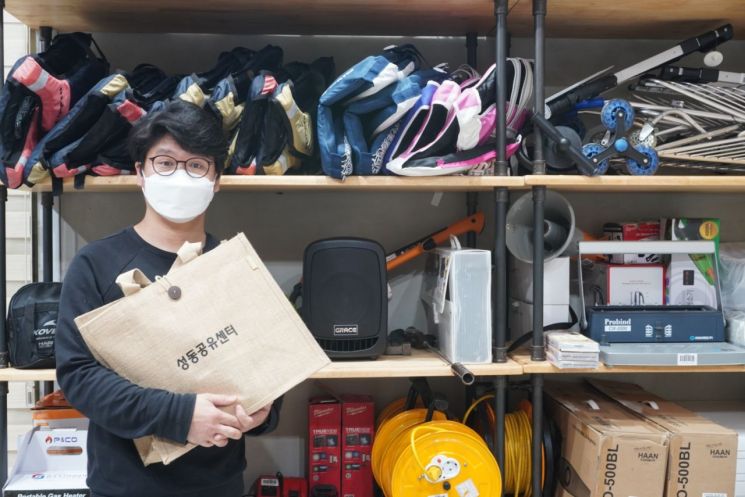
Seongdong-gu (Mayor Jung Won-oh) is renovating the Seongdong Sharing Center by adding 202 rental items across 82 categories, including camping gear.
The newly added items include 21 tools in 13 categories, 159 camping items in 58 categories, and 22 daily necessities in 11 categories. After a full inventory check in June, the Seongdong Sharing Center is sequentially adding new items such as tents, tarps, and chairs, which showed high demand in the ‘2021 Item Sharing Service Satisfaction Survey’ (September 2021).
Now in its fourth year since opening, the Seongdong Sharing Center is a communication space where residents share items, spaces, and talents. It offers items needed in daily life but infrequently used, such as tools, camping gear, daily necessities, and media equipment, for a nominal fee starting at 250 KRW per overnight use. From last year to September this year, a total of 4,566 item sharings have been made, receiving high user satisfaction.
Items that have been shared at least once are managed safely through ultraviolet sterilization and mist disinfection. The center also provides convenient services such as hub-based item delivery near users and distribution of EM fermented liquid.
With a total of 575 shared items, the Seongdong Sharing Center is available to all Seongdong-gu residents, including general residents, through membership registration on the center’s website. Inquiries can be made via KakaoTalk Plus ‘Seongdong Sharing Center’ or the center’s phone line.
Seongdong-gu Mayor Jung Won-oh said, “I hope many people use the Seongdong Sharing Center, which contributes to the community’s environment and resource circulation, and that it becomes an opportunity to directly practice the growing value of sharing.”
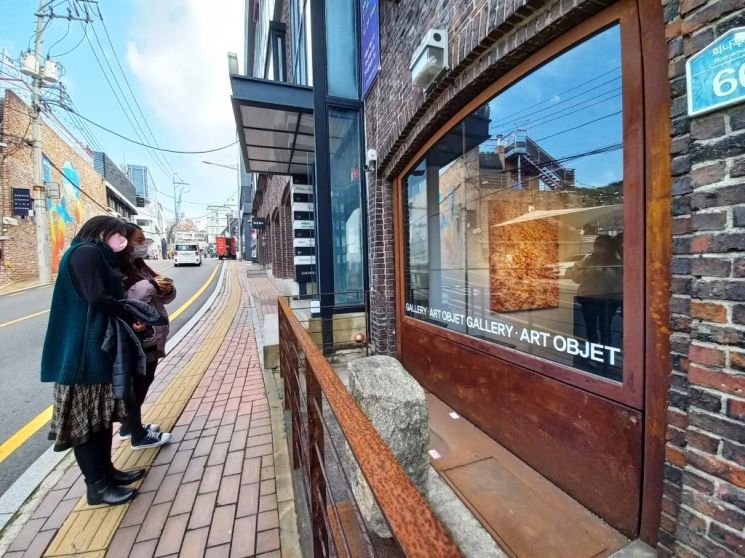
Yongsan-gu (Mayor Sung Chang-hyun) will hold the Gyeongridan-gil Art & Design Fair from November 29 to December 5 for one week.
The event aims to revitalize the local economy, which has been depressed due to COVID-19, and restore the original reputation of ‘Ridan-gil.’
Main events include ▲Art & Design Fair Special Exhibition ▲Pet and Plant Special Exhibition ▲New Artist Contest. Forty shops including cafes, restaurants, galleries, photo studios, flower shops, and pet shops in the Gyeongridan-gil (Hoenamu-ro) area will participate.
The special exhibition will be held at 6 Noksapyeong-daero 46ga-gil, Yongsan-gu. Utilizing vacant shops, works by artists such as Jakob Francisco and Sascha Pohle will be displayed. The exhibition theme is ‘Exploration of Objects in Daily Life and the Materiality of Art.’ Related performance art will also be conducted.
The pet and plant special exhibition will collaborate with local businesses such as Illi Illi (1,2 1,2) and Rama Rama. It will showcase photos of dogs dressed in costumes from around the world and various companion plants. The event reinterprets the identity of Gyeongridan-gil, a blend of global cultures, with the word ‘Companion: a partner.’
The New Artist Contest, hosted by Inter Art Channel, is in its second year since 2019. It introduces works by five artists including Kim Ja-hye, Park Min-sun, Park Yoon-jin, Yoo Jae-i, and Lee O-sol, under the themes of ‘Symbiosis’ and ‘Relationship.’ The exhibition venue is Cafe Graddhyllan (60-1 Hoenamu-ro), located midway along Gyeongridan-gil.
Additionally, galleries and art halls in the Gyeongridan-gil area offer exhibitions such as ▲Hwang Hye-jung’s solo exhibition ‘WHITE SHOW’ (Karas Gallery) and ▲Ha Yeon-su’s solo exhibition ‘Embodied Landscape’ (Bohemian Gallery).
A stamp tour is also available. Visitors who collect stamps after viewing the special and contest exhibitions can receive a cup of coffee at Standing Coffee. Posting photos at Darling Flower and Rama Rama with hashtags #ShopName and #GyeongridanGilArtAndDesignFair on Instagram will earn a beautiful flower.
The opening ceremony will be held at 4 p.m. on November 29 at the open space in front of Itaewon Jeil Market, attended by about 50 people including Mayor Sung Chang-hyun, local residents, and participating artists. The 30-minute event includes guest introductions, congratulatory performances, progress reports, speeches, and commemorative photos.
The day before the opening, art walls will be created at two locations including Itaewon Jeil Market. This ‘live painting’ format involves drawing on-site and communicating with citizens, featuring two multimedia artists.
Yongsan-gu Mayor Sung Chang-hyun said, “Since the beginning of this year, we have been working to create Gyeongridan-gil with art through the Artterior project,” adding, “We ask for the interest and participation of many citizens in the Art & Design Fair.”
From February to April, the district conducted the Artterior project in 40 shops along Gyeongridan-gil. Artterior is a combination of Art and Interior, a design improvement project reflecting the needs of small business owners.
Last year, the district also renovated old sidewalks and installed photo zones along the entire 900m stretch of Hoenamu-ro as part of the ‘Gyeongridan-gil Revitalization Project’ to make it a place people want to revisit.

Songpa-gu (Mayor Park Sung-soo) will hold the ‘8th Hanseong Baekje Marathon’ at 9 a.m. on the 27th at the Peace Gate Plaza in Olympic Park.
Songpa-gu has held the Hanseong Baekje Marathon annually to ensure the successful hosting of the district’s representative festival, the ‘Hanseong Baekje Cultural Festival.’ After a two-year hiatus due to COVID-19, this event is held to wish for residents’ healthy return to daily life and to promote community sports in line with the recent phased recovery. The event is hosted by the Songpa-gu Sports Council, organized by the Songpa-gu Athletics Federation, and sponsored by Songpa-gu.
Previously, from November 3 to 26, a non-face-to-face marathon was held using a dedicated smartphone app, where participants ran individually around the Songpa Trail area. On the 27th, a face-to-face marathon will be held for the first time in a while to bring new vitality.
The marathon has two courses: 10 km and 5 km. Both courses start at the Peace Gate Plaza in Olympic Park. The 10 km course turns around at the Hangang Helicopter Pad near Jamsil Sports Complex and returns to the starting point. The 5 km course loops around Jamsil Naru Entrance and returns to the Peace Gate Plaza. To prevent safety accidents such as collisions, participants in the 10 km course will start first.
The district plans to operate the event in compliance with quarantine rules such as QR code verification and temperature checks to ensure residents can safely enjoy the marathon.
Trophies will be awarded to the top three finishers in male and female categories and those with excellent records. Additionally, all participants will receive 1 kg of newly harvested rice donated by Songpa Nonghyup. Various pre-event activities such as performances by the Songpa Aerobics Association and stretching exercises will also be available.
Songpa-gu Mayor Park Sung-soo said, “The 8th Hanseong Baekje Marathon will be an opportunity to feel the energy of harmony and togetherness,” adding, “I hope residents enjoy the marathon and heal at the end of autumn. We will continue to do our best to help residents recover their health.”
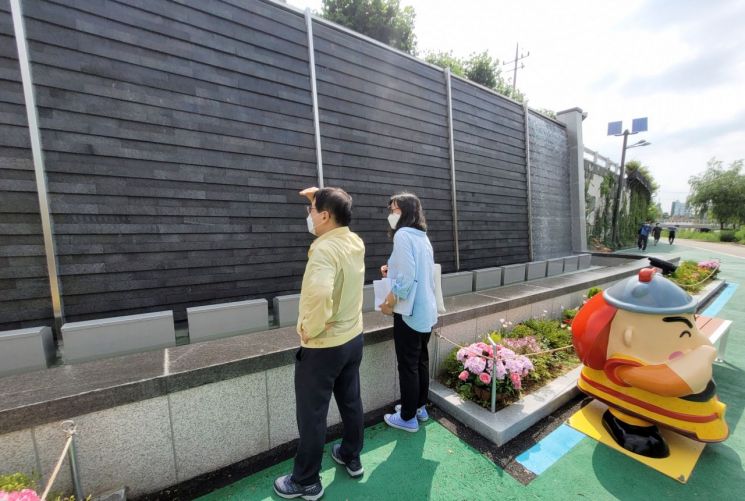
Gwanak-gu (Mayor Park Jun-hee) is focusing on enhancing resident satisfaction in areas directly related to their lives, such as public facility quarantine management, child protection, bicycle use and public parking facility management, snow removal safety, and disaster countermeasures.
Through proactive, field-centered planning and special patrols addressing inconveniences and hazards in daily life, the district is creating a pleasant and safe environment to prevent complaints.
This year, considering seasonal and sectoral vulnerabilities and efficiency, the district selected seven areas for planned patrols: public facility quarantine status, harmful factors in child protection zones, illegal cameras and hygiene in public restrooms, bicycle facilities, snow removal countermeasures, and more, conducting active and focused management.
First, to prevent the spread of COVID-19, the district inspected quarantine status at public facilities frequently visited by residents in February. In March, marking one year since the enforcement of the ‘Min-sik Act,’ planned patrols were conducted in child protection zones to create a safe commuting environment for children and parents.
Additionally, the district conducted inspections of 78 living area parks in spring due to increased visitors, improved cleanliness and satisfaction of public restrooms to protect citizens from crime, checked bicycle roads and facilities in autumn due to increased bicycle use, and inspected facilities and quarantine management of 2,221 public parking spaces. These timely planned patrols enable proactive responses.
In November, inspections are underway for snow removal vulnerable facilities, equipment, and snow removal agent status to minimize casualties, property damage, and inconvenience caused by winter disasters.
The district immediately addresses correctable issues found during patrols and actively consults with related departments to promptly reflect policy ideas and conducts joint inspections when necessary.
Moreover, in July and August, special patrols were conducted at 13 completed projects this year, including Gang Gam-chan Urban Agriculture Center, Gwanak Family Happiness Center, Starlight Raincheon Landscape Project, Gwancheon-ro Cultural Platform S1472, Cheongnyong-dong Community Center Expansion, and landslide vulnerable facilities.
The district improved resident satisfaction by preemptively addressing inconveniences at major project sites and removing hazards in the vicinity to create a more pleasant and safe environment.
Along with this, in February, the district renamed the Audit Officer’s Environmental Patrol Team to the ‘Resident Inconvenience Patrol Team’ as a commitment to proactively identify and resolve residents’ inconveniences.
The Resident Inconvenience Patrol Team conducts frequent patrols across the district, divided into five zones by day of the week, taking responsibility for immediate administrative demands and resident inconvenience issues.
An official said, “Through continuous and multifaceted patrols, we will promptly address resident inconveniences, seeking creative and long-term improvement plans rather than simple and temporary measures,” adding, “We will strive to enhance resident satisfaction and prevent safety accidents through more proactive and demand-responsive preemptive patrols.”
© The Asia Business Daily(www.asiae.co.kr). All rights reserved.



















