Secret Drug Deals Using Secure SNS and Cryptocurrency
Over 1,100 Drug Dealers Gather in One Telegram Chat Room
Drugs Infiltrating Daily Life... Also Sold as 'Diet Pills'
Experts: "To Fight Drugs, Demand Must Be Cut Off"
"If Sellers' Revenue Drops, Supply Naturally Decreases"
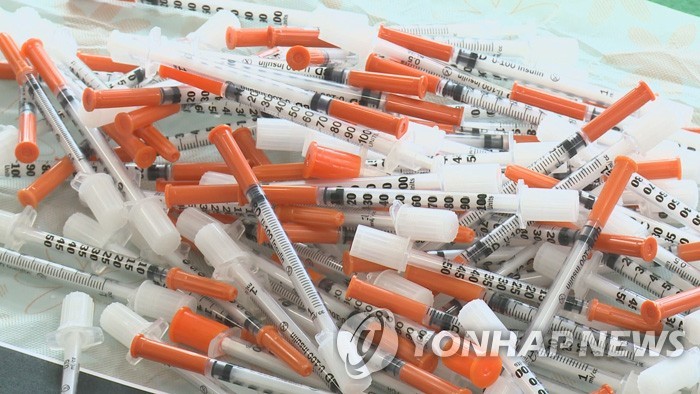 A group that sold drugs anonymously to about 1,100 people using virtual currency and secure social networking services (SNS) has been arrested. / Photo by Yonhap News
[Asia Economy Reporter Lim Juhyung] A large group involved in the organized sale of drugs through the social networking service (SNS) platform 'Telegram' has been arrested. This group, consisting of more than ten members acting together, systematically managed drug distribution and currency exchange. It is reported that about 1,000 people purchased drugs from them, causing shock. Concerns are growing that drugs could deeply infiltrate daily life by exploiting the advanced internet environment and anonymity.
◆1,100 People Gathered in Telegram 'Drug Trade' Chatroom
On the 15th, the Incheon Metropolitan Police Agency and Incheon District Prosecutors' Office arrested 'Obang,' the largest drug trafficking organization in South Korea. About 14 people, including the 20-something leader A, were detained on charges of violating the Narcotics Control Act and organizing a criminal group.
Obang is known as a slang term referring to the state of hallucination after taking drugs. The organization created a chatroom with the same name on the anonymous messenger app 'Telegram' and conducted drug transactions there.
In particular, the group divided roles such as the overall leader, middlemen, currency exchange handlers, and withdrawal agents, systematically conducting drug trades. They also showed meticulousness by laundering criminal proceeds exceeding 500 million KRW through cryptocurrency.
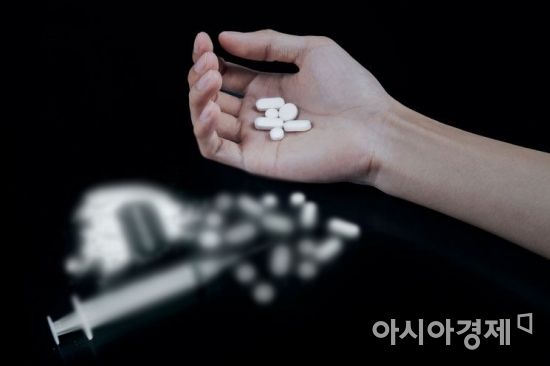 Concerns are growing that drug addicts have already permeated various aspects of daily life. / Photo by Asia Economy DB
At the time of the arrest, it was confirmed that about 1,100 members were in the 'Obang' chatroom. According to the police, this is the largest scale drug distribution in the country.
◆Drugs Already Infiltrated Daily Life... Even Sold as 'Diet Pills'
With over 1,000 people involved in drug transactions, concerns are rising that drug addicts may have already permeated various parts of daily life. Due to the highly addictive nature of drugs, drug crimes tend to spread rapidly and have a high recidivism rate. If the number of drug offenders is not suppressed early, it can explode exponentially later.
In South Korea, the number of drug offenders caught through crackdowns has been steadily increasing. In the first half of this year (January to June), five related agencies?the Ministry of Food and Drug Safety, Supreme Prosecutors' Office, Korea Customs Service, National Police Agency, and Korea Coast Guard?conducted drug crackdowns, resulting in the arrest of a total of 7,565 drug supply and usage offenders. This is about an 8.6% increase compared to the same period last year (6,969 people).
There have also been incidents of drug use detected in everyday life.
In May, 41 teenagers were caught by police after being prescribed and using or trading the opioid painkiller 'Fentanyl' at hospitals in the Busan and Gyeongnam regions.
 Appetite suppressants containing the narcotic fentanyl were also sold as diet pills. It was revealed that even adolescent patients, for whom the medication is prohibited, were prescribed and took the drug. / Photo by Yonhap News
Fentanyl is an opioid-based painkiller mainly prescribed to cancer patients or those with pain syndromes to alleviate severe pain. However, the teenagers arrested at that time illegally purchased it and used it in parks, shopping areas, restrooms, and school premises, even selling it to other teenagers.
Recently, controversy arose as appetite suppressant drugs containing fentanyl have been prescribed not only to adults but also to children and adolescents. According to data received by Kim Mi-ae, a member of the People Power Party, from the Ministry of Food and Drug Safety, in 2019, 1.61 million patients were prescribed 6.63 million doses, and last year, 1.6 million patients were prescribed 6.52 million doses.
Although appetite suppressant drugs are prohibited for patients under 16 years old, investigations revealed that 1,247 students were prescribed 3,374 doses and took the medication during the two years examined.
◆Expert: "Reducing Drug Demand Itself Is More Important Than Arresting Offenders"
Experts advise that to prevent drugs from penetrating society, all efforts should be focused on prevention policies.
Jeon Kyung-soo, president of the Korean Society of Drug Science, said, "With drug promotion and sales happening through SNS, even teenagers can access drugs, increasing the risk. The fact that drugs are spreading throughout daily life and young people are exposed from an early age is a more serious problem because it can cause long-term health damage such as brain disorders."
He added, "Eradicating drugs requires fundamental measures rather than just detecting and arresting drug offenders. Prevention measures should be in place so that buyers cannot access drugs in the first place. Also, focusing on treating patients already addicted and reducing overall drug demand is necessary. This approach will naturally reduce the sales of drug dealers and thus decrease supply."
© The Asia Business Daily(www.asiae.co.kr). All rights reserved.
![Clutching a Stolen Dior Bag, Saying "I Hate Being Poor but Real"... The Grotesque Con of a "Human Knockoff" [Slate]](https://cwcontent.asiae.co.kr/asiaresize/183/2026021902243444107_1771435474.jpg)


















