Expansion of Advertising Restrictions from 2025
Voluntary Guidelines for YouTube and Others
Promotion of Low-Sodium and Low-Sugar Food Manufacturing and Sales
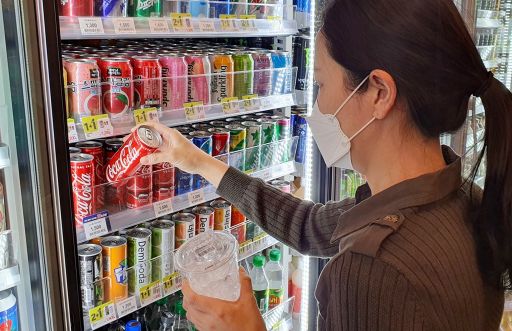
[Asia Economy Reporter Seo So-jeong] Starting in 2025, advertisements for high-calorie, low-nutrition foods will be restricted during TV broadcast times primarily watched by children. A pilot project for ‘Children’s Health Corners’ displaying and selling low-sodium and low-sugar products will be implemented in convenience stores.
The Ministry of Food and Drug Safety (MFDS) announced the ‘5th Comprehensive Plan for Children’s Dietary Safety Management’ containing these measures on the 4th.
From 2025, the MFDS will restrict TV advertisements for high-calorie, low-nutrition foods, focusing on programs mainly watched by children. Currently, advertising is restricted on all TV programs broadcast from 5 to 7 p.m., but going forward, restrictions will target programs or time slots primarily viewed by children. Additionally, management of new media such as YouTube will be strengthened. In response to criticism that there is no established management framework for new media, the MFDS will provide ‘voluntary guidelines’ to serve as a reference for advertising high-calorie, low-nutrition foods.
The production and sale of low-sodium and low-sugar foods will also be promoted. Until now, uniform standards were applied regardless of type when certifying ‘Children’s Preferred Food Quality,’ but going forward, standards considering the characteristics of each food type will be applied to support the production of nutritionally balanced ‘Children’s Preferred Food Quality’ certified products.
In convenience stores near schools, a pilot project for ‘Children’s Health Corners’ that separate and display healthy foods such as low-sodium and low-sugar products will be promoted, with incentives provided to participating stores. Inspections will also be strengthened in spaces frequently visited by children, such as playgrounds, unmanned stores, and convenience stores. Furthermore, franchise stores selling hamburgers, pizza, and other items will be required to display sugar content in beverages in a readable manner.
A system for providing nutritious school meals will be established. With the installation of Children’s Meal Management Support Centers (234 locations) in all cities, counties, and districts nationwide, all small-scale children’s meal facilities will receive hygiene and nutrition management support. Starting in 2024, the ‘Smart Children’s Meal Management System’ will be applied throughout the entire meal management process, from ingredient purchasing to serving. A system designating specialized centers by region and dedicated nutritionists for each meal facility will be introduced. Inspections of children’s group meal facilities will be expanded, and school meal facilities over 10 years old will be renovated to improve the meal environment.
Kim Kang-lip, Commissioner of the MFDS, stated, “We will expand children’s choice of preferred foods and prepare systematic detailed implementation plans to resolve nutritional imbalance and disparities. We will pursue effective policies to provide children with safe and nutritionally balanced foods amid changing dietary environments.”
© The Asia Business Daily(www.asiae.co.kr). All rights reserved.

















