Things You Should Know Before Getting a Health Checkup
[Asia Economy Reporter Jin-kyung Lee] As the year-end approaches, hospitals are bustling with people trying to get health checkups in the second half of the year. It is said that health checkup appointments are almost fully booked until December. Health checkups have long been established as a method to protect health from diseases. However, many people still misunderstand or are unaware of the national health checkups conducted for adults. Some even skip free health checkups because they feel healthy and do not see the need. Should health checkups be done only when you feel something is wrong? Is it okay not to get checked if you are young? There are also claims that frequent health checkups can be harmful to health?is this really true? It is necessary to take a detailed look at the misconceptions and truths about health checkups.

● What is the ‘health checkup’ we receive?
A checkup refers to undergoing appropriate tests in the absence of disease symptoms to detect risk factors or bodily changes that may cause illness early, and to have the opportunity to learn and practice healthy lifestyle habits to maintain a healthy life. If there is a family history of cancer or other diseases, it is important to receive regular health checkups from an early age.
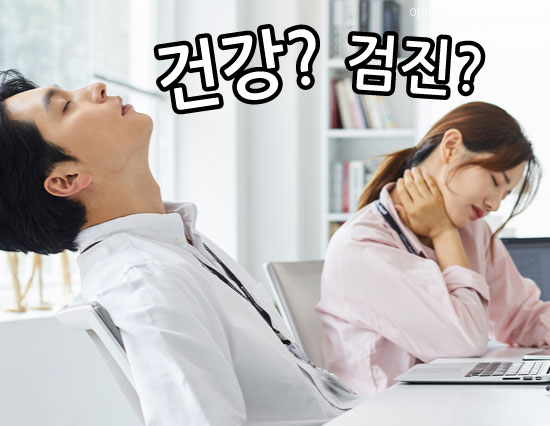
● If you are not sick or uncomfortable, is it okay not to get checked?
Most diseases do not show symptoms in the early stages, so if diagnosis is made after symptoms appear, the disease may have already progressed, making treatment difficult or full recovery to previous healthy status challenging. Therefore, health checkups are not meant to be done only when symptoms appear but should be done while healthy to detect diseases early and protect one’s health.
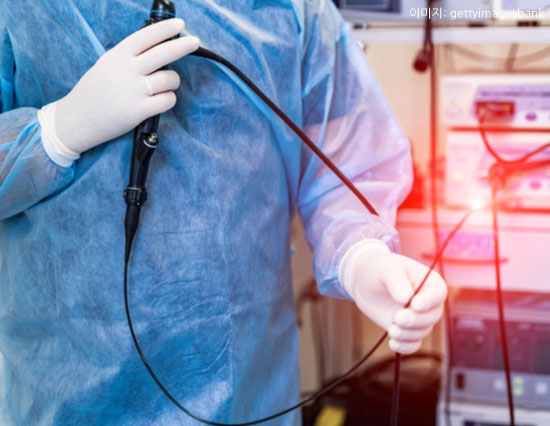
● Can all diseases be detected through health checkups?
In fact, health checkups cannot detect all diseases. They consist of tests for common major diseases, so there are limitations to identifying all diseases through national health checkups alone. Therefore, it is important to consider age, family history, past medical history, and current physical condition to include additional tests not covered by the national health checkup and receive a checkup suitable for oneself. Careful health management based on the results is also necessary.
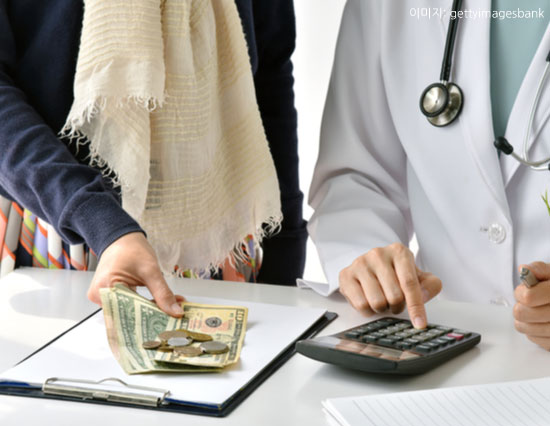
● Are more expensive health checkups better?
What matters more than the cost is receiving the tests necessary for oneself. Even expensive health checkups may miss early detection if certain detailed tests are excluded due to lack of symptoms, and excessive testing may increase the risk of radiation exposure, so caution is needed. The national health checkup is fully covered by the National Health Insurance Service, so personal costs are low. However, since it cannot cover all diseases, it is important to add necessary tests based on one’s condition beyond those included in the national health checkup.
● People in their 20s and 30s don’t need to get checked? Health checkups are a gift for parents?
Health checkups are often mistaken as a gift for parents and thought to be only for those in their 40s and 50s or older. However, neglecting health checkups because you think you are young and healthy is a risky behavior that threatens health. Especially, frequent consumption of high-calorie, high-salt foods, irregular eating habits, lack of exercise, frequent drinking, and smoking can easily cause cardiovascular and cerebrovascular diseases such as hypertension, diabetes, obesity, and dyslipidemia. Recently, cancer incidence among younger generations has been steadily increasing, with over 10% of all cancer patients in their 20s and 30s, and the progression is often faster than in older age groups. Therefore, even if young, if there is a family or relative with cancer, it is advisable to undergo national cancer screening. Particularly for cancers with high hereditary potential such as colorectal and breast cancer, screening should start 5 to 10 years earlier.
● Is sleep endoscopy dangerous because you might not wake up from anesthesia?
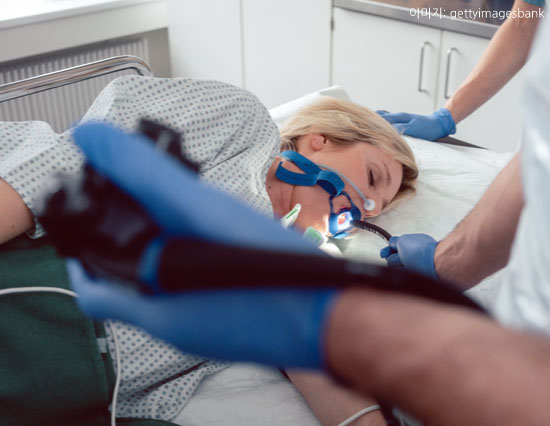
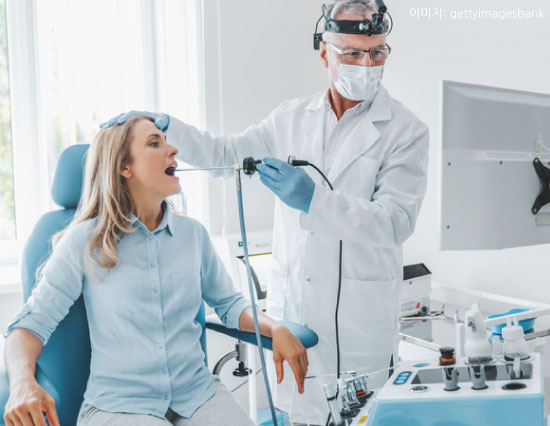
Endoscopy is an important test to detect stomach and colorectal cancer early and to monitor pre- and post-operative progress of stomach and colon surgeries. Undergoing the test without sedation can cause pain when the endoscope passes through the esophagus or anus, so most choose sleep endoscopy. However, some hesitate due to concerns about waking from anesthesia. For safe sleep endoscopy, check if the hospital has an anesthesiologist on site. Also, ensure the hospital is equipped with facilities and equipment to handle emergencies such as apnea, coughing, or blood pressure drops. Choosing such a hospital reduces the risk of emergency situations due to unexpected accidents.
● If you are taking psychiatric medications, sleep endoscopy may be restricted?
If you have heart, respiratory diseases, liver failure, kidney failure, or neurological disorders and are taking psychiatric medications, sleep endoscopy may be limited. Therefore, before deciding on sleep endoscopy, you must consult with a specialist in the relevant field.
● For early cancer diagnosis, is it better to have CT or PET-CT scans multiple times?
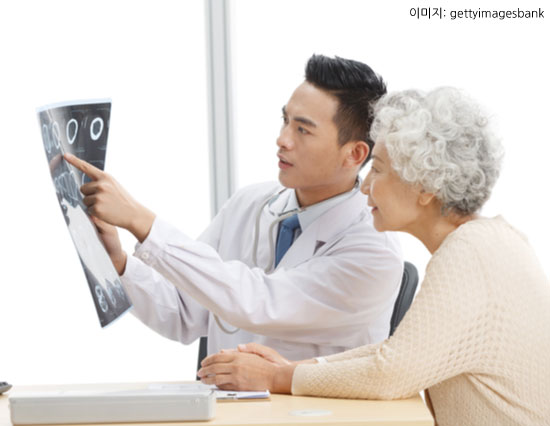
CT and PET-CT scans are expensive and involve radiation exposure risks, so careful consideration is needed before deciding. However, avoiding these tests solely due to radiation concerns is not necessary. Diseases like pancreatic cancer, which are difficult to diagnose early, can be screened through these tests. If you experience unexplained symptoms such as losing more than 5% of your usual body weight within six months, consult a specialist promptly.
● On the day of the checkup, should you avoid taking diabetes medication even if fasting?
Many tests require fasting before the checkup, but what about diabetes medication? If a diabetic patient takes medication without eating and undergoes the checkup, hypoglycemic shock may occur, which is very dangerous. Therefore, diabetic patients should not take medication if they are fasting.
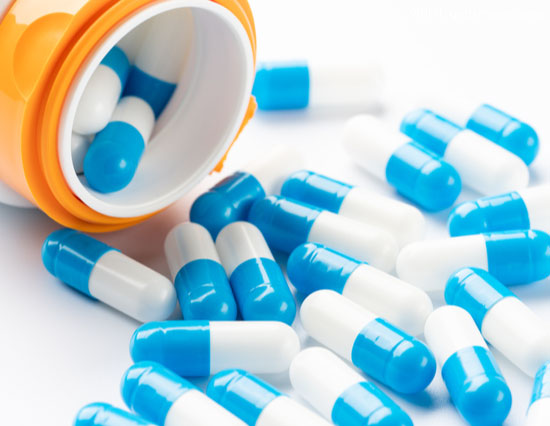
● Is it okay to take blood pressure medication on the day of the checkup?
Unlike diabetes medication, it is okay to take blood pressure medication. However, timing is important. Blood pressure should be controlled consistently, so medication should be taken at the prescribed time, ideally 3 to 4 hours before the checkup. Blood is fully absorbed within 3 to 4 hours, so it does not interfere with gastroscopy or colonoscopy.
● If you miss the odd/even year schedule, do you have to wait two years for the next checkup?
No. Even if it is not the designated year, you can apply to the National Health Insurance Service to receive the checkup within the year.
● Is it better to have health checkups frequently?
Checking health frequently can help early disease prevention, but excessive checkups can be harmful. Frequent gastroscopies may cause stomach perforation or bleeding, and frequent CT scans increase radiation exposure and risk of contrast agent side effects. Therefore, it is important to have health checkups at appropriate intervals. It is advisable to keep up with the national health checkup every two years and add additional tests as needed beyond those covered by the national program.
● Should you avoid chewing gum or smoking before the checkup?
Chewing gum can affect blood sugar levels as sugar in the gum is absorbed even if not swallowed, and smoking can affect blood pressure and chest test results. Therefore, even small amounts of gum or smoking before endoscopy can affect results and should be avoided. Additionally, colored drinks, coffee, carbonated drinks, milk, and candy can interfere with visibility, so during fasting, only a very small amount of water should be consumed for accurate results.
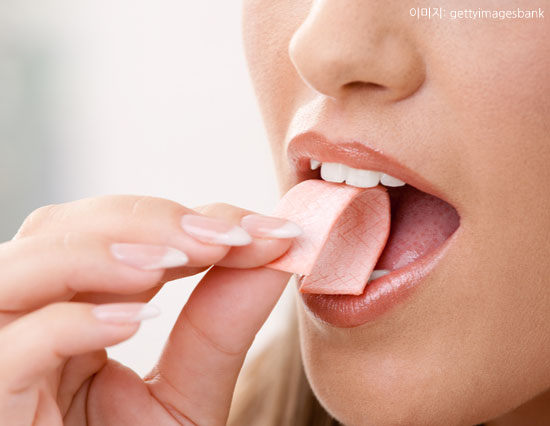
● Does exercise done a week before the checkup affect the results?
No. Long-term consistent exercise over several months can positively influence results, but short-term exercise just a week before the checkup is unlikely to cause significant changes. If exercise continues steadily after the checkup, it is expected to positively affect the next health checkup results.

● If the checkup result is ‘normal,’ can you consider yourself healthy?
Even if the report says ‘normal,’ it does not guarantee the absence of any disease. ‘Normal’ means no major disease and is based on measurements from people who rarely drink or smoke, with a 95% confidence level and a margin of error of ±2.5%. Therefore, it is not an absolute value. Continuing unhealthy habits like drinking or smoking despite normal cancer screening results can worsen undetected issues.
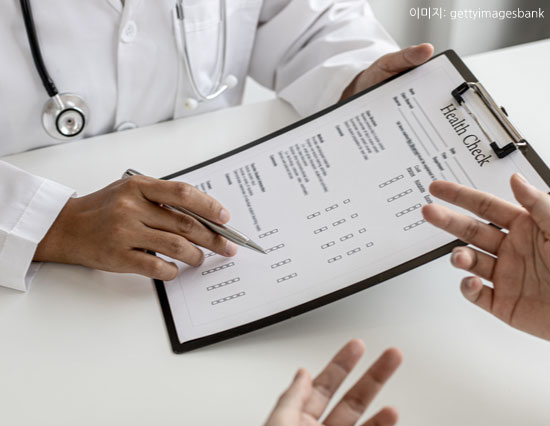
● Precautions before health checkups
▷ Check current medications
Review precautions for current medications. If you are taking anticoagulants like aspirin, warfarin, or Coumadin, stop taking them one week before the test and consult your hospital. If you cannot stop anticoagulants, consult your doctor before the checkup.
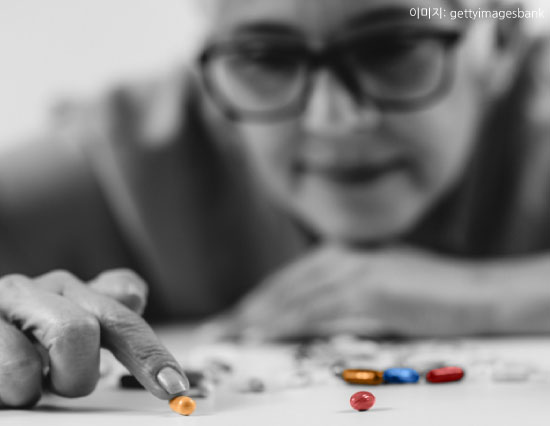
▷ Check your past medical history
Since health status varies by individual, required tests may differ. Therefore, review your past medical history, family cancer history, and genetic diseases before the checkup. Identify which tests are necessary and get checked accordingly.
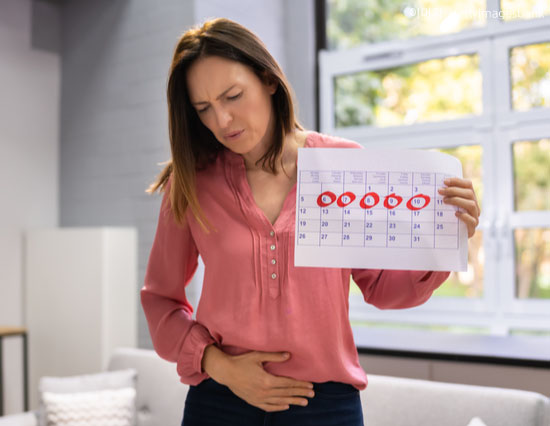
▷ Avoid checkups during menstruation
For women, gynecological or urine tests may be difficult or affected during menstruation, so it is better to avoid this period. The best time for a health checkup is seven days after menstruation ends, and it is recommended to have the checkup before or after menstruation.
▷ Do not drive after sleep endoscopy
It takes sufficient time to fully recover from sedation after sleep endoscopy. Therefore, instead of driving immediately after the test, it is better to use public transportation or have a companion. Driving right after sleep endoscopy can have effects similar to drunk driving.

▷ Arrive without urinating on the morning of the test
If you need lower abdominal ultrasound for prostate, bladder, or ovaries, the bladder should be full, so schedule the test in the morning and avoid urinating before arriving. Also, wear comfortable clothes and arrive before the appointment time for smooth testing.
▷ Do not eat for at least 1 hour after gastroscopy
After gastroscopy, avoid eating for at least one hour and then eat soft porridge slowly. If biopsy was done during gastroscopy, drink water after one hour and eat after two hours. Avoid spicy foods for 2-3 days.

▷ Women planning pregnancy should avoid certain tests
Women planning or expecting pregnancy should avoid CT scans, gastrointestinal fluoroscopy, bone density tests, and breast X-rays during health checkups. Breast ultrasound is recommended instead of breast X-rays.
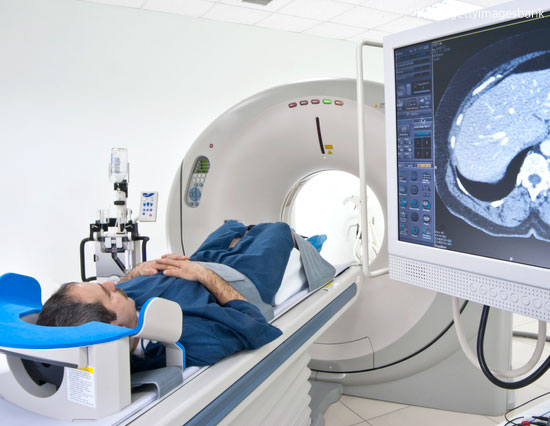
※ Recommended health checkups by age group
▷ 20s-30s - Early detection of chronic diseases, Hepatitis A and B tests
In their 20s and 30s, it is important to detect and treat chronic diseases early to prevent heart disease or stroke in old age. Monitoring blood pressure, diabetes, cholesterol, obesity, chest X-rays, dyslipidemia (cholesterol, triglycerides), liver function, and Pap smear every two years is important. Those starting social life should get tested for Hepatitis A as well as Hepatitis B. If antibodies are absent, vaccination is recommended.
▷ 40s-60s - Regular tests for cancer, heart disease, stroke, liver disease
Cancer, heart disease, stroke, and liver disease are major causes of death, so annual or biennial checkups are necessary. From the 40s, it is important to check all test values carefully and compare with previous years. Key items include obesity, blood pressure, blood sugar, cholesterol, anemia, kidney function, and urine protein. If borderline results appear, consult your doctor for management and retesting within 3-6 months. Those with family history of cancer or cardiovascular disease or smokers are high-risk and should be tested annually.
→ Essential tests: obesity, blood pressure, blood sugar, dyslipidemia (cholesterol, triglycerides), Pap smear, breast exam, stool test, gastroscopy, colonoscopy (women are recommended to have uterine and ovarian ultrasound and osteoporosis tests)
▷ 65 and older - Annual regular checkups
For those 65 and older, annual checkups are recommended. As the risk of severe diseases increases, dementia and psychological tests before cancer screening are advised. Stroke risk is higher, so those with family history or risk factors like diabetes and hypertension should focus on prevention and early diagnosis with brain MRI or CT. Smokers or those with hypertension or diabetes should have ECG and stress tests, and those with Hepatitis B or C should regularly check liver function and have liver ultrasounds. Men with heavy smoking and drinking history and postmenopausal women with lack of exercise should also have bone density tests.

© The Asia Business Daily(www.asiae.co.kr). All rights reserved.



















