Canadian Shipping Company Seaspan Successfully Issues $750 Million
[Asia Economy Reporter Yujin Cho] The issuance of "Blue Bonds," which invest in activities to reduce marine environmental pollution, is increasing on Wall Street in the United States, the Wall Street Journal (WSJ) reported on the 18th (local time).
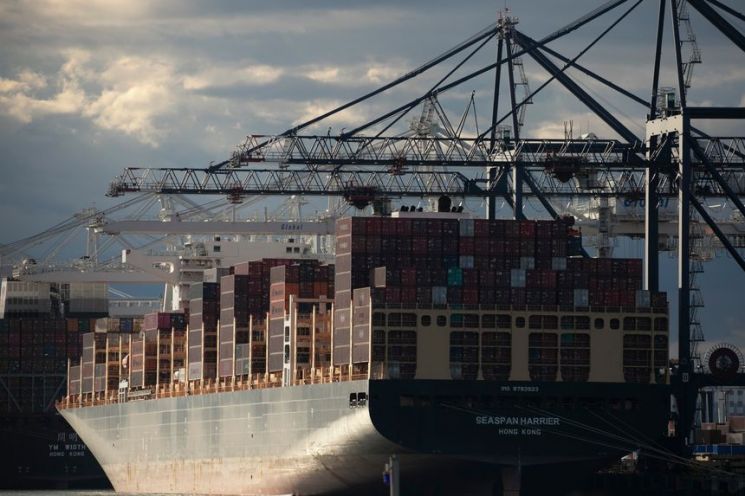
According to the report, Canadian shipping company Seaspan initially planned to issue Blue Bonds worth $500 million (approximately 591.3 billion KRW) in July, but increased the issuance size to $750 million as investors flocked.
This is Seaspan's first Blue Bond issuance in the U.S., with the bonds issued having an 8-year maturity and an interest rate reaching 5.5%.
WSJ stated that the successful issuance of Seaspan's Blue Bonds demonstrates how much investor demand for eco-friendly bonds has grown in recent years.
Blue Bonds are based on the premise that the borrowed funds raised through bond issuance are invested exclusively in projects related to the marine environment.
The first issuance was by Seychelles and the World Bank in 2018, raising $15 million, and on the 15th, BNP Paribas also participated in issuing Blue Bonds worth $942.5 million for the Bank of China.
Blue Bonds have the same issuance method and structure as Green Bonds. Nicolas Paph, Head of Sustainable Finance at the International Capital Market Association (ICMA), said, "Blue Bonds are a rebranding of Green Bonds into blue, which can increase visibility on issues related to the marine environment."
Green Bonds, first issued 10 years ago, are currently recording the largest issuance volume ever on Wall Street, alongside eco-friendly policy trends.
According to the Climate Bonds Initiative, the issuance volume of Green Bonds this year is about $350 billion, already surpassing the record issuance amount of last year.
Blue Bonds can attract more capital from investors looking for assets to be invested in eco-friendly projects and can reduce borrowing costs.
WSJ analyzed that Blue Bonds will be a useful source of funds for shipping companies that must comply with the International Maritime Organization (IMO)'s environmental regulations, which require a 30% improvement in fuel efficiency by 2025 and a reduction of greenhouse gas emissions to half of 2008 levels by 2050.
Global shipping companies need large-scale funds for ship modifications and new constructions reflecting changes in hull shapes and propulsion systems to improve fuel efficiency in response to strengthened environmental regulations.
© The Asia Business Daily(www.asiae.co.kr). All rights reserved.

















