[Asia Economy Reporter Yujin Cho] China, facing a power shortage, is pushing to resume imports of U.S. natural gas that were halted due to the trade dispute. This move comes amid mounting pressure on the industrial sector, which is struggling with soaring raw material prices such as coal and a nationwide power crisis that has driven monthly producer prices to record highs.
According to major foreign media on the 16th (local time), China's leading state-owned energy companies Sinopec and China National Offshore Oil Corporation (CNOOC) are conducting preliminary negotiations for long-term contracts with U.S. liquefied natural gas (LNG) exporters.
Foreign media reported that if these negotiations are successfully concluded, the annual natural gas import volume could expand to hundreds of billions of dollars over the next few years. Previously, the U.S. and China had suspended natural gas trade in 2019 amid the height of their trade war.
A source in Beijing said that as coal shortages and soaring raw material prices intensified pressure on Chinese state-owned enterprises to secure stable supplies, negotiations that began earlier this year have recently gained momentum.
Another source stated that China is seeking long-term contracts for at least 4 million tons annually to ensure stable supply. This is aimed not only at securing demand for the winter heating season but also at obtaining long-term volumes to achieve decarbonization goals.
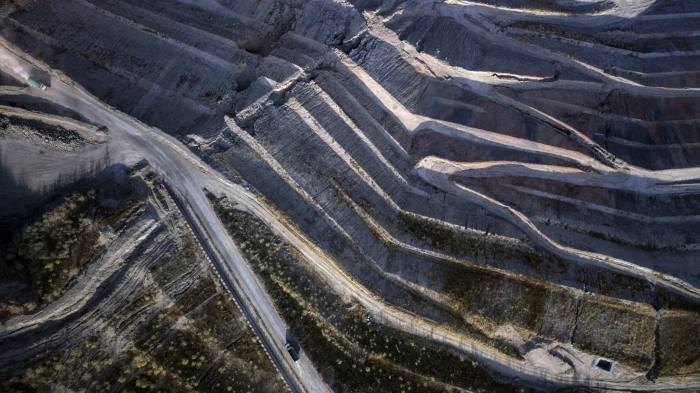
China is currently suffering from a severe power shortage due to rising coal prices, a major energy source. Flood damage to key coal-producing regions within China and the ban on Australian coal imports resulting from the trade dispute with Australia have driven coal prices up, exacerbating the power crisis.
Industry insiders note that although local governments in Shanxi Province and the Inner Mongolia Autonomous Region have ordered increased production at about 200 coal mines in their jurisdictions, production increases are difficult due to flood damage affecting around 60 mines. They expect the coal price surge to continue for the time being due to supply-demand imbalances.
Additionally, an earlier-than-usual onset of cold weather has increased electricity demand for heating in homes and offices, further driving up prices.
Coal is a major energy source in China, accounting for 70% of the country's electricity generation from coal-fired power plants. Recently, the aftershocks of the power crisis and soaring raw material prices such as coal have spread throughout the industrial sector. In fact, China's producer price index (PPI) rose 10.7% year-on-year last month, marking the highest level in 25 years since statistics began in 1996.
Major power plants and companies in China are rushing to stockpile coal amid supply pressures, pushing coal prices to new record highs daily.
On the previous day at the Zhengzhou Commodity Exchange, the price of coal for power generation delivery in January surged to an all-time high of 1,669.40 yuan per ton in the morning session. This represents roughly a threefold increase since the beginning of the year, with double-digit gains continuing throughout the week, maintaining a strong upward trend.
© The Asia Business Daily(www.asiae.co.kr). All rights reserved.

















