Young Generation's Gray Hair: Causes and Tips to Reduce It
[Asia Economy Reporter Jin-kyung Lee] Generally, gray hair is known to occur due to aging as people get older, but sometimes young people experience an unusual amount of gray hair. Gray hair that appears in young people in their teens to thirties is called "sae-chi." What exactly causes sae-chi? We have prepared this article for those who feel depressed and stressed because of sae-chi. From the causes of sae-chi to tips on reducing it! Let's carefully review hair care methods by age and break free from the fear of sae-chi.
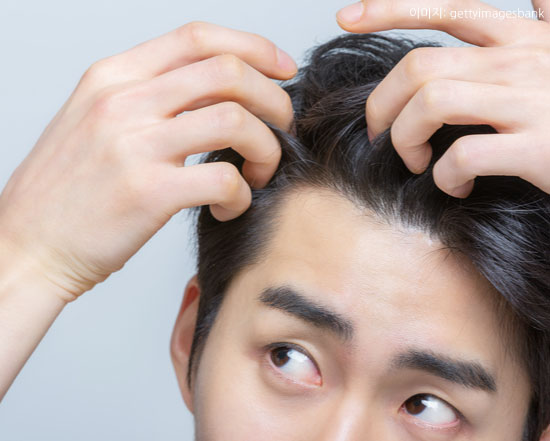
■ The Difference Between Gray Hair and Sae-chi
Gray hair occurs as a natural aging phenomenon when the function of cells that produce melanin pigment, which determines hair color, declines. On the other hand, sae-chi refers to gray hairs that appear sporadically in people under 40 due to various factors other than aging. Hair color is determined by melanin cells in the hair follicles, which synthesize melanin pigment; the more pigment produced, the darker the hair color. Sae-chi is similar to gray hair in that it results from a lack of melanin pigment, but the major difference is that the exact cause of sae-chi is unclear.
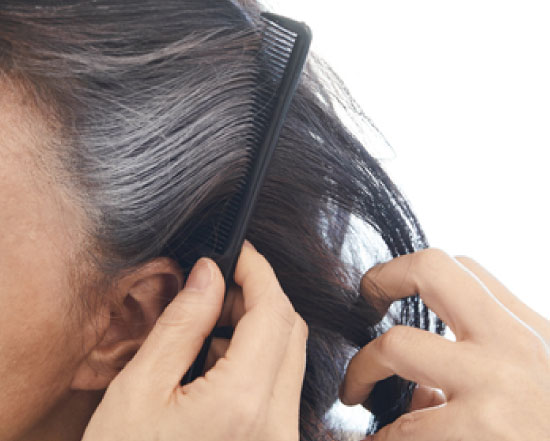
Sae-chi usually occurs due to genetics, stress, excessive dieting, and other causes. If you suddenly notice a lot of sae-chi, it is necessary to review your health status and consider whether you might have any of the following conditions.
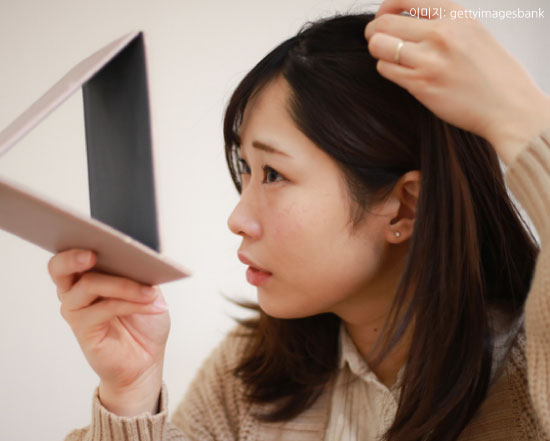
■ Reasons for Gray Hair in Young People in Their 20s and 30s
▶ Stress
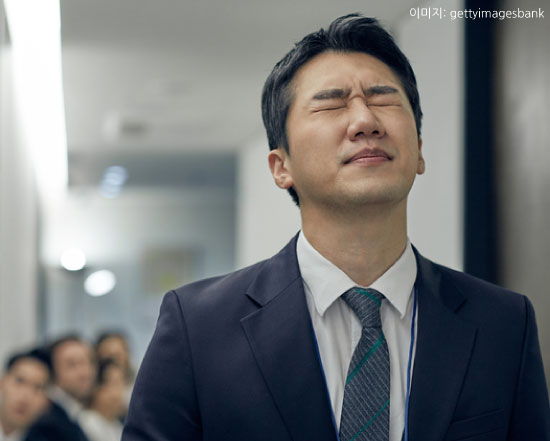
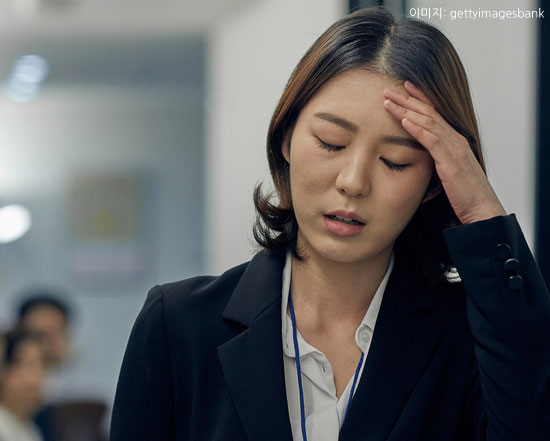
When under a lot of stress, adrenaline secretion increases. This causes blood vessels connected to the hair roots in the scalp to constrict. When blood vessels constrict, nutrient supply is insufficient, resulting in less melanin production and gray hair instead of black hair. Gray hair caused by stress can turn back to black once the stress disappears. This is why gray hair is sometimes found only in the middle section while the ends remain black.
▶ Dieting and Anemia
A deficiency in vitamin B12 and folic acid can cause anemia, and these nutrients play an important role in forming melanin pigment. If you are on a severe diet or have anemia symptoms, a lack of these nutrients may cause gray hair.
▶ Diabetes
Diabetes occurs when the pituitary gland malfunctions and cannot properly regulate insulin levels in the body. This dysfunction can reduce the hormone that produces melanin cells, leading to gray hair.

▶ Thyroid Disorders
The thyroid gland plays an important role in maintaining body temperature and metabolic balance. However, both hyperthyroidism and hypothyroidism can cause gray hair. When thyroid function is overactive, the function of melanin-producing cells decreases, turning hair white. When thyroid function is underactive, melanin pigment secretion also decreases, resulting in gray hair.

■ Does Pulling Out Sae-chi Lead to Hair Loss?
Many people pull out sae-chi hairs because they find them unsightly, but this is not a good method. The number of hairs that grow from our scalp follicles is fixed for life. Although it varies by person, it is usually set between 25 and 35 hairs per follicle, and once this number is exceeded, no new hair grows. Continuously pulling out sae-chi hairs can lead to traction alopecia, where new hair does not grow. Therefore, it is better to leave sae-chi as is or cut it short rather than pulling it out.
■ Tips to Reduce Gray Hair
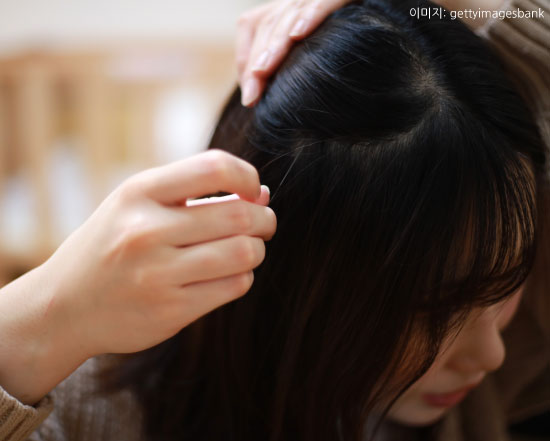
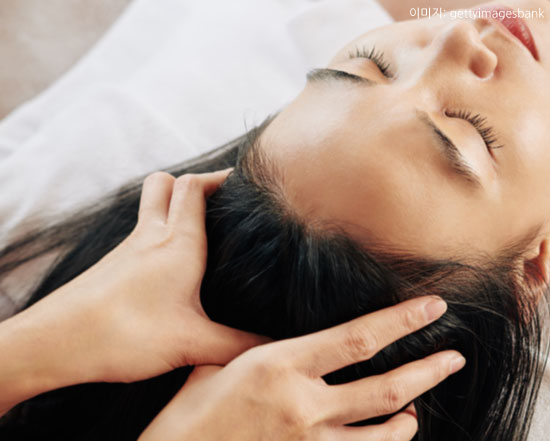
Gently stimulating the scalp with a comb or fingers and regularly massaging it improves blood circulation in the scalp, which helps reduce sae-chi.
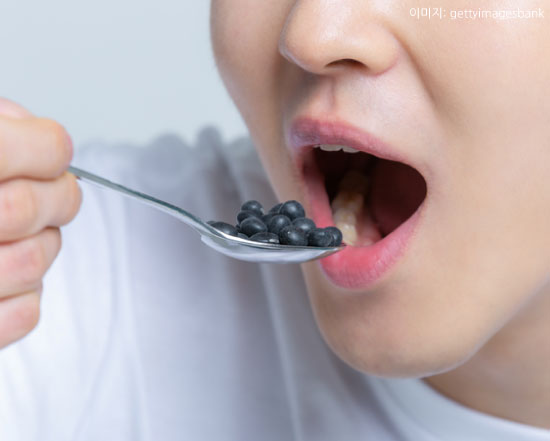
Foods containing minerals such as iron and zinc, as well as black foods, help maintain hair and scalp health, so it is advisable to include them in your diet.
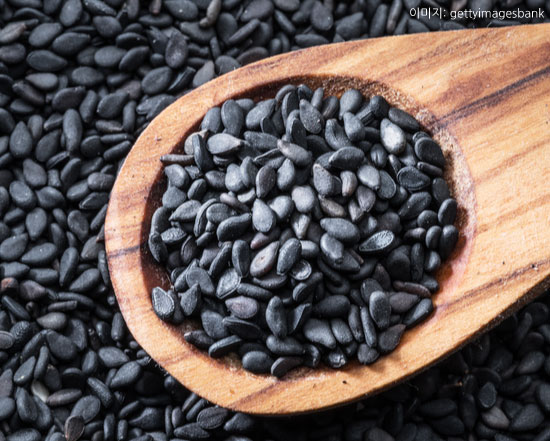
*Black Sesame Seeds
Rich in vitamin E, they promote metabolism and improve blood circulation in capillaries, helping nutrients reach the hair roots and preventing gray hair. (Anti-aging, hair loss treatment, gray hair prevention)
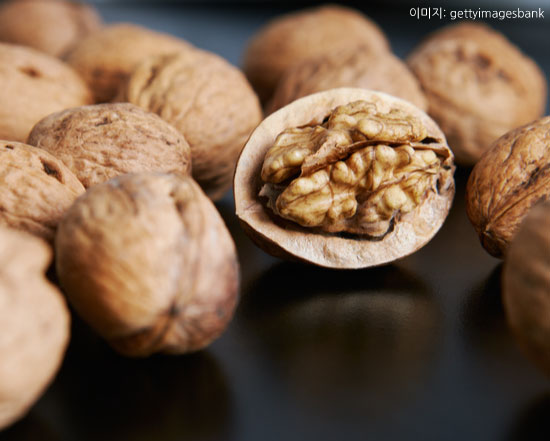
*Walnuts
Rich in linoleic acid, they help make hair fuller. (Supports hair formation)
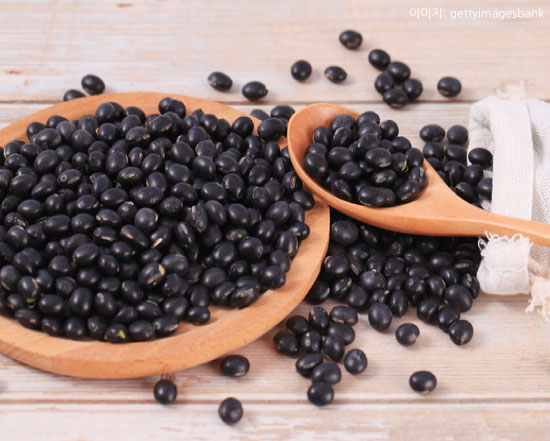
*Black Soybeans
Provide protein necessary for hair production and aid blood circulation.
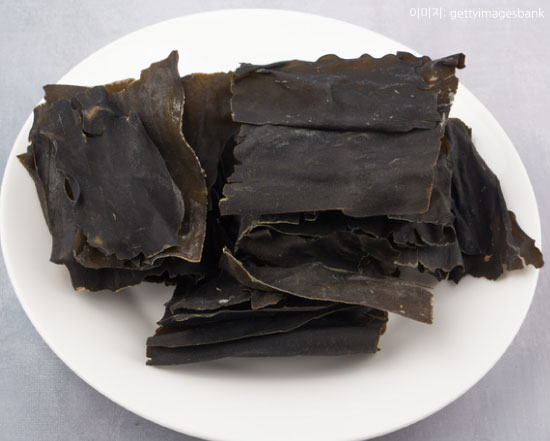
*Kelp
Rich in vitamin A, which helps form keratin, the main component of hair, and vitamin E, which aids blood circulation, supporting hair health.
■ How to Prevent Gray Hair?
It is important to regularly massage the scalp to promote smooth blood circulation. Also, maintain regular exercise and sufficient sleep to ensure nutrients are adequately supplied to hair roots. Additionally, avoiding frequent alcohol consumption and smoking, and eating foods and nutrients beneficial to the scalp can help prevent sae-chi.
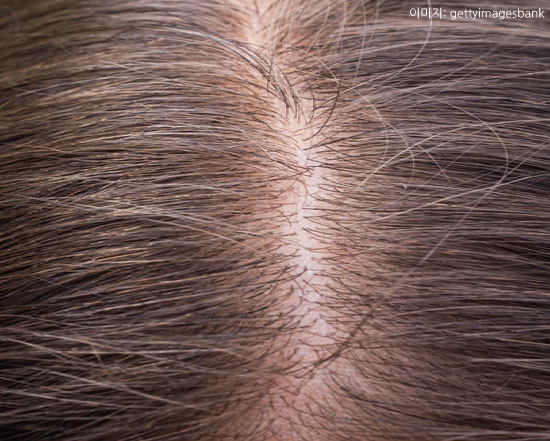
Autumn is also called the season of hair loss. The number of people experiencing stress due to sae-chi and hair loss is increasing across all age groups. So, how should hair care be managed by age?
Hair in the teens is generally healthy as it is rarely exposed to chemical products, but the sebaceous glands are very active, so hair can smell even after frequent washing. Using neutral or oily hair shampoos helps manage sebum.
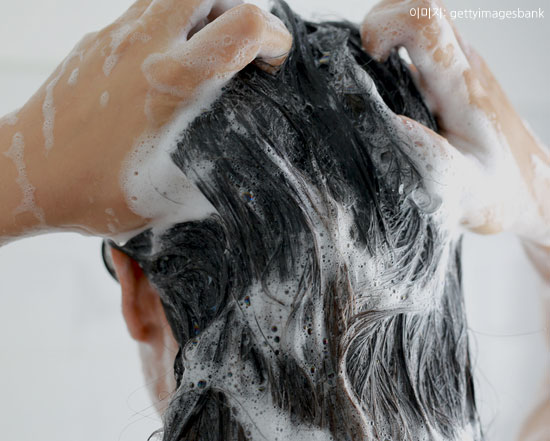
<20s → Focus on Improving Blood Circulation>
People in their 20s often change hairstyles frequently with dyeing and perms, which can damage the scalp and worsen hair health. It is recommended to spend about 5 minutes before sleep combing and massaging the scalp to improve blood circulation.
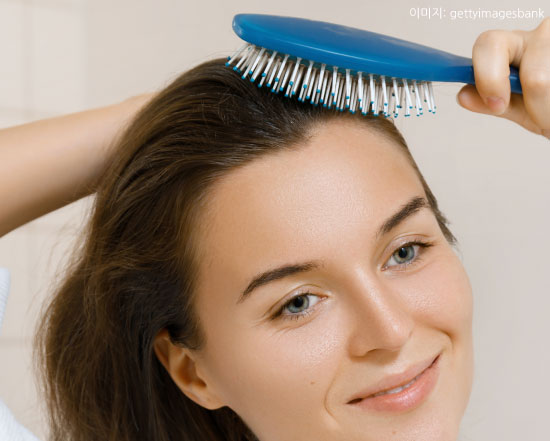
<30s → Maintain Moisture for Dry Hair>
As you enter your 30s, hair begins to age, with reduced sebum and dryness causing brittleness. Therefore, use hair products with moisturizing effects and stimulate the scalp through combing. Also, wiping hair and scalp with a steam towel about once a month is good for moisture retention.
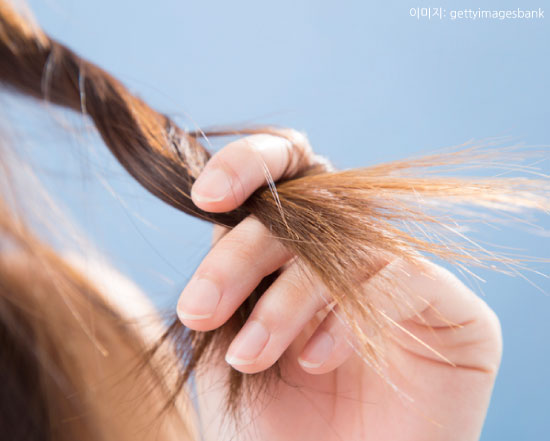
<40s → Focus on Hair Nutrition Supplementation>
From the 40s, gray hair appears partially, and hair volume and moisture significantly decrease. Hair growth also slows down considerably. It is important to consistently care for hair by using conditioning, treatments, and hair packs that replenish hair nutrition after shampooing.
© The Asia Business Daily(www.asiae.co.kr). All rights reserved.
![Clutching a Stolen Dior Bag, Saying "I Hate Being Poor but Real"... The Grotesque Con of a "Human Knockoff" [Slate]](https://cwcontent.asiae.co.kr/asiaresize/183/2026021902243444107_1771435474.jpg)













