[Seoul District News] Eunpyeong-gu Commits to Achieving Carbon Neutrality by 2050 as a Responsible Member of the International Community... Yongsan-gu Launches Local Tax Refund Service Using KakaoTalk... Dobong-gu Resumes Subway Operation on Line 1 at Changdong Station after Platform Expansion and Screen Door Installation
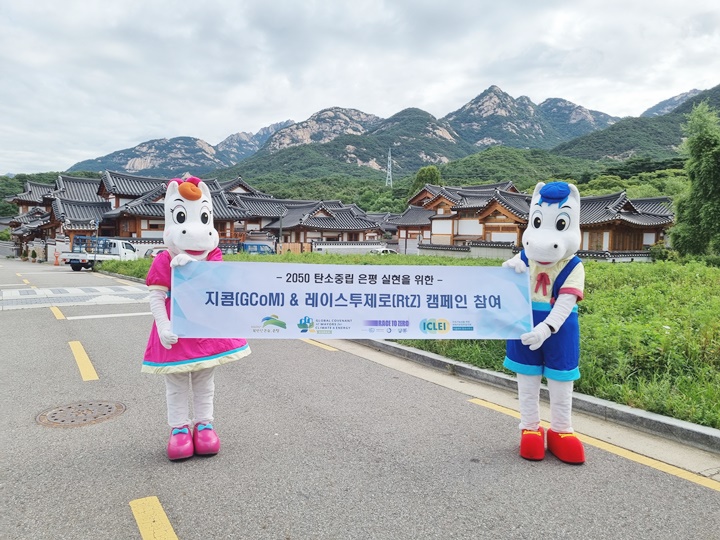
[Asia Economy Reporter Park Jong-il] Eunpyeong-gu (District Mayor Kim Mi-kyung) joined the ‘Global Covenant of Mayors for Climate & Energy’ (GCoM) and the UN ‘Race To Zero’ on the 1st to realize carbon neutrality by 2050, participating in the ‘GCoM & Race To Zero Online Relay Campaign’ involving the UN and over 10,000 local governments worldwide.
The ‘GCoM & Race To Zero Online Relay Campaign’ is a campaign where 17 domestic local governments, including Eunpyeong-gu, declare their participation in relay format as leading cities for climate action in the UN ‘Race To Zero’ and ‘Global Covenant of Mayors for Climate & Energy’.
The ‘Global Covenant of Mayors for Climate & Energy’ (GCoM) was launched in 2016 by merging the EU Covenant of Mayors and the Compact of Mayors. It is the world’s largest local government coalition addressing climate change and energy transition, leading global policy discourse among leaders worldwide.
The ‘Race To Zero’ campaign, led by the United Nations Framework Convention on Climate Change (UNFCCC), urges climate action by involving various actors worldwide, including local governments, businesses, and academia, to accelerate the transition to a decarbonized society.
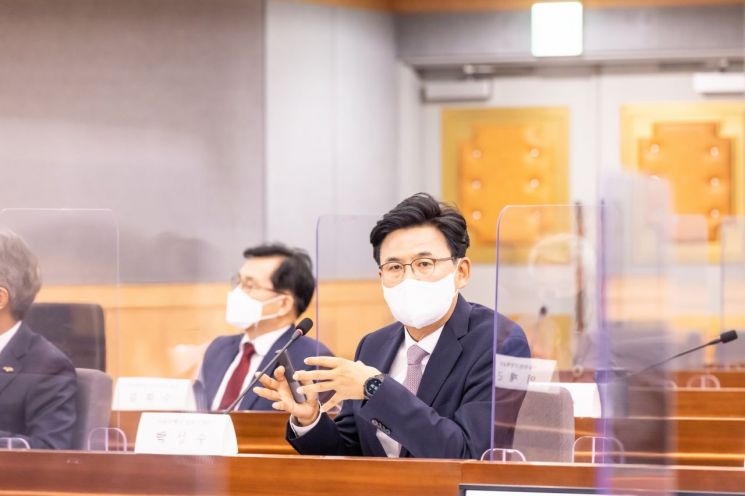
Songpa-gu (District Mayor Park Seong-su) announced on the 9th that Park Seong-su, the mayor of Songpa-gu, participated as a member in the ‘Education Recovery Support Committee’ held at the Government Seoul Office on the 8th and presented cooperation measures among basic local governments for education recovery.
The ‘Education Recovery Support Committee’ was formed following the ‘Comprehensive Education Recovery Plan’ announced by the Ministry of Education at the end of July to overcome learning loss and academic decline caused by the prolonged COVID-19 pandemic.
This meeting marked the first step, attended by Prime Minister Kim Boo-kyum, Deputy Prime Minister and Minister of Education Yoo Eun-hye, presidents of the National Council of Superintendents of Education, education offices, and various education experts. Park Seong-su participated as the chairman of the Innovative Education Local Government Council.
In particular, Mayor Park presented ‘Local Government Cooperation Measures Related to Education Recovery,’ representing the current status of local education fields affected by COVID-19 and voicing the concerns of basic local governments.
Mayor Park emphasized, “To overcome the so-called COVID-19 education crisis, various policies such as Songpa Teacher (Songpa Saem) have been established and implemented regionally. We must make every effort to efficiently support education recovery through mutual cooperation and systematization of roles among central government, education offices, and local governments.”
Additionally, Mayor Park proposed specific cooperation measures such as various venue support and utilization of local talents by local governments concerning the three major tasks of the Ministry of Education’s comprehensive education recovery plan: education loss recovery, customized support, and improvement of educational conditions.
Finally, he stated, “As a member appointed to the Education Recovery Support Committee, I feel a heavy responsibility and will actively propose local education issues to the central government and promote customized education policies tailored to regional characteristics to fulfill my duties for education recovery.”
The Innovative Education Local Government Council, chaired by Songpa-gu Mayor Park Seong-su, was launched in March 2018 to strengthen cooperation between central and local governments in general and educational autonomy. It currently involves 64 local governments. Mayor Park was appointed chairman at the regular general meeting in the first half of 2021 after serving as senior vice chairman.
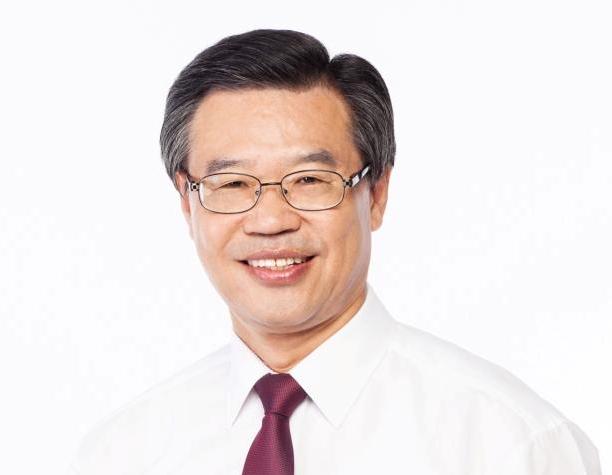
Yongsan-gu (District Mayor Seong Jang-hyun) will start the ‘KakaoTalk Local Tax Refund Application Service’ from this month, allowing residents to apply for local tax refunds using their smartphones.
This is to provide convenient tax administration services to residents in line with the non-face-to-face era.
Until now, the district has actively refunded by sending separate notices to eligible recipients when refunds occur and accepting applications via phone, text, fax, internet, or in-person visits.
However, as of the end of July, there are 2,042 cases of unclaimed local tax refunds totaling 391 million KRW. Most unclaimed refunds are small amounts, with 80% (1,644 cases) under 50,000 KRW.
Therefore, the district introduced the KakaoTalk local tax refund service, which allows 24-hour applications and quick refunds with simple document submission.
To apply, recipients who received a refund notice can search ‘Yongsan-gu Local Tax Refund’ in the KakaoTalk app and enter the refund number, name, contact information, and account under their name in a 1:1 chat room.
Refunds are paid to the bank account within a week (bank business days) after the staff reviews the application.
Mayor Seong Jang-hyun said, “Residents can apply for local tax refunds online using their smartphones without visiting the district office. We will continue to make various efforts to provide convenient services for residents.”
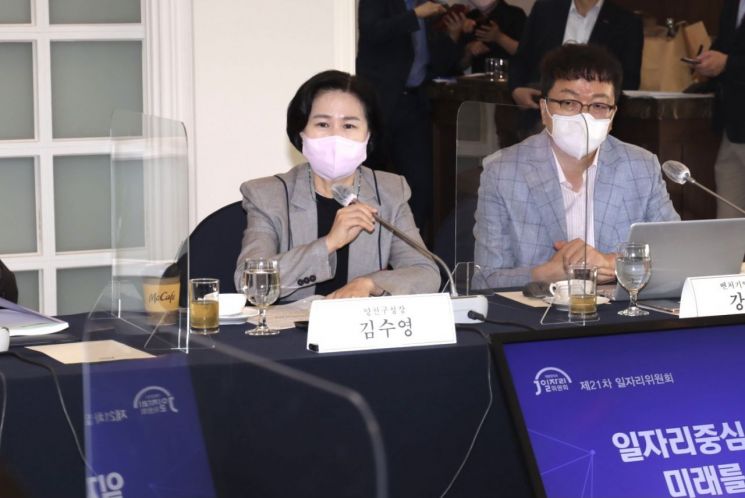
Kim Soo-young, Yangcheon-gu Mayor, attended the 21st Presidential Committee on Jobs meeting held at the Korea Press Center at 7:30 a.m. on the 9th.
At the meeting, Mayor Kim proposed the promotion plan for the social enterprise shared infrastructure project and the branding of the ‘Thank You Sympathy Free Market’ by the National Social Solidarity Economy Local Government Council.
Mayor Kim has served as a member of the autonomous sector of the Presidential Committee on Jobs, acting as a communication channel representing local governments and conveying their voices to the central government.
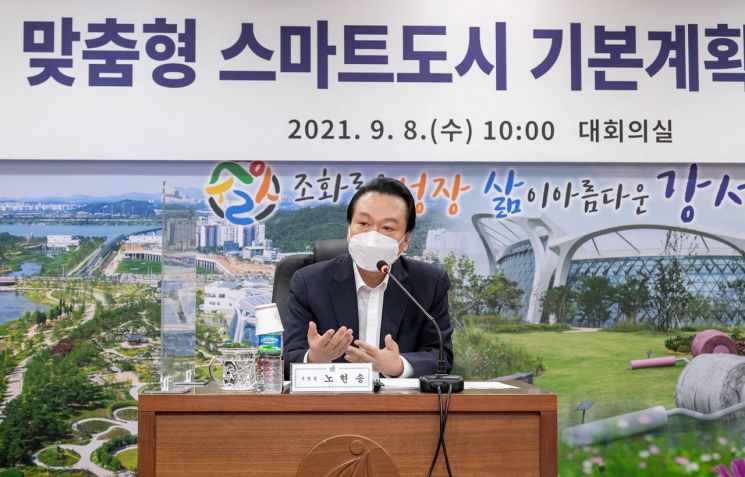
Seoul Gangseo-gu (District Mayor Noh Hyun-song) held the ‘Gangseo Customized Smart City Basic Plan (Draft) Final Report Meeting’ on the morning of the 8th at the district office’s large conference room, attended by Mayor Noh and project stakeholders.
The report presented a development strategy for a customized smart city in Gangseo that solves various urban problems through cutting-edge information and communication technology (ICT) and allows all residents to experience smart services.
Notably, this basic plan (draft) was directly conducted as a task by the district’s own Governance Research Group and Smart City Division, adding significance. Since March last year, the task involved investigating and analyzing project status and collecting opinions from residents and experts.
With the vision of ‘Gangseo Smart City Adding Value to Future Urban Life,’ the plan focuses on creating a city that enhances urban competitiveness, residents’ quality of life, and regional balanced development.
Proposed projects include ▲expansion of crime prevention CCTV and women’s safety zones ▲system establishment for zero waste ▲expansion of electric vehicle charging infrastructure ▲construction of barrier-free and slope-free PM (Personal Mobility) exclusive roads ▲introduction of sensors in disabled parking zones ▲theme tourism using the metaverse ▲expansion of smart poles for electric vehicle charging, streetlights, and CCTV.
Mayor Noh Hyun-song said, “This plan includes phased and annual implementation plans to complete Gangseo Smart City, aiming to improve urban competitiveness and residents’ quality of life. We will revise and supplement the smart city development strategy according to changing times and trends to ensure smooth progress of each project.”
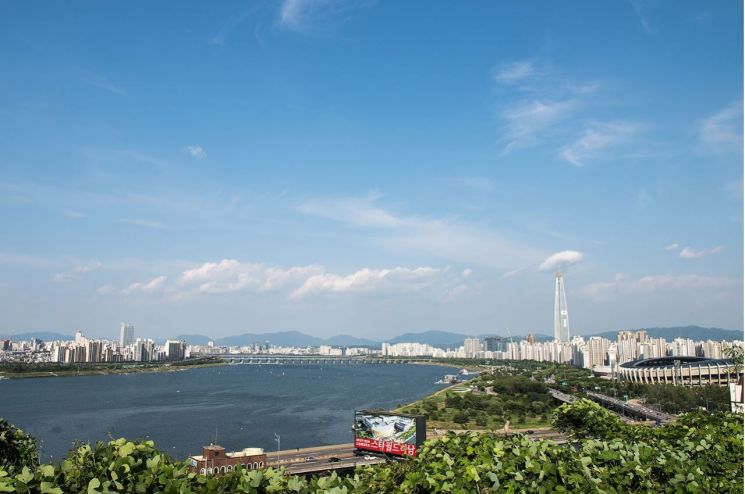
Gangnam-gu (District Mayor Jung Soon-gyun) has transformed the ground space of the Samsung-Bongeun Reservoir located at 82 Samsung-dong into a park and named it ‘Samsung Sunrise Park’ through a public contest.
The Samsung-Bongeun Reservoir is located on a hill by the Han River, offering excellent conditions to view the diverse scenery of the Han River and major landmarks of Seoul. Last year, Gangnam-gu and Seoul City agreed to create a park on top of the reservoir.
In July, Seoul City officially approved the change of urban planning facilities for the Samsung-Bongeun Reservoir, enabling the official park creation. Gangnam-gu then invested 1.5 billion KRW to start the project. This year, the basic plan, entrance improvement, observatory installation, and pine tree planting were completed. Next year, the project will be completed with the installation of an observation deck, lawn plaza, and night lighting facilities.
The district also held a naming contest for the park. Among nine candidates submitted via the website, ‘Samsung Sunrise Park’ received the most votes and is expected to be officially named by the National Geographic Names Committee within this year.
Kim Hyun-kyung, head of the Parks and Greenery Division, said, “Gangnam-gu is creating various themed parks. The Bong Eun History Park’s ‘Healing Meditation Path’ and Daemosan Natural Park’s ‘Wildflower Garden’ are among 137 parks in the area providing urban rest and healing to residents.”
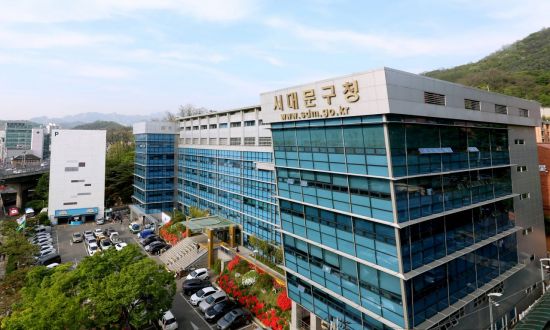
Seodaemun-gu (District Mayor Moon Seok-jin) will organize and operate a ‘Taxpayer Consultation Team’ during the regular September property tax payment period from the 16th to the 30th to provide tax consultation and payment convenience.
Through this, the district aims to provide high-quality tax administration services by responding kindly and promptly to residents’ inquiries and strengthen publicity through various media to increase payment rates within the deadline.
Property tax is levied twice a year on June 1st owners of houses, buildings, land, ships, etc. Half of the house tax, buildings, and ships are taxed in July, and the remaining half of the house tax and land (excluding house accessory land) are taxed in September.
This September, Seodaemun-gu will levy property tax on 137,901 cases totaling 74.686 billion KRW and plans to send tax bills by the 10th.
Property tax can be paid at nationwide commercial banks, NongHyup, Suhyup, Saemaeul Geumgo, and post offices.
Convenience stores (CU, GS25) accept 24-hour payments by credit card (Samsung, Hyundai, Woori BC, Lotte, and former Foreign Exchange cards only) or cash card (Woori, Shinhan, with transfer fees).
Payments can also be made via the Seoul City Internet Tax Payment System or the smartphone app ‘Seoul City Tax Payment’ by account transfer (Woori Bank only) or credit card (all 13 domestic cards).
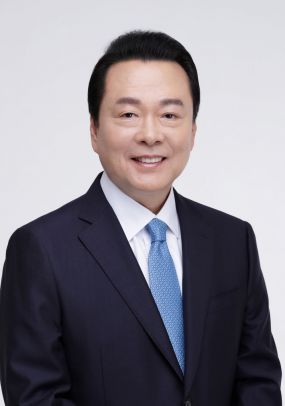
Seoul Gangseo-gu (District Mayor Noh Hyun-song) is expanding its protective fence for at-risk youth.
The district announced it will expand the ‘Gangseo Hanwooltari Project’ for at-risk youth, which has been operating since last year. The project aims to strengthen collaboration and linkage with local related organizations to solidify the community safety net for youth.
The ‘Gangseo Hanwooltari Project’ provides welfare services in medical, educational, and housing fields to youth from low-income at-risk families in the area, serving as a strong protective fence to help youth become independent.
In August, the district signed additional agreements with one medical institution, three independence and education institutions, and one legal advisory institution, in addition to the existing 13 medical institutions, and will begin full support this month.
The ‘medical fence’ for at-risk youth will become more comprehensive, and new ‘independence and education fence’ and ‘legal fence’ will be established.
The newly added partner institutions are ▲Mucheok Bareun Korean Medicine Hospital ▲Odd to Cello ▲Kim Young-eun Music School ▲Yein Vocational School ▲Daeryuk Aju Law Firm Ltd.
Mucheok Bareun Korean Medicine Hospital provides customized medical services; Odd to Cello and Kim Young-eun Music School offer instrument lessons and rentals; Yein Vocational School provides vocational training in hair, skin, nails, and makeup; Daeryuk Aju Law Firm offers free legal consultations.
The project targets youth from households with median income below 72% in the district, prioritizing single-parent and grandparent-headed families, multicultural families, out-of-school youth, youth heads of households, and youth with disabilities.
Youth wishing to apply can visit their local community service center. Final selection is made through counseling and eligibility screening.
The district plans to continuously discover local institutions to cooperate in protecting at-risk youth and expand the protective fence into more diverse fields.
Mayor Noh Hyun-song said, “Through this project, I hope each youth in various environments grows into future talents within a strong fence without prejudice or discrimination. We will continue to cooperate with the community to expand the project to support more youth growth.”
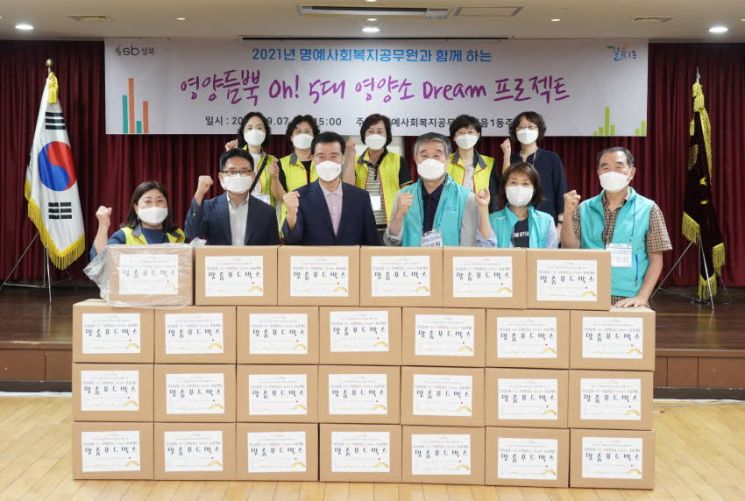
Seongbuk-gu (District Mayor Lee Seung-ro) held the ‘Nutritious Oh! 5 Major Nutrients Dream Project’ on the 7th in Gireum 1-dong, delivering customized food boxes containing the five major nutrients and hygiene kits to elderly living alone at high risk of loneliness and nutritional deficiency due to prolonged COVID-19 social isolation.
Honorary social welfare officers and local care teams who completed COVID-19 vaccination participated in the event while adhering to COVID-19 prevention guidelines.
The customized food boxes differ from conventional food packages by including essential foods for the five major nutrients?carbohydrates, proteins, fats, vitamins, and minerals (calcium)?to enhance elderly health and immunity. Items include mixed grains, noodles, glass noodles, soy milk, canned tuna, apples, vitamins, seaweed, laver, anchovies, etc. Hygiene kits containing antibacterial soap, hand sanitizer, and nail clippers were also provided to prevent infectious diseases. In addition to delivering items, pre-event phone monitoring was conducted to carefully check the dietary habits and health status of the elderly recipients.
Moreover, Gireum 1-dong produced and distributed leaflets about the five major nutrient food groups that are easy to access in daily life to ensure the project is not a one-time management effort.
The event was especially meaningful as it was a joint effort by public officials from the Gireum 1-dong Community Service Center, honorary social welfare officers, and local care teams who have been active in helping other residents.
One elderly recipient, Mr. Kim, who was visited by officials and care teams, said, “My family rarely visits these days, but neighbors coming to check on my health and care for me means so much. You all are more reliable than family,” with tears in his eyes.
Mayor Lee Seung-ro expressed gratitude and encouragement to the honorary social welfare officers participating in the event, saying, “Despite the difficulty of taking care of one’s own family during COVID-19, I deeply appreciate your courage and effort to help marginalized neighbors. The administration will continue to think and strive to support your activities for improving local welfare.”
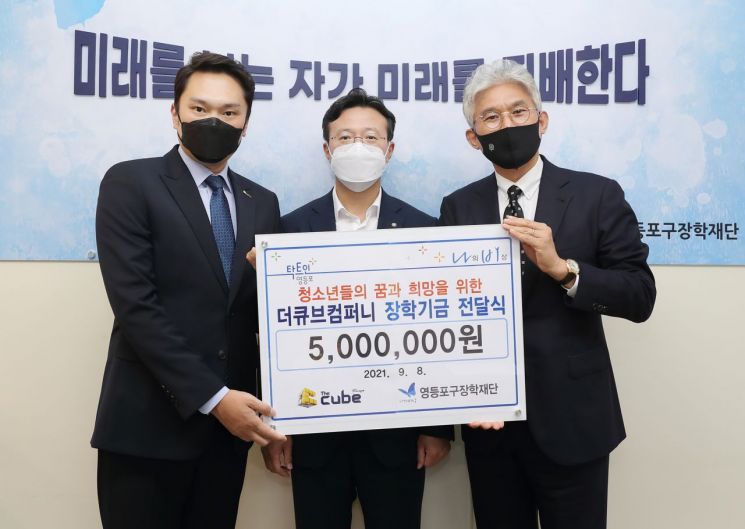
Chae Hyun-il, Yeongdeungpo-gu Mayor, attended the scholarship fund donation ceremony of ‘The Cube Company’ CEO Kim Guk-gi held at the Yeongdeungpo-gu Scholarship Foundation on the afternoon of the 8th.
On this day, The Cube Company donated 5 million KRW to the Yeongdeungpo-gu Scholarship Foundation (Chairman Yoo Jin-hyun) to discover and nurture local talents.
Mayor Chae Hyun-il said, “I sincerely thank CEO Kim Guk-gi of The Cube Company for practicing meaningful sharing despite difficult circumstances due to COVID-19. The district will also strive to help youth nurture their dreams and grow into excellent talents.”
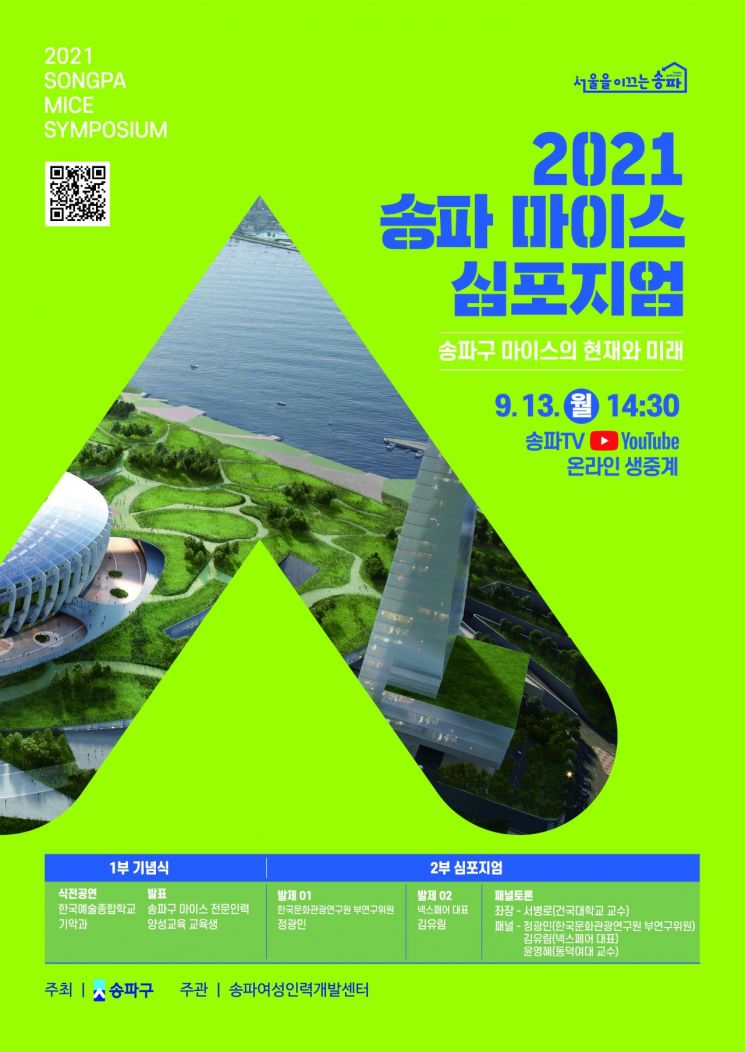
Songpa-gu (District Mayor Park Seong-su) announced on the 9th that it will hold the first-ever ‘MICE Symposium’ on September 13 to foster a world-class MICE city.
MICE stands for Meeting, Incentives, Convention, and Exhibition, a service industry combining these four fields. It is a high value-added industry with growing importance due to its effects on tourism activation, economic ripple effects, and job creation.
Currently, the ‘Jamsil MICE Complex’ is being developed as part of the international exchange complex district project around Jamsil Sports Complex in Songpa-gu. International-scale conference facilities, exhibition halls, and hotels are scheduled for completion in 2026. The district is focusing on nurturing MICE industry professionals and attracting related companies.
This symposium is linked to the MICE professional training course started by the district in May. Seventeen first-term trainees will participate directly in event planning, promotion, and operation. It provides trainees with field training opportunities and promotes Songpa as a MICE city externally.
The symposium will be held from 2:30 p.m. to 4:30 p.m. on September 13, with the theme ‘The Present and Future of Songpa-gu MICE.’ It will include trainee presentations, expert presentations, and panel discussions. Presenters include Jeong Kwang-min, associate researcher at the Korea Culture and Tourism Institute, and Kim Yu-rim, CEO of Nexfair. Panelists include Professor Seo Byung-ro of Konkuk University and Professor Yoon Young-hye of Dongduk Women’s University.
The district plans to livestream the symposium on the Songpa TV YouTube channel in accordance with COVID-19 conditions.
Mayor Park Seong-su said, “Songpa-gu, as Gangnam’s first tourism special zone, will gain significant synergy effects such as regional economic revitalization by fostering the MICE industry. We will actively discover support measures based on expert opinions to develop Songpa into a world-class MICE city comparable to Singapore and Brussels.”
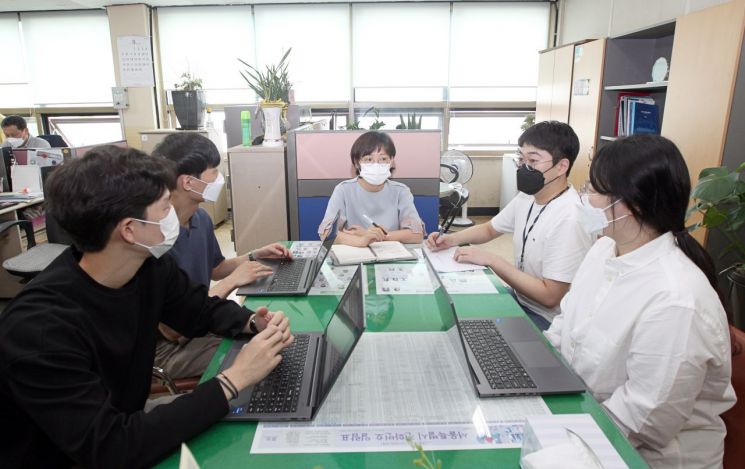
Dongjak-gu (District Mayor Lee Chang-woo) will operate the ‘2021 Public Big Data Analysis Youth Internship’ from September 6 to December 31 for young people seeking employment in data-related fields.
The ‘2021 Public Big Data Analysis Youth Internship’ program was created to provide young people with practical experience in big data fields in administrative and public institutions amid increasing demand for data-driven administration in the public sector.
In particular, the district launched this program to support young people struggling to find jobs due to lack of experience.
This year, three participants were selected from the recruitment held in April. Each participant receives 1.83 million KRW per month (before tax) and will receive an ‘Internship Participation Certificate’ upon completion.
Once analysis tasks are confirmed, participants will perform data collection, preprocessing, big data visualization and analysis, and be evaluated through monthly and final reports.
The district will also provide a ‘Job Support Program’ for interns during the training period, with details to be announced separately via Riro School (cslee.riroschool.kr). For more information, contact the Future City Division.
Moon Jeong-soon, head of the Future City Division, said, “Last year, six public data youth interns were selected, and two succeeded in employment. We hope this year’s public big data internship will help young people struggling to find jobs.”
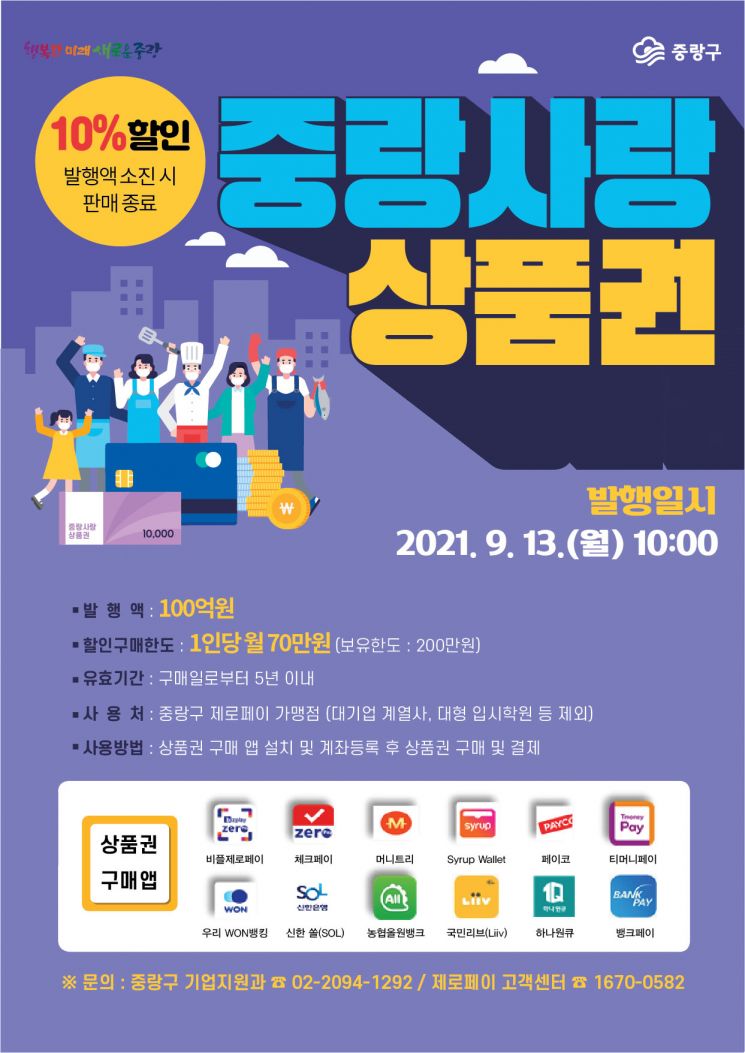
Jungnang-gu (District Mayor Ryu Gyeong-gi) will start selling ‘Jungnang Love Gift Certificates’ worth 10 billion KRW from 10 a.m. on the 13th ahead of the Korean Thanksgiving holiday.
Jungnang Love Gift Certificates are regional gift certificates issued in mobile form to increase sales for small business owners. They can be purchased at a 10% discount up to 700,000 KRW per person regardless of residence.
This is the third issuance following a total of 20 billion KRW issued in February and July. In July, the certificates sold out within 30 minutes, receiving great response. Encouraged by this popularity, the district secured additional budget to reduce household burdens during the holiday and revitalize the local economy affected by COVID-19.
The certificates come in three denominations: 10,000 KRW, 50,000 KRW, and 100,000 KRW, and can be purchased through Zero Pay payment apps such as Beeple Zero Pay and Check Pay.
They can be used at about 12,000 Zero Pay affiliated stores in the area, including traditional markets, restaurants, academies, and neighborhood marts. Large marts, some large corporate affiliates, franchise direct stores, and academies with annual sales exceeding 1 billion KRW are excluded to support small business sales.
Affiliated stores can be checked via the usage guide app ‘Z-MAP.’
Consumers benefit from a 10% discount and 30% income deduction, and self-employed merchants are exempt from payment fees, benefiting both household and local economies.
Mayor Ryu Gyeong-gi said, “I hope residents participate in purchasing Jungnang Love Gift Certificates to enjoy discounts and help revive local small businesses. We will strive to create an environment where small business owners and residents can coexist amid the prolonged COVID-19 pandemic.”
Gwangjin-gu (District Mayor Kim Seon-gap) developed a smartphone application ‘Gwangjin Nadeuli’ that allows users to view all tourism information of Gwangjin-gu at a glance.
‘Gwangjin Nadeuli’ provides major tourism information of Gwangjin-gu, including five major tourism courses: ▲Achasan Trail ▲Gwangnaru Course ▲Child-Friendly Course ▲Youth Culture Course ▲Han River Healing Course, as well as cultural heritage, festival schedules, and accommodation information.
It also links GPS to detect the user’s location and provides convenient navigation by connecting with public transportation and navigation systems.
Especially, when visiting major attractions such as Achasan or Children’s Grand Park, the app automatically provides voice guidance, enabling tourism without a separate guidebook.
‘Gwangjin Nadeuli’ can be searched and installed from the Play Store or App Store on smartphones and can be used immediately without any authentication process.
Mayor Kim Seon-gap said, “We developed the free app ‘Gwangjin Nadeuli’ to match the changed travel trends in the COVID-19 era, allowing people to enjoy Gwangjin travel with just a smartphone. We plan to promote various events such as mobile stamp tours to enable more people to conveniently enjoy Gwangjin travel.”
Geumcheon-gu (District Mayor Yoo Seong-hoon) announced it will operate a non-face-to-face jang (fermented paste) making program called ‘Better Taste Than Earthenware Pot’ for residents and local workers starting September 9.
The program aims to spread awareness of healthy ‘home-cooked meals’ and ‘proper food culture’ by making jang, a fundamental Korean seasoning, amid increased time spent at home due to COVID-19.
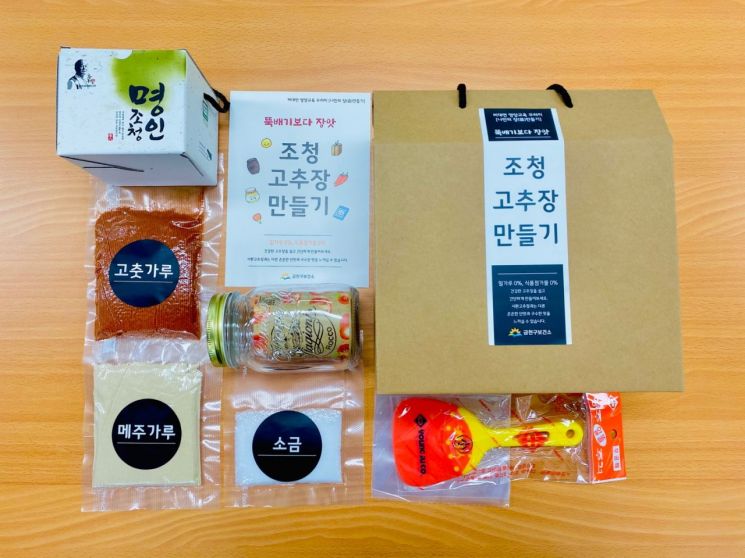
Participants will receive a meal kit containing ingredients such as red pepper powder, meju powder, malt syrup, and salt to make 800g of malt syrup gochujang (red pepper paste) per person, along with cooking instructions.
Applicants must be Geumcheon-gu residents or local workers. The program will recruit 200 sets on a first-come, first-served basis starting September 9 (Thursday). Interested participants can apply by phone at the Public Health Center’s Obesity Clinic.
The program proceeds by participants visiting the health center on their assigned date to receive materials, making gochujang by October 15, and uploading completion photos on Naver Band.
Mayor Yoo Seong-hoon said, “I hope everyone can easily make additive-free gochujang and have a moment to forget COVID-19 and smile. We will continue efforts to foster a healthy food culture so our residents can live healthy lives.”
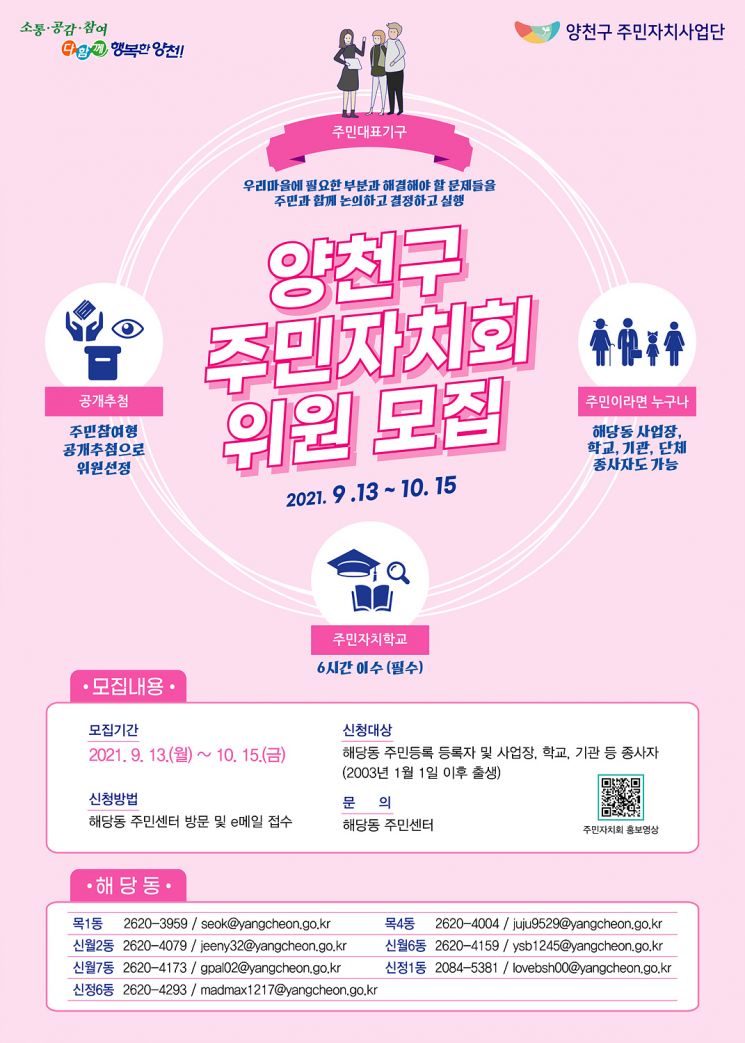
Yangcheon-gu (District Mayor Kim Soo-young) will publicly recruit members for the second expanded resident autonomy committees in seven districts (Mok 1 & 4-dong, Sinwol 2, 6 & 7-dong, Sinjeong 1 & 6-dong) from September 13 to October 15, 2022.
Resident autonomy committees are neighborhood-level representative bodies where residents solve local issues themselves, realizing practical living autonomy by discussing, deciding, and implementing various local agendas through resident assemblies.
Since starting with five pilot districts in 2019 (Mok 2 & 3-dong, Sinwol 5-dong, Sinjeong 3 & 4-dong), and expanding to six districts in 2020 (Mok 5-dong, Sinwol 1, 3 & 4-dong, Sinjeong 2 & 7-dong), 11 districts have formed and operated resident autonomy committees. The district aims to establish and operate resident autonomy committees in all 18 districts by 2022, with the last seven districts now recruiting members.
The number of members per district ranges from 30 to 50. Eligibility requires applicants to be at least 18 years old as of the announcement date and meet one of the following: registered resident in the district, working at a business located in the district, or belonging to schools, institutions, or organizations in the district.
Appointed members serve a two-year term, collecting residents’ opinions and making democratic decisions to solve local issues.
Applicants can submit applications at the seven district community centers (autonomy halls) or online via email. They must complete six hours of mandatory resident autonomy school training held in October. To encourage diverse participation, quotas are allocated by gender, age, individual application, and group recommendation. If applicants exceed quotas, members are selected by public lottery scheduled for November.
For more details on the recruitment, contact the Resident Cooperation Division or the respective district community center. Mayor Kim Soo-young said, “From 2022, all 18 districts will work together through resident autonomy committees to address our village’s issues and find the best solutions. We encourage residents seeking active roles in solving local problems to participate actively.”
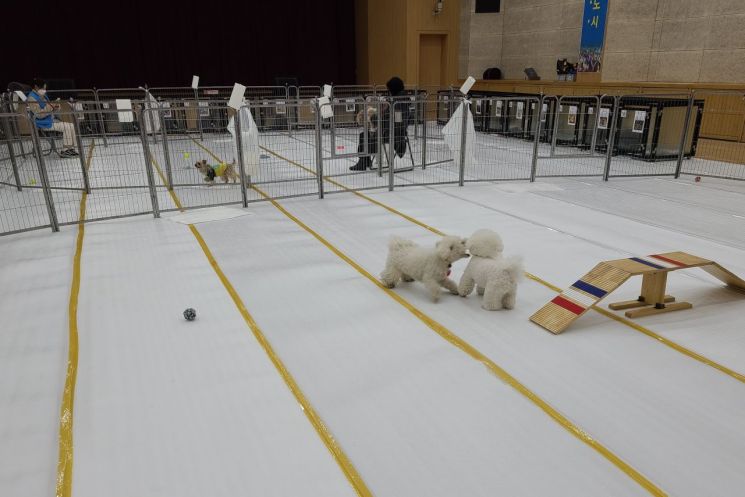
Nowon-gu (District Mayor Oh Seung-rok) announced it will operate the ‘Pet Dog Shelter’ again during the holiday season this year.
The shelter aims to prevent increased abandoned dogs during the holiday period, alleviate residents’ difficulties in booking pet hotels during peak seasons, and reduce costs.
The service is available for small dogs over six months old weighing less than 8kg with no socialization issues. Dogs must be registered and vaccinated against rabies. Pregnant or in-heat dogs are excluded. Priority is given to vulnerable groups such as elderly living alone, disabled, and recipients of social benefits.
The shelter will be set up in the district office’s second-floor auditorium and operate from 9 a.m. on the 20th to 6 p.m. on the 22nd.
The shelter includes individual hotel rooms and playgrounds where dogs can socialize. Playgrounds are equipped with various exercise equipment and toys, separated by gender and size.
During the day (9 a.m. to 9 p.m.), 18 professional pet sitters work in teams of three in two shifts. At night (9 p.m. to 9 a.m.), a night duty staff monitors CCTV and patrols.
The district will provide twice-daily photo updates to owners and coordinate with 24-hour local hospitals to respond promptly to emergencies such as illness or injury.
Applications are accepted until 6 p.m. on the 17th via the district website. Vulnerable groups can apply by phone to the Animal Protection Team. A total of 30 dogs will be accepted, with a care fee of 5,000 KRW.
The shelter recommends bringing familiar food, toys, bedding, or items with the owner’s scent to help pets adjust to the unfamiliar environment.
The shelter was first operated during Chuseok in 2018 with 20 dogs and expanded to 30 dogs from 2019 due to residents’ positive response.
Mayor Oh Seung-rok said, “I hope this service helps those who need temporary care for their pets during Chuseok. We will continue to expand various policies for the happiness of both people and animals.”
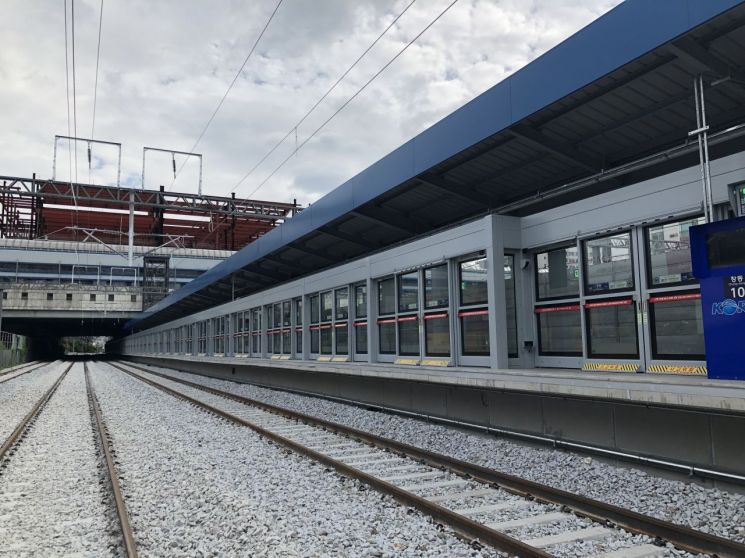
Dobong-gu (District Mayor Lee Dong-jin) announced that subway operations on the line with the expanded platform and screen door installation at Chang-dong Station Line 1 will resume from September 11.
Chang-dong Station Line 1 was the only subway station in Seoul without platform safety devices such as screen doors, posing safety risks to waiting passengers.
To ensure safety and a pleasant environment for citizens using Chang-dong Station, Dobong-gu collaborated with Korea Railroad Corporation (KORAIL), Seoul Metro, and the National Railroad Corporation to expand the platform, install screen doors, install escalators connecting east and west passages, and install transfer elevators between Lines 1 and 4.
As a result, the escalator connecting east and west passages opened in June, and on September 11, platform expansion and screen door installation were completed, resuming subway operations on the line.
Dobong-gu plans to complete the transfer elevator installation between Lines 1 and 4 and open the escalator at Ssangmun Station Exit 3 by the end of this year.
Mayor Lee Dong-jin said, “With the completion of screen doors and platform expansion, residents can now safely use the subway at Chang-dong Station Line 1. We will continue efforts to create safe and convenient public transportation conditions.”
© The Asia Business Daily(www.asiae.co.kr). All rights reserved.



















