Australia Officially Demands Investigation into Wuhan COVID-19 Origin in April Last Year
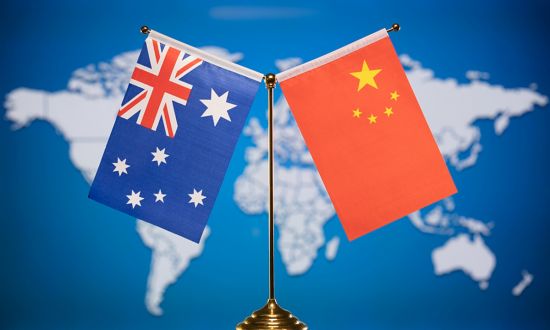
Diplomatic Relations with China Rapidly Cool... Cyberattacks Follow Trade Retaliation
Experts: "First Time Seeing a Country Attack Civilian Sector Like China"
Former PM Turnbull: "Cyberattacks Only Further Erode Trust"
[Asia Economy Reporter Kim Suhwan] "It felt as if someone was knocking. It came suddenly without any warning."
Robert Porter, CEO of Australian cybersecurity firm 'Internet 2.0,' recalled the time last April when hacking bots (software that performs automated hacking tasks) originating from China launched simultaneous attacks on the Australian government's internet network.
However, their attacks did not stop there. Attempts by the hacking bots continued for several months afterward, targeting parliamentary staff email networks, the Department of Defense, and the Department of Welfare, according to officials. Furthermore, major ministers were reportedly subjected to phishing attacks, resulting in data breaches.
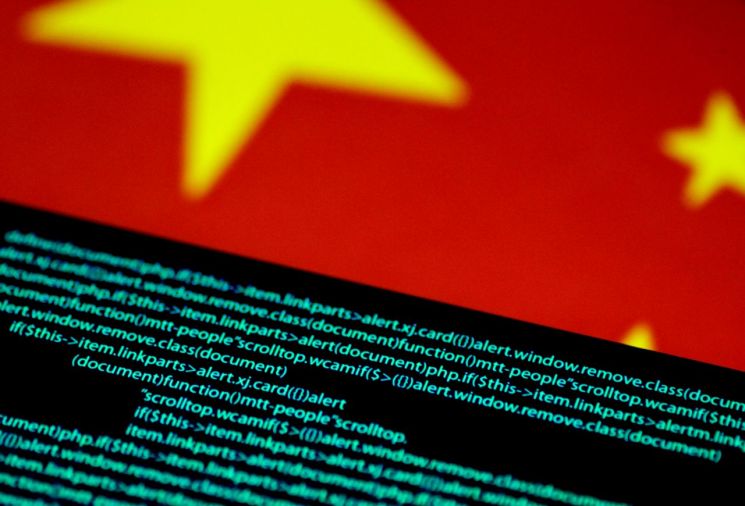
In fact, according to Australian authorities, government agencies were listed for the first time last year among the top five industries experiencing the most data breaches due to foreign cyberattacks.
A source recently told major foreign media, "These hacking bots also attacked the education and financial sectors," adding, "Numerous companies and university corporations were also targeted."
At the time, the Chinese government denied the hacking attempts, but Australian experts pointed out that these hacking bots appeared to have been created by hacking groups sponsored by the Chinese government.
"China Launches Cyberattacks Beyond Imagination... Private Sector Also Targeted"
As tensions between Australia and China escalate, analyses suggest that Australia has become a target of Chinese hacker groups.
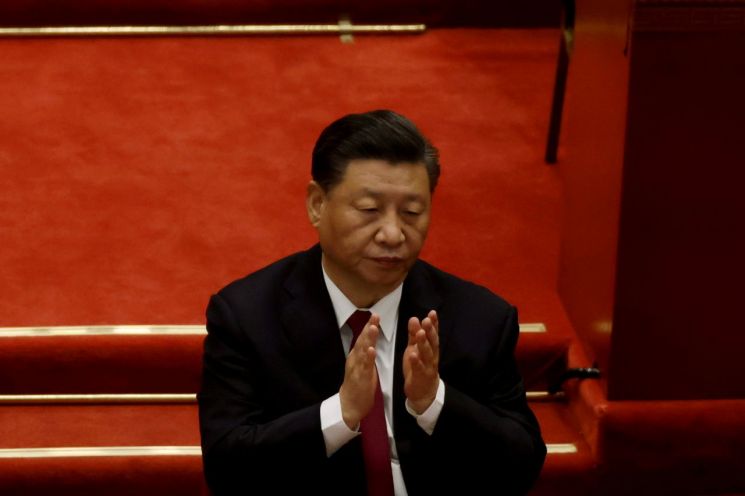
Since Australian Prime Minister Scott Morrison officially called on the international community last April to investigate the theory that COVID-19 originated in Wuhan, China, relations between Australia and China rapidly deteriorated.
China imposed anti-dumping tariffs on Australian barley and wine and restricted beef imports as trade retaliation measures. In response, Australia officially filed a complaint with the World Trade Organization (WTO) against China's wine anti-dumping tariffs.
Amid ongoing trade conflicts, Chinese authorities also retaliated against Australia in the cyber domain.
Foreign media analyzed that, as in Australia's case, China is increasingly conducting cyberattacks in addition to trade retaliation against countries with which it has diplomatic conflicts.
While cyberwarfare is not exclusive to China, with countries like Russia, the United States, Israel, and India also participating, China is noted for having a particularly distinctive characteristic among these nations.
Bloomberg reported, "What sets China apart from other countries is the scale of cyberattacks that go beyond imagination."
The fact that China launched attacks not only on Australian government agencies but also on private sectors such as financial companies and universities exemplifies this.
Michelle Price, an Australian cybersecurity expert, said, "Cybersecurity alerts were also issued for Australia's lobster and barley industries," indicating that China appears to be attempting cyberattacks on private export industries as well.
He added, "Retaliation against the government is causing damage to the economy and local communities," and "The private sector is suffering collateral damage due to government-to-government diplomatic mechanisms."
Professor Hugh White of the Australian National University said, "I have not seen any country conducting cyberattacks across all sectors of society as extensively as China."
There is also an analysis that China's cyberattacks serve as a form of deterrence and containment strategy against Australia, a major power in the Pacific region, as China seeks to expand its influence in the Asia-Pacific region while Australia strengthens its relationship with the United States.
Professor White said, "China likely wanted to show Asian countries the price they would pay if they chose the United States in diplomatic relations," adding, "Australia became a representative victim."
Former Australian Prime Minister: "China's Cyberattack Retaliation Only Further Erodes Trust"
One reason why Chinese cyberattacks are particularly concerning is that attacks by government-sponsored organizations are difficult to detect.
Paul Nevin, Chief Technology Officer of Australian cybersecurity firm Cybermerc, said, "Senior government officials can only learn about attacks through subsequent detection by external security firms," adding, "Officials have no choice but to minimize exchanging confidential information via communication devices."
The Australian government also considers China's cybersecurity attacks a major threat to the country and appears to be prioritizing responses accordingly.
Intelligence authorities published their first regular report last September, stating that the "new normal era" of cyberattacks has arrived, which "blurs the line between war and peace."
Australian Defense Minister Linda Reynolds warned, targeting China, "Sophisticated hacking attacks are being carried out by organizations directly sponsored by the government," adding, "They are constantly looking for opportunities to threaten our nation."
Despite this, Australian authorities seem determined not to yield to China's various retaliatory measures and cyberattack threats.
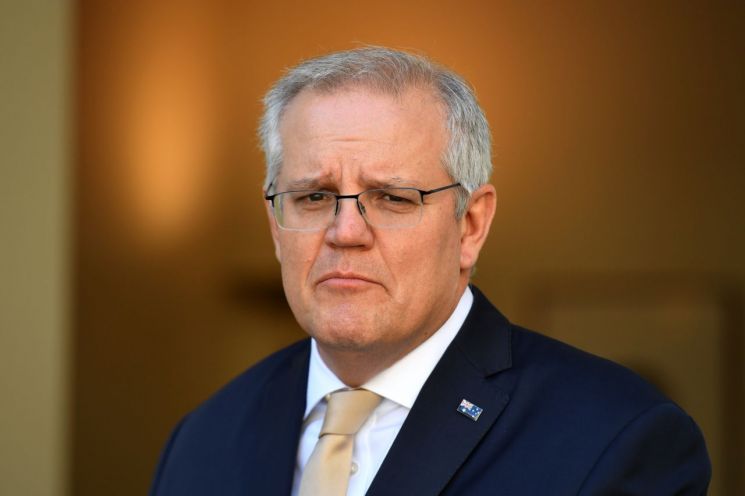
Malcolm Turnbull, former Australian Prime Minister who previously banned the introduction of Huawei's 5G mobile communication equipment, emphasized, "When there is no trust in your (China's) participation in our 5G network projects, retaliatory measures against other industries only further erode trust."
© The Asia Business Daily(www.asiae.co.kr). All rights reserved.



















