Food Poisoning Symptoms in About 10 Customers at Gimbap Shop in Paju Following Seongnam and Goyang
Civilians Say "Gimbap Is an Easily Accessible Food, but We Feel Anxious"
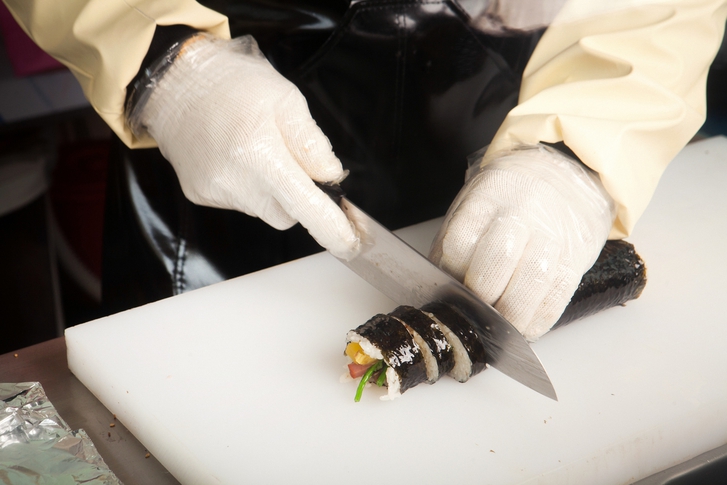 Recently, as patients complaining of food poisoning symptoms after eating gimbap have been appearing one after another, the anxiety among citizens is growing. [Image source=Getty Images]
[Asia Economy Reporter Han Seung-gon] "Honestly, I’m quite anxious.", "I plan to eat it once the issue settles down."
Following Seongnam and Goyang in Gyeonggi Province, residents who ate food from a gimbap restaurant in Paju showed collective food poisoning symptoms, prompting health authorities to conduct an epidemiological investigation. Citizens expressed concerns about consuming gimbap. Although it is a commonly accessible food, there are worries about the risk of food poisoning. The government urged thorough hygiene management for restaurant operations during the summer season.
According to Paju City on the 27th, more than 10 residents who used or ordered delivery from a gimbap restaurant in Dongpae-dong between the 20th and 22nd experienced symptoms of food poisoning such as vomiting and abdominal pain.
On the 23rd, Paju City collected samples from 10 citizens who ate food from this gimbap restaurant and sent the restaurant’s ingredients to the Northern Branch of the Gyeonggi-do Institute of Health and Environment for testing.
A hygiene department official from Paju City explained, "We have completed testing on about 27 people who reported food poisoning symptoms after eating at the gimbap restaurant," adding, "The test results are expected around the 30th." Detailed tests regarding egg components were conducted on the 26th, and results will be available afterward.
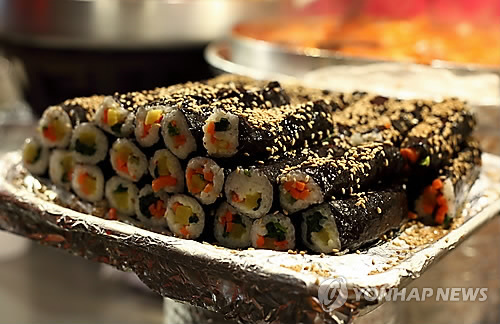
Earlier, from the 29th of last month to the 2nd of this month, 276 people who purchased gimbap from two branches of a gimbap specialty store in Bundang-gu, Seongnam City, also showed food poisoning symptoms, with about 40 hospitalized for treatment. Among 24 food poisoning patients who used one branch of this gimbap specialty store, Salmonella bacteria were detected in samples from 13 individuals. At the other branch, Salmonella was found in samples from 5 out of 10 people.
Meanwhile, in Goyang City, a woman in her 20s, Ms. A, who used a gimbap restaurant in Deogyang-gu on the 23rd, died on the 25th due to food poisoning symptoms, and 29 other customers from the same restaurant showed similar symptoms, prompting health authorities to conduct an epidemiological investigation. The police are investigating the exact cause of Ms. A’s death.
As Salmonella bacteria were detected in gimbap, a food commonly encountered and easily purchased nearby, citizens expressed anxiety.
Kim, a university student in her 20s, said, "Isn’t gimbap a food anyone can easily buy at convenience stores or gimbap restaurants?" She added, "Since many people have contracted food poisoning, I’m hesitant to eat gimbap."
Park, a company employee in his 30s, also said, "When I get hungry at work, I usually buy triangular gimbap, but I haven’t eaten any recently because I’m worried." He added, "It must be very difficult for those running gimbap restaurants, especially with the recent hardships caused by COVID-19."
The problematic Salmonella bacteria are pathogenic bacteria that inhabit the intestines of chickens, ducks, pigs, and other animals. Consuming contaminated eggs, meat, or dairy products can cause food poisoning symptoms such as fever, abdominal pain, and vomiting after an incubation period of 6 to 72 hours.
Additionally, the bacteria grow best at 37 degrees Celsius, so extra caution is needed during the hot and humid summer. According to the Ministry of Food and Drug Safety, 63% of Salmonella food poisoning cases from 2016 to 2020 were caused by eggs.
The government suspects cross-contamination as the cause of the food poisoning incidents and urges strict hygiene management. Cross-contamination refers to the spread of food poisoning bacteria when hands contaminated by touching eggshells or raw meat come into contact with other ingredients.
Kim Kang-rip, Commissioner of the Ministry of Food and Drug Safety, said, "Although the cause of the recent food poisoning incidents has not yet been confirmed, it is currently presumed to be due to cross-contamination," adding, "After handling ingredients such as cracking eggs or cutting raw meat, hands must be thoroughly washed with soap or detergent, and especially when touching eggs, hands should be washed very carefully due to the risk of Salmonella infection."
Regarding the management of gimbap restaurants and other eateries, he urged, "Restaurants should strictly follow the '6 Major Food Poisoning Prevention Rules' to strengthen hygiene management, and consumers are advised not to leave cooked food at room temperature and to consume it as soon as possible."
© The Asia Business Daily(www.asiae.co.kr). All rights reserved.


















