State Media: Afghan Rare Earth Value Up to $3 Trillion... US Accused of 20 Years of Rare Resource Plundering
US May Impose Economic Sanctions on Afghanistan to Block Cooperation with China
[Asia Economy Beijing=Special Correspondent Jo Young-shin] China and the United States are engaged in a tense standoff over rare natural resources, including rare earth elements, possessed by Afghanistan.
China's state-run Global Times reported on the 19th in an article titled "The U.S. is not in a position to interfere with potential rare earth cooperation between China and Afghanistan," estimating that the value of rare earth deposits in Afghanistan could reach up to $3 trillion.
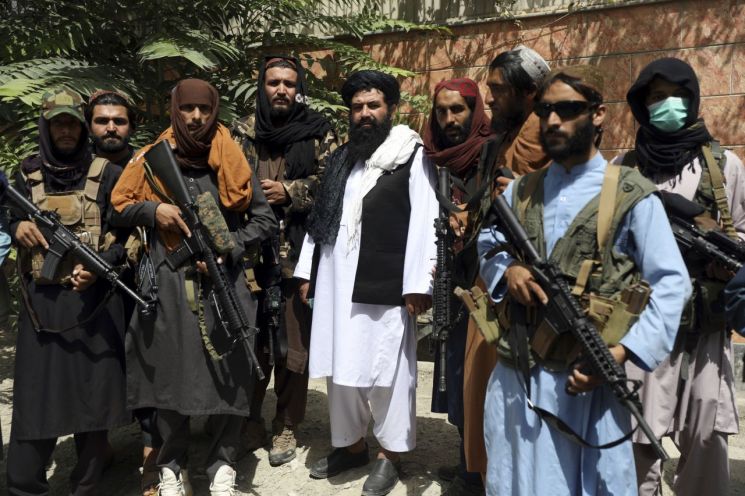
The outlet pointed out that the U.S. is concerned about China’s use of Afghanistan’s rare earths in connection with the Taliban and suggested that the U.S. might obstruct cooperation with China through economic sanctions on Afghanistan in the future.
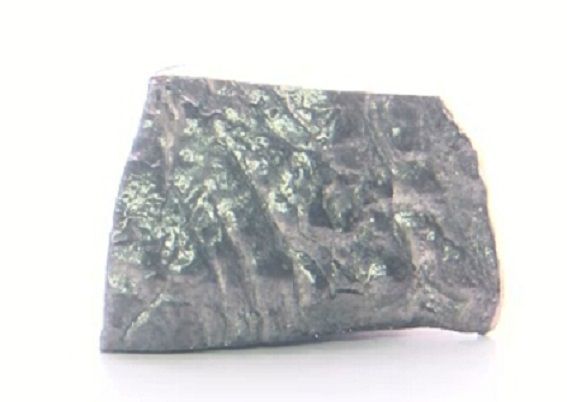
Rare earth elements, often called the vitamins of advanced industries, are essential materials widely used in cutting-edge sectors such as semiconductors, batteries, and fighter jets. As the U.S. tightened sanctions on Chinese companies, concerns have been raised that China, which controls the global supply, could weaponize rare earths.
The Global Times suspected that the U.S., which had stationed troops in Afghanistan for 20 years under the pretext of the "War on Terror," had economic considerations behind this war.
It also reported that the premature U.S. withdrawal from Afghanistan meant the loss of privileges for American companies regarding rare resources, and that these companies are dissatisfied with the Joe Biden administration. The outlet argued that the U.S. has no right to interfere with potential rare earth cooperation between China and Afghanistan.
The Global Times stated that regardless of who governs Afghanistan, economic cooperation between China and Afghanistan will be decided by the two countries themselves, citing copper mining rights and oil drilling contracts signed with the Afghan government in 2009 and 2011.
In fact, in 2009, China and the Afghan government signed a memorandum of understanding (MOU) on mining cooperation. This MOU included the mining rights for the Aynak copper mine. Located 30 to 40 km from the capital Kabul, this mine is known to have the world’s second-largest copper reserves. The Global Times predicted that once the copper mining project is fully underway, it will create more than 10,000 jobs in Afghanistan.
In 2011, a Chinese company secured development rights for the Faryab oil field in Afghanistan, with the authority to drill for 25 years, the Global Times reported. The outlet noted that due to instability in Afghanistan, copper and oil development projects had not progressed, but with the new Afghan government’s strong interest in national reconstruction, these previously stalled resource development projects are expected to move forward.
The Global Times criticized the U.S., stating that as of last year, Afghanistan’s gross domestic product (GDP) ranked 112th in the world, attributing this to the U.S.’s economic policies that led predatory resource development.
The Global Times claimed that China will implement a "win-win" policy to assist in rebuilding Afghanistan’s national infrastructure?such as power, roads, water resources, communications, hospitals, and schools?once Afghanistan’s political and social environment stabilizes.
© The Asia Business Daily(www.asiae.co.kr). All rights reserved.


















