20% Annual Growth Since 2010
Driven by COVID-19 and Subscription Services
Consumption Expands to Men and Elderly
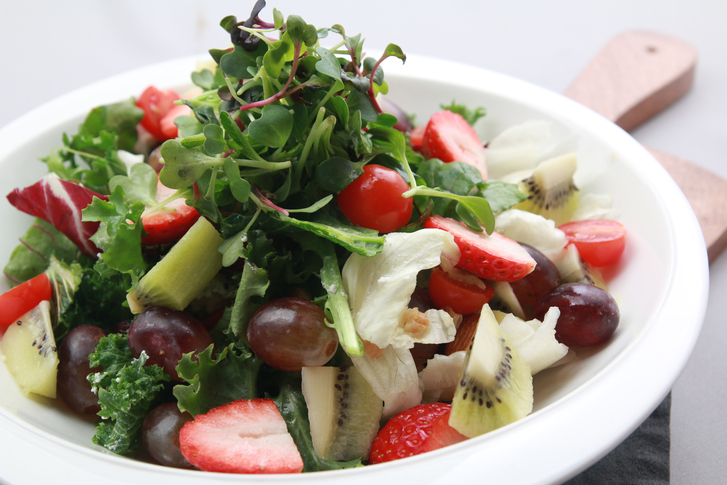
[Asia Economy Reporter Lee Seung-jin] With increased interest in health due to COVID-19 and the rise of the subscription economy, the salad market has surpassed the 1 trillion won mark. This is the result of an average annual growth rate of 20% since 2010.
According to the Korea Rural Economic Institute on the 13th, the fresh convenience fruit and vegetable market, which can gauge the size of the salad market, grew to 889.4 billion won in 2018, 936.9 billion won in 2019, and was recorded at 1.1369 trillion won last year.
The food industry expects the salad market to grow by double digits again this year. Interest in health has increased due to COVID-19, and as the food industry rushes into the salad market, consumers' choices have greatly expanded. In particular, subscription services that significantly enhance the convenience of salad consumption are driving market growth.
 hy Fresh Manager is delivering products from the salad specialty brand 'It's On Green Kit' to customers.
hy launched the salad specialty brand ‘It’s On Green Kit (Green Kit)’ in 2018 and has sold over 1.8 million products to date. A fresh manager delivers refrigerated products to the customer's desired location. As of July, Green Kit sales grew fivefold compared to 2019. CJ Foodville introduced a new salad delivery specialty brand called ‘Where’s My Salad’ in June. Salads are delivered from directly operated stores to nearby areas.
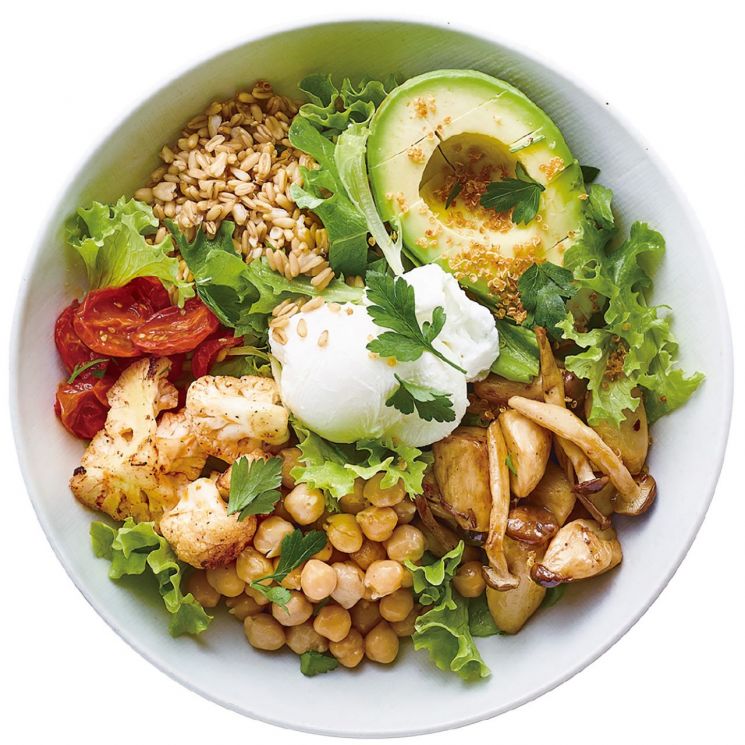
Dongwon Home Food opened the 5th store of its salad specialty cafe ‘Crispy Fresh’ this month. Each individual store's sales have grown about 100% compared to when they first opened, showing high popularity, and there are plans to increase the number of stores in the second half of the year.
Meanwhile, the salad market is growing mainly among women in their 30s. Among hy Green Kit customers, the largest ordering group was women in their 30s (20%). By age group, those in their 30s (31%) were the highest, followed by those in their 40s (26%), 50s (19%), and 20s (13%). By gender, women (66.5%) ordered 33 percentage points more than men (33.5%).
A food industry official explained, "Salads are now establishing themselves as a complete meal rather than just a meal replacement," adding, "Recently, not only young women but also men and the elderly are increasingly consuming salads, so the related market is expected to continue growing."
© The Asia Business Daily(www.asiae.co.kr). All rights reserved.
!["The Woman Who Threw Herself into the Water Clutching a Stolen Dior Bag"...A Grotesque Success Story That Shakes the Korean Psyche [Slate]](https://cwcontent.asiae.co.kr/asiaresize/183/2026021902243444107_1771435474.jpg)


















