[Seoul District News] Guro-gu Opens Sindorim Cultural Space Darak (多樂) on the 3rd... Mapo-gu Opens Hapjeong Station Smart Library... Jung-gu Leads Seoul Districts in First COVID-19 Vaccine Dose Rate... Dobong-gu Delivers Cool Bedding Sets and Operates Heatwave Escape Refrigerators... Seongbuk-gu Achieves 95% Completion Rate in 2021 Resident Autonomy School Education... Yongsan-gu Forms Special Task Force for Single-Person Household Measures... Yangcheon-gu Conducts Non-Face-to-Face Health Management via Video Calls in With-Corona Era... Eunpyeong-gu Rebirths Neglected ‘Mulpuregol’ as Healing Garden...
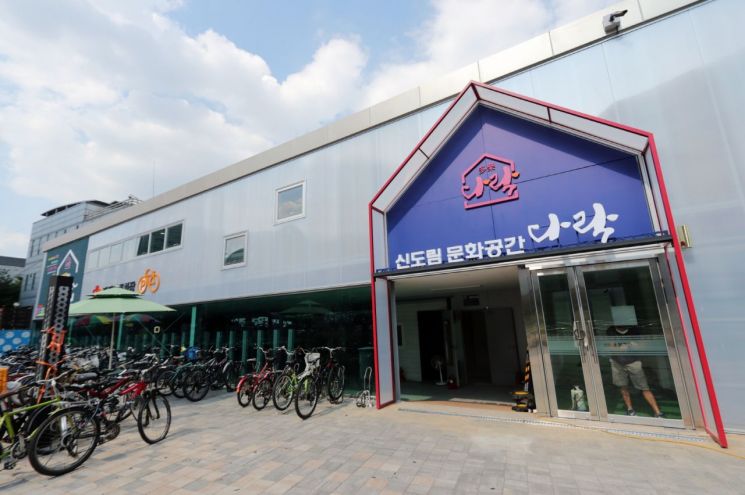
Guro-gu Opens ‘Sindorim Cultural Space Darak (多樂)’ on the 3rd
[Asia Economy Reporter Park Jong-il] Guro-gu (Mayor Lee Sung) is opening the ‘Sindorim Cultural Space Darak (多樂)’.
On the 2nd, Guro-gu announced, “To enable residents to freely enjoy cultural life close to home, we have created a complex cultural space utilizing the bicycle parking lot near Sindorim Station, and it will open on the 3rd.”
‘Sindorim Cultural Space Darak,’ located on the 2nd floor of the bicycle parking lot in front of Exit 2 of Sindorim Station (Saemal-ro 121-15), covers a total area of 347.9㎡ and includes performance spaces, reading areas, photo zones, and rest areas.
‘Darak’ will operate various cultural programs such as exhibitions of works by local artists and clubs, planned exhibitions, and film screenings, while also serving as a community space for residents.
Operating hours are from 10 a.m. to 9 p.m. Tuesday through Friday, and from 10 a.m. to 7 p.m. on Saturdays and Sundays. It is closed every Monday and on public holidays.
To commemorate the opening of ‘Darak,’ Guro-gu has prepared a special exhibition titled ‘Back in My Day.’
Running from the 3rd of this month through December 31st, this five-month exhibition features the theme of ‘Newtro’ (New+Retro), encompassing various generations. About 70 items such as household goods from the 70s and 80s, posters, old arcade game machines, and comic books are on display.
Guro-gu hopes that ‘Sindorim Cultural Space Darak’ will become a place widely used by residents as an open space for everyone. Admission is free, but due to COVID-19 social distancing measures, entry is limited to 15 people at a time.
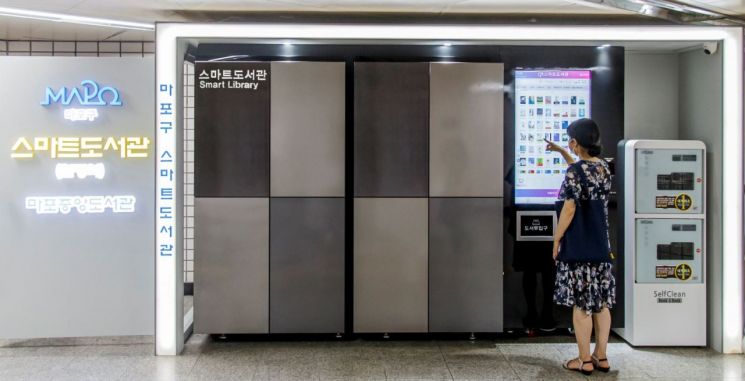
Mapo-gu Opens Hapjeong Station Smart Library
Mapo-gu (Mayor Yoo Dong-gyun) will officially open an unmanned smart library near Exits 6 and 7 of Hapjeong Station, a transfer station for Lines 2 and 6, on the 10th.
The smart library is an unmanned automated system that allows residents to immediately borrow and return books stored within the device without visiting a library. It enables book lending and returns even on library closure days or at night, gaining attention for its safe and convenient contactless service during the COVID-19 pandemic.
The Hapjeong Station smart library, the first operated by the district, was chosen for its high foot traffic and accessibility to local residents. Before the official opening on August 10th, a temporary operation period from the 2nd to the 9th will be conducted to address any shortcomings.
In particular, to ensure a hygienic reading environment amid COVID-19, the district has also installed a book sterilizer for safe use.
Any registered member of Mapo-gu Public Library can conveniently borrow books, and the smart library is available 365 days a year during subway operating hours (5:30 a.m. to midnight). Even non-members can register on-site via the ‘Seoul Citizen Card’ app to borrow books contactlessly.
Each person can borrow up to two books for 15 days, including the day of borrowing, with a possible 7-day extension via the Mapo-gu Public Library website. However, borrowing is restricted if the total number of loans exceeds five at Mapo Central Library or if the member’s borrowing privileges are suspended. Books borrowed from the smart library must be returned to the same device.
About 500 carefully selected books, including popular titles, recommended books from reading-related institutions, new releases, and curriculum books for children and youth, await residents. Books can be searched by popularity, category, or keywords. The district plans to regularly update new and popular books based on usage data.
Mayor Yoo Dong-gyun said, “Using the smart library, residents can easily borrow desired books 365 days a year within their daily living areas such as commuting routes. We will continue efforts to expand reading culture in daily life by enhancing residents’ convenience.”
For more information, visit the Mapo Central Library website or contact the library operations team.
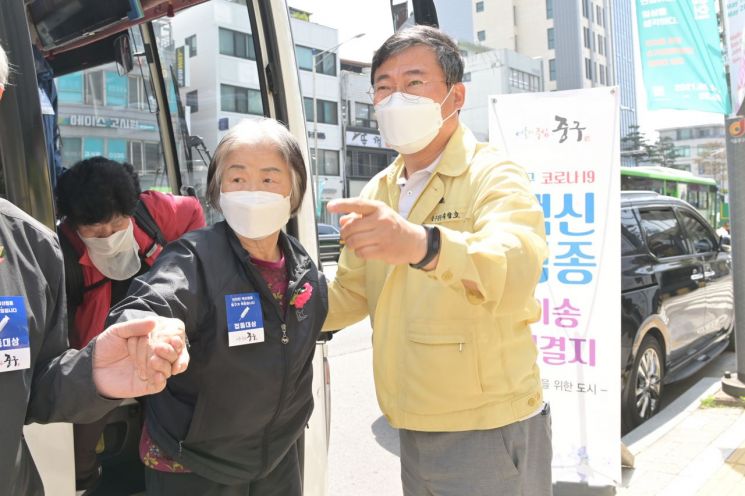
Jung-gu Ranks First Among Seoul Districts in First Dose COVID-19 Vaccination Rate
Jung-gu (Mayor Seo Yang-ho) is accelerating the timeline for herd immunity against COVID-19 by achieving the highest first-dose vaccination rate among Seoul’s 25 districts.
As of July 27th, the first-dose vaccination rate reached 53.5% of the district’s total population, significantly higher than Seoul’s average of 34.4%. The second-dose completion rate is also high at 21.8%, surpassing the district average of 13.4%.
Vaccination rates among vulnerable groups such as academy, call center, and care workers are also outstanding at 87.8%, compared to 53.5% citywide.
Since February, the district swiftly established a vaccination plan and collaborated with public and private medical institutions including the National Medical Center and the Korean Nurses Association to secure sufficient medical personnel. The Jung-gu Vaccination Center was set up at Chungmu Sports Center, a location with high resident accessibility, operating two centers simultaneously at the start to accelerate vaccination speed.
Special transportation services with dedicated buses and accompanying staff such as community center employees and visiting nurses were provided to assist elderly residents with mobility issues, ensuring a smooth vaccination process.
Post-vaccination monitoring is conducted for at least three days, and a 24-hour vaccination call center is available to respond to adverse reactions and emergencies.
From July, vaccination efforts intensified with appointments for unvaccinated individuals aged 60-74, education and childcare workers, university entrance exam candidates, people in their 50s, and large workplaces conducting their own vaccinations.
The high participation rate is attributed to ongoing communication and trust built between the district and residents.
Jung-gu operates temporary screening clinics at Seoul Station and City Hall Plaza and a ‘special mobile team’ in department stores and large office areas, conducting about 2,300 proactive tests daily, playing a leading role in Seoul’s urban quarantine efforts. Mayor Seo Yang-ho stated, “We will spare no material or human resources to ensure that 70% of residents complete vaccination safely and swiftly by November. We urge all residents to actively participate in vaccination to achieve herd immunity as soon as possible.”
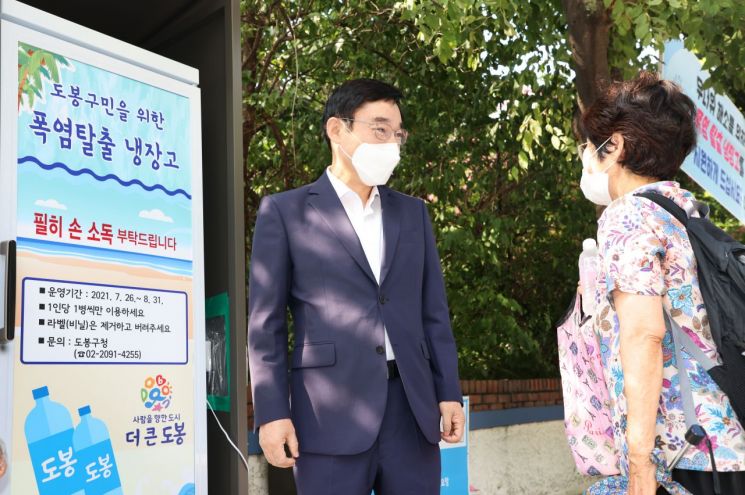
Dobong-gu Distributes Cool Bedding Sets and Operates Heat Escape Refrigerators
Dobong-gu (Mayor Lee Dong-jin) is supporting cooling supplies such as cool bedding sets and refreshing bottled water to soothe residents exhausted by the prolonged heatwave.
The district will provide cool pillows and cool mats to about 6,500 people, including 6,300 recipients of basic livelihood security and near-poverty groups aged 65 and older, plus about 200 vulnerable individuals recommended by each neighborhood. This aims to offer a cool sleeping environment to those who may lack adequate cooling facilities amid ongoing tropical nights. Considering COVID-19, the cooling supplies will be delivered by courier and distributed by early August.
Meanwhile, heat escape refrigerators will be operated at various locations throughout Dobong-gu until the end of August. Thirteen sites with high foot traffic and frequent sun exposure, such as riversides, parks, and screening clinics, have been selected for emergency installation of water supply refrigerators. These ‘heat escape refrigerators’ are stocked with cool bottled water four times a day and are freely available to anyone in need to quench thirst.
To ensure hygienic management and prevent misuse, volunteer groups including the autonomous disaster prevention team have been assigned as guardians of the refrigerators. Guardians manage the refrigerators from 6 a.m. to 7 p.m. and promote their use to residents. Recycling bins are installed next to the refrigerators for empty bottles.
Additionally, refrigerators are operated at three screening clinics in Dobong-gu so residents can take bottled water after testing. These refrigerators have been well received by residents who experience thirst and tension after waiting and testing outdoors in the daytime heat.
Dobong-gu also operates comprehensive heatwave countermeasures including cooling shelters, nighttime safety accommodations, health management visits for vulnerable groups (check-in calls), free parasol rentals, installation of crosswalk and park shade shelters, and expanded street water cleaning.
Mayor Lee Dong-jin said, “With social distancing at level 4 limiting personal communication, safety blind spots may occur during the heatwave, so we are making every effort to fill these gaps. We will especially focus on vulnerable groups like the elderly who may face health risks from extreme heat and continue to prepare additional support measures.”
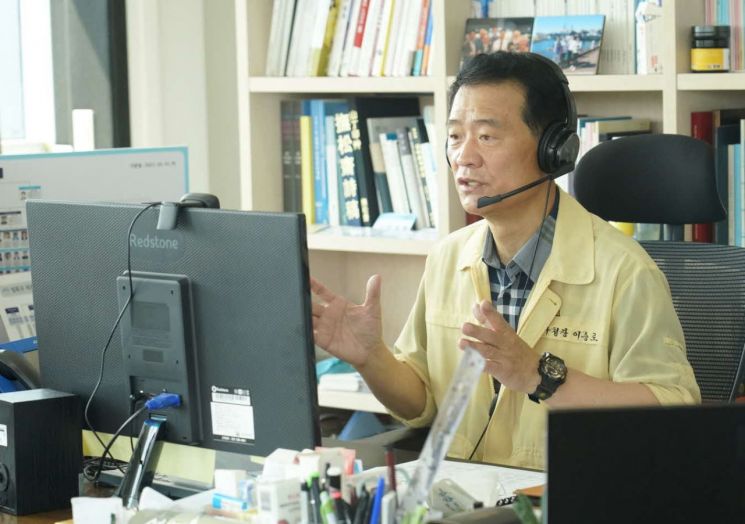 Seung-ro Lee, Mayor of Seongbuk-gu, is greeting residents through a non-face-to-face ZOOM video conference at the '2021 Seongbuk-gu Online Resident Autonomy School' held on the 24th of last month.
Seongbuk-gu Records 95% Completion Rate for 2021 Resident Autonomy School Education
Seongbuk-gu (Mayor Lee Seung-ro) announced the successful completion of the 24-day ‘2021 Seongbuk-gu Online Resident Autonomy School’ conducted for applicants to the 2nd term Resident Autonomy Committee.
Supported fully by Seongbuk-gu Office, 455 out of 478 residents from eight neighborhoods who applied for committee membership completed the course, achieving a high completion rate of 95%.
To prevent COVID-19 spread, the school was conducted 100% online via Zoom, with the district providing residents with one-on-one Zoom usage training and pre-tests before the course to help them adapt to the unfamiliar online environment.
Classes were offered at various times including daytime, nighttime, weekdays, and weekends to provide more opportunities and improve accessibility for applicants.
The education consisted of basic and practical sessions, each lasting three hours. The first lecture, ‘Understanding Resident Autonomy and Seoul-type Resident Autonomy Projects,’ covered the concept and system of resident autonomy, committee organization, and key procedures of Seoul’s pilot projects, using various examples for easy understanding. The second lecture, ‘Democratic Meeting Methods and Understanding Public Budgets,’ provided practical training on committee members’ attitudes, perspectives, and roles through real-time interactive video sessions.
Despite initial unfamiliarity and inconvenience with the new online format, about 470 residents actively participated, showing high enthusiasm and satisfaction.
A participant from Samseon-dong said, “Although it was my first time using Zoom for non-face-to-face education and it was somewhat challenging, it was great to meet neighbors and learn together via video during a time when face-to-face meetings were difficult. The real-time video lectures allowed me to ask questions and focus more on the education.”
Seongbuk-gu plans to hold a lottery by August to select committee members from the 455 graduates. Those selected will be appointed as Resident Autonomy Committee members from September 1st for a two-year term.
The neighborhoods forming the 2nd term committees are Seongbuk-dong, Samseon-dong, Bomun-dong, Jeongneung 2-dong, Gireum 1-dong, Wolgok 2-dong, Jangwi 1-dong, and Seokgwan-dong.
Mayor Lee Seung-ro expressed gratitude to all residents who passionately participated and pledged continued support to make Seongbuk-gu a leading district in resident autonomy.
Yongsan-gu Forms Special Task Force Team for Single-Person Household Measures
According to the 2019 Statistics Korea census, Yongsan-gu has 35,148 single-person households, accounting for 37.7% of all households, which is 4.3% higher than Seoul’s average of 33.4%. This calls for diverse support measures.
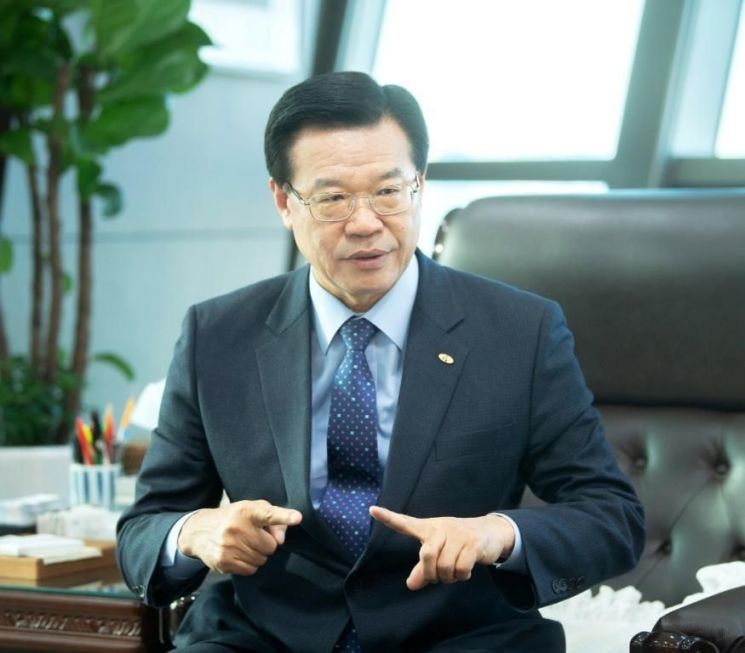
Yongsan-gu (Mayor Seong Jang-hyun) has formed a special task force (TF) team for single-person household measures and began operations this month.
This is to actively respond to Seoul Mayor Oh Se-hoon’s first pledge on policies supporting single-person households.
The TF is based on the Seoul Metropolitan Government’s ordinance on basic support for single-person households to realize a socially familial city.
The TF is led by the deputy mayor, with the deputy director (Resident Welfare Bureau Director) and team leader (Welfare Policy Division Chief) overseeing 18 teams across 12 departments in five key areas: safety, employment, loneliness, illness, and housing.
In safety, teams for housing welfare, senior administration, women’s policy, distribution management, smart surveillance, and road lighting collaborate. Employment is managed by employment policy, senior administration, and youth policy teams. Loneliness measures involve hope welfare, senior support, birth multicultural, youth policy, housing management, mental health, and origin animal management teams. Illness is addressed by care support, visiting health, and mental health teams. Housing involves housing welfare, senior support, and housing project teams.
The Welfare Policy Division’s Hope Welfare Team oversees overall coordination. On July 22nd, the Resident Welfare Bureau Director chaired a TF meeting to discuss future operations. Regular meetings will be held to coordinate opinions and ensure thorough implementation of projects in the five areas.
Mayor Seong Jang-hyun said, “Our district has been implementing various single-person household measures such as operating the Care SOS Center, smart plug projects, and distributing the Smart Salpimi app. With the formation of the TF team, we will review past achievements and discuss future development directions.”
The Care SOS Center provides nine tailored care services for those aged 50 and above, seniors, and disabled persons needing urgent care. The smart plug project aims to prevent solitary deaths among middle-aged residents, with 555 households monitored in the first half of the year.
Additionally, the district supports low-income elderly meal and health drink provision, customized elderly care services, a safety project for single women households, a youth miscellany guide, and youth housing construction near transit stations.
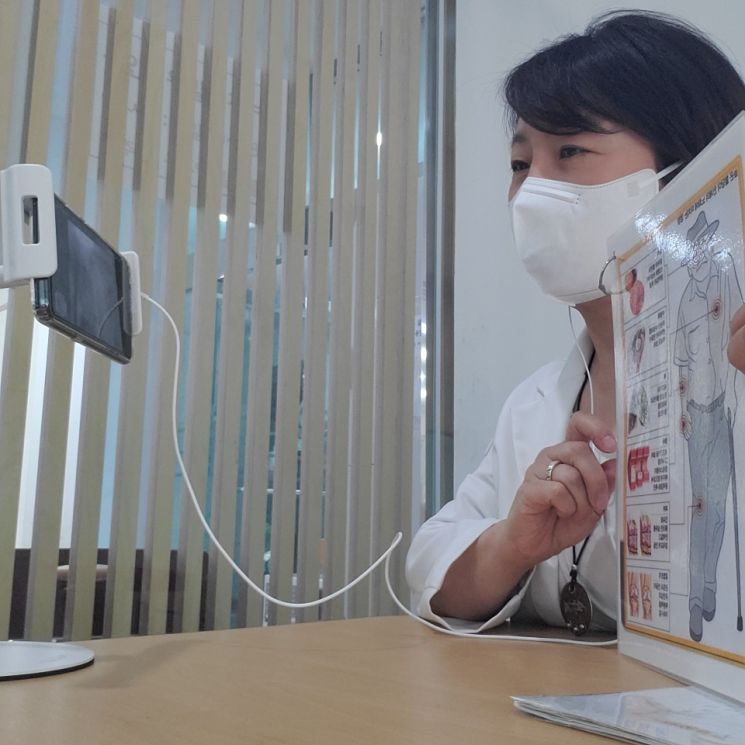
Yangcheon-gu Conducts Non-Face-to-Face Home Health Care via Video Calls in the With-COVID Era
Yangcheon-gu (Mayor Kim Soo-young) is leading innovative health management through its ‘Non-Contact Good-Face-to-Face Home Health Care Project,’ achieving meaningful results in the With-COVID era.
Since October last year, the district shifted from traditional face-to-face visits to this project, establishing a sustainable contactless health management system.
The project screens about 3,000 vulnerable individuals by type and classifies them into groups: ‘Intensive Management’ for those with uncontrolled hypertension or diabetes needing regular care; ‘General Consultation’ for elderly at high risk but with controlled blood pressure and glucose; and ‘Face-to-Face Management’ for those with mobility or hearing impairments requiring direct visits.
For the intensive management group, visiting nurses provide eight remote intensive health management sessions over two months using specialized educational materials. The district purchased and distributed 19 dedicated smartphones and loaner medical devices to support this.
Last year, about 130 intensive management participants received blood pressure monitors or blood glucose test kits with usage training, self-monitored their health, and had weekly video consultations with nurses.
A survey of 115 participants after the project showed 92% satisfaction (90 very satisfied, 16 satisfied), and 94.7% reported improved health habits, indicating significant perceived benefits from regular remote management.
Health improvements included average decreases of 0.33 in BMI, 0.32 cm in waist circumference, and reductions in systolic and diastolic blood pressure by 9.9 mmHg and 4.7 mmHg respectively for hypertensive patients. Diabetic patients showed an average postprandial fasting glucose decrease of 15.3 mg/dL, demonstrating meaningful outcomes.
Building on these results, the district is intensifying the project from June this year for 100 participants, providing safe and systematic remote health management for chronic disease patients.
Mayor Kim Soo-young said, “From October, we will launch an AI and IoT-based elderly health management service using the Today Health smart app, complementing the successful non-contact home health care project. We will actively develop diverse health policies to become a smart Yangcheon that carefully cares for residents’ health.”
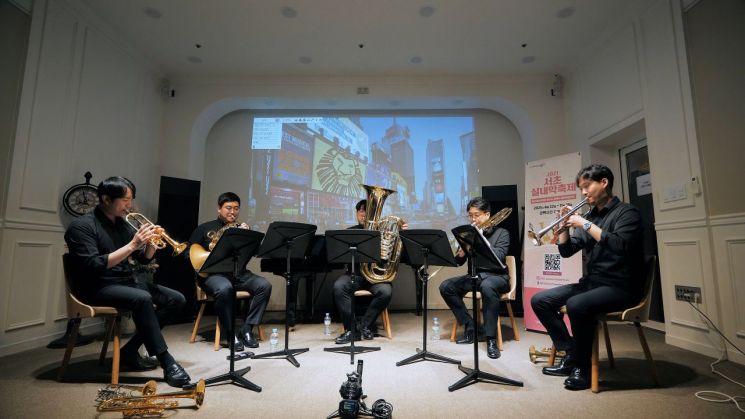
Seocho-gu Hosts ‘2021 University Chamber Music Festival’
Seocho-gu (Mayor Cho Eun-hee) is operating the ‘2021 University Chamber Music Festival’ from the 3rd to the 27th, featuring classical ensembles composed of university students performing at small local venues.
The festival provides broader performance opportunities for university students during summer vacation and offers young artists a stage amid the prolonged COVID-19 pandemic. It is part of the ‘2021 Seocho Chamber Music Festival’ which began in April to revitalize local small venues.
In March, the district selected 70 young artist teams for the ‘2021 Seocho Chamber Music Festival,’ of which 12 teams (61 members) were chosen as pure university student ensembles.
The selected performers come from nine universities including Seoul National University, Ewha Womans University, and Korea National University of Arts, showcasing their refined skills through unique performances.
Hyun-jung Lee of the Bel Canto Quartet, participating this year, said, “It is difficult to find opportunities supporting university students’ performances and professional chamber music concerts. The University Chamber Music Festival provides valuable performance chances that help us grow as professional chamber musicians.”
The festival begins on the 3rd at Loro Space in Banpo-dong with the string quartet ‘Rocio Quartet,’ followed by seven teams performing until the 17th. From the 18th to the 27th, five teams including the wind quintet ‘So Brass Quintet’ will perform at Seocho Art Center and Cosmos Art Hall in Seocho-dong.
Due to COVID-19, the festival will be held online and can be viewed on the ‘Seocho Chamber Music Festival’ YouTube channel.
Additionally, in the second half of the year, university participants will receive expert lectures in performance planning to develop foundational skills as cultural artists.
Outstanding teams will receive bonus points in the 2022 Seocho Chamber Music Festival youth artist competition and opportunities to perform on various cultural stages hosted by the district, supporting their professional growth.
So far, 36 youth artist ensembles from various genres have participated in the 2021 Seocho Chamber Music Festival, delivering high-quality classical concerts to audiences through July.
Seocho-gu also supports youth culture and arts through diverse programs such as visiting flower seat concerts, Classic Dabang, and providing exhibition and creative spaces like Seoripul Youth Art Gallery and Youth Art Center.
Mayor Cho Eun-hee said, “We will continue to discover young artists in the district and implement various cultural policies so they can freely pursue their dreams and grow as the next generation of cultural and artistic leaders.”
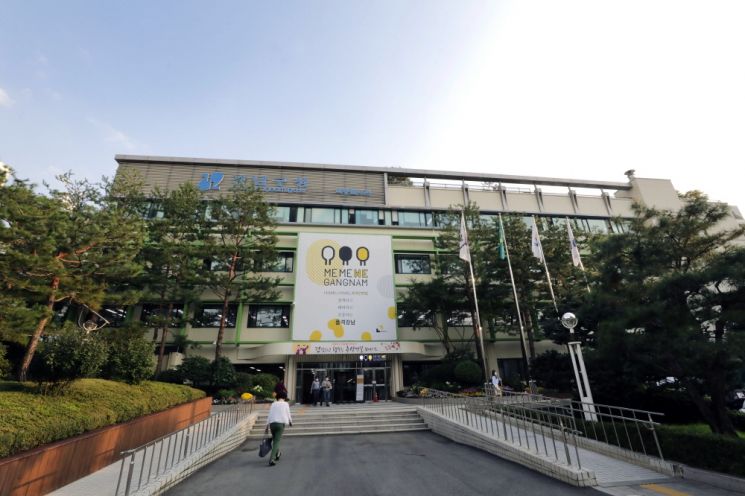
Gangnam-gu Seeks Korea’s ‘Greta Thunberg’
Gangnam-gu (Mayor Jung Soon-gyun) is encouraging youth creative activities by hosting the ‘Gangnam BomBom Youth Video Contest,’ accepting submissions until the 20th.
Held for the second time following last year, the contest is part of the Gangnam Innovation Education District project, providing a platform for youth to express their awareness and innovative ideas on issues like the environment and COVID-19 through video.
Any elementary, middle, or high school student in the district can participate by producing videos on themes such as ‘Climate Crisis, The Earth is Heating Up,’ ‘A Simple and Satisfying Meal I Made,’ and ‘My Stress Relief Methods During COVID-19.’
Winners will be announced on the 8th of next month. Ten works will be selected: one grand prize, three excellence awards, and six encouragement awards. All winners will receive the mayor’s commendation, video content production lectures, career coaching programs, and other benefits.
Joo Myung-ae, Director of the Education Support Division, said, “Gangnam-gu is focusing administrative efforts on policies to reduce carbon emissions and create a ‘must-environment city.’ We look forward to students dreaming of becoming Korea’s ‘Greta Thunberg,’ the teenage Swedish environmental activist.”
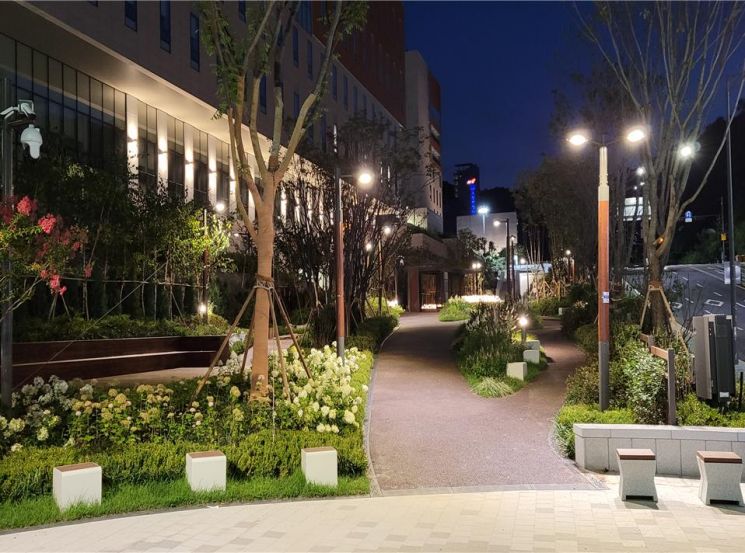
Eunpyeong-gu Transforms Neglected ‘Mulpuregol’ into Healing Garden
Eunpyeong-gu (Mayor Kim Mi-kyung) newly created the ‘Mulpuregol Healing Garden’ on the site of the neglected Mulpuregol area on the 30th of last month.
Located near the Catholic University Eunpyeong St. Mary’s Hospital, Mulpuregol was a dry stream with a depth difference of over 4 meters, accumulating waste and sediment on the bottom, causing urban aesthetic issues and safety hazards.
In July last year, the district signed a business agreement with Eunpyeong St. Mary’s Hospital (Director Kwon Soon-yong) to jointly fund the ‘Mulpuregol Environmental Improvement Project,’ completing the healing garden last month. A box structure was installed under the Mulpuregol area toward Tongil-ro to allow rainwater flow, and a park was created above to provide residents with a pleasant and safe resting space.
Notably, a seasonal flower and tree garden symbolizing the old waterway of Mulpuregol was created at the park entrance, with booths and community spaces inside for various events, according to district officials.
Director Kwon Soon-yong expressed hope that the ‘Mulpuregol Healing Garden,’ reborn from a space with high infection risk and poor urban aesthetics, will become a comfortable resting place for local residents and hospital visitors.
Mayor Kim Mi-kyung said, “Amid ongoing COVID-19 and heatwaves, the Mulpuregol Healing Garden has been reborn as a popular spot for residents to relax. We will continue to improve urban landscape elements and create comfortable spaces for residents.”
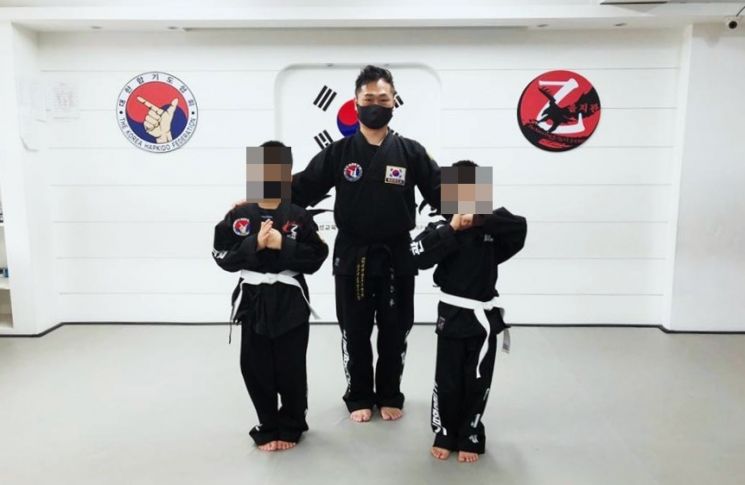
Gwanak-gu Conducts ‘Student-Village Elder Friendship’ Project
Gwanak-gu (Mayor Park Jun-hee) is gaining attention for its ‘Student-Village Elder Friendship Project,’ launched in response to educational environment changes in the With-COVID era.
With the recent rise in COVID-19 cases leading to level 4 social distancing in the metropolitan area, schools have switched entirely to remote learning. Vulnerable groups lacking guardians face increasing educational welfare blind spots. The prolonged pandemic has highlighted academic gaps as a new social issue, increasing the importance of administrative roles.
Since September last year, the district has expanded the ‘Student-Village Elder Friendship Project’ to support local youth struggling with basic academic skills and COVID blues.
In cooperation with the Seoul Metropolitan Office of Education and Gwanak Education Welfare Center, the project selects village elders with experience in education and counseling to match with students facing academic difficulties. They provide various programs including online classes, homework guidance, and sharing interests and daily news.
Last year, 25 students and 11 village elders participated. This year, about 45 students and 15 village elders are involved, engaging in activities such as music therapy, hapkido, and choreography.
The program runs five days a week until December, combining face-to-face and non-face-to-face sessions depending on COVID-19 conditions, fostering familial bonds and contributing to students’ psychological stability.
The district strives to ensure high satisfaction by thoroughly assessing needs and providing customized matching between students and mentors.
Mayor Park Jun-hee said, “The prolonged COVID-19 pandemic has deepened academic gaps and COVID blues among youth, increasing community responsibility. We will do our best to reduce learning disparities and promote educational development in Gwanak through proactive and diverse programs.”
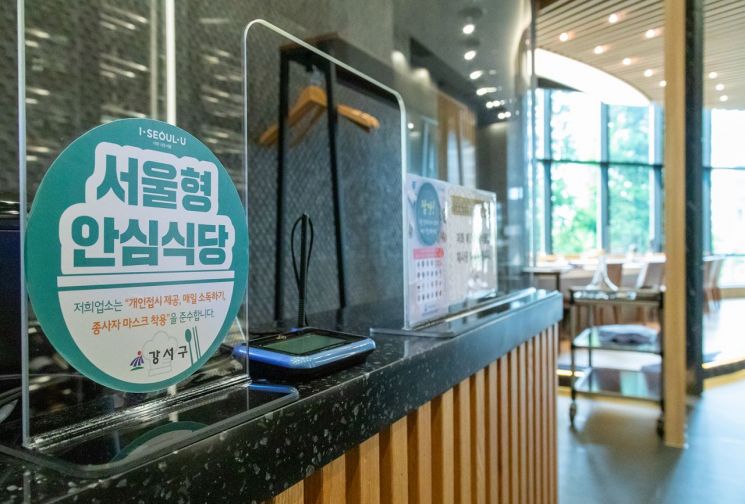
Gangseo-gu Recruits Restaurants for ‘Seoul-type Safe Restaurant’ Program
Gangseo-gu, Seoul (Mayor Roh Hyun-song) is actively working to create a safe dining culture in the COVID era.
The district announced it will designate and operate restaurants that comply with quarantine rules as ‘Seoul-type Safe Restaurants’ to prevent COVID-19 spread.
The program aims to improve vulnerable dining habits such as sharing food with personal spoons and promote safe eating culture.
A ‘Safe Restaurant’ is a certification system allowing users to dine with confidence amid growing concerns about dining out during the pandemic.
Requirements include providing tools for serving food separately, hygienic spoon management, proper mask-wearing by staff, and restaurant disinfection and ventilation, complying with the ‘Four Essential Tasks of Seoul-type Safe Restaurants’ and COVID-19 quarantine rules.
Eligible applicants are restaurants serving general meals. After on-site inspection and meeting requirements, they are designated as Safe Restaurants.
Designated restaurants receive certification stickers, are marked as Safe Restaurants on major portals like Naver for promotional effect, and receive hygiene supplies worth about 150,000 KRW.
Since last year, 146 restaurants have been designated. This year, the district aims to designate 50 more and is accepting applications until August 31st via email or by phone or visit to the Gangseo-gu Health Center Hygiene Management Division.
Details and application forms are available on the Gangseo-gu website under News & Notices.
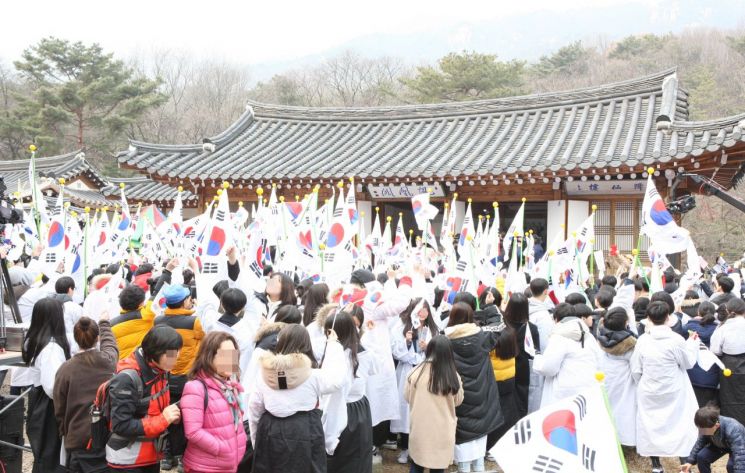
German Broadcaster Daniel Lindemann to Give Humanities Lecture on ‘German Unification Story’
Gangbuk-gu (Mayor Park Kyum-soo) will hold a humanities lecture featuring a story of German unification told by a German youth.
This special lecture is organized to pray for peace and unification on the Korean Peninsula. The venue is Bonghwanggak, the birthplace of the nonviolent spirit of the March 1st Movement (Seoul Tangible Cultural Property No. 2), where the district annually holds reenactments of the March 1st Independence Movement.
The lecturer is Daniel Lindemann, a German broadcaster, who will present the German unification process from a unique perspective. He will vividly explain why East and West Germany were divided, the fall of the Berlin Wall, and subsequent developments. The lecture will also cover types of unification, suitable unification directions for Korea, and realities faced after becoming one nation.
The lecture will be held on September 11th from 3 p.m. for one hour in the outdoor yard of Bonghwanggak. Interested participants can apply from the 2nd via the district website (Citizen Participation → District Participation → Integrated Reservation). Reservations are limited to 30 people on a first-come, first-served basis, with 10 additional standby spots. The event may be canceled or held without attendees depending on COVID-19 conditions.
The recorded lecture will be available on the YouTube channel ‘City of History, Culture, and Tourism Gangbuk-gu.’ For inquiries, contact the district’s Education Support Division.
Mayor Park Kyum-soo said, “Listening to Germany’s experience of division and unification, I hope this becomes an opportunity to consider what is needed for North and South Korea to become one nation and the necessary mindset and preparations for unification.”
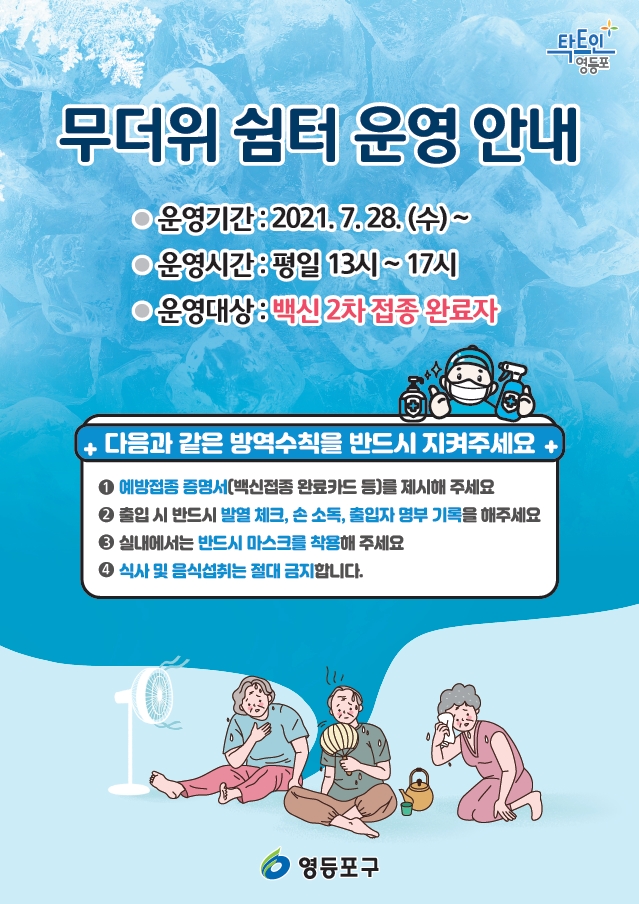
Yeongdeungpo-gu Reopens 125 Senior Centers as Cooling Shelters to Combat Heatwave
Yeongdeungpo-gu (Mayor Chae Hyun-il) is opening 125 senior centers in the district as cooling shelters to help elderly residents endure the ongoing heatwave.
On July 1st, the district eased restrictions on senior center operations to promote social activities and health management for seniors, allowing vaccinated seniors to use the centers with limits on occupancy and hours.
However, with the worsening COVID-19 spread and the elevation of social distancing to level 4, operations were suspended again as a preventive measure. Due to persistent temperatures above 30°C, the district decided to resume operations to protect vulnerable seniors and minimize heatwave damage.
Following continued requests from seniors, the district reopened all 125 designated cooling shelter senior centers from July 28th.
Considering the ongoing COVID-19 situation, usage is limited to weekdays from 1 p.m. to 5 p.m., only for seniors who have completed the second vaccine dose, and occupancy is capped at 50% of each center’s capacity.
Each center appoints a president or secretary as infection prevention manager responsible for visitor logs, temperature checks, regular disinfection and ventilation, and managing and distributing quarantine supplies.
On June 23rd, 167 infection prevention managers received training on their roles and procedures for handling confirmed or suspected cases.
From July 28th to August 13th, the district will conduct daily inspections of senior center operations with local community centers, the Korean Senior Citizens Association, and apartment management offices to ensure safe and comfortable environments.
Mayor Chae Hyun-il said, “Although operations were temporarily suspended due to level 4 social distancing, we decided to reopen senior centers with thorough infection control and facility improvements to provide cool and safe resting places for seniors. We will continue efforts to improve senior center environments so elderly residents can enjoy healthy and active lives.”
© The Asia Business Daily(www.asiae.co.kr). All rights reserved.



















