Food Upcycling Startup 'Reharvest' Develops Alternative Flour from Beer Lees
Richer in Nutrients than Regular Flour... Twice the Protein, 20 Times the Dietary Fiber
Saving 7 Tons of Water per 1kg of Alternative Flour Produced... Reducing Annual Carbon Emissions by 198,000 Tons
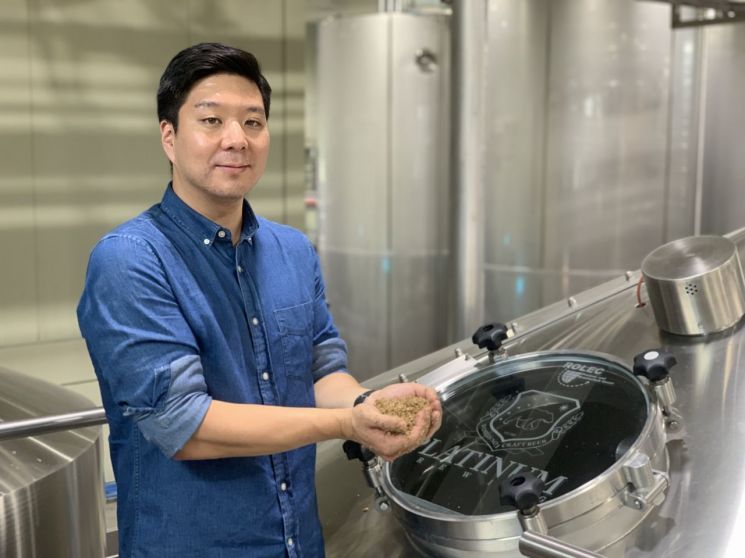
[Asia Economy Reporter Junhyung Lee] One of OB Brewery's headaches is barley byproducts. Barley byproducts, also called "beer lees," are residues generated during the beer brewing process. OB Brewery alone produces about 60 tons of barley byproducts annually. The environmental fees required to dispose of these amount to tens of billions of won each year.
Reharvest is a food upcycling startup that OB Brewery has "picked" to solve this problem. Food upcycling is the concept of processing food scraps or discarded ingredients into new food products. Reharvest makes alternative flour using beer lees as raw material. Beer lees contain not only barley malt but also various grains, making them rich in nutrients such as protein and dietary fiber. According to Reharvest, their alternative flour contains twice the protein and 20 times the dietary fiber compared to regular flour, while reducing calories to about 70%.
Reducing Disposal Costs... "Taste Verified"
OB Brewery has significantly reduced byproduct disposal costs by supplying beer lees to Reharvest. Originally, OB Brewery recycled some of the byproducts as fertilizer or livestock feed. However, this method only recycled about 20% of the total byproducts due to issues with bacteria and microorganisms proliferating in the wet beer lees. Min Myungjun, CEO of Reharvest, explained, "Beer lees cannot maintain quality unless managed through a cold chain from the transportation stage," adding, "Drying and storing beer lees is also a key aspect of food upcycling technology."
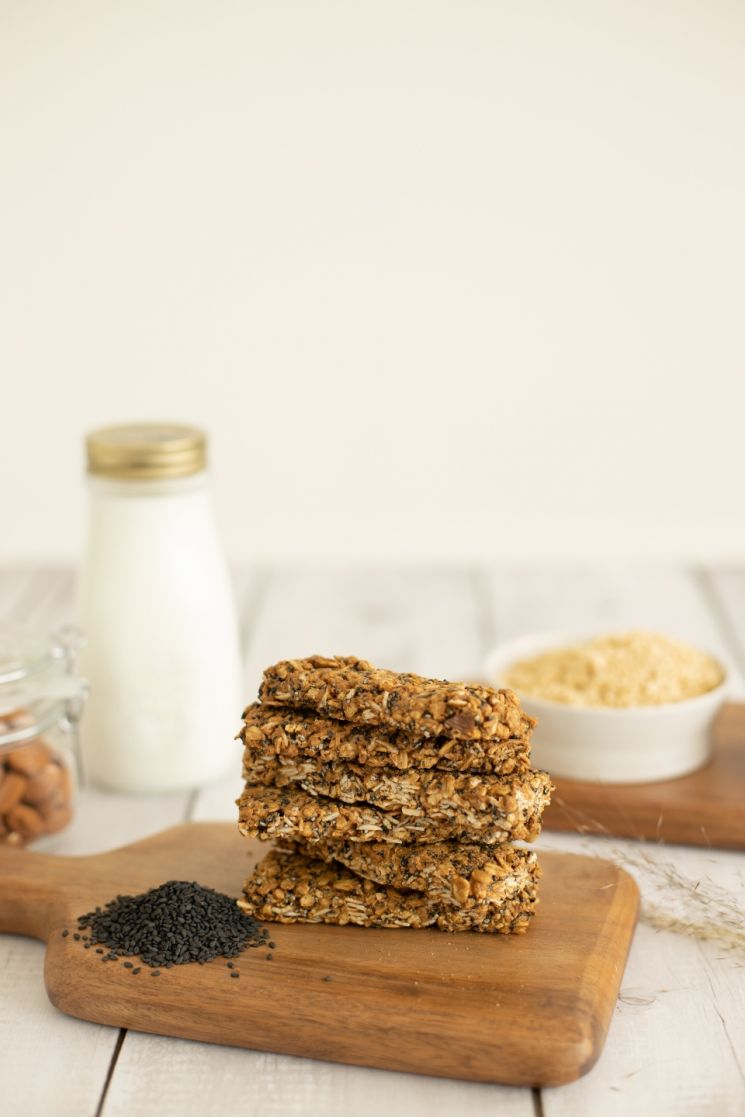
CEO Min confidently stated, "The taste has been verified." The energy bars made from beer lees by Reharvest are a representative example proving the taste. Originally, the company launched energy bars to verify the marketability of alternative flour, but they gained popularity and generated sales of 60 million won in the first quarter alone. After discontinuing some verified product lines, the company received numerous consumer requests to "relaunch" them.
CEO Min said, "The company's main business model is a B2B (business-to-business) operation supplying alternative flour to food companies," adding, "The energy bar launch also aimed to promote the concept of food upcycling domestically." Last month, various foods made with alternative flour such as chicken, hot dogs, and egg tarts were showcased at OB Brewery's headquarters in Gangnam-gu, Seoul, with positive responses from employees, according to CEO Min. At the flagship store "Kabrew Brewpub" of the craft beer company Kabrew located in Cheongdam-dong, Seoul, pizza dough is made using Reharvest's alternative flour.
ESG is a 'Bonus'... Continued Love Calls from Food Giants
ESG (Environmental, Social, and Governance) naturally follows. According to Reharvest's research, producing 1kg of alternative flour reduces OB Brewery's carbon emissions by 11kg and byproducts by 3kg. Water used for waste disposal is saved by as much as 7 tons. Considering that about 30% of beer byproducts become alternative flour, OB Brewery can theoretically reduce carbon emissions by approximately 198,000 tons annually.
The raw materials for alternative flour are not limited to beer lees. The company is developing technology to utilize grain byproducts from the production of soju, Makgeolli, vinegar, and other products. They have also succeeded in productizing byproducts from Sikhye, supplied by Seojeong Cooking, which makes "Slow Sikhye."
As their technology began to be proven, love calls from food companies continued. The company is collaborating with several major food corporations to develop alternative flours tailored to each company. They are jointly developing fresh noodles and sweet and sour pork batter to supply nationwide branches of a Chinese food franchise.
The company plans to establish its own production facility in the second half of this year to increase production capacity and reduce manufacturing costs, aiming to expand the B2B business in earnest. The company has been producing alternative flour through OEM (Original Equipment Manufacturing). CEO Min stated, "Once we achieve our production capacity goals, we will be able to produce alternative flour at about half the cost of regular flour," adding, "We are also planning a new business to develop fiber-based new materials using alternative flour components."
© The Asia Business Daily(www.asiae.co.kr). All rights reserved.
![Clutching a Stolen Dior Bag, Saying "I Hate Being Poor but Real"... The Grotesque Con of a "Human Knockoff" [Slate]](https://cwcontent.asiae.co.kr/asiaresize/183/2026021902243444107_1771435474.jpg)

















