Including 6th Century Burial Site, Aragaya's Prehistoric Elite Burial Site Designated as National Historic Site
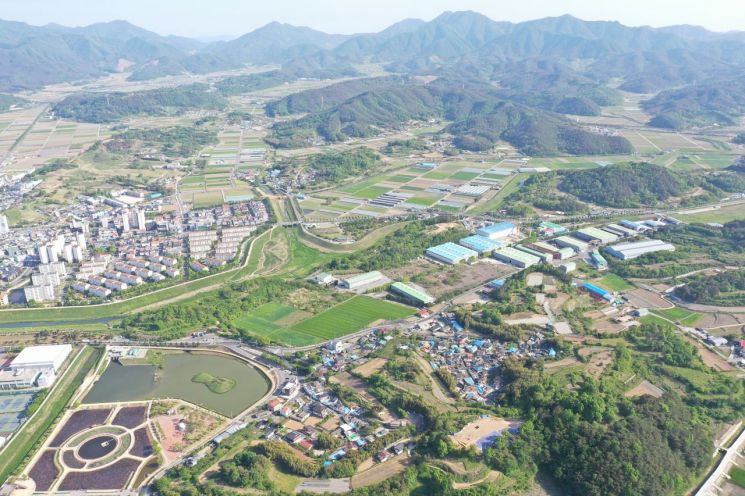
[Asia Economy Yeongnam Reporting Headquarters Reporter Park Saeyan] Gyeongsangnam-do announced on the 29th that the Haman Malsan Burial Mounds, the tomb area of the highest ruling class of Ara Gaya, have been expanded in designation.
The Malsan Burial Mounds are a group of large burial mounds of Ara Gaya distributed in Dohang-ri and Malsan-ri areas of Gaya-eup, Haman-gun.
In 1963, the Dohang-ri Burial Mounds and Malsan-ri Burial Mounds were designated as two separate historic sites, but in 2011, they were integrated and designated as Historic Site No. 515.
The newly expanded area is about 250,000㎡ in the existing Nammunoe Burial Mounds section in the Gaya-ri area of Gaya-eup.
It is located 700 meters northwest from the Dohang-ri and Malsan-ri burial mound sections and has been known as a single Ara Gaya royal tomb since ancient times.
The province and Haman-gun judged that the burial mounds have sufficient historical and preservation value and have been promoting the designation as a historic site through the "Gaya Relics National Designated Cultural Heritage Promotion Project" in 2018 and 2019.
As a result, by excavating large stone chamber tombs and medium to small stone coffin tombs from the 6th century, they were able to clarify the distribution range and transformation process of the Malsan Burial Mounds and the value of historic site designation.
In June of this year, the Cultural Heritage Committee of the Cultural Heritage Administration made the final decision to integrate the two sections into the Malsan Burial Mounds and expand the national historic site designation, considering their historicity and relationship.
Thus, the Haman Malsan Burial Mounds have been completed as the tomb area of the highest ruling class by adding the 6th-century late Gaya burial mound distribution area to the existing 1st to 5th-century Ara Gaya ruling class tomb area.
The designated historic site area has greatly increased to about 783,000㎡, making it the largest ancient tomb site in the province and the second largest tomb site in the country.
Kim Suhwan, a curator of Gaya Cultural Heritage at the provincial office, said, "We are providing administrative and financial support to clarify the value of national historic site designation for Gaya relics," adding, "The expanded national historic site designation of the Haman Malsan Burial Mounds is a representative achievement of this effort."
© The Asia Business Daily(www.asiae.co.kr). All rights reserved.

















