[Seoul Autonomous District News] Official Request to Seoul City for Abolition of Maximum Height District Urban Management Plan in Neungdong and Guui-dong Areas near Gwangjin-gu Children's Grand Park... Mapo-gu Creates Barrier-Free Forest Trail from Maebongsan Hiking Trail Entrance to Upper Observatory... Seodaemun-gu Recruits Additional Teams for Youth Growth Restaurant Operation in Sinchon Box Square... Yongsan-gu Establishes Lifelong Education Center for Developmentally Disabled at Health Branch... Yeongdeungpo-gu Recruits Participants for Customized Interior Technical Training to Foster Young Architects... Yangcheon-gu Recruits 293 Applicants for Hope Double Youth and Dreamnarae Accounts... Gangseo-gu Traditional Market Area
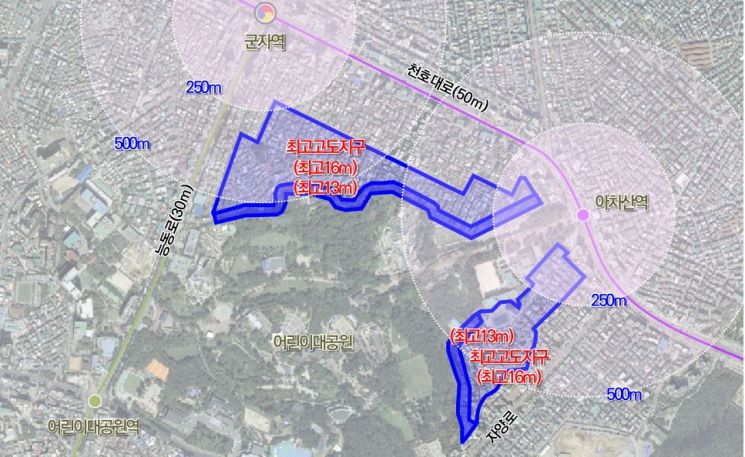
Gwangjin-gu Officially Requests Seoul City to Abolish the Maximum Building Height District Urban Management Plan in the Neungdong and Guui-dong Areas around Children's Grand Park
[Asia Economy Reporter Park Jong-il] Gwangjin-gu (Mayor Kim Seon-gap) officially requested Seoul City on July 22 to abolish the maximum building height district urban management plan in the Neungdong and Guui-dong areas around Children's Grand Park.
This is the only case among Seoul's autonomous districts requesting the abolition of a use district, which is a type of urban management plan.
Prior to this, on April, the district announced the decision to initiate the abolition procedure of the maximum building height district around Children's Grand Park for the first time in 25 years, conducted public inspection and heard opinions from the district council, and passed through the Gwangjin-gu Urban Planning Committee.
The target area for the maximum building height district abolition request is 219,000㎡ in the Neungdong and Guui-dong areas around Children's Grand Park. Despite being located near Gwangjin-gu's key station areas such as Children's Grand Park, Gunja Station, Achasan Station, and Cheonho-daero, this area is uniquely managed as a maximum building height district among 10 major flatland parks in Seoul, including Seoul Forest, Boramae Park, and World Cup Park.
Accordingly, the surrounding building height is restricted to 16m or less, and within 30m of the Children's Grand Park boundary, it is limited to 13m or less, causing increased inconvenience to residents due to building restrictions and infringement on property rights, acting as a hindrance to regional development.
Since the designation as a maximum building height district in 1996, the district has continuously consulted with Seoul City, the decision-making authority for urban management plans, but Seoul City, managing all 25 autonomous districts, has maintained a conservative stance.
Under the National Land Planning and Utilization Act, Gwangjin-gu, which has the authority to initiate urban management plans, judged that realistic urban planning considering changing conditions and regional characteristics is necessary rather than uniform urban management plans applied to all 25 districts, and decided to proceed with official procedures to abolish the maximum building height district around Children's Grand Park for the first time in 25 years.
Kim Seon-gap, Mayor of Gwangjin-gu, said, "The maximum building height district around Children's Grand Park, which has imposed regulations that residents could not sympathize with, should be abolished this time to minimize land use regulations and establish reasonable urban planning suited to regional characteristics," adding, "We will also closely cooperate with Seoul City to ensure that Children's Grand Park no longer acts as a hindrance to regional development."
Additionally, the district plans to establish the 'Cheonho-daero South Side District Unit Plan' to induce planned development reflecting the regional characteristics of the Children's Grand Park area and to establish a customized management plan for the region.
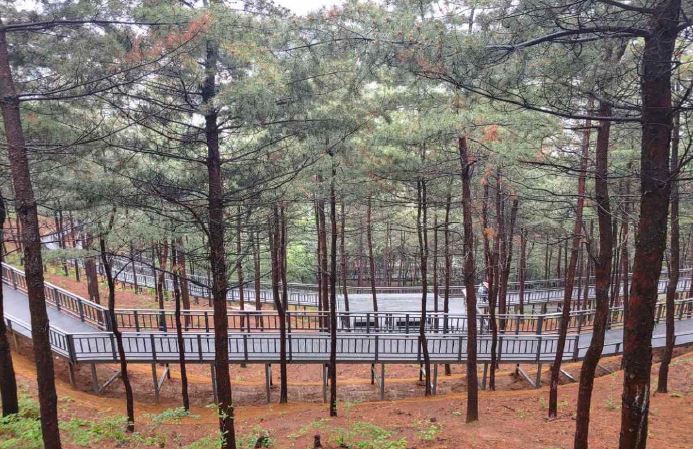
Mapo-gu Creates Barrier-Free Forest Trail from Maebongsan Trail Entrance to Upper Observatory
Mapo-gu (Mayor Yoo Dong-gyun) has created and opened a barrier-free forest trail connecting the Maebongsan trail entrance (1716-4 Sangam-dong), located opposite Sangam World Cup Park 2nd Complex Apartments, to the upper observatory.
The Maebongsan barrier-free forest trail is designed to maintain a deck road width of at least 1.8m throughout and a slope of 8% or less, allowing elderly, disabled, infants, as well as wheelchair and stroller users to easily reach the summit.
The Maebongsan barrier-free forest trail project, with a total budget of 3.3 billion KRW, began with the completion of the first section of 450m in 2013 and completed the second section of 650m last May.
By the end of this year, with the completion of the third section of 600m, a total of 1.7km of barrier-free forest trail will be established on Maebongsan.
This barrier-free trail passes through a pine forest, designed to allow visitors to breathe in phytoncides emitted from coniferous trees, and includes resting benches and swing chairs to enjoy natural scenery within the city.
From the observatory, visitors can enjoy panoramic views of the Culture Depot, World Cup Stadium, and the distant Han River.
Descending Maebongsan, visitors can cultivate cultural literacy at the adjacent Culture Depot and provide various physical activities for children at the Children's Forest Experience Center.
Yoo Dong-gyun, Mayor of Mapo-gu, said, "Many people have come to Maebongsan barrier-free forest trail to relieve their frustrations caused by COVID-19," adding, "We will carefully and safely proceed with the construction of the third section scheduled for completion by the end of this year to bring the beauty of Maebongsan forest trail to all residents."
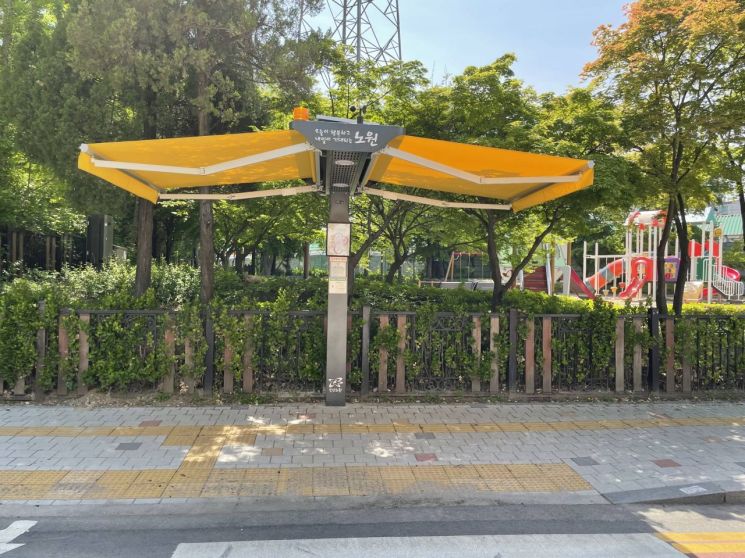
Nowon-gu Establishes Smart City Integrated Platform... Charge Your Phone While Sitting on a Bench
Nowon-gu (Mayor Oh Seung-rok) has completed the construction of a smart city integrated platform to provide 'safer and more convenient' urban life services.
The smart city integrated platform project manages and operates various information such as crime prevention, traffic, and environment by linking them with an integrated operation center, enhancing information utilization and establishing an urban safety network.
The district was selected in 2020 for the Ministry of Land, Infrastructure and Transport's 'Smart City Integrated Platform Infrastructure Project,' receiving 600 million KRW in national funding and investing a total budget of 1.19 billion KRW, and has been implementing the project since last November.
First, the project builds citizen-experience smart city specialized services that residents can experience in daily life.
Smart media boards have been installed at eight high-traffic locations such as bus stops, parks, and walking trails. Through various media videos, residents can check district news and events, and emergency alerts are displayed in urgent situations involving socially vulnerable groups such as missing disabled persons.
Smart benches and shade shelters powered by eco-friendly solar energy have also been installed. The smart benches installed at 11 major walking trails including Bulamsan Healing Town and Gyeongchun Line Forest Trail feature wireless and USB phone charging on both sides. The lighting function operating at night is expected to contribute not only to atmosphere creation but also to a safe environment.
The smart shade shelters automatically open and close by sensing sunset and sunrise, temperature, and wind strength, reducing manpower waste while ensuring pedestrian safety through rapid response.
After sunset, LED lights automatically turn on to protect pedestrians from drivers. Currently installed at two locations including Yeonji Elementary School, the plan is to expand to six locations within this year.
The GIS-based 'Nowon Smart City' app service provides residents with access to emergency living information. The app allows users to check the locations of 2,332 CCTV cameras installed in the district, electric vehicle and electric wheelchair charging stations, defibrillators, benches, and shade shelters.
Recently, a sky view service has been added to allow real-time checking of COVID-19 testing wait times at temporary screening clinics. Nowon Smart City app is available for easy download by anyone from app stores.
The district also focused on building a smart city safety network service linked to crime and safety accident prevention and response. It established a network with Seoul City, police stations, and fire stations to support 112 and 119 emergency dispatch, disaster emergency response, electronic anklet crime prevention, private security-public safety linkage, women's safe return home, and wanted vehicle searches. In crisis situations, CCTV footage from the district's integrated control center is shared and provided in real time to secure golden time and enable prompt action through active cooperation.
Oh Seung-rok, Mayor of Nowon-gu, said, "The purpose of smart city creation is ultimately to provide high-quality services using various data and the latest information and communication technology (ICT) so that residents do not feel inconvenienced in daily life," adding, "We will continue to strive to ensure that everyone can safely enjoy diverse and useful urban administrative services."
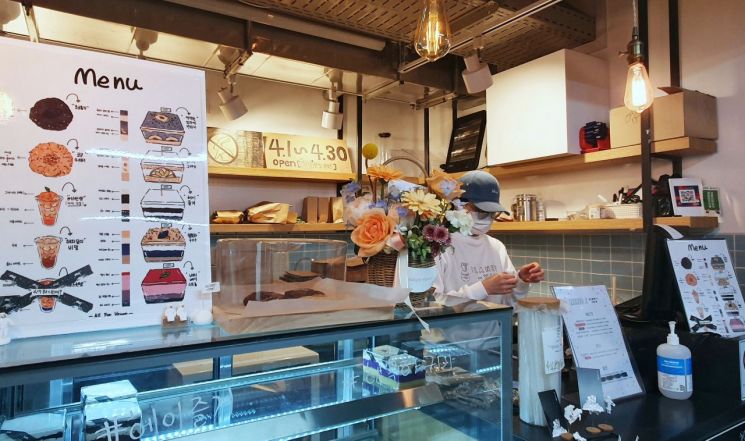
Seodaemun-gu Recruits Additional Operating Teams for Youth Growth Restaurant in Sinchon Boxquare
Seodaemun-gu (Mayor Moon Seok-jin) is recruiting additional operating teams for the first-floor Youth Growth Market (beverages and desserts) of the 'Youth Growth Restaurant Sinchon Branch' until August 4.
The target applicants are prospective entrepreneurs aged 19 to 39 in the food service sector. Teams that pass the first document screening and second practical test will operate the store sequentially for at least one month from September to November this year.
This project is a regional win-win project led by the Ministry of Agriculture, Food and Rural Affairs and the Korea Agro-Fisheries & Food Trade Corporation, with Seodaemun-gu, Ewha Womans University, and E-Food Lab participating as a consortium. It provides young people with opportunities to operate stores to reduce trial and error and support successful startups.
Participating teams operate stores equipped with kitchens and food service facilities without rental fees, gain experience, and receive startup education including menu development, profit and loss calculation, and promotion marketing using online and offline methods.
The Youth Growth Restaurant Sinchon Branch has one store each on the first and second floors of Sinchon Boxquare (22-5 Sinchon Station-ro), in front of Sinchon Train Station on the Gyeongui-Jungang Line, and since its opening in 2019, a total of 18 teams have participated in operations.
The district has been selected as the operating agency for three consecutive years (2019-2021). This year, since starting operations in April, six teams with 16 members have operated stores for 1 to 3 months as of July.
Especially, the 'Cafe Eveuh' team, which has sold non-alcoholic cocktails and various cookies at the first-floor Youth Growth Market since June this year and received favorable responses from customers, was finally selected as the 4th 'Sinchon Boxquare Youth Entrepreneur' and plans to officially start business in September at store No. 45 on the second floor of Boxquare.
Those wishing to operate the Youth Growth Restaurant can download the application form from the Sinchon Boxquare website or the Youth Growth Restaurant Sinchon Branch blog and submit it via email (at_scbox@naver.com) by August 4.
Moon Seok-jin, Mayor of Seodaemun-gu, said, "We are actively supporting young people dreaming of food service startups through the Sinchon Boxquare Youth Growth Restaurant," adding, "We hope the menus of young people with unique ideas will grow into a new model of food culture."
Seongbuk-gu Provides Social Investment Fund Loans to Social Economy Organizations... Up to 40 Million KRW per Company at 0.75% Interest
Seongbuk-gu (Mayor Lee Seung-ro) is implementing a 'low-interest, unsecured, no-guarantee' social investment fund loan project to support the growth and independence of social economy organizations such as social enterprises and cooperatives, and to alleviate financial burdens due to the resurgence of COVID-19.
The Seongbuk-gu social investment fund project considers that many social economy organizations, mostly in the service sector, have difficulty providing physical collateral, and aims to resolve the difficulty of many social economy organizations in accessing financial institutions by providing loans at low interest rates without collateral or guarantees.
From the third quarter loan project, the loan limit has been increased to allow loans up to 40 million KRW per company (an increase of 10 million KRW from the previous 30 million KRW). The loan period is up to 5 years, the interest rate is 0.75% per annum, the lowest nationwide among similar funds, and the repayment method is equal principal and interest installments without a grace period.
Applicants are social economy organizations as defined in Article 2, Clause 5 of the Seoul Metropolitan Government Seongbuk-gu Social Economy Basic Ordinance for Social Value Realization, and any company or organization operating within Seongbuk-gu can apply.
Since the first implementation of the social investment fund loan project in the second half of 2016, Seongbuk-gu has loaned a total of 1.224 billion KRW to 42 companies.
Companies receiving social investment fund loans not only receive support for independent operation but also actively use the funds to solve local social problems, contributing to the activation of the social economy ecosystem. Seongbuk-gu plans to actively expand the social investment fund loan project in the future.
Lee Seung-ro, Mayor of Seongbuk-gu, said, "Due to the resurgence of COVID-19, practical financial support systems are more necessary than ever for social economy organizations in the district," adding, "By expanding the social investment fund loan project, we expect ripple effects that will make the entire community happier by supporting the growth of social economy organizations that prioritize people over profit."
Applications for Seongbuk-gu social investment fund loans can be submitted by visiting the 8th floor Community Department of Seongbuk-gu Office by August 10. Detailed information can be found on the Seongbuk-gu Office website.
Eunpyeong-gu (Mayor Kim Mi-kyung) is expanding the 'Social Economy Activation Fund Loan Project' with a total scale of 900 million KRW to help economic revitalization for social economy enterprises or organizations struggling due to the economic downturn caused by the spread of COVID-19.
The loan project supports social economy enterprises or organizations located in Eunpyeong-gu with up to 100 million KRW per company (within 35% of the previous year's sales). For small loans under 30 million KRW, the previous year's sales criteria are excluded.
Additionally, the temporary interest reduction of 0.8% annual interest, originally scheduled until July 30, has been extended until December 31 due to the spread of COVID-19. Repayment conditions are 0.8% annual interest, 1-year grace period with 4 years of equal principal repayment, or 5 years of equal principal repayment. Collateral registration or credit guarantee is required for loans.
Social economy enterprises or organizations in need of funds must consult in advance with the Seoul Credit Guarantee Foundation (for credit guarantees) or Woori Bank Eunpyeong-gu Office branch (for real estate), then submit loan application, business plan, and tax payment certificates to the Social Economy Division of Eunpyeong-gu Office. Support decisions will be made after review.
An official said, "Due to the ongoing spread of COVID-19, we decided to extend the interest rate reduction of the Social Economy Activation Fund Loan Project in the second half of 2021 to reduce the burden on social enterprises," adding, "Through this, we expect to actively support operating funds for social economy enterprises or organizations in the district, strengthen self-sustainability, promote social economy activation, and contribute to overcoming the economic downturn caused by COVID-19."
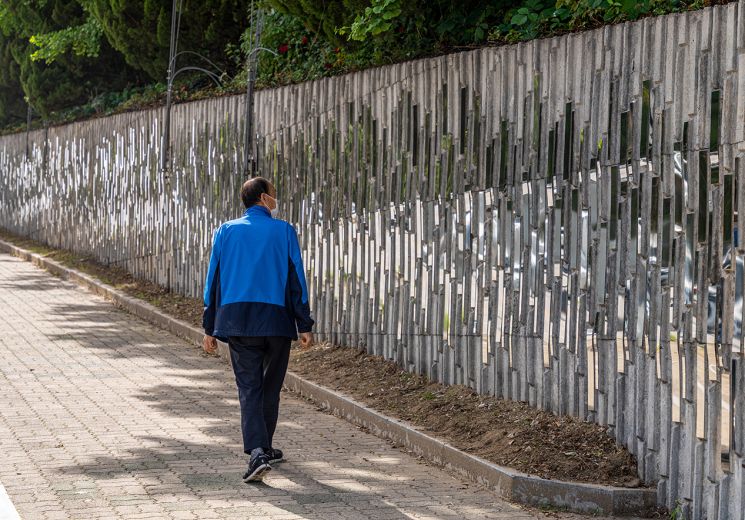
Dongdaemun-gu to Unveil 'Reflect Project' at Dapsimni Filming Studio Hill Area from August 1
A public art project will be held over approximately 150m along Dapsimni-ro in Dongdaemun-gu, where the Dapsimni film studio was located in the 1960s.
Dongdaemun-gu (Mayor Yoo Deok-yeol) will create an exhibition and space with LED media facade and landscape sculptures along the section passing through Dapsimni Filming Studio Hill (209 Dapsimni-ro), and open the public art project 'Reflect Project' as part of the Dapsimni Film Street from August 1.
The Reflect Project was selected as part of 'Seoul, 25 Episodes,' a project by the Ministry of Culture, Sports and Tourism and Seoul City to support artists struggling due to COVID-19 and provide residents with opportunities to enjoy public art in daily life. 'Reflect I,' created with LED media facade, screens creative works by visual artists who reinterpret films produced at the Dapsimni studio in the 1960s in a modern way. Explanations and guides are available on the Reflect Project website.
The landscape sculptures 'Reflect II, III' exhibited are works that create spaces with reflectors where everyday scenes can be encountered.
The 'Reflect Project' composes a time of reflection on films through images and memories encountered during passage through the installation space.
Docent-guided tours will be available on Saturdays in August and September (schedule subject to change due to social distancing) to help understand the works.
An anthology book titled 'Suddenly Recalled, The Puzzle of That Film: Flashback_Seoul Corner (1960-1969),' written by visual artists, architects, novelists, and critics, will be published in the second half of this year in connection with the exhibition.
Yoo Deok-yeol, Mayor of Dongdaemun-gu, said, "This public art project, conducted in line with the film street concept, will play a significant role in establishing Dapsimni Filming Studio Hill as a cultural space," adding, "We hope residents exhausted by COVID-19 find joy in daily life by enjoying new creative video art and landscape sculptures (reflectors)."
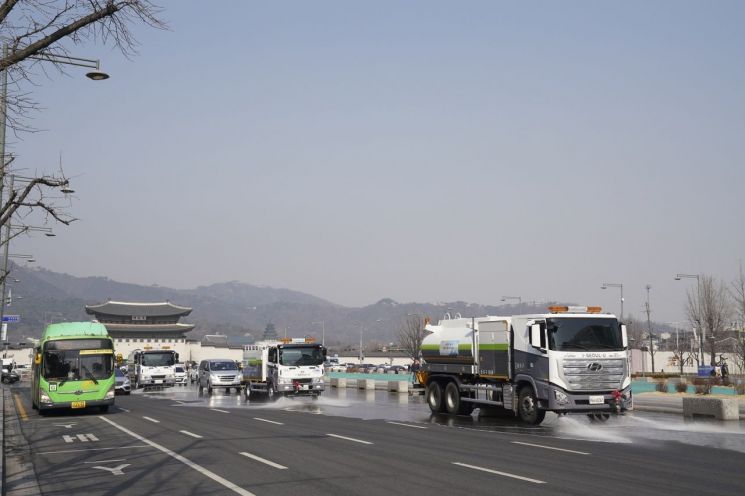
Jongno-gu Focuses on Heatwave Measures Including Enhanced Road Water Cleaning and Nutritional Support
Jongno-gu (Mayor Kim Young-jong) is working to protect residents from the ongoing scorching heat and minimize summer damage.
Since May, the district has implemented 'summer heatwave measures' focusing on preventing COVID-19 spread, established a three-stage heatwave situation management and response system, and provided special protection for vulnerable groups.
To respond more actively to heatwave situations, the district is implementing ▲expanded road water cleaning to mitigate heat island effects ▲nutritional meal projects for low-income elderly ▲distribution of bottled water and meal support at Tapgol Park ▲operation of cooling shelters and additional outdoor cooling shelters ▲provision of cooling supplies to vulnerable residents ▲recommendation of rest time system for outdoor workers to improve working conditions.
Road water cleaning to mitigate heat island effects will be expanded from July 28 to August 10. In addition to 13 district-operated water cleaning vehicles, 4 contracted vehicles will be added, mobilizing a total of 17 vehicles and all available equipment and personnel including fire hydrants.
Main roads in the area will be cleaned four times daily from 4:30 AM to 4 PM. In Donui-dong and Changsin-dong gosiwon (small room) areas, considering narrow alleys, fire hydrants will be used with additional cleaning in the morning and afternoon. After this period, Jongno-gu will continue daily road water cleaning to reduce artificial heat emitted from concrete.
To improve nutritional imbalance and summer physical decline among low-income elderly and support small business owners affected by COVID-19 sales decline, the district will conduct the 'Nutritious Meal Support Project for Low-Income Elderly' from July 26 to August 10.
About 2,000 elderly aged 65 or older who are basic livelihood security recipients or near-poverty class are targeted. Meals will be delivered via pre-selected small business restaurants through takeout, delivery, or coupon distribution. For elderly with mobility difficulties, community welfare council members will deliver meals and check on their well-being.
Since August 16, Tapgol Park, temporarily closed to prevent COVID-19 spread, has been reopened to distribute cool ice water and provide meal spaces. This is in response to vulnerable elderly gathering around free meal sites in the park due to closure of most free meal centers.
Bottled water is provided for about two hours from 9 to 11 AM while waiting for meals, and shade tents, fans, tables, and chairs are set up to help residents escape the heat and enjoy comfortable meals.
Cooling shelters are designated and operated at 68 locations including community centers, senior centers, and welfare centers. Weekday community center cooling shelters operate from 9 AM to 6 PM, and senior centers and welfare centers from 1 to 5 PM. They are closed on weekends and holidays.
Outdoor cooling shelters are being installed at 14 locations including Samcheong Park, Sungin Park, and Marronnier Park. Practical parasol designs and low heat conduction chairs have been selected, and sufficient spacing is ensured for social distancing. Operation period is until September 30.
Additionally, Jongno-gu's disaster helpers, composed of autonomous disaster prevention groups and community leaders, regularly check the health of vulnerable residents such as elderly living alone and disabled persons to prevent heat-related illnesses. The district also continuously provides cooling supplies such as air conditioners and fans to residents in difficult circumstances and actively recommends rest time systems from 2 to 5 PM, the hottest hours, for outdoor workers.
Kim Young-jong, Mayor of Jongno-gu, said, "We are focusing on alleviating difficulties of vulnerable residents suffering from the double hardship of prolonged COVID-19 and heatwaves," adding, "We will do our best to ensure all residents safely get through this summer."
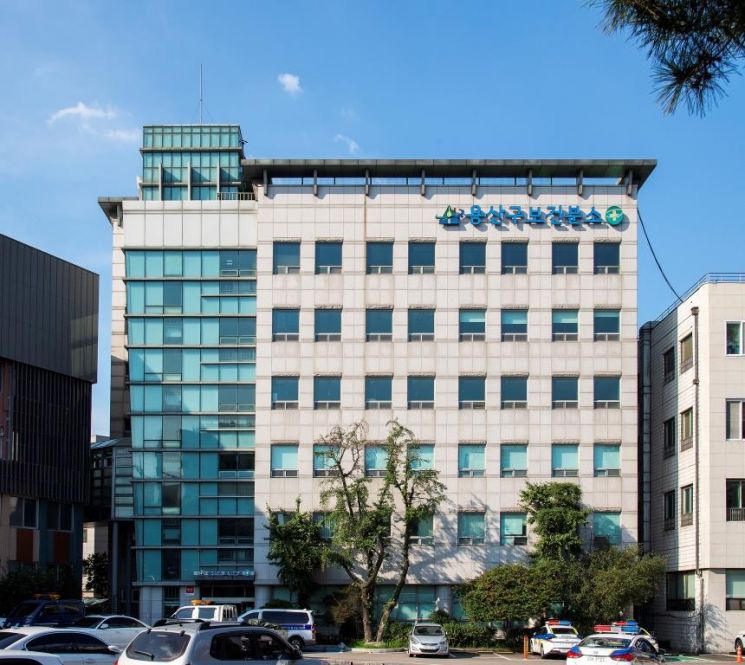
Yongsan-gu Establishes Lifelong Education Center for People with Developmental Disabilities at Health Branch Office
Yongsan-gu (Mayor Sung Chang-hyun) is creating a Lifelong Education Center for People with Developmental Disabilities (780㎡) and a Support Center for Families with Disabilities (102㎡) by utilizing vacant space on the 4th and 5th floors of the Health Branch Office (329 Baekbeom-ro).
This is in accordance with the Seoul Metropolitan Government Yongsan-gu Ordinance on the Rights and Support for People with Developmental Disabilities.
The Lifelong Education Center will occupy the 4th and 5th floors of the building. The 4th floor (338㎡) will have offices, counseling rooms, multipurpose rooms, and cooking activity rooms, while the 5th floor (442㎡) will have five general classrooms, special activity rooms, individual activity rooms, and psychological stabilization rooms.
The Support Center for Families with Disabilities will be established on the 4th floor as offices and lecture rooms. Facilities previously housed in the district's Disability Community Center (245 Seobinggo-ro) will be relocated here, and the previous space will be repurposed.
The Lifelong Education Center for People with Developmental Disabilities is a facility providing social adaptation training and vocational skill enhancement programs for adults aged 18 and over with developmental disabilities who wish to continue education.
The center has a capacity of 30 people and a study period of 5 years. The curriculum is divided into mandatory subjects (communication, daily living training, social adaptation, health management, vocational transition education, and positive behavior support) and elective subjects (leisure, culture, sports, etc.).
An official said, "As of December 2020, 71% (473 out of 657) of people with developmental disabilities in Yongsan-gu are adults," adding, "Through the center's operation, systematic support such as policy development, research, education, counseling, and promotion can be provided."
At the end of last year, the district established a basic plan for the center under the mayor's directive. Early this year, it enacted and promulgated the 'Ordinance on the Rights and Support for People with Developmental Disabilities in the District,' applied for the Seoul City Lifelong Education Center operation contest in March, and was finally selected along with Jung-gu in May.
Afterward, the social welfare corporation Onnuri Welfare Foundation (CEO Song Young-beom) was selected as the facility management agency through a contest, and the district is proceeding with design and construction with the foundation, aiming to officially open the facility early next year.
Since 2016, Seoul City has annually selected 3 to 6 autonomous districts to support the opening of lifelong education centers for people with developmental disabilities. With Yongsan and Jung-gu, the goal of establishing centers in all 25 districts has been achieved.
Sung Chang-hyun, Mayor of Yongsan-gu, said, "I am pleased to resolve the long-standing wishes of people with developmental disabilities and their families," adding, "We will continue to mobilize all our capabilities to improve welfare for people with disabilities."
In 2019, the district also built a Disability Community Center in Seobinggo-dong. The center, with a total floor area of 1,496㎡ over basement 1 to 4 floors, includes a multipurpose auditorium, a cafe creating jobs for people with severe disabilities, a sign language interpretation center, an accessibility technology support center, and an informatization education room.
In the first half of this year, a shelter exclusively for visually impaired persons was installed on the third floor of the community center, and self-help groups began operating.
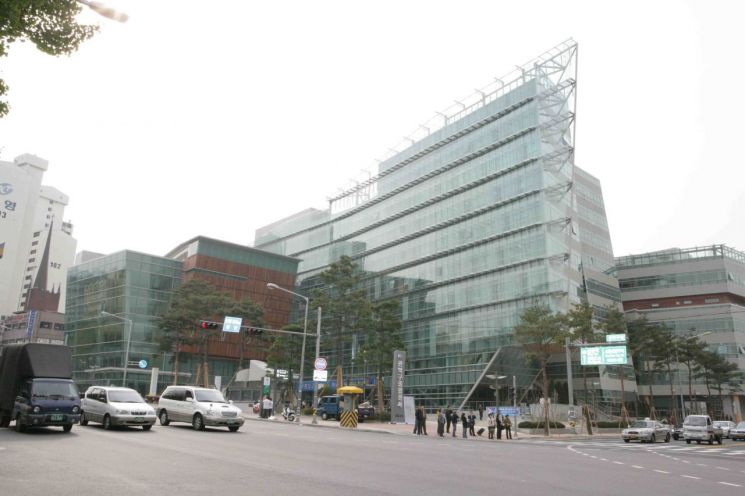
Gwanak-gu Attracts 689.8 Billion KRW in External Funds over 3 Years of the 7th Local Government Term
Gwanak-gu (Mayor Park Jun-hee) has achieved a significant accomplishment by securing a total of 689.8 billion KRW in external funds from the central government, Seoul City, and others over three years since the launch of the 7th local government term to drive regional development.
Upon the start of the 7th local government term, the district reorganized its organization and established the 'External Policy Team' responsible for overseeing public contest projects and external evaluations, focusing administrative efforts on securing external funds.
The district also systematically managed the progress of each project, held regular reporting sessions and ad hoc meetings to actively respond to public contests and external evaluations across all departments, and introduced a reward system to encourage departments and employees with excellent achievements, gaining strong support from staff.
The detailed types of secured external funds include ▲public contest projects (303 cases, 92.4 billion KRW) ▲external institution evaluation prize money (174 cases, 4.7 billion KRW) ▲special grants (151 cases, 48.4 billion KRW) ▲special local grants (54 cases, 17.3 billion KRW) ▲reallocation projects (261 cases, 414.7 billion KRW).
Especially this year, despite the prolonged COVID-19 pandemic, the district excelled in public contest fields such as revitalizing local commercial districts and job creation, securing 1.476 billion KRW for the Small Business Joint Infrastructure Construction Project, 150 million KRW for Our Neighborhood Store Artterior, and 786 million KRW for Seoul-type New Deal Jobs, totaling 10.8 billion KRW for 75 selected projects including 4.2 billion KRW for the public cable maintenance project to improve the urban environment.
In external institution evaluations by the central government and Seoul City, the district achieved 13 awards in the first half of the year alone, including ▲Best (SA) in the National Basic Local Government Mayor's Pledge Implementation Evaluation ▲Six consecutive awards for rapid local finance execution ▲Best in the 2020 Autonomous District Sewerage Management Evaluation.
Park Jun-hee, Mayor of Gwanak-gu, said, "Despite the great crisis of COVID-19, we were able to achieve good results thanks to the dedicated efforts and passion of our staff," adding, "We will continue to focus on various public contest projects and external evaluations to secure necessary resources to improve residents' quality of life and enhance the district's status."
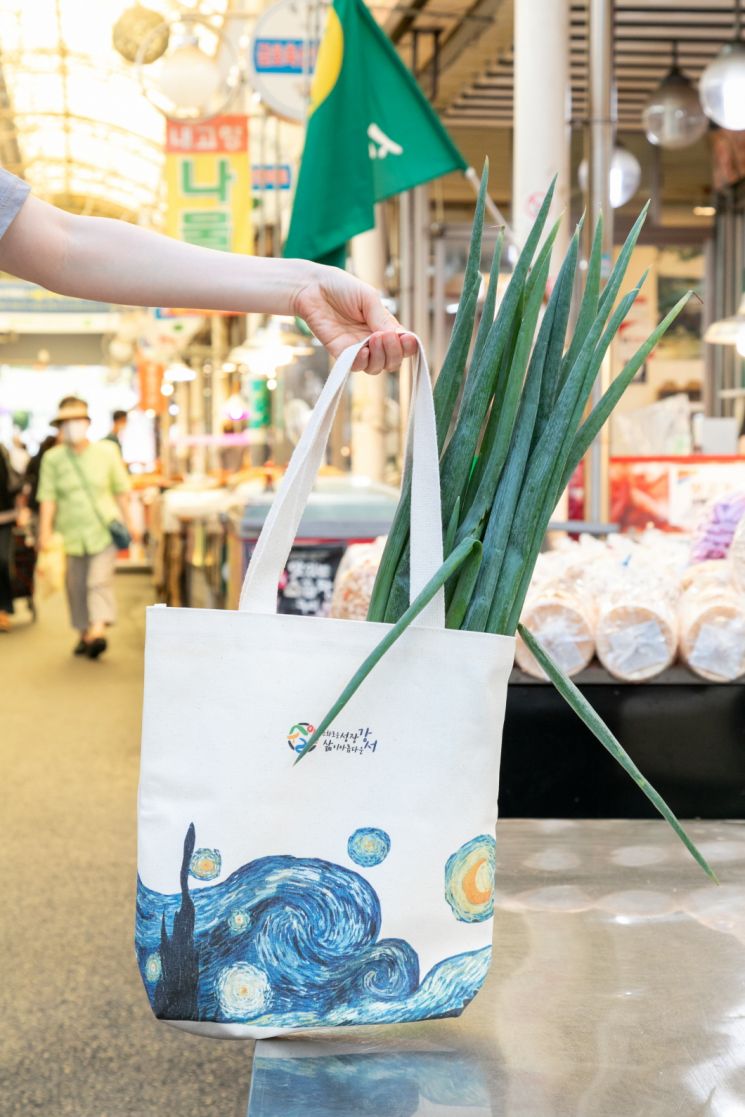
Gangseo-gu Promotes Reduction of Disposable Bag Use in Traditional Markets
Gangseo-gu, Seoul (Mayor Noh Hyun-song) has rolled up its sleeves to reduce the use of disposable bags in traditional markets.
The district is implementing the 'Traditional Market Shopping Bag Habitualization Project,' which lends reusable shopping bags to residents free of charge.
The purpose is to protect the environment by reducing disposable bag use in traditional markets, which are less regulated than large supermarkets and department stores regarding plastic bag use.
The free shopping bag lending project started as a resident proposal and was selected as a regional community innovation task, leading to the project's launch. The voluntary participation of market merchant associations adds significance.
Shopping bags can be borrowed in two ways: by donating five used shopping bags by August 13 or by purchasing goods worth 20,000 KRW or more at traditional markets from August 16 to September 10 to borrow shopping bags for free.
The markets involved are ▲Kkachisan Market ▲Nambu Alley Market ▲Songhwa Mural Market ▲Hwagok Bon-dong Market ▲Hwagok Central Market ▲Bangsin Traditional Market.
Each market has a designated space providing shopping bag lending services for three hours on weekdays from 2 PM to 5 PM.
Returns can be made through unmanned shopping bag return boxes set up at each market. The district plans to stock donated shopping bags and shopping bags made from recycled banners donated by residents to ensure convenient use for everyone.
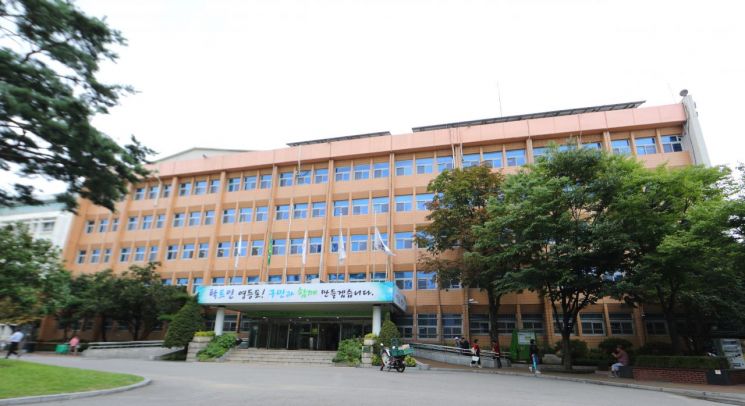
Yeongdeungpo-gu Recruits Participants for On-Site Customized Interior Technology Training to Foster Young Architects
Yeongdeungpo-gu (Mayor Chae Hyun-il) is recruiting young people to participate in 'On-Site Customized Interior Technology Training' as part of the 2021 regional-led youth job project.
The district prepared this training with Yeongdeungpo Youth Architecture School to expand employment and startup opportunities for youth, alleviate the shortage of construction technicians, and prepare for the growing demand in the interior market.
Yeongdeungpo Youth Architecture School, conducting this training, is the first specialized education institution in the architecture field established by a Seoul autonomous district in 2018, serving as a stepping stone for young people aspiring to become future architecture experts.
This training is expected to provide practical and realistic help to local youth facing severe employment difficulties due to the prolonged COVID-19 pandemic by enhancing practical job skills in the construction field.
Unemployed youth aged 18 to 39 residing in Seoul can apply, with a total of 8 students to be recruited. The training is free of charge.
The curriculum includes basic interior theory and woodworking basics, comprehensive technical training in tile, wallpaper, plumbing, and electricity, and practical training at interior construction sites, providing diverse and effective customized lectures from basics to field application.
The training schedule consists of technical education at the Youth Architecture School for the first four weeks, followed by practical training at interior construction sites for weeks 5 to 8 for those who wish. The schedule and content may change flexibly depending on COVID-19 spread.
Applicants can download the application form from the Yeongdeungpo Youth Architecture School website and submit it via email (ydpysa@naver.com) or mail (116 Munrae Buk-ro, B110, Yeongdeungpo-gu) by August 4.
For details, contact Yeongdeungpo-gu Social Economy Division or Yeongdeungpo Youth Architecture School.
Meanwhile, the district is exploring various support methods to help youth employment and startups through an agreement with Yeongdeungpo Youth Architecture School. In May, it held a 'Youth Architecture Startup Project' contest to provide opportunities for youth to actively participate in improving local residential environments and foster self-reliance.
Chae Hyun-il, Mayor of Yeongdeungpo-gu, said, "We hope young people aspiring to be construction experts will become skilled architectural talents through this training," adding, "We will continue to prepare various youth support policies so that young people can fully develop their capabilities and realize their dreams."
Yangcheon-gu Recruits 293 Applicants for Hope Double Youth and Dream Narae Accounts
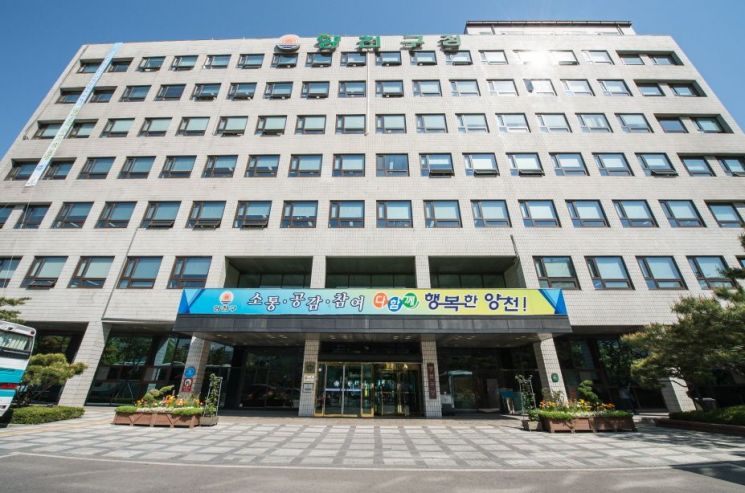
Yangcheon-gu (Mayor Kim Soo-young) will recruit 293 applicants from August 2 to August 20 for the '2021 Hope Double Youth Account and Dream Narae Account,' an asset-building support project to help working youth and low-income households achieve independence.
The 'Hope Double Youth Account' allows working youth to save 100,000 or 150,000 KRW monthly for 2 to 3 years and receive more than double their savings. The district matches 100% of the user's savings with Seoul City budget and private funds, and the funds can be used for housing, marriage, education, startup, etc. Interest provided by partner banks is also received.
Eligibility for the Hope Double Youth Account is low-income working youth aged 18 to 34 residing in Yangcheon-gu, with monthly income below 2.55 million KRW and household income below 80% of median income.
The district also recruits applicants for the Dream Narae Account for low-income families with children under 14 years old, with household income below 80% of median income (90% for families with three or more children).
Monthly savings can be selected from 50,000, 70,000, 100,000, or 120,000 KRW. Basic livelihood security recipients receive 100% additional payment, and non-recipients receive 50% additional payment.
This year, the district plans to select 280 for the Hope Double Youth Account and 13 for the Dream Narae Account, totaling 293. Applicants can visit their local community service center from August 2 to 20 to submit applications in person, by mail, or via email to the community center staff.
After the application period, document screening and credit checks will be conducted, and selected applicants will be announced in November to sign agreements and start saving. For detailed inquiries, contact the district welfare policy division.
Kim Soo-young, Mayor of Yangcheon-gu, said, "We hope this project will be a great help for youth and low-income households struggling due to COVID-19 to overcome the crisis and plan a hopeful future."
Jung-gu Implements Thorough Heatwave Measures with No Blind Spots
Jung-gu (Mayor Seo Yang-ho) is taking responsibility for a safe summer by protecting and intensively supporting vulnerable groups exposed to heatwave disasters.
The district assigns dedicated public officials to elderly living alone and residents with chronic diseases to regularly check health status, provide heat illness prevention guidance, and share results with health centers. Requests from subjects are communicated to community service centers for continuous management.
The district provides cooling supplies such as air conditioners to high-risk households among basic livelihood security recipients and near-poverty groups vulnerable to heatwaves, including residents in goshiwon and rooftop rooms. For 500 households hesitant to operate air conditioners due to electricity costs, 30,000 KRW per household is provided for electricity bills.
Previously, the district provided heatwave prevention kits consisting of cooling bags, cool arm sleeves, cool scarves, sun sticks, mosquito repellents, umbrellas, and heatwave action guideline leaflets to 1,500 vulnerable households, and summer blankets and tumbler sets to 100 households.
As in previous years, 16 elderly waste collectors vulnerable to heat illness are supported with 50,000 KRW monthly to suspend outdoor activities during peak heat periods.
To prevent safety accidents due to heatwaves among workers in industrial and construction sites, the district distributes safety education materials such as 'Heatwave Worker Action Guidelines' at local construction sites and establishes an SNS emergency contact network for rapid emergency communication.
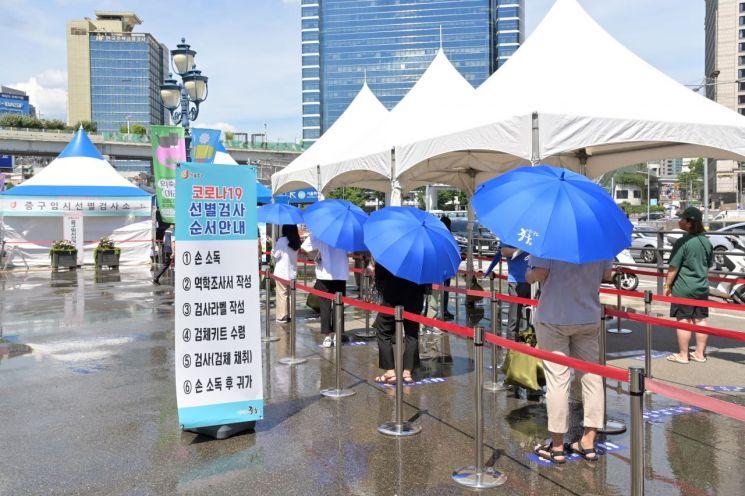
With the ongoing COVID-19 spread and scorching heat, the burden on citizens and medical staff visiting COVID-19 screening clinics is increasing. To alleviate this, the district extends screening clinic operating hours to avoid peak heat times: weekdays 9 AM to 9 PM, weekends 9 AM to 6 PM, with disinfection from noon to 2 PM.
Additionally, the district installs shade shelters, rents parasols, and operates water spraying trucks twice daily (health centers as needed) to reduce heat around testing sites and minimize heatwave damage.
At Cheonggu-dong Community Service Center, in cooperation with Shinil Church (Pastor Lim Kyung-han), 238 low-income households and 13 facilities including daycare centers and senior centers received home-cation water play kits (foot baths, water guns, shaved ice kits) on July 29, with a non-face-to-face (via ZOOM) water play festival planned for the second week of August.
Seo Yang-ho, Mayor of Jung-gu, said, "All disasters always weigh more heavily on socially and economically vulnerable groups," adding, "We will do our best to improve residents' quality of life through meticulous policy support that cares for each vulnerable resident to prevent exclusion."
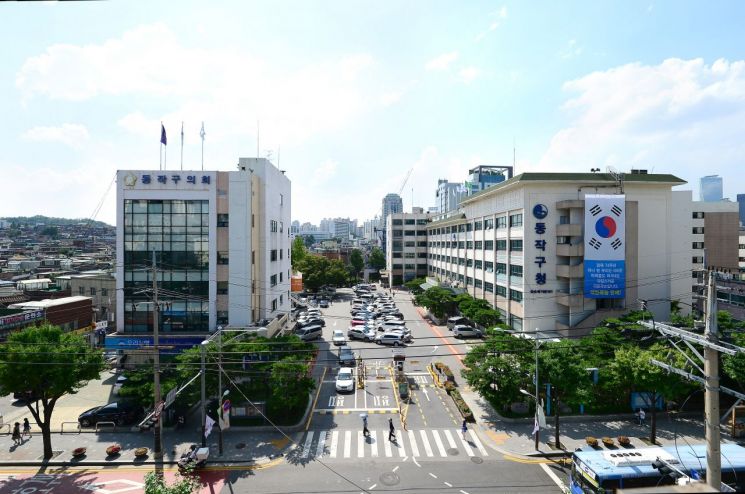
Dongjak-gu (Mayor Lee Chang-woo) is recruiting participants until August 3 for training to foster 'Online Professional Sellers as One-Person Entrepreneurs' targeting women who have experienced career breaks.
This project was selected in late April through a consortium of Dongjak-gu and Dongjak 50 Plus Center in the Ministry of Employment and Labor's 'Regional Industry Customized Job Creation Support' contest, securing a budget of 70 million KRW.
Online professional sellers do not manufacture or purchase goods in bulk but select and resell products needed by consumers from wholesale shopping malls acting as online wholesalers, allowing operation of their own shopping malls without initial capital.
The district plans to train 60 women in their 40s and 50s who have experienced career breaks as one-person professional sellers to help them start businesses and generate income. Support includes over 80 hours of free training on open market operation and SNS promotion, a 5-month free open market operation assistant program, provision of related textbooks, and continuous mentoring through communities.
Training will be conducted in two teams of 30 each from August 9 to early December over 18 weeks, both online and offline. The schedule and methods may change depending on social distancing levels.
Women wishing to participate can download job application forms from the Dongjak 50 Plus Center website and submit them via email (jsm00617@50center.or.kr) by August 3.
For detailed eligibility and required documents, contact Dongjak 50 Plus Center.
Jeon Hye-young, Job Policy Division Head, said, "With the expansion of non-face-to-face culture, the e-commerce market is growing, and we hope many women with career breaks participate in this online professional seller training to plan a second life through entrepreneurship."
© The Asia Business Daily(www.asiae.co.kr). All rights reserved.
![Clutching a Stolen Dior Bag, Saying "I Hate Being Poor but Real"... The Grotesque Con of a "Human Knockoff" [Slate]](https://cwcontent.asiae.co.kr/asiaresize/183/2026021902243444107_1771435474.jpg)













