Primary Battery 'Global Top 3'... Turning 2017 Crisis into Opportunity
Industry's Largest Reliability Testing Lab Established... "Consistently Providing Data to Customers"
Increased Demand for Primary Batteries in Smart Meters... Also Supplying British Gas
Second Hub to Operate in Second Half of Next Year... "Will Become a Key Base for Secondary Batteries"
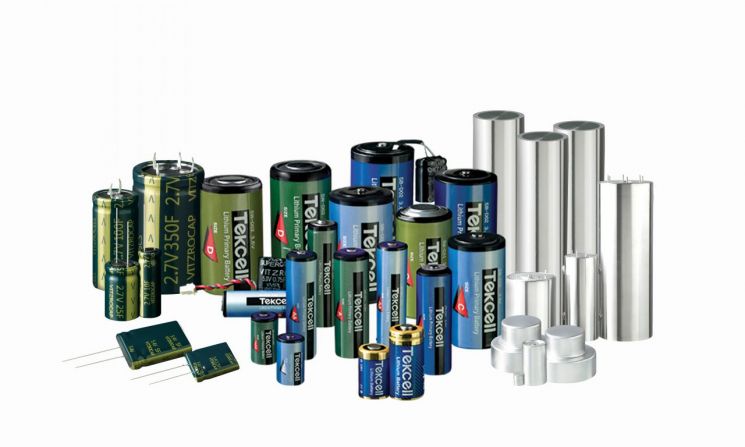
[Asia Economy Reporter Junhyung Lee] The future of primary batteries is bright. The global primary battery market is steadily growing every year. Although it is not as "hot" as the rapidly expanding secondary battery market driven by the spread of electric vehicles, it is evaluated to have a solid foundation. This is because there are areas unique to primary batteries that secondary batteries cannot replace. Primary batteries cannot be reused, but they have the advantages of high energy density and long energy storage duration. They do not malfunction even under extreme temperatures, making them suitable for military equipment, oil and gas drilling equipment, and more.
Lithium Primary Batteries Among the Global Top 3
Vitzrocell is the domestic leader in the lithium primary battery sector. The company's domestic market share is about 80%. Globally, it is ranked among the "top 3" alongside France's SAFT and Israel's Tandiran. Approximately 76% of the company's sales come from overseas exports. We conducted an interview via video call with Vitzrocell CEO Seungguk Jang, who was on a business trip to Houston, USA.
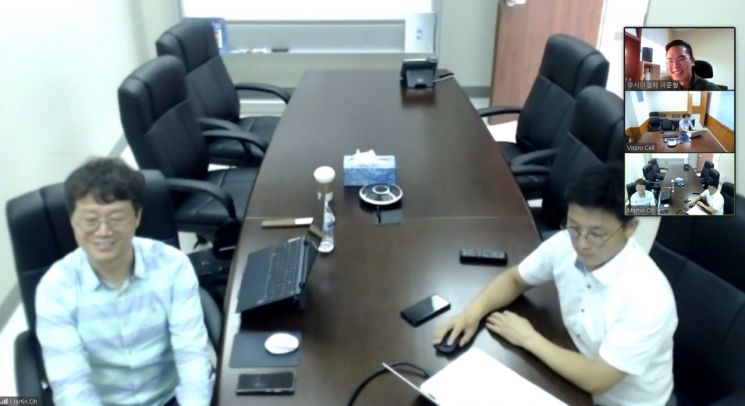 Jang Seung-guk, CEO of Vitzrocell (left), being interviewed by our reporter Lee Jun-hyung (top right).
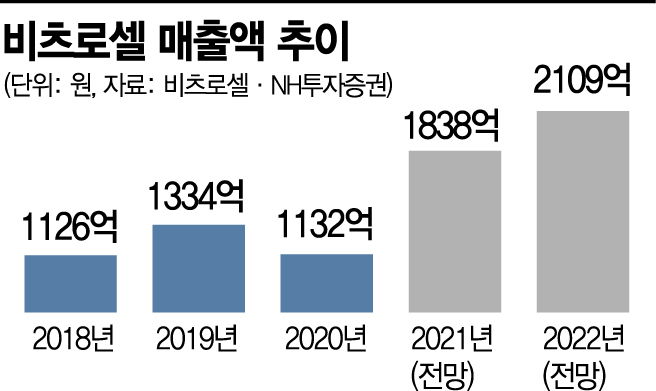
The company experienced a major setback in 2017. At that time, a fire completely destroyed the production plant located in Dangjin, Chungnam. Sales, which were around 100 billion KRW in 2016, plummeted to 25.2 billion KRW the following year. The company, which had established itself as a veteran in the primary battery industry since its founding in 1987, was essentially at a crossroads of survival.
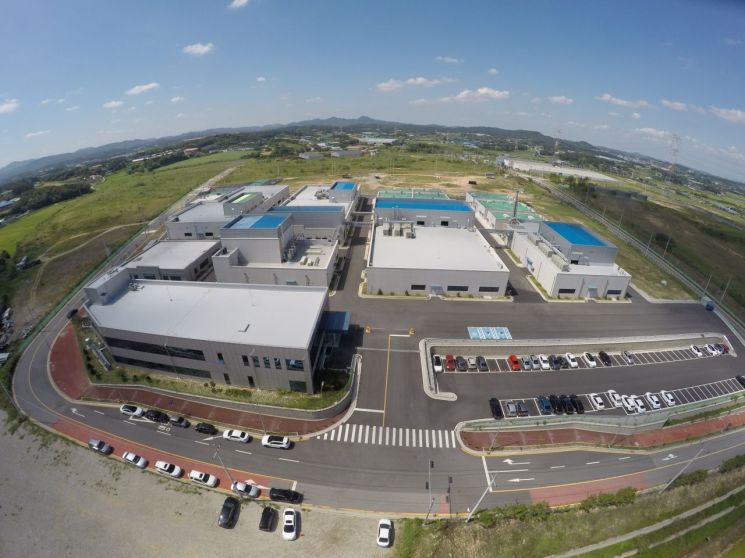
Vitzrocell turned the crisis into an opportunity. The company invested about 90 billion KRW to build the "Dangjin Smart Campus" in 2018, which is three times larger than the previous plant. It secured safety through seismic design comparable to nuclear power plants and established the largest reliability testing laboratory in the primary battery industry. By improving process efficiency, the product production capacity increased by 37% compared to before the fire. The company recorded its best-ever performance in 2018. CEO Jang explained, "Companies that have secured a certain market share do not conduct reliability tests as extensively as we do," adding, "Providing customers with vast data such as expected battery life obtained through testing is also one of Vitzrocell's strengths."
Leading in Primary Batteries While Accelerating Secondary Battery Development
The demand for products using primary batteries continues to increase. Smart meters (AMI) are a representative example. Smart meters are next-generation strategic meters that measure energy usage in real time to help reduce energy consumption. They are one of the largest demand sectors for primary batteries.
Due to global trends such as carbon neutrality and the spread of renewable energy, the outlook for the smart meter market is bright. The Korean government has identified the establishment of a home smart power platform as part of its "energy digitalization" policy for the Green and Digital New Deal. CEO Jang stated, "From the second half of this year, we will supply primary batteries to British Gas, the largest gas company in the UK," adding, "We expect to become the number one company in the UK, the second-largest smart meter market in Europe, within the next two years."
The company is also accelerating the development of lithium secondary batteries. In May, it acquired MakeSens, a secondary battery startup founded by researchers from the University of Calgary, Canada. This acquisition aims to improve the drawbacks of existing lithium secondary battery anode materials by utilizing MakeSens's composite nanomaterial technology. CEO Jang explained that through advanced nanotechnology under development at Vitzrocell, the silicon ratio in the surface treatment process can be significantly increased.
CEO Jang said, "We are forming a consortium with the Korea Institute of Science and Technology (KIST) and are also developing next-generation secondary battery anode materials for LG Energy Solution," adding, "We expect commercialization around 2025." To support the secondary battery business, a new factory is being built near the Dangjin Smart Campus. CEO Jang confidently stated, "When the second base is operational in the second half of next year, it will become the core base for new businesses."
© The Asia Business Daily(www.asiae.co.kr). All rights reserved.



















