[Seoul District News] Ice Pillars Lined Up for Waiting Patients at Gwanak-gu Screening Clinic... Nowon-gu Temporary Screening Clinic CCTV Footage Available in Real-Time via Mobile App... Gangbuk-gu Beon1-dong Solarrium City Hostel Used as Safe Shelter for Low-Income Seniors... Yeongdeungpo-gu Recruiting ‘Dangsan Living Area (Yangpyeong 2-dong·Dangsan 2-dong) Resident Participation Group’... Guro-gu Replaces Resident Center Entry Logs with Safe Entry Call Service
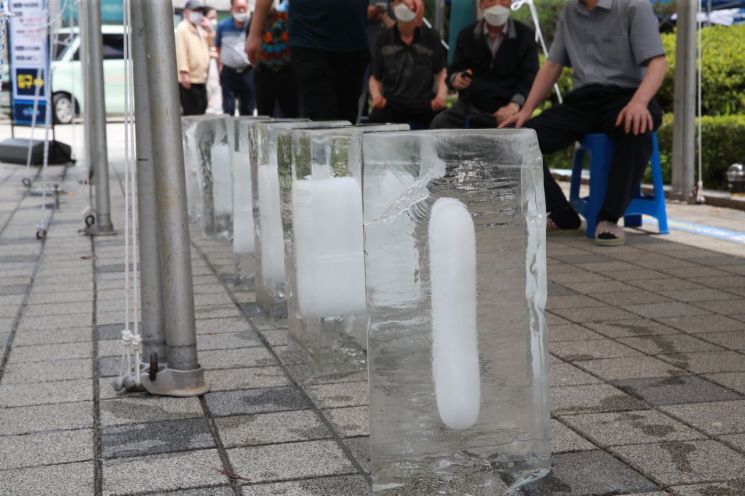
Ice Pillars Lined Up for Waiting Visitors at Gwanak-gu Screening Clinics
[Asia Economy Reporter Park Jong-il] Gwanak-gu (Mayor Park Jun-hee) is focusing administrative efforts to prevent the double hardship faced by residents due to COVID-19 and the heatwave.
Since the 1st of this month, the district has extended the operating hours of health center screening clinics to respond to the surge in confirmed cases, operating from 9 a.m. to 9 p.m. on weekdays and from 9 a.m. to 6 p.m. on weekends (Saturday and Sunday) and holidays.
On the 13th, an additional temporary screening site was set up at Nakseongdae, operating from 10 a.m. to 5 p.m. on weekdays and from 10 a.m. to 3 p.m. on Saturdays and holidays (closed on Sundays). The operating hours of the Sillim Sports Center temporary screening site were also extended to 10 a.m. to 5 p.m. on weekdays and 10 a.m. to 6 p.m. on Saturdays and holidays (closed on Sundays).
To prevent harm to medical staff and testees from the heatwave, air conditioners, portable cooling devices, and fans were additionally installed inside the testing sites. Medical and administrative personnel were reinforced to reduce waiting times and ensure thorough rest periods for workers.
Shade tents were installed along the outdoor waiting lines, and ice was placed to cool the heat, making multifaceted efforts to prevent heat-related damage to testees.
Additionally, epidemiological investigation personnel were increased to a total of 82, and since the 5th, a vaccination center was added at the Gwanak-gu Civil Defense Education Center, operating two centers in total to accelerate vaccination speed.
The district is putting full effort into both COVID-19 and heatwave responses. Since May, a heatwave countermeasure headquarters has been operating to prevent heatwave damage through protection of vulnerable groups, operation of cooling shelters, and safety management of heatwave-vulnerable facilities.
First, intensive care is promoted to protect heatwave-vulnerable groups. Disaster helpers consisting of 536 people including elderly caregivers, home care managers, visiting health professionals, community leaders, and voluntary disaster prevention groups conduct close health management through visits and welfare calls for elderly living alone, mobility-impaired persons, and chronic patients.
Also, high-risk households for heatwave are selected by neighborhood to strengthen customized care services, and a ‘Smart Plug Check-in Service’ using IoT sensors to monitor safety is also being promoted.
Cooling supplies for heatwave-vulnerable groups are also being provided. Each neighborhood distributes 30 fans and 50 cool kits (one set of three items: cool towel, cool arm sleeves, cool mat), and health status will be checked during home visits by community centers.
Currently, 28 cooling shelters (21 community centers and 7 welfare institutions) are operating under social distancing level 4, with 4 welfare institutions among them extending hours from 9 a.m. to 9 p.m. on weekdays, weekends, and holidays. Additionally, three local lodging facilities have been designated and operated as safe accommodations as alternative shelters. Starting from the 26th, 112 senior centers will also operate as cooling shelters in line with social distancing level-based openings.
Based on 4th industrial technology (IoT), the ‘Gang Gam-chan Smart Shade Tent’ that automatically opens and closes depending on the surrounding environment was first pilot-installed and operated at 10 locations last year, with 4 more installed in June. In July, 17 more locations will be added, operating a total of 31 sites.
Furthermore, various measures are being implemented to protect vulnerable groups from heatwaves, including protection plans for street homeless people, heatwave management at daycare centers, and safety management for construction workers.
Mayor Park Jun-hee said, “We are mobilizing all administrative power to establish thorough quarantine and heatwave damage prevention measures amid the ongoing heatwave,” and “We ask for active participation and cooperation from residents so that COVID-19 can end and daily life can be restored as soon as possible.”
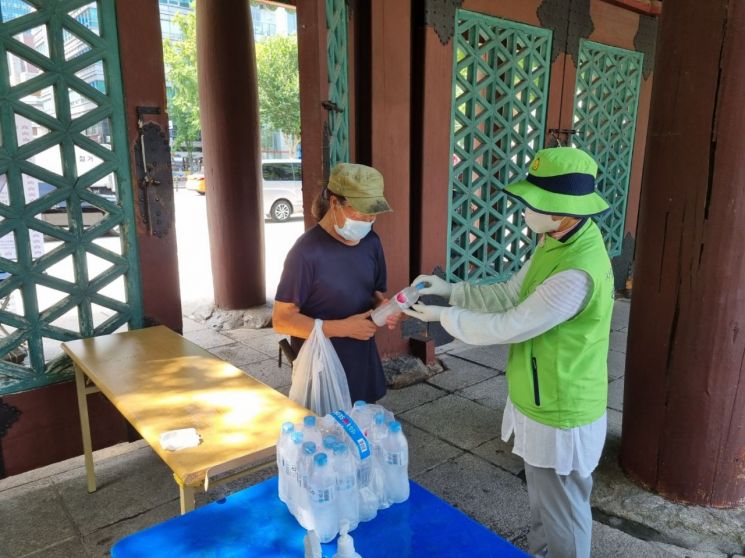
Jongno-gu Provides Ice Water to Elderly at Tapgol Park
Jongno-gu (Mayor Kim Young-jong) is providing ‘ice water support’ around Tapgol Park (Jongno 99) for elderly people vulnerable to heatwaves who are suffering double hardships due to prolonged COVID-19 and the heatwave.
The period is 30 days from the 16th of this month to the 15th of next month. To help elderly visitors to Tapgol Park escape the heat even briefly during this record-breaking summer, 1,000 bottles of cold water will be distributed.
The district considered that with the elevation to social distancing level 4, social welfare facilities have reduced operations, and most free meal centers have closed to prevent infection spread, causing vulnerable elderly to gather around Tapgol Park.
Recently, the number of vulnerable elderly visiting the area to secure meals has more than doubled compared to last year, so water is being provided at Samilmun and the North Gate of Tapgol Park where free meals are served.
Distribution time is set from 9 a.m. to 11 a.m. to prevent heat-related illnesses among elderly exposed to the heat while waiting for free meals. Due to restrictions on cooling shelter operations under social distancing level 4, elderly at risk of missing meals had to move between outdoor cooling shelters, and their response has been very positive.
In addition, Jongno-gu is meticulously checking the COVID-19 emergency response system and implementing the ‘2021 Summer Heatwave Comprehensive Measures’ until September 30 to protect residents’ safety and health from the heatwave.
As part of this, shade tents have been installed at 47 locations including major arterial road crosswalks and traffic islands, and eight water trucks are deployed as needed to spray water on major arterial roads.
Protection activities for heatwave-vulnerable groups such as basic livelihood security recipients and near-poverty groups are handled by disaster helpers composed of community leaders, voluntary disaster prevention groups, and public officials. Disaster helpers regularly check residents’ health status by phone or visits and provide heatwave action guidelines.
Additionally, the district delivers cooling supplies such as air conditioners and fans to residents in difficult circumstances and recommends operating worker rest shelters and rest time systems between 2 p.m. and 5 p.m., the hottest hours, so outdoor workers can take sufficient breaks.
Mayor Kim Young-jong of Jongno-gu said, “Since record-breaking heat is expected this summer, we will strengthen activities to prevent heat-related illnesses and plan to install about 80 additional shade tents throughout the district,” adding, “Besides water support, we will strive to prepare various policies to carefully care for heatwave-vulnerable residents such as elderly living alone.”
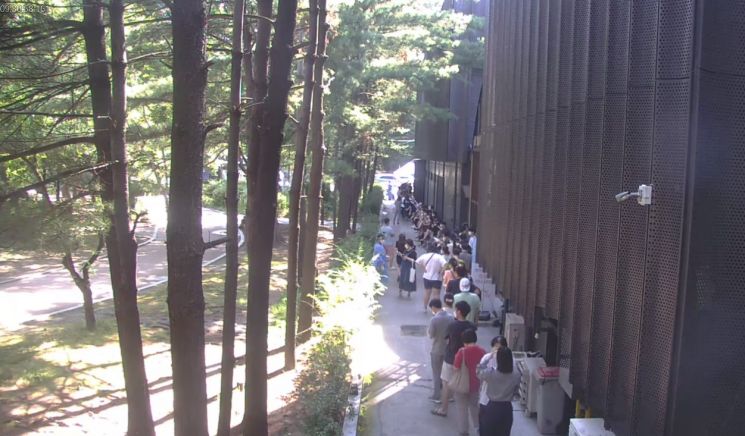
Nowon-gu Introduces Real-Time CCTV Video Viewing System via Mobile App at Temporary Screening Clinics
Nowon-gu (Mayor Oh Seung-rok) is eliminating inconveniences for residents waiting in line for COVID-19 testing under the heatwave by utilizing CCTV footage.
Since the 4th wave of COVID-19, the number of testees has surged sharply, causing waiting lines in front of screening clinics to extend tens of meters. The district decided to allow residents to check the waiting status via mobile phones to drastically reduce inconvenience caused by on-site waiting.
The district has established and started operating a system where residents can view real-time CCTV footage of temporary screening clinics. However, the images of waiting individuals are masked with mosaic technology to protect personal video information.
The usage method is simple. Install the ‘Nowon Smart City’ app on a mobile phone, select the ‘Sky View’ service, then choose ‘View CCTV’ for the temporary screening clinic to check the real-time waiting status in front of the clinic.
Using this service, residents wishing to get tested can check the waiting status comfortably from anywhere, reducing discomfort caused by uncertain waiting times.
It is also expected to greatly reduce the possibility of cross-infection on-site by preventing crowding of testees at one location or prolonged waiting times.
Currently, the district operates two temporary screening clinics: Nowon-gu Office New Building Parking Lot and Nowon Citizens’ Hall (formerly Nowon-gu Citizens’ Center).
The Nowon-gu Office New Building Parking Lot clinic has extended operating hours due to the surge in confirmed cases. It operates from 9 a.m. to 9 p.m. on weekdays, with disinfection from 12 p.m. to 1 p.m. and 5 p.m. to 7 p.m. when testing is not conducted. On Saturdays, it operates from 9 a.m. to 6 p.m. (disinfection from 1 p.m. to 3 p.m.), and on Sundays and holidays, testing is conducted from 9 a.m. to 1 p.m.
The Nowon Citizens’ Hall clinic operates from 9 a.m. to 5 p.m. on weekdays and from 9 a.m. to 1 p.m. on weekends and holidays. Disinfection is from 12 p.m. to 1 p.m.
Recently, residents visiting COVID-19 testing sites have suffered double hardships due to long waiting times and severe heatwaves.
Accordingly, the district operates a healing refrigerator providing one bottle of cool water per person free of charge at the two temporary screening clinics. Umbrellas to shield from sun or rain and chairs for long waiting times are also prepared and provided.
Meanwhile, with the implementation of a ban on drinking in parks after 10 p.m., the district is utilizing CCTV and emergency bells installed in local parks to prevent COVID-19 spread. The emergency bells’ broadcasting function is used to continuously announce quarantine guidelines. CCTV monitoring is strengthened, and announcements are made as needed to prevent rule violations in advance.
Mayor Oh Seung-rok of Nowon-gu said, “The importance of early COVID-19 testing cannot be overstated,” and “We will devise all necessary measures to ensure residents have no inconvenience when visiting testing sites.”
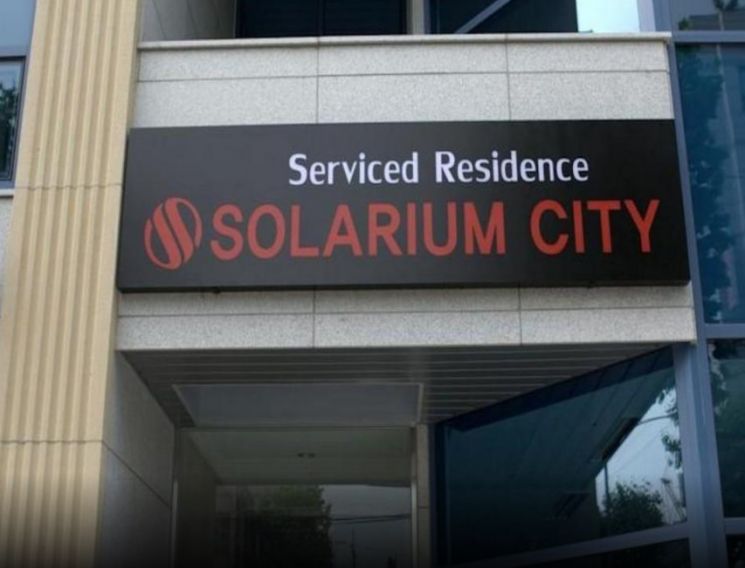
Gangbuk-gu Uses Solarrium City Hostel in Beon 1-dong as Safe Shelter for Low-Income Elderly
Gangbuk-gu (Mayor Park Kyum-soo) has rolled up its sleeves to help residents have a healthy summer amid continuous heatwaves.
The district signed an agreement with a local tourist hotel and designated a safe shelter for heatwave protection. The facility is Solarrium City Hostel (111 Deokneung-ro, Beon 1-dong) and will be used until September. The safe shelter is a kind of nighttime cooling shelter to protect elderly vulnerable to heatwaves.
The target users are low-income elderly aged 65 or older living alone or elderly couples needing care. Those wishing to use the service can visit their local community center. The district allocated numbers by neighborhood considering the number of elderly eligible for basic livelihood security and near-poverty groups. Candidates are recommended by neighborhood community centers and selected accordingly. Selected elderly can enter the safe shelter by presenting a free-use voucher received in advance from the district when a heatwave warning is issued.
The district also operates general cooling shelters accessible to anyone wishing to escape the heat. These shelters are located in neighborhood community centers and local welfare centers. Normally, they are open from 9 a.m. to 6 p.m. on weekdays. When a heatwave warning is issued, closing time is extended by 3 hours to 9 p.m. Additionally, neighborhood community centers open from 10 a.m. to 5 p.m. on weekends and holidays, and Gangbuk Disabled Welfare Center opens from 8 a.m. to 1 p.m. on Saturdays.
Along with this, the district designated health center staff and visiting nurses as disaster helpers and started pre-checking the welfare of heatwave-vulnerable groups. The inspection targets are 3,192 people including elderly living alone, mobility-impaired persons, and chronic patients. Disaster helpers have been focusing on their health status through visits or phone consultations. They also deliver cooling supplies and provide guidance on heat illness management and cooling shelters.
Mayor Park Kyum-soo of Gangbuk-gu said, “I hope cooling shelters become safe and comfortable resting places for heatwave-vulnerable groups,” and “We will make every effort to help all residents stay healthy this summer amid the double hardship of COVID-19 spread and heatwaves.”
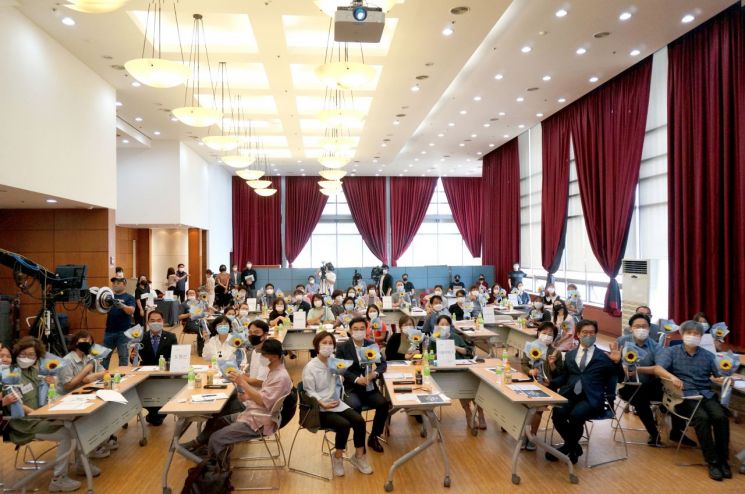
Dobong-gu Prepares Dobong Cultural City Development Plan for 4th Designation as Cultural City in 2021
Dobong-gu (Mayor Lee Dong-jin) and Dobong Cultural Foundation have established the 4th (preliminary) cultural city development plan with the vision of ‘Dobong, a Respectful Cultural City Full of Stories of the People (Ssi-al).’
Started in 2018 as a major national cultural and arts policy project, the ‘Cultural City Development Project’ is a Ministry of Culture, Sports and Tourism contest supporting regions to plan and realize their cultural environment independently from a long-term perspective. The project aims to select 30 cultural cities by 2022. According to the Regional Culture Promotion Act, the first year designates a ‘preliminary cultural city,’ and after one year of activities, a review is conducted to select the ‘legal cultural city’ for a maximum of 5 years with up to 20 billion KRW invested.
Dobong-gu has operated the policy brand ‘Pleasant Cultural City Dobong,’ collaborating with residents, starting with the rebirth of Dobong Citizens’ Hall (2014) as a resident cultural space, and discovering various cultural resources such as Ham Seok-heon Memorial Hall (2015), Dooly Museum (2015), Cooperative Governance Dobong (2016), Platform Changdong 61 (2016), Peace Culture Base (2017), and Banghakcheon Cultural and Arts Street (Bangyeri) (2017).
In 2017, Dobong Cultural Foundation was established, and in 2019, cultural specialization area projects (327 programs, 9,441 relationship formations) and cooperative governance forums (Citizen Hall Forum, Banghakcheon Cultural and Arts Street Forum, Peace Culture Base Forum, Cooperative Governance Seed Forum) were conducted to expand cultural scope.
Building on this growth, Dobong-gu formed a cultural city promotion team as a resident governance body in June 2020 and established a dedicated ‘Cultural City Secretariat’ within Dobong Cultural Foundation for cultural city development. As of July 2021, Dobong-gu is collecting resident opinions on cultural cities online and offline and conducting the legally required cultural impact assessment.
In April-May 2021, Dobong-gu signed MOUs for cultural city projects with Duksung Women’s University, Dobong 2-dong Urban Regeneration Center, Dobong Cultural Center, and Northeast 4 District Cultural Foundations (Dobong, Nowon, Gangbuk, Seongbuk). In June 2021, the ‘Ordinance on the Creation and Support of Dobong-gu Cultural City, Seoul Special City’ was promulgated.
The cultural city promotion team is based at Ssi-al Banghakgan, a hub operated by the Dobong Cultural Foundation’s Cultural City Secretariat. Ssi-al Banghakgan, created in December 2020 on the site of the former Seoul Fire Academy, serves as a cultural city development hub and a complex cultural space for residents. It officially began operation in April 2021, hosting cultural city planning exhibitions and various community activities.
The Cultural City Secretariat supports the activities of the cultural city promotion team and collects residents’ opinions on cultural cities. In May 2021, 5,213 sticker surveys and 1,453 post-it surveys were collected, and in-depth interviews with local artists were conducted. The collected voices of residents were faithfully reflected in the respectful cultural city Dobong development plan. Online surveys for residents will continue until the end of the year.
The Cultural City Secretariat and promotion team will continue various projects to establish and spread a culture of respect, enabling Dobong residents to rediscover local cultural values and promote unique cultural development and community recovery.
Upcoming projects include ‘Thinking Lab Workshops’ and ‘Resident Planning 100 Teams’ to consult and implement resident-proposed ideas, the planned art exhibition ‘Gather in Dobong’s Forest!’ (scheduled for September) where artists create works reflecting Dobong residents’ stories, the cultural and artistic performance series ‘4-Color Performance’ themed on respect culture, ‘Voices of Dobong ‘Man’’ collecting resident opinions, the ‘Local Culture Archiving Project’ where resident archivists explore and record Dobong stories, the ‘Respect Culture Expo’ (scheduled for October) to revitalize the local cultural and artistic ecosystem, and the ‘Respect Culture General Assembly’ of the Dobong Cultural City Promotion Team (scheduled for December).
Mayor Lee Dong-jin of Dobong-gu said, “I hope Dobong residents take pride in Dobong’s culture. As a result of promoting cultural city policies, Dobong’s cultural capacity has developed to a high level,” and “I hope more residents join the cultural city project, and the upcoming processes will meaningfully showcase our region’s past, present, and future stories starting from individuals (Ssi-al) with countless possibilities.” Detailed information can be found on the Dobong Cultural Foundation and Respectful Cultural City Dobong websites.
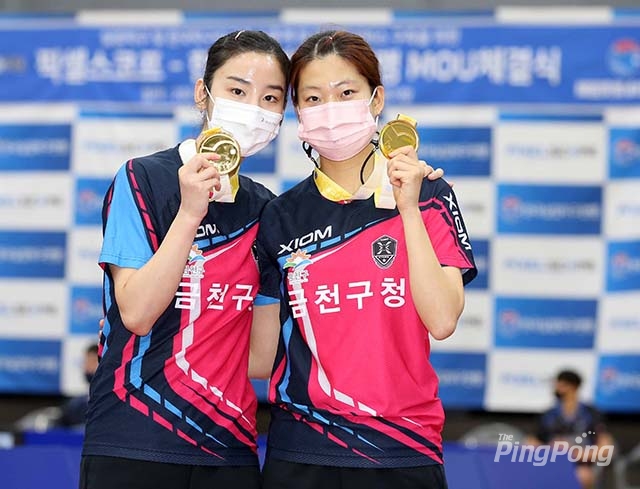 At the '2021 Autumn Chairman's Cup Corporate Table Tennis Tournament,' Song Ma-eum and Jeong Yu-mi of the Geumcheon-gu Office women's table tennis team are striking a victory pose after winning the women's doubles event.
Geumcheon-gu (Mayor Yoo Sung-hoon) announced that it won first place in the women’s doubles category at the ‘2021 Autumn Chairman’s Cup Corporate Table Tennis Tournament’ held from the 13th to 16th at the Multipurpose Stadium in Inje-gun, Gangwon-do.
The tournament, hosted by the Korea Corporate Table Tennis Federation and organized by the Korea Table Tennis Association, featured 16 corporate teams nationwide competing in men’s and women’s team events, men’s and women’s singles, and men’s and women’s doubles.
The Geumcheon-gu Office women’s table tennis team won the women’s doubles championship and was runner-up in the team event. Players Song Ma-eum and Jung Yu-mi, who won the doubles, also placed joint third in the singles.
Mayor Yoo Sung-hoon of Geumcheon-gu said, “The excellent results of the Geumcheon-gu Office women’s table tennis team at national competitions are thanks to a virtuous cycle system from youth to corporate players, well-established table tennis infrastructure, especially the sweat and effort of coaches and players, and the interest and support of residents,” adding, “Despite COVID-19, we will actively support systematic training to achieve good results in various competitions.”
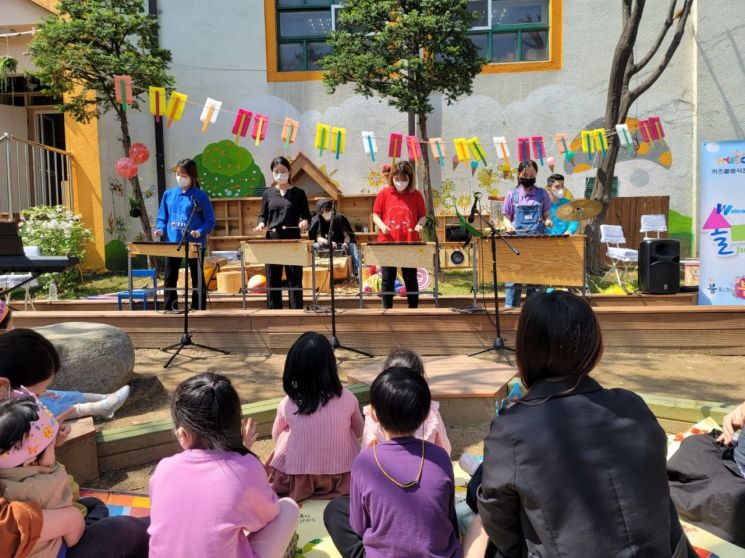
Dongjak-gu Operates Five Eco-Friendly Childcare Centers
Dongjak-gu (Mayor Lee Chang-woo) operates ‘eco-friendly childcare centers’ to create an environment where children can harmonize with nature, feel seasonal changes, and play proactively.
‘Eco-friendly childcare centers’ depart from indoor-centered childcare curricula using learning tools and instead focus on nature, children, and play, allowing children to run freely in forests and engage in nature-friendly activities such as growing plants.
Following Dongjak-gu’s selection in the Seoul ‘2021 Eco-Friendly Childcare Center’ contest in May, the district designated five centers as eco-friendly childcare centers: Dongjak Big Star Childcare Center, Dongjak Sangdo Childcare Center, Dongjak Chamsarang Childcare Center, Samsung Forest Childcare Center, and Nodeul Childcare Center.
These centers receive facility improvement funds to create vegetable gardens, improve indoor and outdoor facilities, and build forest playgrounds.
Eco-programs led by infants and toddlers include the Children Farmer Class, Natural Food Class, and Natural Material Play Class.
Vegetable gardens within childcare centers allow children to grow and observe crops, experiencing learning through the changing process.
Additionally, the district utilizes ‘Dongjak Chung-hyo-gil,’ a local nature experience learning site, to help children learn about living plants such as flowers and trees and engage in ecological play like barefoot walking. Forest experience programs such as climbing slopes and rope play are conducted in connection with Seodal Mountain and Sangdo Park.
Furthermore, the district operates a ‘Stepping Stone Community’ research group for childcare teachers to share eco-program cases and spread eco-friendly childcare to all centers.
Kim Kyung-ok, Head of Childcare Division, said, “We will do our best to create a childcare environment where children can happily and healthily grow by experiencing seasonal changes in nature, playing freely, and developing creativity and sociability.”
Yeongdeungpo-gu Recruiting ‘Dangsan Living Area Resident Participation Group’
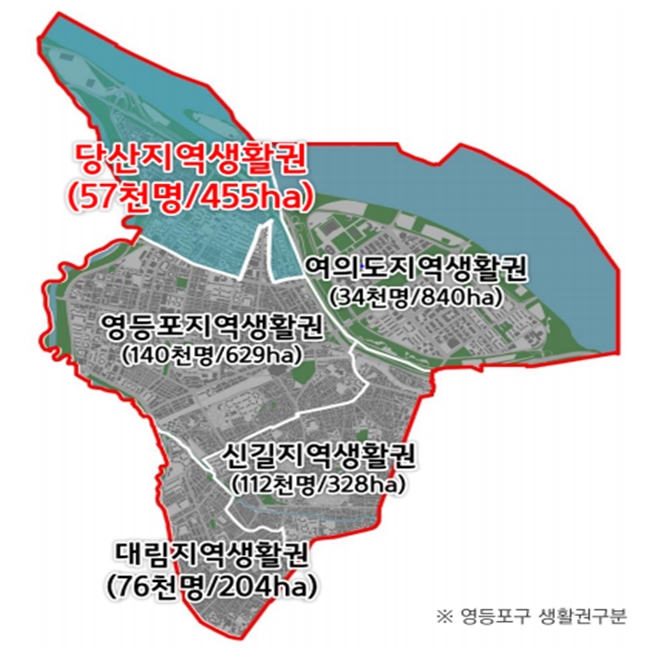
Yeongdeungpo-gu (Mayor Chae Hyun-il) is recruiting the ‘Dangsan Living Area Resident Participation Group’ by the 28th to discover strategic projects in the Dangsan living area (Yangpyeong 2-dong, Dangsan 2-dong) and reflect residents’ firsthand local issues in planning.
‘Living area plan’ is an intermediate-level plan established to smoothly convey and realize the city master plan, which presents the overall development direction of the city, into detailed urban management plans at the individual parcel level.
Since March 2018, the district has been accelerating the implementation of the ‘2030 Seoul Living Area Plan,’ starting with the establishment of the Daerim Living Area Execution Plan in 2019 and then the Sin-gil Living Area Execution Plan in 2020, progressing the Yeongdeungpo local living area execution plan rapidly.
The Dangsan living area, the target for this year’s plan, covers a total area of 4.55 km² including Yangpyeong 2-dong and Dangsan 2-dong. It boasts rich ecological resources with nearby Han River, Anyangcheon Stream, and Seonyudo Park, and excellent transportation accessibility with subway lines 2 and 9 and the Western Arterial Road passing through.
The district plans to form a ‘resident participation group’ to present vivid opinions on local issues and explore development directions together during the Dangsan living area execution plan process, aiming to create a practical local-based living area plan.
Accordingly, 30 residents from Yangpyeong 2-dong and Dangsan 2-dong will be recruited by the 28th to participate as the resident participation group.
Anyone interested in urban planning living in, working in, or studying at universities in the Dangsan living area can apply. Final selection will consider gender, age, and length of residence.
Applicants can download the application form from the Yeongdeungpo-gu website’s news section and submit it by mail to the Urban Planning Division of the district office or by email (ykcykc12@ydp.go.kr) or fax.
Selected members will participate in the ‘Dangsan Living Area Execution Plan’ process, presenting inconveniences and improvement opinions felt in daily life, setting development directions and visions reflecting local characteristics, and discovering improvement tasks.
The district expects that the resident participation group’s activities will boost local residents’ pride and enhance the plan’s execution and promotion power by enabling residents to envision the future of local development directly.
Mayor Chae Hyun-il of Yeongdeungpo-gu said, “We aim to move away from top-down urban planning led by authorities and share thoughts with residents who know local issues best, drawing a blueprint for regional development together,” adding, “We will do our best to strengthen regional competitiveness and achieve sustainable urban development through the Dangsan Living Area Execution Plan.”
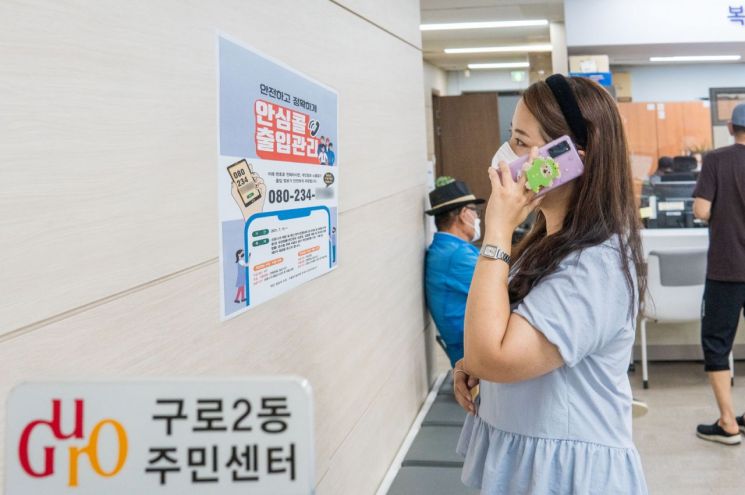
Guro-gu Introduces Safe Entry Call Service to Replace Entry Log at Community Centers
Guro-gu (Mayor Lee Sung) has introduced a free phone call service called Safe Entry Call (080) to replace entry log writing at community centers.
On the 21st, Guro-gu announced, “The Safe Entry Call (080) service was prepared to help residents using community centers and to manage entry logs efficiently.”
Safe Entry Call (080) is a service where visitors use their mobile phones to call a designated number at the community center upon entry, automatically recording their entry.
Visitors call the designated number following instructions on notices or from entry log staff at the entrance, and the system automatically registers the entry with a message saying, “Your visit registration is complete.”
Users can enter simultaneously without waiting, and anyone can use the service free of charge. The encrypted collected information is used only for epidemiological investigations in case of COVID-19 confirmed cases, and stored phone numbers are automatically deleted after 4 weeks.
The existing QR code authentication method had difficulties for information-vulnerable groups such as elderly unfamiliar with smartphones, and handwritten logs had issues like personal information leakage and inaccurate entries.
However, to avoid resident confusion, the QR code authentication method will be operated in parallel.
A Guro-gu official said, “We expect the Safe Entry Call (080) service to help residents’ convenience and contribute to preventing COVID-19 spread through accurate information collection.”
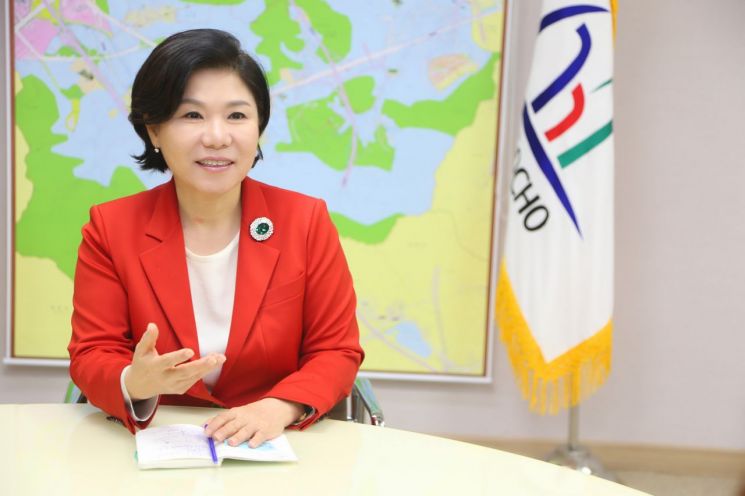
Seocho-gu Conducts Indoor Pollution Inspections at 22 Multi-Use Facilities
Seocho-gu (Mayor Cho Eun-hee) is conducting indoor pollution inspections and guidance at 22 multi-use facilities closely related to residents’ lives until August to manage pleasant indoor air quality.
The target facilities are 33 locations including Seoul Express Bus Terminal waiting rooms, postpartum care centers, daycare centers, and academies where user complaints are frequent and the inspection cycle for each facility group has arrived.
The district, in cooperation with the Seoul Institute of Health and Environment, measures pollution such as fine dust, carbon dioxide, and formaldehyde for each facility group’s mandatory measurement items, and checks compliance with self-measurement and legal education completion. If standards are not met, improvement orders and fines will be issued.
Last year, the district conducted surprise inspections at 30 multi-use facilities and issued an improvement order and a fine of 250,000 KRW to one academy exceeding maintenance standards.
Additionally, to respond to environmental issues in the Post-COVID-19 era, the district has been promoting the ‘Green Seocho Project,’ an indoor air quality management support system providing air quality data information, since May last year?the first nationwide.
The ‘Green Seocho Project’ monitors indoor air quality every minute using IoT at 359 public facilities frequently used by residents such as infant care facilities and welfare centers for the elderly and disabled. It also inspects ventilation facilities, installs ventilation purifiers, conducts COVID-19 prevention disinfection, and provides expert consulting for more systematic indoor environment management.
Mayor Cho Eun-hee of Seocho-gu said, “With the spread of COVID-19, the importance of indoor air quality management is highlighted along with quarantine,” and “We will continue to thoroughly manage air quality at multi-use facilities so residents can use them with confidence.”
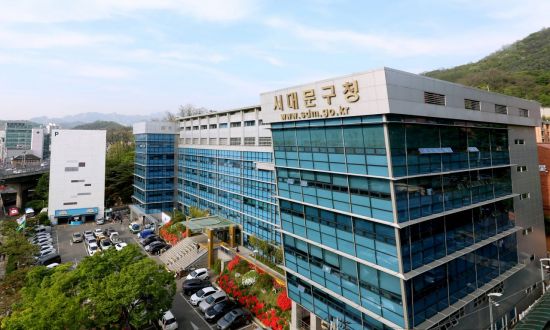
Seodaemun-gu Recruiting 2nd Batch (60 People) of Safe Job Participants for Second Half of the Year
Seodaemun-gu (Mayor Moon Seok-jin) is recruiting the second batch of participants for the Safe Job (public work) program in the second half of this year to encourage economic activity and work motivation among vulnerable groups, following the first recruitment in May.
The number of recruits is 60, and applicants must be residents aged 18 to under 65 who are unemployed or daily workers without regular income, with family combined assets of 300 million KRW or less.
The application period is until 6 p.m. on the 29th of this month. Applicants must visit the Job Plus Center on the first floor of Seodaemun-gu Office to fill out and submit documents.
Required documents include the Safe Job program application form, job registration certificate, and consent form for personal information provision. If actual assets are below 300 million KRW after deducting loans or debts, applicants can submit related certificates for adjustment.
The district selects participants based on weighted total scores considering household head status, number of dependents, asset holdings, household income, duration of public job participation, and vulnerable employment status among qualified applicants.
Participants will work five days a week, five hours a day, from August 9 to December 17 at district office departments, community centers, health centers, and district council offices, supporting environmental maintenance, quarantine management, and public services.
Daily wages are 44,000 KRW, with an additional 5,000 KRW meal allowance and weekly and annual leave allowances. The announcement of selected participants is scheduled for August 6. For details, contact the Seodaemun-gu Job Economy Division.

Gangdong-gu Provides Up to 1 Million KRW per Artist
Gangdong-gu (Mayor Lee Jung-hoon) announced it will provide up to 1 million KRW per artist as living stabilization funds (2nd round of emergency disaster relief funds for artists) to artists struggling financially due to prolonged COVID-19.
This is the second additional announcement of the emergency disaster relief project for artists conducted in March, allowing artists who missed the previous application to apply.
Eligible applicants are artists registered in Gangdong-gu as of July 7, 2021, with a valid certificate of artistic activity issued by the Korea Artist Welfare Foundation, and household income at or below 120% of the median income. Household median income will be assessed based on health insurance payments in June 2021.
Notably, the project relaxed criteria to allow more artists to benefit, including easing health insurance premium payment requirements for single-person households and allowing basic livelihood security recipients to apply.
Artists wishing to apply can submit documents in person (4th floor, Culture and Arts Division, Gangdong-gu Office, 25 Seongnae-ro) or by email (gdmunhwa5240@gangdong.go.kr) from July 21 to August 3.
After verifying artist registration and income data, support funds will be provided by October. Mayor Lee Jung-hoon said, “We hope cultural and artistic creators struggling due to COVID-19 can continue their creative activities through the Seoul Artist Living Stabilization Fund,” and “We will do our best to help local artists maintain stable creative activities.”
Details are available on the Gangdong-gu website (Gangdong Introduction → District News → Gangdong News), and inquiries can be made to the Culture and Arts Division of Gangdong-gu Office.
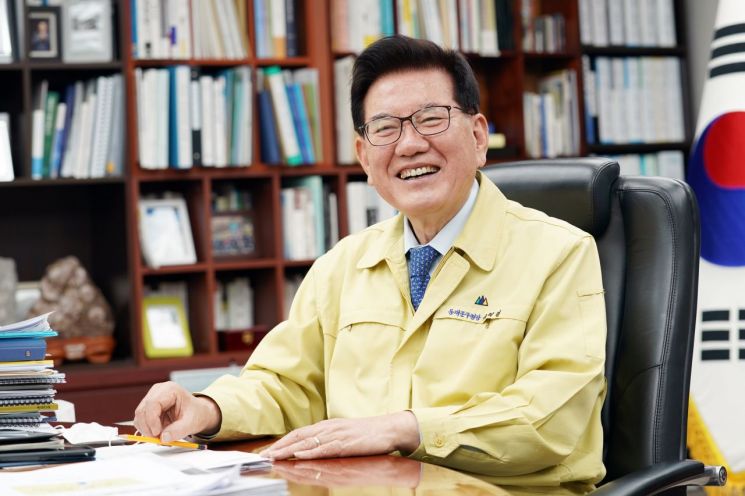
Dongdaemun-gu Simplifies Temporary Road Occupancy Permit Application from July
Dongdaemun-gu (Mayor Yoo Deok-yeol) is expanding non-face-to-face civil service operations amid prolonged COVID-19.
From July, the district will simplify the process for temporary road occupancy permit applications, which previously required at least two visits to the district office, to be completed in one visit.
When constructing or remodeling structures or other facilities, road occupancy permits must be applied for and space used from the road management authority as needed. Previously, applicants had to visit the district office at least twice for interviews, negotiations, and submitting applications, causing inconvenience.
The district changed the process to receive location maps and building plans by email for review and require only one visit for application submission.
Non-face-to-face temporary road occupancy applications can be made by downloading the form from the Dongdaemun-gu website, filling it out, attaching location maps and site photos or design plans, and emailing to hy0jub@ddm.go.kr.
Mayor Yoo Deok-yeol said, “This simplification will reduce multiple visits by applicants and minimize contact between construction workers and officials, helping prevent COVID-19 spread,” and “We will continue to seek various ways to improve civil service convenience and safety.”
Songpa-gu Calls for Teams to Participate in ‘Songpa Ssam Youth Film Festival’ until July 30
Songpa-gu (Mayor Park Sung-soo) is hosting the ‘Songpa Ssam Youth Film Festival’ contest where youths directly participate in planning, filming, and producing films.
As part of the annual Innovative Education District project, Songpa-gu supports youths in exploring dreams and careers through various autonomous activities.
Following the success of last year’s ‘Youth Music Club Activity Support,’ this year’s festival was planned. Due to COVID-19, instead of large festivals, youths can create and enjoy films expressing their unique artistic sensibilities.
The district invites films with fresh and creative ideas from youths.
First, teams will be selected through document screening to produce films. Then, after submission, final excellent works will be selected through a second screening.
Youths aged 13 to 18 residing in Songpa-gu or attending middle or high schools in the district can form teams of two or more to participate. There are no restrictions on theme or genre. Films must be created with youth participation in all processes from scriptwriting to filming and editing. Submissions must be between 3 and 5 minutes, with one entry per team.
To apply, refer to the announcement on the Songpa-gu website by July 30, fill out the application form, and submit by email (ooiooi1987@songpa.go.kr). Results of the first selection and film submission schedules will be announced after screening.
The district will award a total of 20 million KRW in prizes, including 2.5 million KRW for the grand prize (1 team), 3 excellence awards (3 teams), 5 merit awards (5 teams), and 8 encouragement awards (8 teams).
At the ‘Songpa Ssam Youth Film Festival’ held in October, excellent works will be screened and later posted on the Songpa Ssam Education Portal and YouTube channel for educational use.
Mayor Park Sung-soo said, “This festival will be an opportunity for youths to showcase talents and unlimited creativity,” and “We will continue to support youths in experiencing various activities and exploring careers through diverse Songpa Ssam programs.”
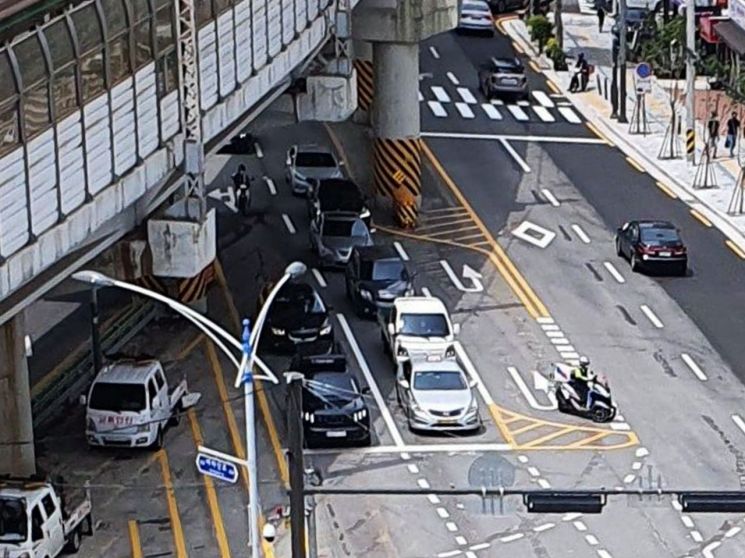
Gwangjin-gu Resolves Chronic Traffic Congestion in Front of SK View Apartments on Achasan-ro
Gwangjin-gu (Mayor Kim Sun-gap) completed improvement work on July 12 at the intersection in front of SK View Apartments on Achasan-ro, a chronic traffic congestion point.
This project was prepared to alleviate residents’ inconvenience during rush hours caused by bottlenecks in straight traffic due to waiting U-turn vehicles.
The district reduced the sidewalk width by 1.1 meters and partially reduced the traffic island in front of SK View Apartments to secure an additional straight lane and waiting space for U-turn vehicles heading east on Achasan-ro.
This improvement not only eased traffic flow eastbound on Achasan-ro during rush hours but is also expected to improve urban landscape and revitalize the local commercial district.
The district completed the improvement two months ahead of the scheduled September completion through prompt cooperation among related departments to quickly resolve residents’ inconvenience.
Mayor Kim Sun-gap of Gwangjin-gu said, “We will continue to actively work to promptly resolve residents’ inconvenience and improve unreasonable traffic systems through field-centered communication.”
‘Jung-gu Type After-School Program’ Pilot Operation
Jung-gu (Mayor Seo Yang-ho) is piloting the ‘Jung-gu Type After-School Program’ directly operated by the district.
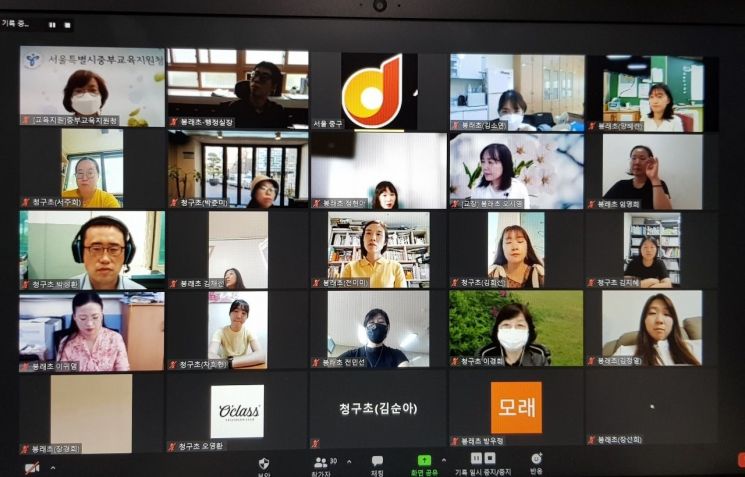
To this end, the district signed a business agreement on the 19th with the Seoul Metropolitan Office of Education Central Support Office and pilot schools Bongrae Elementary and Cheonggu Elementary regarding the operation of the ‘Jung-gu Type After-School Program.’
Starting with pilot operation at two schools, the district plans to expand the directly operated after-school program to all nine public elementary schools in Jung-gu next year.
The ‘Jung-gu Type After-School Program’ aims to realize seamless educational welfare by converting existing school-operated after-school programs to district direct operation.
Previously, most after-school programs were operated by private consignment, resulting in varying class quality and limited reflection of parents’ opinions.
The district plans to directly operate the program to greatly enhance class quality, communicate more closely with parents, and provide diverse, high-quality programs offering students various experiences and learning opportunities.
To this end, a parent promotion group has been formed to coordinate opinions, identify problems and service demands through expert consulting, and prepare extensively.
Education and material costs, which were burdensome for parents, will be provided free of charge with district budget. Based on parent demand surveys, various programs such as musical English, creative math, and essay Korean are being considered for upper grades with high demand for curriculum classes.
In March 2019, the district started the nation’s first district-office-school cooperation model ‘Jung-gu Type Elementary Care,’ and as of June this year, all public elementary schools in the district have district-operated in-school care systems.
About 1,000 children, mainly lower grades, use the Jung-gu Type Care Class, and from this year, other elementary students will also enjoy responsible and differentiated educational services at the district-operated ‘Jung-gu Type After-School Program.’
Mayor Seo Yang-ho said, “We will do our best to care for and educate children entrusted to Jung-gu with trust. We ask for continued cooperation and participation so that all children can receive universally high-quality education.”
The agreement ceremony was attended by Mayor Seo Yang-ho, Central Education Support Office Director Kwon Hyuk-mi, Bongrae Elementary Principal Oh Si-young, Cheonggu Elementary Principal Yoon Ok-sun, and the after-school program parent promotion group. Due to COVID-19, it was held online via video conference.
Yongsan-gu Seobinggo-dong Housing Pest Control Project Receives Positive Response
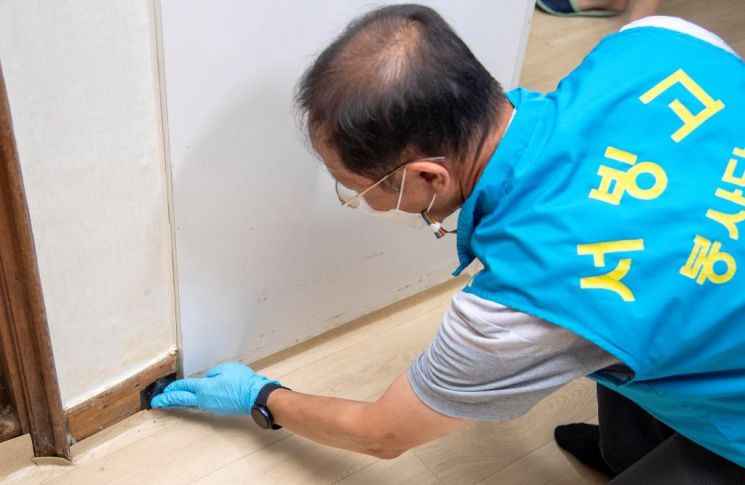
Seobinggo-dong Community Center (Director Kim Seung-gyu) in Yongsan-gu is receiving positive responses for operating the housing pest control project ‘Dispatch! SeobingGo Pest Control Volunteer Group.’
This is part of the ‘Visiting Our Neighborhood Round’ project to strengthen public-private cooperation. The target is 130 low-income households vulnerable in residential areas.
Among them, 20 households in severe condition were selected, and pest control volunteer work was conducted on the 19th and 20th by a professional pest control company (Olbareun Environment), Seobinggo-dong staff, and Saemaul Leaders Association. Pest control supplies such as cockroach extermination agents were also delivered.
The remaining 110 households will receive only pest control supplies by the 23rd. For mobility-impaired households, officials will visit and deliver supplies directly.
On the 19th, Ahn Hyung-joon, CEO of Olbareun Environment, who participated in the pest control, said, “I joined the volunteer work after hearing that residents are struggling in poor environments due to delays in the Hannam redevelopment project,” and “I will continue to contribute to realizing corporate social value.”
Besides pest control, the community center continues the ‘Visiting Our Neighborhood Round’ project until November, including large-scale cleaning of habitual illegal dumping areas (19 locations) and discovering secluded vulnerable groups using resident networks.
Kim Seung-gyu, director of Seobinggo-dong, said, “After completing the remodeling completion ceremony of the community center in June, we planned new projects to work with residents,” and “We will strengthen communication within the community while strictly following quarantine rules amid COVID-19 disruptions.”
Seobinggo-dong is a village where an ice warehouse (Seobinggo) existed during the Joseon Dynasty. It covers 2.82 km² with about 14,000 residents. Part of the village is designated as the Hannam Redevelopment Promotion Zone, awaiting redevelopment.
Seobinggo-dong Community Center (279 Seobinggo-ro) has two basement floors and six above-ground floors with a total floor area of 3,293 m². Recently remodeled, it added Yongsan-gu’s first open childcare room, neighborhood care center, cultural lecture room, Bingo Maru, and coin karaoke.
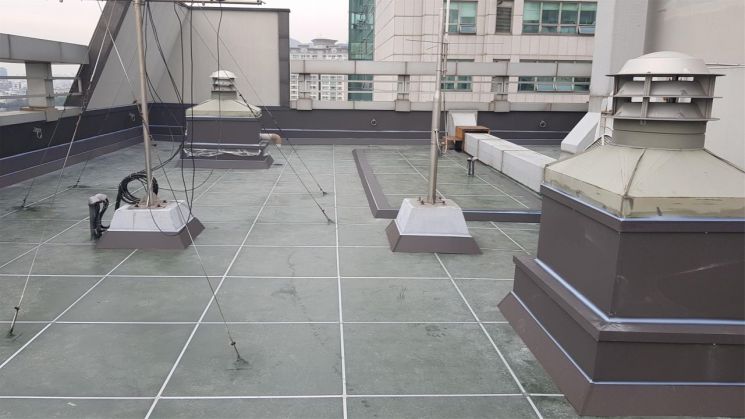
Gwangjin-gu Invests 500 Million KRW in Apartment Complex Environment Improvement
Gwangjin-gu (Mayor Kim Sun-gap) will invest 500 million KRW, an increase of 100 million KRW from last year, to promote the ‘Apartment Complex Support Project.’
The project supports costs needed for maintenance of aging common facilities, aiming to create a pleasant and safe residential environment and promote resident harmony and community activation.
The support targets 131 apartment complexes with 20 or more households whose usage inspection date is over 5 years ago.
The support projects include ‘Community Activation Projects’ and ‘Common Facility Maintenance Projects.’
‘Community Activation Projects’ include shared facility repair and CCTV installation and maintenance, conflict resolution among apartment complexes, development and operation of community activation programs, and maintenance of multi-purpose facilities such as book cafes and lecture rooms for residents.
‘Common Facility Maintenance Projects’ include installation and improvement of indoor sports facilities open to nearby residents, installation and improvement of facilities for disabled convenience and energy saving, repair and reinforcement of disaster safety facilities, expansion and repair of parking lots, and improvement of garbage collection and eco-friendly facilities.
The district supports up to 50-80% of total project costs per complex, with a maximum of 25 million KRW.
Priority support is given to complexes conducting ‘Community Activation Projects’ for coexistence and cooperation, and ‘Common Facility Maintenance Projects’ will be supported differentially based on complex size, aging, and number of times supported.
Apartment complex management entities wishing to apply must obtain approval from the residents’ representative meeting and submit applications and related documents by visiting or mailing to the Housing Division of Gwangjin-gu Office by the 30th.
For details on support projects and rates, contact the Gwangjin-gu Housing Division or visit the district website.
Mayor Kim Sun-gap of Gwangjin-gu said, “Through this project, we expect to create opportunities for neighborly communication and activate programs to resolve conflicts among residents, which have somewhat cooled due to COVID-19,” and “We will continue efforts to create a pleasant and safe residential environment.”
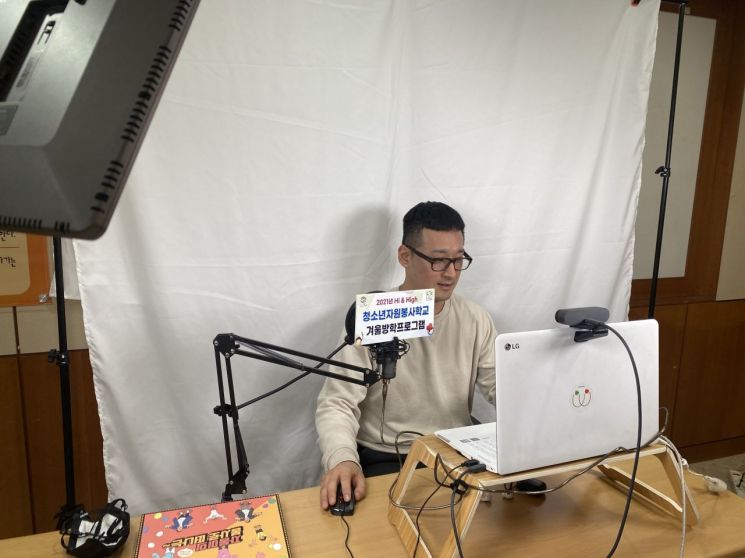
Gangseo-gu Operates Non-Face-to-Face ‘Hi & High Youth Volunteer School’
Seoul Gangseo-gu (Mayor Roh Hyun-song) operates the non-face-to-face ‘Hi & High Youth Volunteer School’ during summer vacation.
The program aims to help youths safely enjoy volunteer activities non-face-to-face and foster interest in social issues and participation in volunteering.
This volunteer school is enriched with new programs complementing last winter’s first non-face-to-face program.
The number of participants has also increased to 360 to allow more students to join.
The volunteer school will be held online via Zoom for six days from August 2.
Main programs include making Braille word cards for visually impaired children, creating memory boxes for dementia patients, disinfecting children’s parks to overcome COVID-19, mini campaigns against school violence, and education on daily practices to protect the Earth. Necessary kits for activities will be provided by the district.
The district will provide opportunities to think about and solve various local social issues such as safety, environment, and welfare through education and experiential activities.
Elementary, middle, and high school students in the district can apply on the 1365 Volunteer Portal website by July 26. Multiple applications per program are allowed and registration is on a first-come, first-served basis.
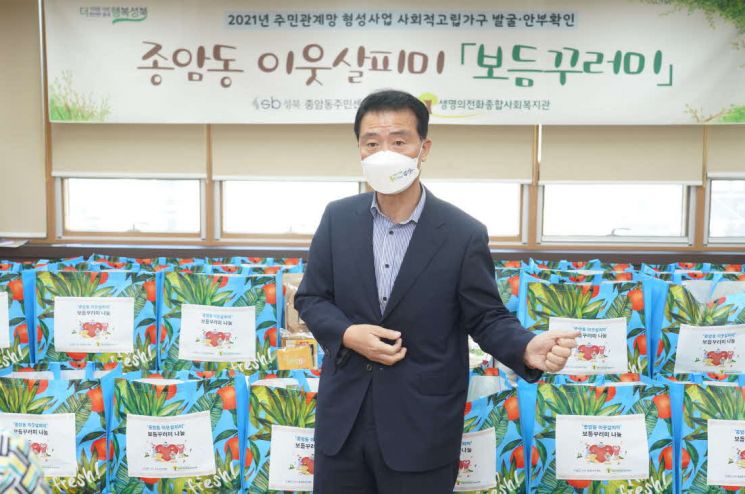
Seongbuk-gu Jongam-dong Neighbors Check on Socially Isolated Households at Risk
On the 16th, Jongam-dong in Seongbuk-gu (Mayor Lee Seung-ro) held a ‘Bodeum Package’ event to check on socially isolated households. Organized through cooperation between Jongam-dong Neighbors, Lifeline Comprehensive Social Welfare Center, and Jongam-dong Community Center, the event included an online campaign to discover socially isolated households and welfare blind spots, promoted via SNS.
With the recent surge in COVID-19 and the elevation to social distancing level 4 in the metropolitan area, anxiety has increased across society, and the number of socially isolated households at risk has risen.
In this situation, it is urgent to establish a dense social safety net by visiting households at risk of solitary death and discovering those in welfare blind spots.
Accordingly, Jongam-dong Neighbors and Lifeline Comprehensive Social Welfare Center identified 30 people in the area as targets for welfare checks. Sixteen members of Jongam-dong Neighbors purchased about 20 types of health and hygiene products and foodstuffs, packed them into Bodeum packages, and visited 3-4 households each in pairs to deliver packages non-face-to-face at the door and check health status.
Chairperson Choi Pil-geum of Jongam-dong Neighbors said, “We will continue to discover and support vulnerable and isolated neighbors in our neighborhood.” Director Kim Yeon-eun of Lifeline Comprehensive Social Welfare Center said, “Our welfare center will also lead efforts to care for vulnerable neighbors through public-private cooperative care networking.”
Mayor Lee Seung-ro said, “I appreciate activities like today’s that discover and care for welfare blind spots and expand social safety nets during a time when COVID-19 prolongation and heatwaves make economic and outdoor activities difficult,” and “Such care activities, along with increased vaccination rates, are expected to become a ‘social vaccine’ for living together, helping us overcome difficult times with neighbors.”
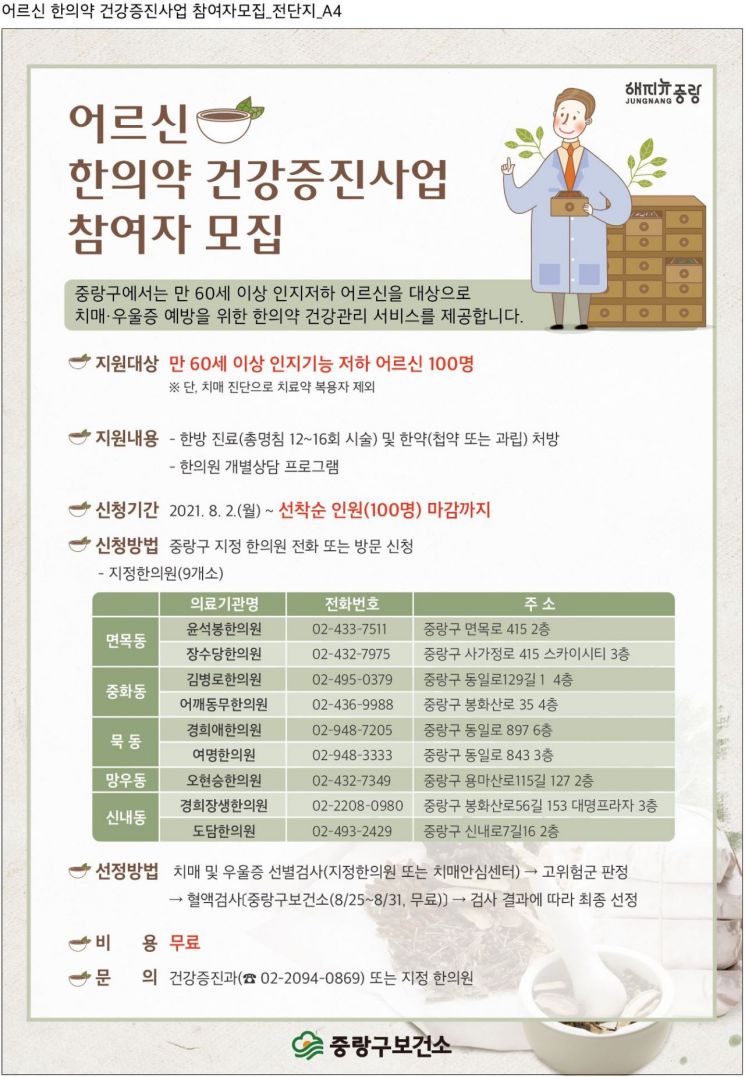
Jungnang-gu (Mayor Ryu Gyeong-gi) provides Korean medicine health management services to prevent dementia and depression and improve cognitive function among local elderly.
Eligible recipients are residents aged 60 or older with cognitive decline, excluding those currently diagnosed with dementia and taking medication. The program offers 12-16 sessions of Chomyeong acupuncture, herbal medicine prescriptions (granules or decoctions), and individual consultations at designated Korean medicine clinics free of charge.
Starting August 2, 100 people will be recruited on a first-come, first-served basis. Interested elderly can apply by phone or visit one of nine designated clinics: Yoon Seok-bong Korean Medicine Clinic and Jangsu-dang Korean Medicine Clinic (Myeonmok-dong), Kim Byung-ro Korean Medicine Clinic and Shoulder Companion Korean Medicine Clinic (Junghwa-dong), Kyunghee Ae Korean Medicine Clinic and Yeomyeong Korean Medicine Clinic (Muk-dong), Oh Hyun-seung Korean Medicine Clinic (Mangu-dong), Kyunghee Jangsaeng Korean Medicine Clinic and Dodam Korean Medicine Clinic (Sinnae-dong).
Applicants will first undergo dementia and depression screening tests. Those classified as high-risk will have blood tests to determine suitability for herbal medicine. Selected elderly will receive Korean medicine treatment and herbal prescriptions until the end of the year.
Mayor Ryu Gyeong-gi of Jungnang-gu said, “This support project will help early detection of dementia and depression and promote health among elderly,” and “We will continue to prepare various projects so elderly can enjoy happy and healthy old age.”
The Jungnang-gu Dementia Safety Center uses AI robot ‘Alpha Mini’ for cognitive enhancement programs and virtual reality exercise programs to improve elderly cognitive function.
© The Asia Business Daily(www.asiae.co.kr). All rights reserved.
![Clutching a Stolen Dior Bag, Saying "I Hate Being Poor but Real"... The Grotesque Con of a "Human Knockoff" [Slate]](https://cwcontent.asiae.co.kr/asiaresize/183/2026021902243444107_1771435474.jpg)


















