[Seoul District News] Eunpyeong-gu Installs Cooling Fog at Screening Clinics for Heatwave Preparedness... Mapo-gu Sets Up Vaccine Certification Photo Zones... Gwangjin-gu Launches Online Traditional Market Shopping Service... Geumcheon-gu Dreaming Small Library Hosts Writing, Reading Discussions, Author Meetings, and Book Concerts with Author Son Hyun-joo of "Ssakaji Saengson-gi"... Seongdong-gu Offers 'Visiting Service' for Children's Favorite Toys... Yangcheon-style Care SOS Center Expands from Emergency Care to Community Care
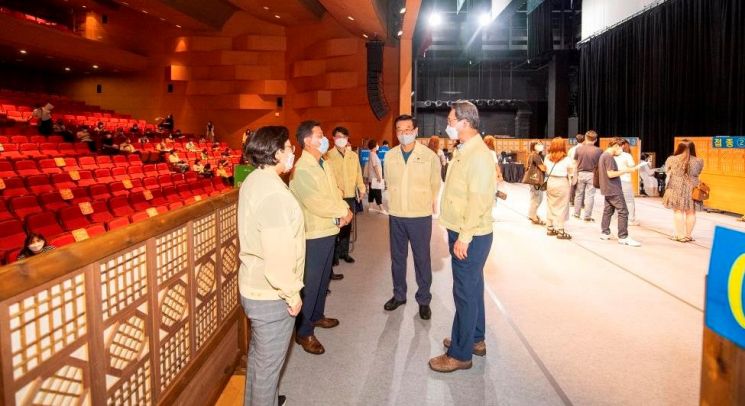 Seong Jang-hyun, Mayor of Yongsan District (second from the right), visited the screening clinic on the 16th with Kim Hee-gyeom, Vice Minister of the Ministry of the Interior and Safety.
Yongsan-gu Focuses Administrative Efforts on Responding to COVID-19 and Heatwaves
[Asia Economy Reporter Park Jong-il] Yongsan-gu (Mayor Seongjanghyun) is taking a more proactive approach to support residents facing the dual challenges of COVID-19 and heatwaves.
On the 1st, the district extended the operating hours of the public health center’s screening clinics to 9 a.m. to 9 p.m. on weekdays and 9 a.m. to 6 p.m. on weekends and holidays. Starting from the 21st, the temporary screening clinic at Yongsan Station will also operate from 9 a.m. to 9 p.m. on weekdays and 9 a.m. to 6 p.m. on Saturdays. However, the clinic will be closed during disinfection times (one hour each at lunch and dinner).
Additional air conditioners and shade tents have been installed, and ice vests, cooling cushions, and ice water are provided to prevent exhaustion among visitors and medical staff at the screening clinics.
The epidemiological investigation workforce has increased from 67 to 80 personnel. Five new temporary workers were recruited earlier this month, and additional support was received from Seoul City, the military, and the police.
Since the 13th, the district has also been operating an additional vaccination center. In addition to the existing Art Hall exhibition room, the Art Hall Grand Theater (1,050㎡) now houses four pre-examination and four vaccination rooms, along with a waiting area with 100 seats, accelerating the vaccination process.
A district official stated, “In the third quarter, Pfizer vaccines will be administered to voluntary vaccination targets, essential social workers under 30, high school seniors and staff, and childcare and kindergarten workers. From the 26th, Moderna vaccinations for those aged 50 and above will also be conducted concurrently.”
The residential treatment center will add 71 beds starting at the end of this month. Although the district had jointly operated a residential treatment center with Jung-gu (259 beds), the increase in admissions has led to the establishment of a new center within the district. The staff deployed will number 23 (14 medical, 9 administrative).
Alongside COVID-19 response, the district is concentrating administrative efforts on heatwave response. Since May, a heatwave countermeasure headquarters led by the deputy mayor has been in operation, and the number of disaster helpers checking on vulnerable groups has been significantly increased from 586 to 809.
A total of 131 cooling shelters (113 indoor, 18 outdoor) have been designated. Their operation is adjusted according to social distancing levels, currently running 44 locations (26 indoor, 18 outdoor). The tropical night safety shelter (12 rooms at New World Hotel) is available from 3 p.m. to 1 p.m. the next day on weekdays and from 5 p.m. to 1 p.m. the next day on weekends.
Additionally, the vulnerable group home health management service conducted by visiting nurses in 16 neighborhoods has shifted from universal visits to focused management of vulnerable groups. Emergency relief teams for the homeless (4 teams, 9 members) are also in operation. The health drink (well-being check) service for solitary elderly, in cooperation with Korea Yakult (45 delivery workers), will continue.
Yongsan-gu Mayor Seongjanghyun said, “We have strengthened street cleaning to prevent the heat island effect and will mobilize all available resources to simultaneously prevent damage from COVID-19 and heatwaves.”
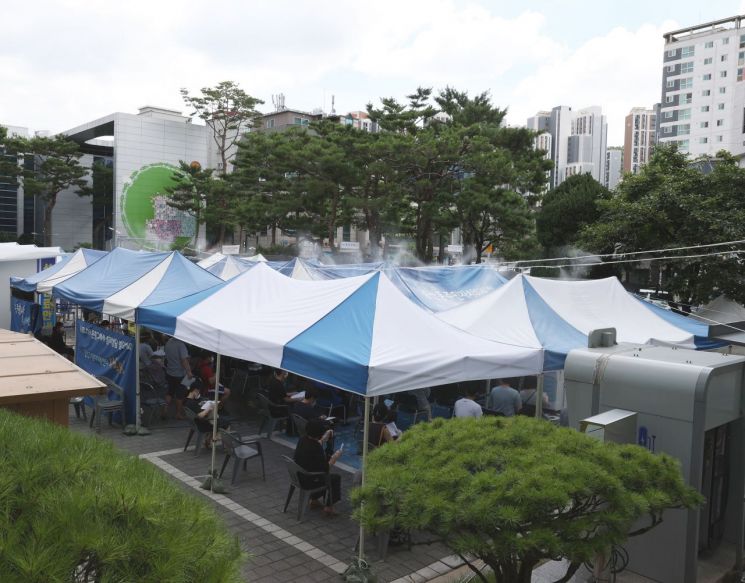
Eunpyeong-gu Installs Cooling Fog at Screening Clinics to Combat Heatwaves
Eunpyeong-gu (Mayor Kim Mikyung) installed cooling fog systems at the public health center’s screening clinics on the 15th to help citizens and medical staff endure the heat during testing.
This measure responds to the ongoing heatwave, with Seoul’s daytime temperatures recently exceeding 35°C, raising concerns about heat-related damage.
The cooling fog installed at the screening clinics disperses water in fine particles, effectively lowering the surrounding temperature by 3 to 5°C. It is expected to help medical staff and citizens cool down during testing.
In addition, the district is making various efforts to minimize heatwave damage, including installing parasols for outdoor waiting lines, providing sunshade hats, and cleaning the screening clinics regularly.
Eunpyeong-gu Mayor Kim Mikyung said, “We will mobilize all administrative resources to prevent the local spread of COVID-19 for citizens who come to the testing sites with concerns in the heat and for medical staff on the front lines. Although conditions are difficult due to COVID-19, let’s endure a little longer and overcome this together.”
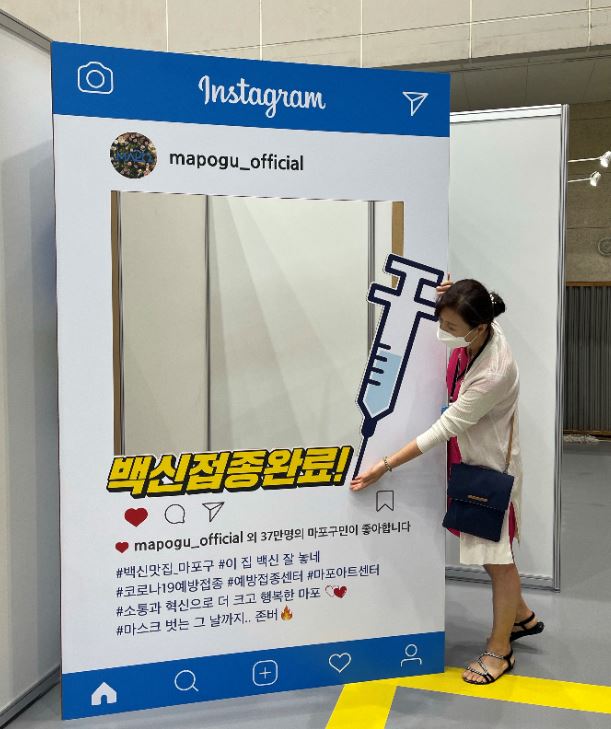
Mapo-gu Offers Coffee Coupons for Vaccination Photos... Vaccination Certification Photo Zones Installed
Mapo-gu (Mayor Yoo Donggyun) has installed vaccination certification photo zones at two local COVID-19 vaccination centers (Mapo Community Sports Center and Mapo Art Center) and is running an event giving coffee coupons to residents who post their vaccination photos on personal social media.
This initiative aims to energize residents struggling with the prolonged heatwave and encourage vaccination amid the social distancing level 4.
The event, the first of its kind in Seoul, is open to anyone vaccinated at Mapo-gu vaccination centers. It started on July 19 and will continue until supplies run out, with coffee coupons available for the first 150 participants on a first-come, first-served basis.
To participate, after vaccination at the center, individuals take a photo at the photo zone, post it on their SNS (Facebook, Instagram) with the required hashtags (#MapoGu #VaccineHotspotMapoGu), and comment “Participation Complete” on the official Mapo-gu Facebook or Instagram event post.
Mapo-gu Mayor Yoo Donggyun said, “We are exploring various ways to achieve herd immunity beyond this event. Vaccination is the best shortcut back to normal life, so we encourage many to participate in vaccination and the certification event.”
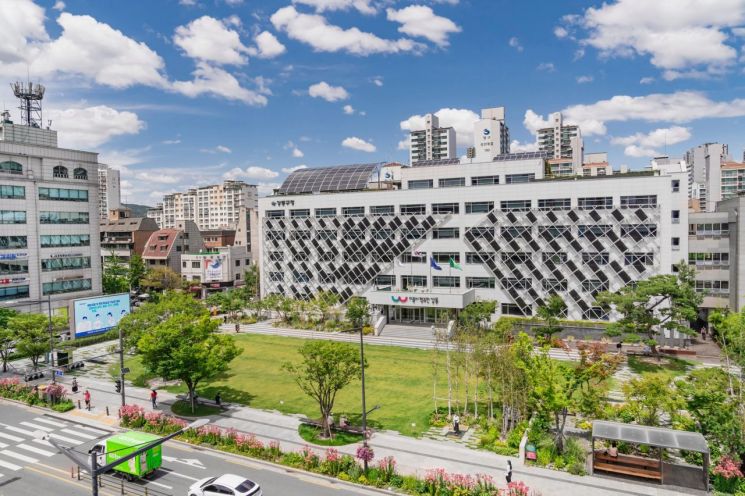
Gangdong-gu Conducts Preemptive COVID-19 Testing for Restaurant and Cafe Operators and Staff
Gangdong-gu (Mayor Lee Jeonghun) has been conducting preemptive COVID-19 testing for restaurant and cafe operators and staff since July 8 due to a surge in confirmed cases.
The testing targets operators (managers) and staff (including part-time workers) of restaurants and cafes (general, snack bars, bakeries) located in Gangdong-gu, including those who have received their second vaccine dose or were tested before July 8.
The preemptive testing will be conducted over 45 days from July 8 to August 21.
Eligible individuals can get tested at Gangdong-gu public health center screening clinics, the temporary screening site at Amsa Station History Park parking lot, and the parking lot next to Onjo Daewang Culture and Sports Center. When tested, operators and staff must write their business name in the occupation field of the questionnaire.
Since this preemptive testing is an administrative order, failure to comply within the deadline may result in a fine of up to 2 million KRW under Article 81, Clause 10 of the Infectious Disease Prevention and Control Act.
Gangdong-gu Mayor Lee Jeonghun said, “Although business operations may be difficult, we urge those subject to preemptive testing to actively participate and get tested promptly.”
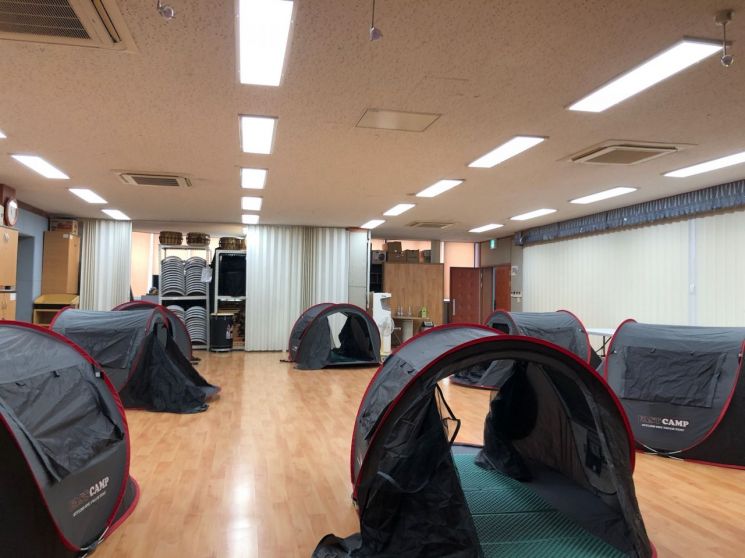
Dongjak-gu Operates ‘Heatwave Shelters’
Dongjak-gu (Mayor Lee Changwoo) is operating safe ‘heatwave shelters’ for elderly residents who have difficulty finding places to escape the ongoing heatwave and prolonged COVID-19 pandemic.
Initially, since June 21, the district operated heatwave shelters at 15 community centers, 140 senior centers, 8 welfare centers, and 2 safety lodgings. However, due to the recent elevation to social distancing level 4, senior centers and welfare centers have closed, so from the 14th, the operation was adjusted to 15 community centers, 15 outdoor neighborhood shelters, and 3 heatwave safety lodgings.
The heatwave shelters set up in community center auditoriums follow social distancing rules, with one tent per person and at least 2 meters spacing.
Measures include appointing quarantine managers, maintaining visitor logs, providing hand sanitizers, and regular ventilation to prioritize user safety.
The shelters operate from 9 a.m. to 6 p.m. on weekdays and weekends, with extended hours until 9 p.m. on weekdays during heatwave warnings.
Heatwave safety lodgings are available for low-income elderly aged 60 and above living in poor housing conditions. Those wishing to use these lodgings can apply through their local community center.
Additionally, until the end of August, the district is providing air conditioners and cooling costs to about 100 elderly residents with mobility difficulties who cannot use the shelters. Outdoor neighborhood shelters near community centers are equipped with refrigerators and ice boxes, offering ice water to residents.
Lee Sunhee, Director of the Elderly and Disabled Division, said, “Through operating these heatwave shelters, we will do our best to help elderly residents, who face activity restrictions due to heatwaves and COVID-19, prevent heat-related illnesses and safely get through the summer.”
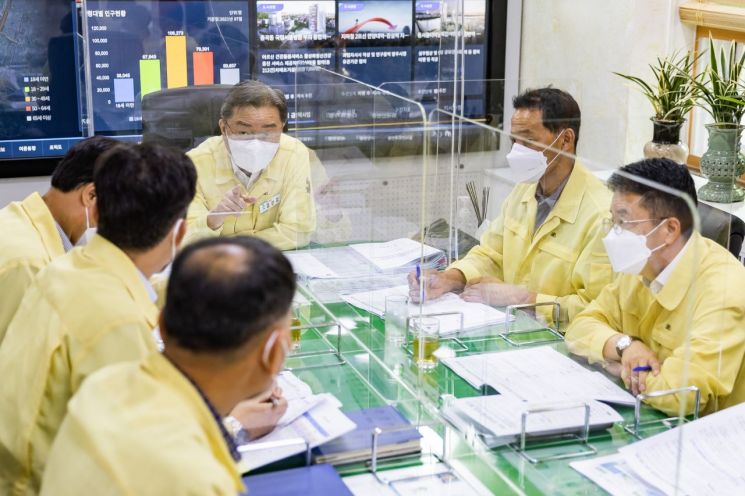
Gwangjin-gu Holds New Project Reporting Meeting
Gwangjin-gu (Mayor Kim Seongap) has kicked off the discovery of new projects for 2022 by holding a ‘New Project Reporting Meeting’ over four days from July 20 to 23.
This year’s project discovery started about two months earlier than usual to actively find citizen-centered, tangible projects and carefully review their feasibility.
The 2022 new projects will focus on citizen safety, green initiatives, digital transformation, and New Deal sectors, expanding to all areas that citizens can feel the impact.
Projects identified and reviewed during this meeting will be incorporated into the 2022 major work plans in August and will continue to be refined through ongoing reporting meetings to develop citizen-centered projects.
Among the 158 new projects discovered in 2021, 50 citizen-centered projects such as free transportation for children and youth on village buses, universal life safety insurance, universal bicycle group insurance, and the Gwangjin Mom Taxi for pregnant women are being implemented.
Gwangjin-gu Mayor Kim Seongap said, “Citizens are always the owners of district administration. We will continue to discover new projects that citizens can feel and focus on operating district administration for the people.”
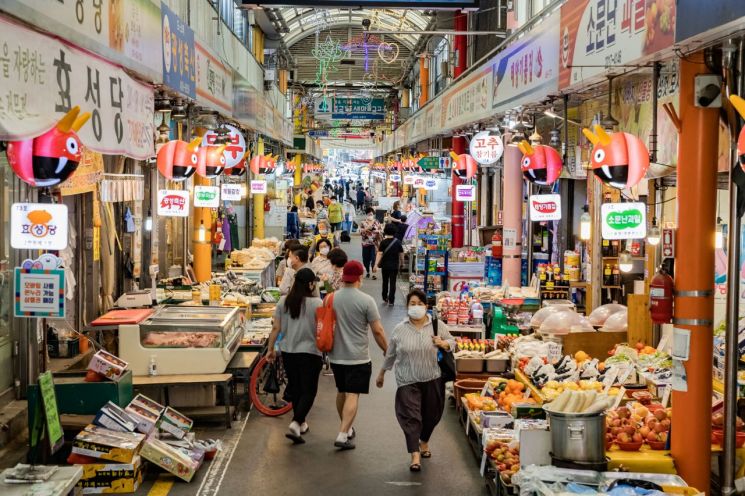
Gwangjin-gu Launches Online Traditional Market Shopping Service
Gwangjin-gu (Mayor Kim Seongap) is launching and expanding an online shopping service for traditional markets struggling with reduced visitors due to COVID-19.
This online shopping service was made possible through collaboration with six local traditional market merchant associations and selection for Seoul City’s ‘Online Order and Delivery Participation Project’ and the Ministry of SMEs and Startups’ ‘Traditional Market Online Advancement Support Project,’ which provided platform entry and system construction support.
As of July 14, five markets offer online ordering: Yeongdonggyo Market, Neungdong-ro Market, Junggok Jeil Market, Jayang Traditional Market, and Hwayang Jeil Market. The ordering platforms are ‘Naver Traditional Market Shopping’ and ‘Coupang Eats.’
Yeongdonggyo and Neungdong-ro Markets are available on Coupang Eats, while Junggok Jeil, Jayang Traditional, and Hwayang Traditional Markets can be ordered through both Coupang Eats and Naver Traditional Market Shopping. Myeongok Alley Market is preparing for platform entry.
For Coupang Eats, users search the market name in the app; only single-store delivery is possible.
Naver Our Neighborhood Shopping allows multiple-store bundled delivery. Users search ‘[Market Name] Shopping’ on Naver, access the market page, and place orders.
Besides Naver and Coupang Eats, the district plans to introduce the ‘Come to the Market’ app through the Ministry of SMEs and Startups’ support project to offer consumers more diverse and convenient online ordering and delivery options.
Additionally, the district will support delivery fees and various events to promote online orders and plans to install intermediate collection facilities and refrigerated delivery boxes for fresh delivery.
Gwangjin-gu Mayor Kim Seongap said, “With the prolonged COVID-19 pandemic changing consumer behavior toward non-face-to-face online orders, traditional markets need to expand online ordering management. We will support infrastructure to establish online order and delivery services and revitalize traditional market commerce affected by COVID-19.”
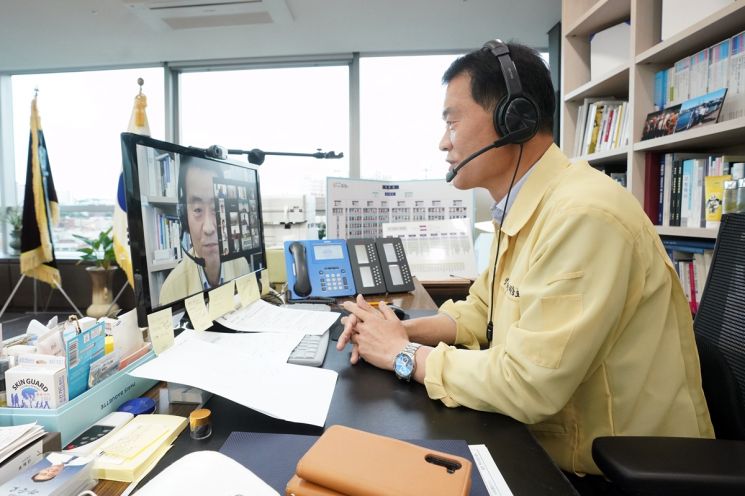
Seongbuk-gu Operates ‘2021 Seongbuk-gu Online Resident Autonomy School’
Seongbuk-gu (Mayor Lee Seungro) is operating the ‘2021 Seongbuk-gu Online Resident Autonomy School’ from July 1 to 24 for residents applying to be members of the 2nd Resident Autonomy Committee.
The Resident Autonomy Committee is a resident representative organization with real authority and responsibility supporting resident autonomy activities, deciding and implementing local issues and agendas together with residents through resident assemblies.
Seongbuk-gu has continuously conducted education focusing on strengthening residents’ autonomy capabilities and activating resident autonomy through programs such as the Resident Autonomy School and Resident Autonomy Academy to realize grassroots autonomy in the era of decentralization.
This Resident Autonomy School is mandatory basic pre-education requiring six hours of completion to be selected as a member of the 2nd Resident Autonomy Committee, designed to strengthen resident-led autonomy capabilities and deepen practical understanding of resident autonomy.
The education targets approximately 460 residents applying for committee membership in eight neighborhoods forming the 2nd committee (Seongbuk-dong, Samseon-dong, Bomun-dong, Jeongneung 2-dong, Gireum 1-dong, Wolgok 2-dong, Jangwi 1-dong, Seokgwan-dong). Completion of six hours qualifies applicants for the member lottery.
The curriculum consists of two three-hour lectures covering understanding resident autonomy and Seoul-style resident autonomy projects, democratic meeting methods, and understanding public budgets. After completing six hours, members will be appointed in September following a lottery in August and serve for two years.
To prevent COVID-19 spread, the school is conducted 100% online via Zoom, with varied schedules including daytime, nighttime, weekdays, and weekends to provide more educational opportunities and improve accessibility.
A female participant said, “Although the online format is unfamiliar amid COVID-19, knowing that about 460 neighbors are learning together makes me feel reassured that many are working for the development of Seongbuk resident autonomy.”
Seongbuk-gu Mayor Lee Seungro said, “We will be a strong supporter for the growth and development of the Resident Autonomy Committee so residents can independently consider and solve village issues throughout Seongbuk.”
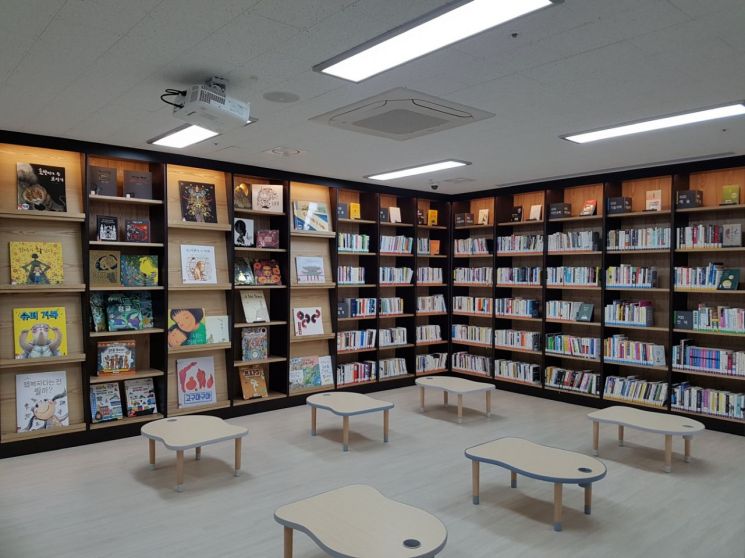
Geumcheon-gu’s Dreaming Small Library Hosts Author Son Hyunju of ‘Ssakaji Survival’ for Writing, Reading Discussions, Author Meetings, and Book Concerts
Geumcheon-gu (Mayor Yoo Seonghun) was selected for the ‘2021 Library Resident Author Support Project’ and will conduct various literary programs with author Son Hyunju at the Dreaming Small Library from August to December.
The ‘Library Resident Author Support Project,’ organized by the Ministry of Culture, Sports and Tourism and the Korea Arts Council, supports writers residing in public libraries to run literary programs for local residents, providing job opportunities and stable creative environments to stimulate local literary demand.
At Dreaming Small Library, the resident author will lead diverse, high-quality programs including an author-recommended book exhibition ‘Shall We Read Together?’, elementary school writing and reading discussions ‘Secret Writing Class’ and ‘How Far Have You Thought About Books?’, adult writing and reading discussions ‘Brunch Writing’, author meetings, and book concerts.
Author Son Hyunju debuted in 2008 with the short story ‘Mom’s Part-Time Job’ in the International Newspaper New Year’s Literary Contest, won the 2009 Literary Award for New Writers, and the 2010 Pyeongsari Literary Award. He continues to write works such as ‘Ssakaji Survival’ and ‘Boy Riding the Golden Bus.’
The program starts with the elementary school ‘Secret Writing Class’ in August and runs sequentially until December. Interested residents can apply by phone or via comments on the Naver Band (band.us/@gcdreaminglib).
Geumcheon-gu Mayor Yoo Seonghun said, “Through the resident author support project, we hope local residents can quench their thirst for reading culture and dream of a more developed daily life.”
Program schedules may change depending on COVID-19 developments. For details, contact Dreaming Small Library or Geumcheon-gu Cultural and Sports Division.
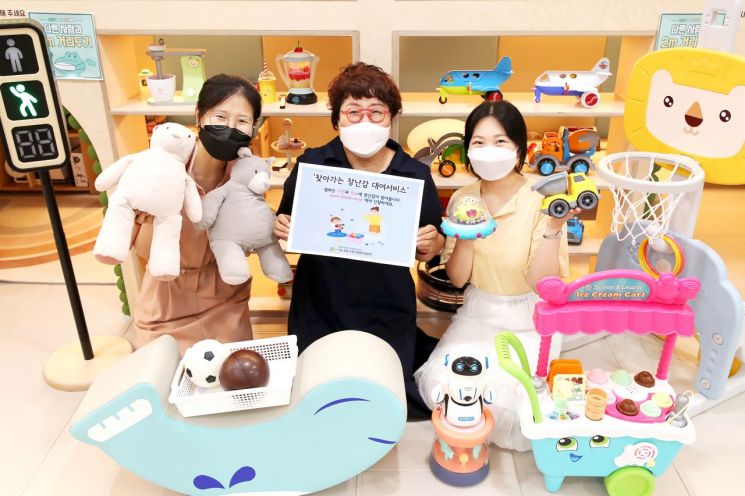
Seongdong-gu Launches ‘Visiting Toy Service’ for Children’s Favorite Toys
Seongdong-gu (Mayor Jung Wono) launched the ‘Visiting Toy Service’ this month to provide convenient access to toys and books for families with young children who find it difficult to go out due to the prolonged COVID-19 situation.
The ‘Visiting Toy Service’ allows families with young children in the district to reserve desired toys and books and borrow them at their preferred time and place.
Reservations can be easily made through a dedicated website, and sanitized toys and books are delivered by dedicated staff, enhancing convenience from application to receipt.
Through this service, each preschool child can borrow one toy or three books for two weeks and can continue to use the service by exchanging for other toys, allowing children to play with a variety of toys with short usage cycles.
The district’s Childcare Comprehensive Support Center operates four ‘Toy Worlds’ with a total of 2,422 toys and 2,388 books. Last year, 6,759 toy rentals served 11,040 users, showing high popularity.
In response to residents’ requests gathered during the April ‘Parenting Talk Show with the Mayor’ to make the popular toy rental service available nearby, the district launched the ‘Visiting Toy Rental Service.’
Those wishing to use the service can sign up on the Toy World website and apply starting one week before the operating day of each Toy World. Priority is given to disabled families and families with three or more children, followed by general users.
Seongdong-gu Mayor Jung Wono said, “We recently opened the Child Love Complex Cultural Center, providing a cultural experience space focused on young children where families can enjoy, learn, and experience together. As the saying goes, ‘It takes a village to raise a child,’ we will continue to provide childcare services that residents want and need so they can raise children safely and happily.”
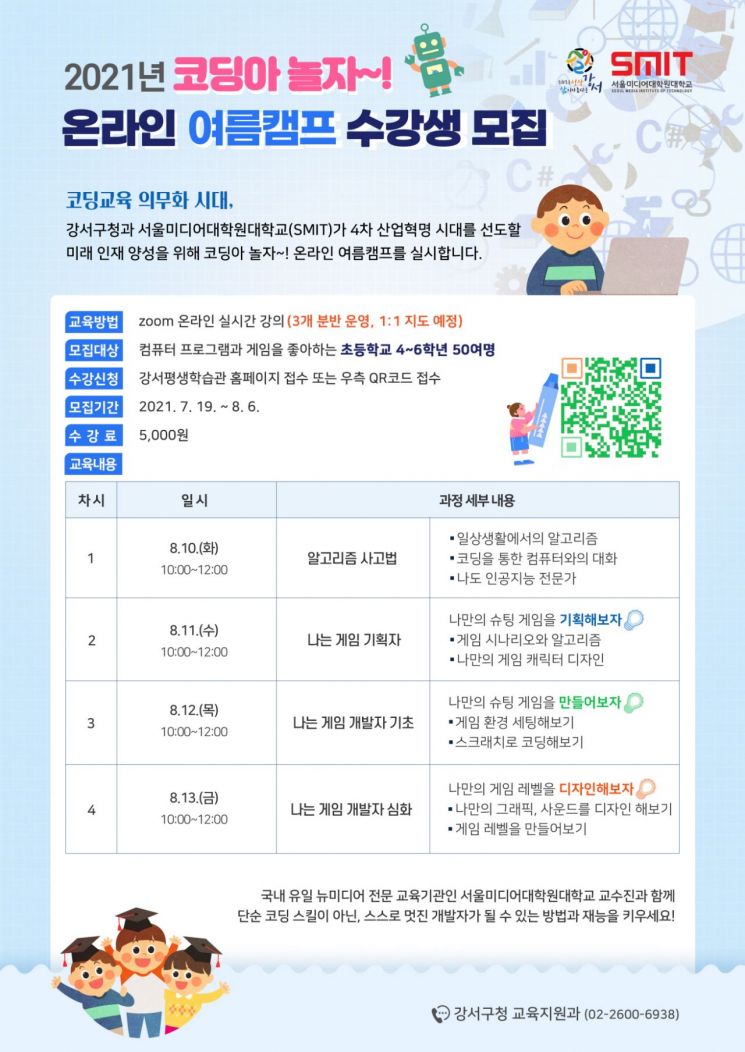
Gangseo-gu Operates Online Summer Vacation Camp ‘Let’s Play Coding!’
Gangseo-gu, Seoul (Mayor Roh Hyun-song) is running an online summer vacation camp called ‘Let’s Play Coding!’ to develop logical thinking and creativity.
In the era of the 4th Industrial Revolution, this coding education aims to nurture creative talents and help students discover their aptitudes and talents early.
The program runs for four days from August 10 to 13 and is taught directly by a professor from Seoul Media Graduate University, a specialized university in advanced media fields.
Due to high demand last year, the number of students has increased from 15 to 50, and the course is divided into three classes to allow one-on-one instruction.
The goal is for students to plan simple games themselves after learning basic and advanced game development based on theoretical lessons.
The curriculum includes algorithmic thinking, game planning, basic game development, and advanced game development (design). The four sessions are conducted as real-time interactive classes covering theory and practice.
Elementary students in grades 4 to 6 living in Gangseo-gu who like computer programs and games can apply on the Gangseo Lifelong Learning Center website by August 6. Enrollment is on a first-come, first-served basis, and the tuition fee is 5,000 KRW.
A district official said, “This coding education is well-prepared to help students gain a sense of accomplishment through practice and develop logical thinking and creativity. We hope many future talents leading the 4th Industrial Revolution will participate.”
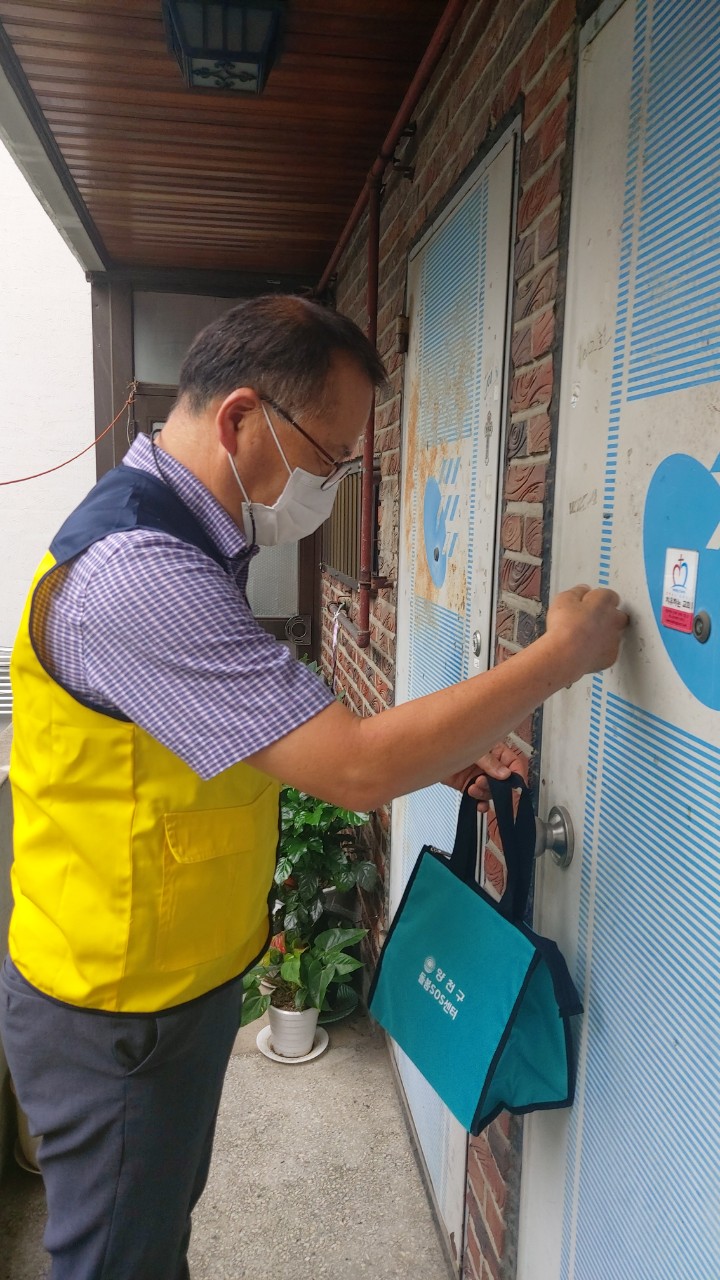
Yangcheon-gu’s ‘Yangcheon-style Care SOS Center’: From Emergency Care to Community Care
Yangcheon-gu (Mayor Kim Soo-young) is making every effort to close welfare gaps through comprehensive Care SOS services, with increasing cases of preventing solitary deaths that might have otherwise gone unnoticed.
A man in his 90s living alone in Sinjeong 7-dong, receiving basic living support and battling terminal prostate cancer, rapidly deteriorated to the point of immobility. A neighbor who regularly interacted with him alerted the community center care manager.
Recognizing the emergency, the care manager and welfare planner from Sinjeong 7-dong community center immediately responded. However, due to fever and suspected COVID-19, and lack of isolation rooms, hospital admission was not possible that day. The elderly man also refused hospitalization, wishing to spend his final days comfortably at home.
The Care SOS Center collaborated with the public health center to conduct a rapid COVID-19 test, which was negative, ensuring safe home care. A dedicated care team comprising care managers, welfare planners, integrated case managers, and neighborhood leaders was formed to provide focused care. Services included home cleaning, disinfection, and meal support. During regular visits, the team confirmed the elderly man passed away peacefully.
The neighbor who reported the case expressed gratitude, saying, “Though he lived alone for a long time, I believe he was not lonely at the end, receiving care services from the district.”
In another case, a man in his 40s living alone in Mok 2-dong, suffering from severe brain disability and alcoholism, was reported missing by neighbors. Upon visiting, care staff found him collapsed on a sofa in a severely unsanitary home with strong odors.
The Care SOS Center provided cleaning, disinfection, and meal support, coordinated with Seoul Housing and Communities Corporation for bathroom repairs, wallpapering, and flooring. Recognizing the severity of alcoholism, they connected him with a mental health welfare center, encouraging hospital admission. The man is now recovering and preparing for discharge.
The Care SOS Center, staffed by 38 care managers from district and neighborhood offices, plays a vital role in preventing solitary deaths through proactive care services such as regular visits and support.
Yangcheon-gu also maintains ongoing communication and collaboration with local social enterprises to enhance care quality. For example, when a social enterprise cleaning company reported a case using heavily soiled old blankets, a meal delivery company donated 10 blankets, adding warmth to the care services.
Yangcheon-gu Mayor Kim Soo-young said, “With the rise of single-person households and solitary deaths, the role of the ‘Yangcheon-style Care SOS Center’ as a community care provider beyond emergency individual care is essential. We will do our utmost to create a ‘Yangcheon without solitary deaths’ through a dense welfare safety net.”
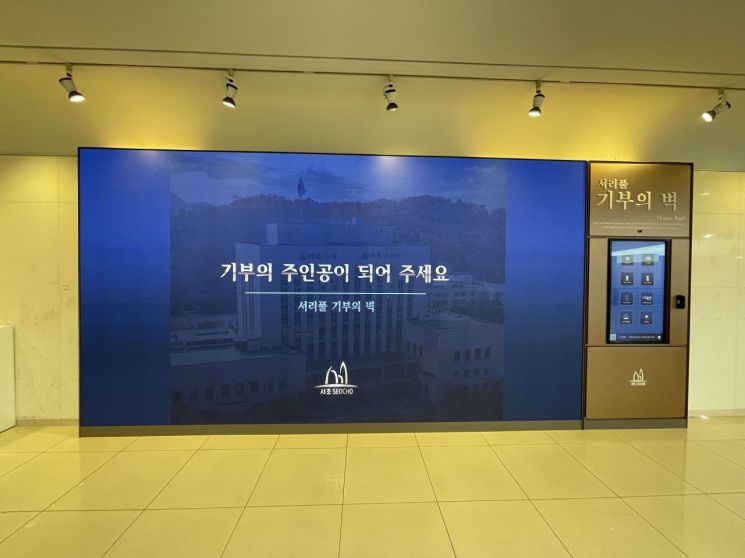
Seocho ‘GiveOn Sharing Campaign’ Launched
Seocho-gu (Mayor Cho Eunhee) is running the ‘Seocho GiveOn Sharing Campaign’ from July to December to promote a funation donation culture that makes sharing a part of daily life.
The campaign can be joined by scanning the QR code on the ‘Seoripul Donation Wall’ on the second floor of Seocho-gu Office or on campaign posters. Participants can upload donation photos and reviews on the ‘Seocho GiveON’ section of the Seocho-gu website.
Donations through this campaign are tax-deductible with donation receipts.
The ‘Seoripul Donation Wall’ features an LED space to honor donors and a donation experience area where donations can be made easily from 1,000 KRW using personal cards. Donors can take photos and receive them by email and leave their names and photos on the wall.
The wall operates weekdays from 9 a.m. to 6 p.m.
Funds raised will support low-income vulnerable groups and crisis households through the ‘Seocho-gu Love Fruit Sharing Network’ for living, medical, housing expenses, and emergency supplies, as well as public-private cooperative welfare projects for local residents.
For more information, contact the Seocho-gu Welfare Policy Division.
Seocho-gu Mayor Cho Eunhee said, “I hope this campaign will help make donation a daily habit. We will continue efforts to spread the culture of giving.”
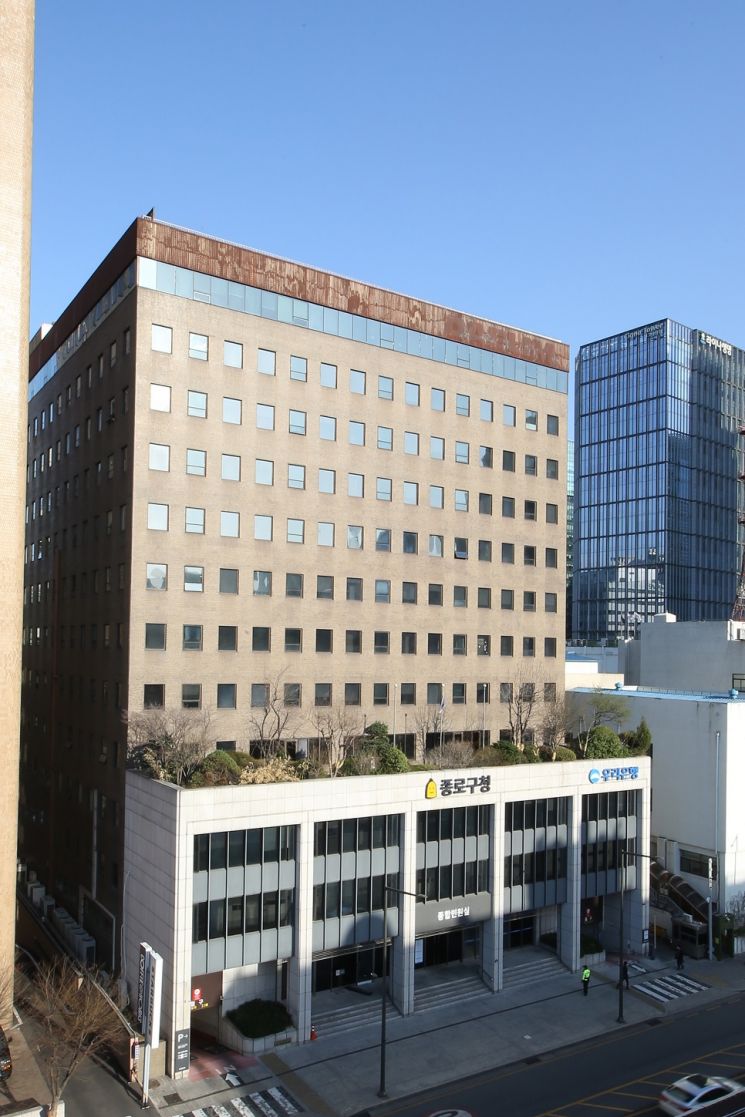
Jongno-gu Strengthens Safety Management of Building Demolition Sites
Jongno-gu (Mayor Kim Youngjong) is implementing improved and strengthened safety management measures for building demolition sites following repeated accidents, striving to ensure citizen safety.
The measures include prior review of demolition plans, mandatory demolition commencement reports, joint expert inspections, and mandatory checklists and reporting by supervisors.
These address issues found in existing systems such as inability to verify compliance with permit conditions, insufficient safety management, and lack of monitoring of demolition progress, focusing on effective safety management.
Prior review applies to demolition sites requiring permits and reviews. Permit officers request expert review from the Regional Building Safety Center (structural engineers), who thoroughly examine architectural and structural drawings and safety management plans.
Mandatory demolition commencement reports apply to all demolition sites. After the construction company installs safety facilities like CCTV and temporary fences, supervisors inspect and report commencement, submitting safety checklists.
Joint expert inspections target demolition sites requiring permits and reviews, conducted early in demolition after installation of temporary facilities and equipment but before roof structure demolition. Inspectors include Regional Building Safety Center experts and officials.
They assess plan compliance, surrounding environment, temporary structures, building exterior, and structural safety. Non-compliance results in correction orders and administrative actions if not addressed timely.
Supervisors conduct mandatory inspections and reporting before removal of finishing materials, roof demolition, intermediate floor demolition, and basement demolition. They must immediately report results with photos to permit authorities.
Jongno-gu mandates CCTV installation with 24-hour recording, advance notice and signage, sufficient shoring considering upper load, and temporary fences at site boundaries as permit conditions to prevent accidents.
Mayor Kim Youngjong emphasized, “Safety management at construction sites cannot be overemphasized. Even if additional time and costs are required, these measures are essential to protect citizens. We ask for special attention and cooperation.”
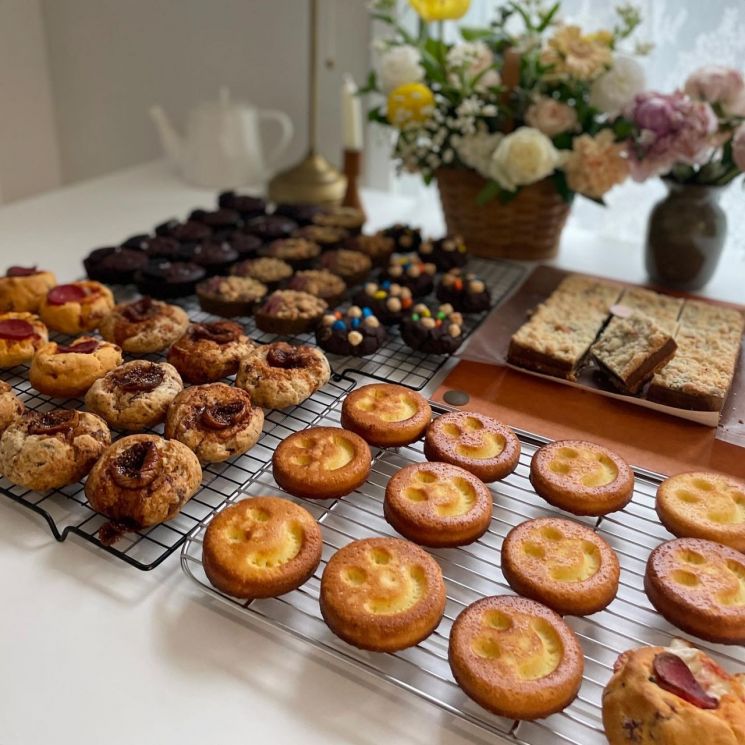
Songpa-gu Supports Professional Skills Training for Residents Seeking Employment or Entrepreneurship
Songpa-gu (Mayor Park Seongsu) is recruiting ‘2021 2nd Term Chamsari Training Center Trainees’ until August 5 to provide professional skills training for residents seeking employment or entrepreneurship.
Located in Pungnap-dong, Chamsari Training Center (28 Pungseong-ro) has operated since 2011 as a support center offering technical education, practice, experience, and consulting to help residents overcome difficulties such as career breaks and lack of confidence and enhance their capabilities and field responsiveness.
The 2nd term training program for 2021 includes courses reflecting the latest trends: Coding Maker Instructor, Barista, Florist, and Rice Dessert Expert training.
The ‘Coding Maker Instructor Training’ is designed for non-majors to learn easily and aims to connect graduates to actual teaching positions. With mandatory software education and high demand, it is expected to be popular.
The ‘Barista Training’ also offers a one-stop program linking graduates to the Chamsari Startup Experience Center (CO-kiri Cafe) within the Songpa Social Economy Support Center for entrepreneurship.
Along with the popular ‘Florist Training,’ a distinctive ‘Rice Dessert Expert’ course is introduced, supporting differentiated menu development reflecting the recent health food trend.
Each course recruits 10 to 20 people. Residents aged 19 to 65 aiming for employment or entrepreneurship can apply. Priority is given to certificate holders, youth, and vulnerable employment groups.
Applications are accepted until August 5 via the district website, submitting application forms, self-introductions, and supporting documents to Chamsari Training Center or Songpa Job Center by email, visit, or mail.
Training runs from August 17 to November 18, free of charge for tuition and materials. Selected trainees will also have opportunities for field trips, employment and entrepreneurship clubs, and talent donation activities to enhance practical skills.
Songpa-gu Mayor Park Seongsu said, “Chamsari Training Center is Songpa’s unique job platform. We will continue to strengthen job support programs to solve residents’ concerns and create specialized jobs unique to Songpa.”
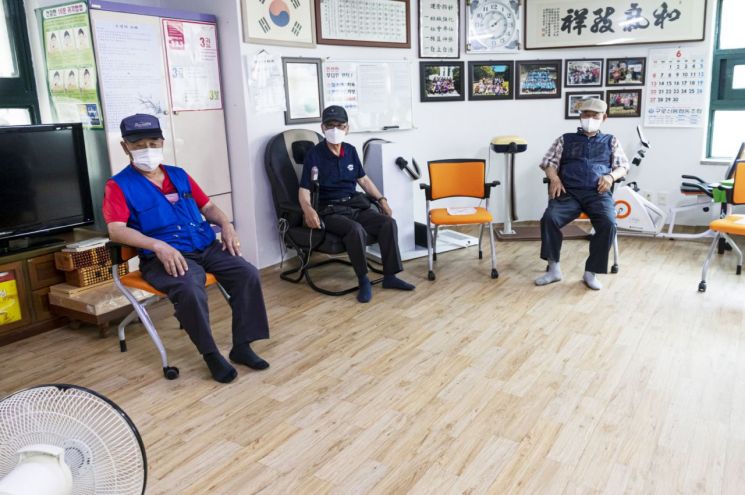
Guro-gu Opens Heatwave Shelters at Senior Centers and Community Centers
Guro-gu (Mayor Lee Sung) has prepared a comprehensive heatwave response plan to ensure vulnerable residents can safely endure the summer.
First, Guro-gu formed a ‘Heatwave Situation Management Team’ to monitor weather conditions in real time and promptly disseminate related information to local institutions and residents.
When a heatwave warning is issued, the disaster safety countermeasure headquarters is elevated to a higher alert level. Led by Mayor Lee Sung, the team includes situation control, welfare, health management, and facility response units to protect vulnerable groups, manage emergency patients, and prevent accidents.
Heatwave shelters are provided at 192 senior centers, 5 welfare centers, 15 community centers (excluding Gaebong 2-dong), and 29 Saemaeul Credit Union and bank branches, totaling 241 locations. Senior centers apply COVID-19 prevention measures such as one person per 4㎡, at least 1 meter distancing, handwashing, mask-wearing, and hourly ventilation, operating weekdays from 1 p.m. to 5 p.m. Seniors who have received their first vaccine dose at least 14 days prior can use the shelters. When social distancing is lowered, operation will expand to 248 locations including religious facilities.
Additional shade tents will be installed at crosswalks and traffic islands, adding 7 this year for a total of 142.
Guro-gu also supports health management for vulnerable groups such as solitary elderly, disabled, and chronic patients by regularly checking on them and providing heat illness prevention education. Night patrols are conducted for homeless safety.
Activities of senior tailored care service workers and welfare planners are strengthened, and cooperation with welfare centers ensures continuous health monitoring of elderly residents.
Furthermore, safety education and inspections are conducted at construction sites, traditional markets, and hazardous material facilities, and a blackout response manual is activated due to increased power usage. To mitigate heat island effects, water trucks will be used to clean main roads.
A Guro-gu official said, “This summer is expected to be especially difficult for vulnerable groups due to the combination of heatwaves and COVID-19. We will maintain a thorough response system to prevent heat-related accidents.”
© The Asia Business Daily(www.asiae.co.kr). All rights reserved.
![Clutching a Stolen Dior Bag, Saying "I Hate Being Poor but Real"... The Grotesque Con of a "Human Knockoff" [Slate]](https://cwcontent.asiae.co.kr/asiaresize/183/2026021902243444107_1771435474.jpg)


















