[Seoul District News] Basic Plan Established Every 5 Years, Sustainability Report Prepared Every 2 Years, Resident Participation via Sustainability Development Committee... Guro-gu Promotes Exclusive 'District Mayor' App... Yongsan-gu Launches Life Respect Project Based on Primary Care Institutions... Mapo-gu Focuses on Customized Heatwave Measures Considering Social Distancing Level 4
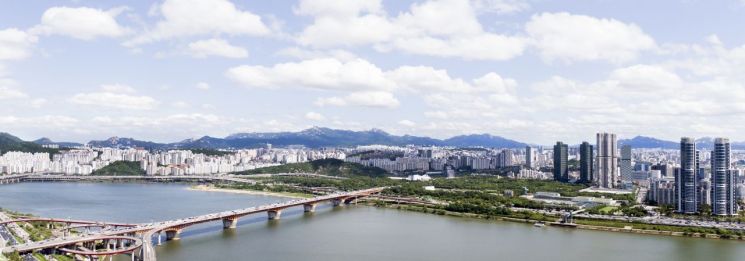
[Asia Economy Reporter Park Jong-il] Seongdong-gu (Mayor Jung Won-oh) announced the official start of becoming a sustainable development city by enacting and promulgating the ‘Seongdong-gu Basic Ordinance on Sustainable Development’ (hereinafter referred to as the Ordinance) on the 15th.
The ordinance stipulates matters necessary for the sustainable development of Seongdong-gu, and through its promulgation this month, a legal basis for promoting sustainable development based on the value of ‘sustainable development’ across environmental, economic, and social fields has been established.
The main contents include establishing a basic plan every five years, comprehensively evaluating results based on development indicators, and preparing a sustainability report every two years. It also includes the establishment and functions of the Sustainable Development Committee, which involves various experts from all fields such as economy, society, and environment, and specific matters such as commissioning research and investigations to realize sustainable development.
‘Sustainable development’ means development that balances economic growth, social stability and integration, and environmental conservation. It re-examines all district administration from the perspective of sustainability, aiming for harmonious and balanced lives for current and future generations.
Previously, the district established a basic plan to achieve 17 goals for sustainable development, setting 113 implementation tasks linked to 56 detailed goals based on five core strategies. Each responsible department links performance indicators to each task to measure goal achievement and evaluate sustainability through feedback.
With the legal basis established alongside practical planning, the 17 goals reflecting Seongdong’s characteristics will be implemented according to the principle of sustainable development. The district plans to concretize and enhance the completeness of realization through active participation of residents via the Sustainable Development Committee and others.
Jung Won-oh, Mayor of Seongdong-gu, said, “This ordinance accelerates the promotion of sustainable development plans prepared to secure execution power,” adding, “We will continue to do our best to create a ‘Sustainable Seongdong’ where current and future generations can coexist.”
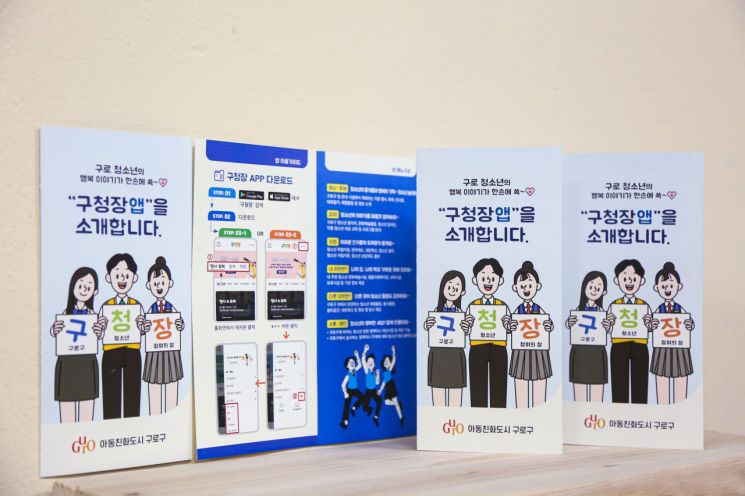
Guro-gu Promotes ‘Mayor’ Dedicated App
Guro-gu (Mayor Lee Sung) has launched a promotional campaign for the dedicated mobile application (app) ‘Mayor’ for youth participation in Guro-gu.
On the 16th, Guro-gu announced, “We distributed the youth-only app ‘Mayor’ in March to enable young people to easily check various information such as policies and events and actively participate in district administration.”
To expand youth participation opportunities and strengthen autonomy, Guro-gu has operated a youth council since last year. Youth council members aged 13 to 18 who live in Guro-gu or attend schools in the district gather to discover necessary policies and directly propose them to the district office.
Guro-gu decided to create a dedicated app to effectively provide youth-related programs and support systems and actively reflect youth opinions. Development began in October last year with a professional company and was completed in March this year, then distributed via Google Play Store (Android phones) and Apple App Store (iPhones).
The ‘Mayor’ app consists of eight menus: ‘Events & Festivals,’ ‘Participation,’ ‘Support,’ ‘Around Me?,’ ‘Other Regions?,’ ‘Communication & Suggestions,’ ‘Notices,’ and ‘Inquiries.’ Users can check local events, exhibitions, and programs, as well as various support policies such as scholarship systems, youth shelters, and alternative schools. Information on youth-related facilities such as cultural and arts facilities, educational facilities, and protection facilities is also provided.
Additionally, volunteer activities, shelter spaces, and networks operated outside the district are linked through the app.
Guro-gu produced 4,500 leaflets introducing the app and distributed them to elementary, middle, and high schools, youth-related facilities, and community service centers within the district.
A Guro-gu official said, “We hope many youths can easily check various news anytime and anywhere through the ‘Mayor’ app and actively participate in district administration,” adding, “We will do our best to operate the app to quickly deliver useful news for youths and reflect their voices.”
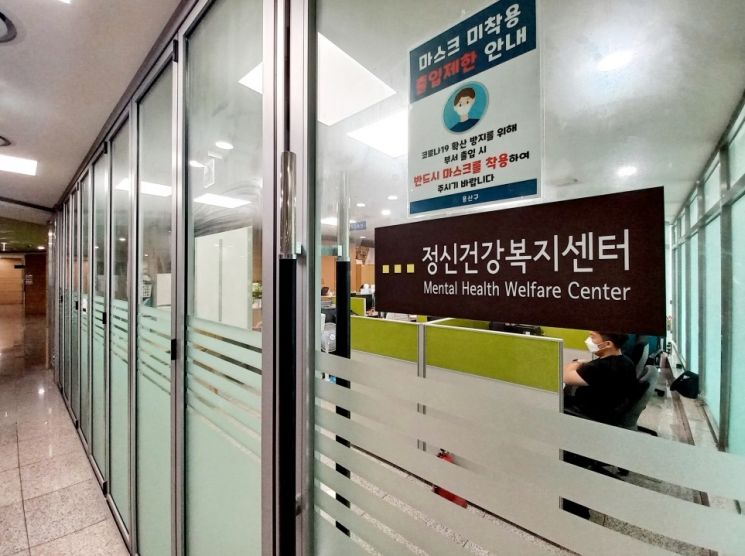
Yongsan-gu Launches Primary Medical Institution-Based Life Respect Project
Yongsan-gu (Mayor Sung Chang-hyun) Mental Health Welfare Center has begun full-scale operation of the ‘Primary Medical Institution-Based Life Respect Project’ as part of the 2021 suicide prevention project.
The project targets users of designated primary medical institutions in the area. When necessary (as judged by doctors), depression screening and suicide risk assessments are conducted, followed by monitoring, counseling, and emergency dispatch for high-risk groups.
Screening tools used include the Korean version of the Patient Health Questionnaire-9 (PHQ-9), Short Form of Geriatric Depression Scale (S-GDS), and MINI-Plus for suicide tendency assessment.
A center official said, “About half of suicide victims complained of psychosomatic symptoms before suicide and visited general primary medical institutions before psychiatric institutions,” adding, “We expect to prevent a significant portion of suicide attempts through cooperation with medical institutions.”
As of July, four medical institutions participate in the project: Yonsei Serim Internal Medicine Clinic in Hyochang-dong, Choi Internal Medicine Clinic in Huam-dong, Open Bogwang Clinic in Bogwang-dong, and Lohas Family Medicine Clinic in Ichon-dong. Since starting in April, 217 residents have undergone depression and other tests at these clinics over three months.
Among them, 23 (11%) tested positive for depression. The center is managing cases for three high-risk suicide individuals.
The center plans to provide incentives (3,000 to 10,000 KRW) per test and continuously increase participating medical institutions. Interested institutions can contact the center (Health Center Mental Health Team).
Mayor Sung Chang-hyun said, “As of 2019, the suicide rate in our district was 18.3 per 100,000 people, showing a decreasing trend in recent years,” adding, “However, with the prolonged COVID-19 situation, many people suffer from depression. We will conduct suicide prevention projects with primary medical institutions and take care of residents’ mental health.”
The district mental health welfare center is located on the first floor of the health center (150 Noksapyeong-daero). The health center’s Health Medical Department Mental Health Team directly operates it. Major projects include resident mental health management (crisis intervention and emergency response, initial counseling, case management), suicide prevention, healthy hope drinking project, and mental health education.
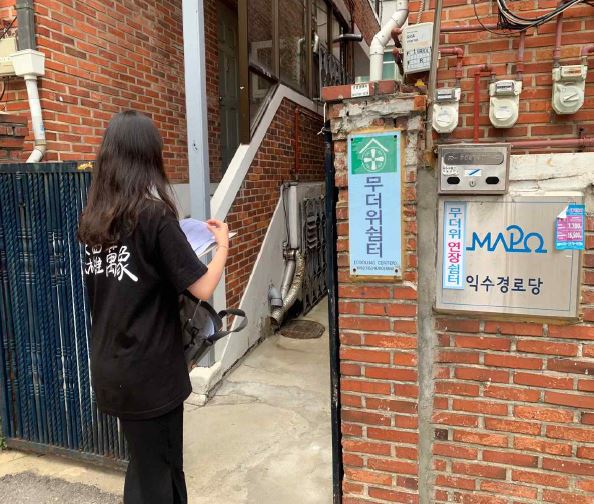
Mapo-gu Intensively Implements Customized Heatwave Measures Considering Social Distancing Level 4
Mapo-gu (Mayor Yoo Dong-gyun) is intensively implementing ‘with COVID-19 customized heatwave measures’ as the rainy season ends and the midsummer heat begins.
From May to September 2021, the district formed a situation management task force during the heatwave period to protect vulnerable groups and minimize facility damage by ▲promoting heatwave response guidelines for residents in various ways ▲operating cooling shelters for vulnerable groups such as elderly living alone and disabled people and providing one-on-one customized health management using visiting nurses ▲implementing safety management for construction sites and workers according to heatwave stages.
Especially, to prevent heatwave damage to health-vulnerable groups, the district conducts welfare calls and visiting health management, and also implements non-face-to-face health management using AI and IoT for those difficult to visit in person.
Additionally, 53 shade shelters are operated in the area, and smart shade shelters that automatically recognize heatwave environments such as temperature and wind will be additionally installed.
To prevent burn accidents at children’s playgrounds, the district plans to produce and attach burn prevention stickers friendly to infants and children.
Considering the COVID-19 situation under social distancing level 4, the district emphasizes residents’ compliance with level 4 quarantine rules, urges them to refrain from meeting parents and acquaintances for the time being, and encourages sending greeting calls.
Besides the existing Mapo Health Center screening clinic and Sogang University Station temporary screening clinic, a temporary screening clinic was additionally installed at Hongik University’s Hongik Cultural Park and has started operation.
Due to a sharp increase in visitors to screening clinics following the rise in confirmed cases, the district installed shade shelters and canopies in waiting areas, posted waiting time notices to predict waiting times, and provided simple chairs for umbrellas and the elderly to ensure comfortable testing despite the heat.
Based on 1.5 years of experience responding to the COVID-19 crisis, the district strives to establish a flawless infectious disease surveillance system to protect residents’ health and safety. Mayor Yoo’s philosophy that “administration is not about reacting but preparing in advance” guides proactive heatwave preparedness to alleviate residents’ inconvenience and minimize damage.
Mayor Yoo Dong-gyun said, “When a heatwave warning is issued, please refrain from outdoor activities and rest in the shade, following heatwave response guidelines,” adding, “Mapo-gu will continue to implement health and safety management measures for residents enduring difficult times due to COVID-19.”
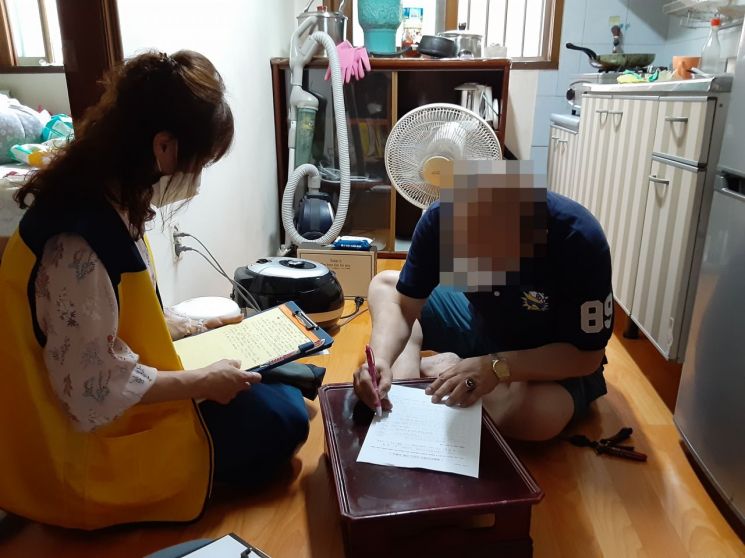
Gwanak-gu Establishes ‘Care Support Team’
Gwanak-gu (Mayor Park Jun-hee) reorganized its Welfare Policy Division by establishing a Care Support Team as of July 1.
This reorganization expanded and restructured care tasks, previously under the Hope Welfare Team, into a team-level operation to respond to increased care demand and diverse welfare needs due to the prolonged COVID-19 pandemic.
The district announced that through this reorganization, it plans to expand the ‘Care SOS Center’ project, which has been effectively addressing care blind spots, and strengthen the foundation for integrated community care by providing various customized services.
Launched early in response to COVID-19, the Gwanak-gu ‘Care SOS Center’ supports customized services such as temporary home care, meal provision, accompaniment support, residential convenience, health support, welfare checks, short-term facility use, and information counseling. By June, it provided over 5,700 services to residents in need of care.
Especially, in response to the COVID-19 vaccination emergency, the center actively provided accompaniment support services, greatly contributing to the safe vaccination of elderly with mobility difficulties.
Additionally, Gwanak-gu offers unique health care services such as promoting health gymnastics to alleviate depression and improve physical strength among residents suffering from COVID blues.
The Care Support Team will continue to enhance the operation of the ‘Care SOS Project’ by linking care for discharged patients with medical institutions, discovering excellent service providers, and conducting on-site monitoring of care managers, thereby establishing a foundation for integrated community care and serving as a care contact point.
Elderly, disabled, and middle-aged residents (50 years and older) in need of care can apply for services through the ‘Care SOS Center’ at their community service center. Service costs are fully covered if income is below 85% of the median income (temporarily 100% or below until December 31).
Mayor Park Jun-hee said, “We established the Care Support Team through reorganization to actively discover care blind spots and promptly respond to increasing care demand amid the prolonged COVID-19 pandemic,” adding, “We will lead the realization of welfare in Gwanak where all residents are happy and enjoy life by providing customized integrated care services.”
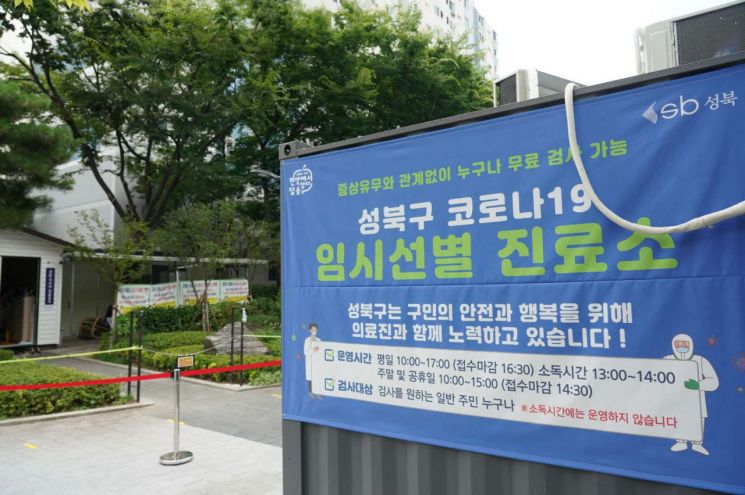
Seongbuk-gu Issues Administrative Order for Preemptive COVID-19 Testing of Karaoke, PC Room, Restaurant, and Cafe Operators and Workers
Seongbuk-gu (Mayor Lee Seung-ro) issued an administrative order for preemptive COVID-19 testing targeting operators and workers of multi-use facilities in the district as part of proactive quarantine management to curb the surge of confirmed cases in the metropolitan area.
Accordingly, all owners and workers, regardless of employment relationship, of karaoke rooms and PC rooms in Seongbuk-gu must undergo COVID-19 testing between the 8th and 28th of this month.
The administrative order also applies to operators and workers of restaurants and cafes in the district. Specifically, all operators (business owners) and part-time workers of 3,920 general restaurants, 1,281 snack bars, and 125 bakeries in Seongbuk-gu must undergo preemptive COVID-19 testing between the 8th and August 21.
This notice is a measure following the Seoul Metropolitan Government’s administrative order. Failure to undergo testing within the specified period will result in a fine of up to 2 million KRW under the Infectious Disease Control and Prevention Act.
Preemptive testing is available free of charge at the Seongbuk-gu Office Barambadang and the temporary screening clinic in front of Exit 5 of Gireum Station from 10 a.m. to 5 p.m. on weekdays and 10 a.m. to 3 p.m. on weekends, and at the Seongbuk-gu Health Center screening clinic from 9 a.m. to 9 p.m. on weekdays and 9 a.m. to 6 p.m. on weekends.
Furthermore, Seongbuk-gu announced plans to strengthen quarantine measures for facilities following the elevation to social distancing level 4 in the metropolitan area. Joint inspection teams with police will continuously check compliance with facility-specific quarantine guidelines such as business restrictions after 10 p.m. for restaurants and cafes and limits on private gatherings of three or more people after 6 p.m.
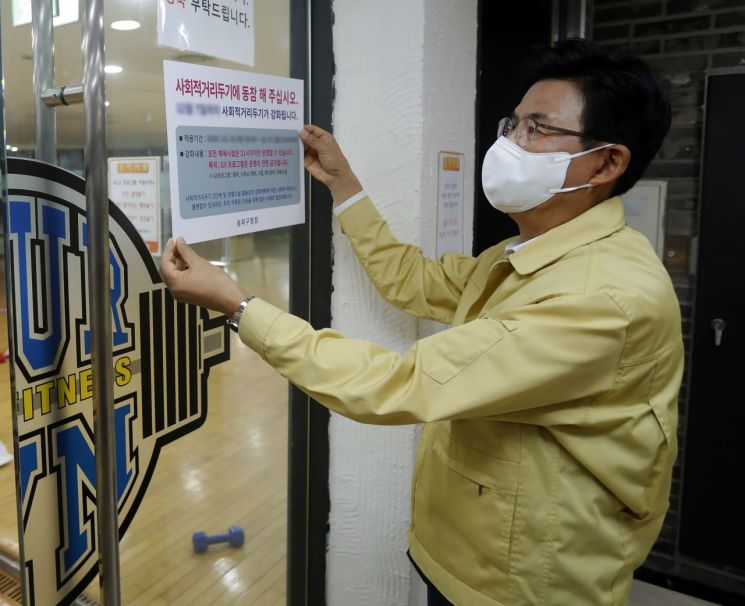 Park Seong-su, Mayor of Songpa District, is posting a notice encouraging social distancing at indoor sports facilities.
Songpa-gu Temporarily Suspends Operation of About 790 Multi-use Facilities
Songpa-gu (Mayor Park Sung-soo) announced on the 16th that it will temporarily suspend the operation of about 790 multi-use facilities operated by the district to focus on quarantine management amid the recent COVID-19 resurgence risk.
First, the district canceled all performances at the small-scale performance venue ‘Seokchon Lake Atelier’ and suspended operations of the Songpa Cultural Center and Yesong Art Museum. The ‘Seokchon Lake Cultural Experimental Space Lake’ and ‘Songpa Village Art Creation Center’ will operate only some programs with low density concerns, such as exhibitions.
Operations of district-run cultural and sports groups such as the district choir and women’s soccer team will be suspended, and 35 lifestyle sports classes for residents will also be suspended. However, some outdoor sports facilities such as Jamsil and Tancheon retention basins and indoor sports facilities like badminton and racquetball courts will operate with capacity limited to 30%.
Additionally, the Songpa Sports and Culture Center, Songpa Community Center, bicycle repair center, Songpa Job Center, and 171 senior centers will temporarily suspend operations. To minimize welfare service blind spots, welfare centers, vocational rehabilitation facilities for the disabled, and daytime care facilities will continue operating with a 50% user limit.
Other facilities such as Songpa Children’s Culture Center, Kiwoom Center, Youth Center, local children’s centers, and Songpa Dullegil ecological exploration will reduce programs.
The district strives to minimize residents’ inconvenience caused by the suspension of multi-use facilities.
To replace senior centers serving as cooling shelters during the heatwave, 12 welfare centers in the district are designated as general shelters, open from 9 a.m. to 6 p.m. on weekdays to help vulnerable groups avoid the heat.
Also, various non-face-to-face welfare services are provided in preparation for summer vacation, including ‘Visiting Toy Library’ walk-through rental service, Songpa Book Museum online education programs, and Songpa Teacher Smart Homeschooling.
The district will decide when to resume operations considering the COVID-19 situation and social distancing level adjustments.
Mayor Park Sung-soo said, “It is regrettable to suspend the operation of facilities frequently used by residents again,” adding, “At this point, preventing local COVID-19 spread is most important, so we ask for understanding and will develop various administrative services to minimize residents’ inconvenience.”
Meanwhile, the district is conducting special inspections for quarantine management of privately operated multi-use facilities. It focuses on entertainment facilities and parks in youth-dense areas such as Bangi-dong, as well as restaurants, cafes, academies, karaoke rooms, and PC rooms, operating a rapid response team at night.
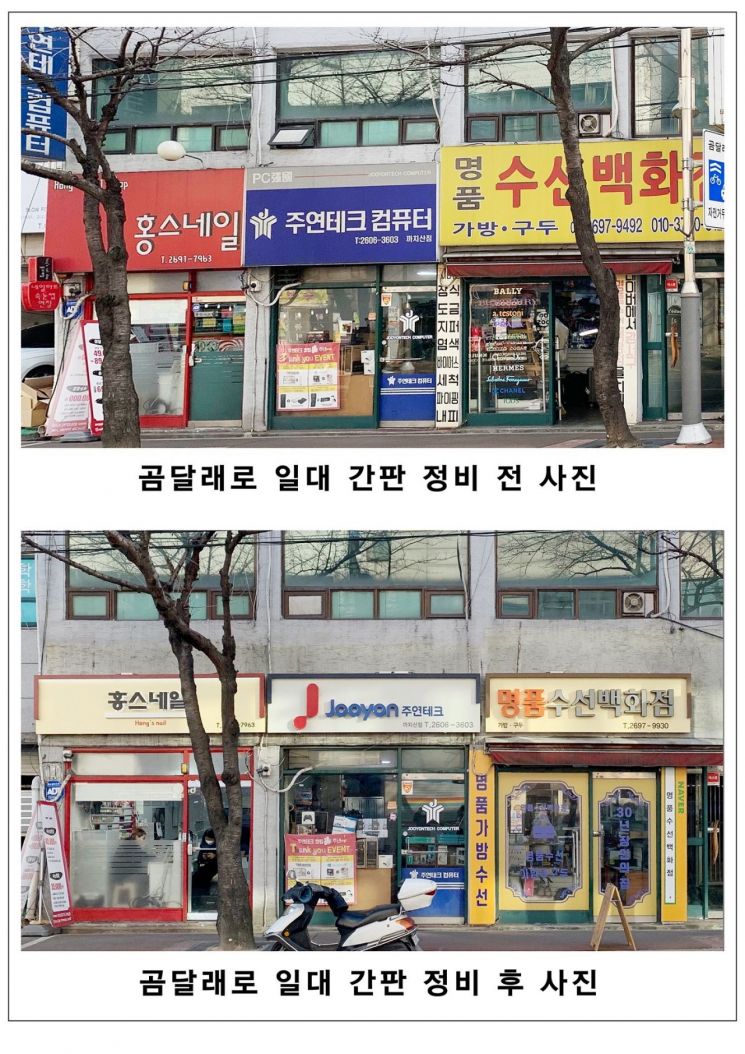
Gangseo-gu Renovates 360 Signboards in Gangseo-ro and Deungchon-ro Areas
Old and dirty signboards in the Gangseo-ro and Deungchon-ro areas will be neatly renovated.
Seoul’s Gangseo-gu (Mayor Roh Hyun-song) announced it will promote the ‘Beautiful Signboard Street Creation Project’ in the Gangseo-ro and Deungchon-ro areas.
The project aims to replace old and illegal signboards with signboards that reflect local characteristics and individuality to create a beautiful urban landscape. To this end, the district will invest about 900 million KRW by December to renovate 360 signboards out of 538 business signboards in the Gangseo-ro and Deungchon-ro areas that are old or unsuitable for outdoor advertising.
The target includes 182 businesses along the 1.2 km section from 177 to 239-1 Gangseo-ro and 178 businesses along the 2 km section from 35 to 233 Deungchon-ro.
Old and illegal signboards will be removed and replaced with energy-saving LED signboards. The district supports the cost of replacing one signboard per business, up to 2.5 million KRW per business.
Before full-scale project implementation, the district formed a resident council for signboard improvement consisting of building owners, store owners, and resident representatives. Through a business promotion agreement with the council, residents’ opinions will be actively reflected from design to construction company selection.
Also, the district will receive design advice from the ‘Gangseo-gu Outdoor Advertising Review Committee’ to reflect unique designs and fonts by industry, creating a distinctive premium street reflecting local characteristics and individuality.
Once the project is implemented, the disorderly illegal signboards in the Gangseo-ro and Deungchon-ro areas will be renovated, creating a safe street environment and greatly improving the cityscape.
Distinctive and unique signboards reflecting business individuality are expected to provide residents with a new visual experience. Mayor Roh Hyun-song said, “Since 2009, starting with Gonghang-daero, we have steadily promoted the Beautiful Signboard Street Creation Project to create a pleasant urban environment,” adding, “We will continue to do our best to create unique and beautiful streets in Gangseo-gu.”
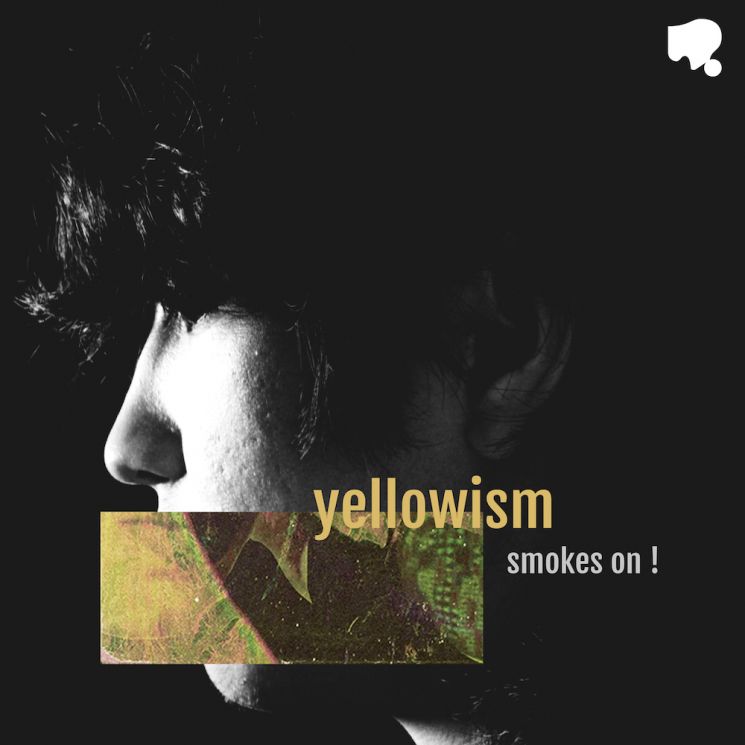
Dobong-gu Supports Indie Creators’ Single Album Release Project
Dobong-gu (Mayor Lee Dong-jin) is conducting the second half of 2021 project to discover and support emerging indie creators titled ‘Why do we make music?’ (WDM).
WDM is a project to discover indie creators, produce and release single albums, and create and promote visualizer and magazine content. Starting with the first artist yellowism on July 21, a total of 10 artists will be introduced.
The first artist, yellowism, is a 19-year-old producer known for various type beat works since middle school and has distinguished himself in various fields such as producing rapper Steepee’s album ‘Fin.’ His first solo single ‘smokes on!,’ released on July 21, condenses his ‘latent works’ accumulated through genres ranging from game music to electronic and hip-hop.
The WDM project is planned and promoted by the Open Chang-dong Project Group, a youth creator support project of Dobong-gu. The single albums released through WDM will be recorded, mixed, and filmed at the youth creative bases OPCD (Open Chang-dong) Studio and Gong-eum Studio.
The single tracks will be available on all music platforms at noon on July 21, and visualizer and magazine content can be viewed on the OPCD YouTube channel, web magazine, and Instagram.
Mayor Lee Dong-jin said, “OPCD Studio and Gong-eum Studio are youth creative bases ambitiously established in Dobong-gu based on the creation of Korea’s first K-POP performance hall ‘Seoul Arena.’ We hope this project will greatly contribute to branding ‘Music City Chang-dong.’”
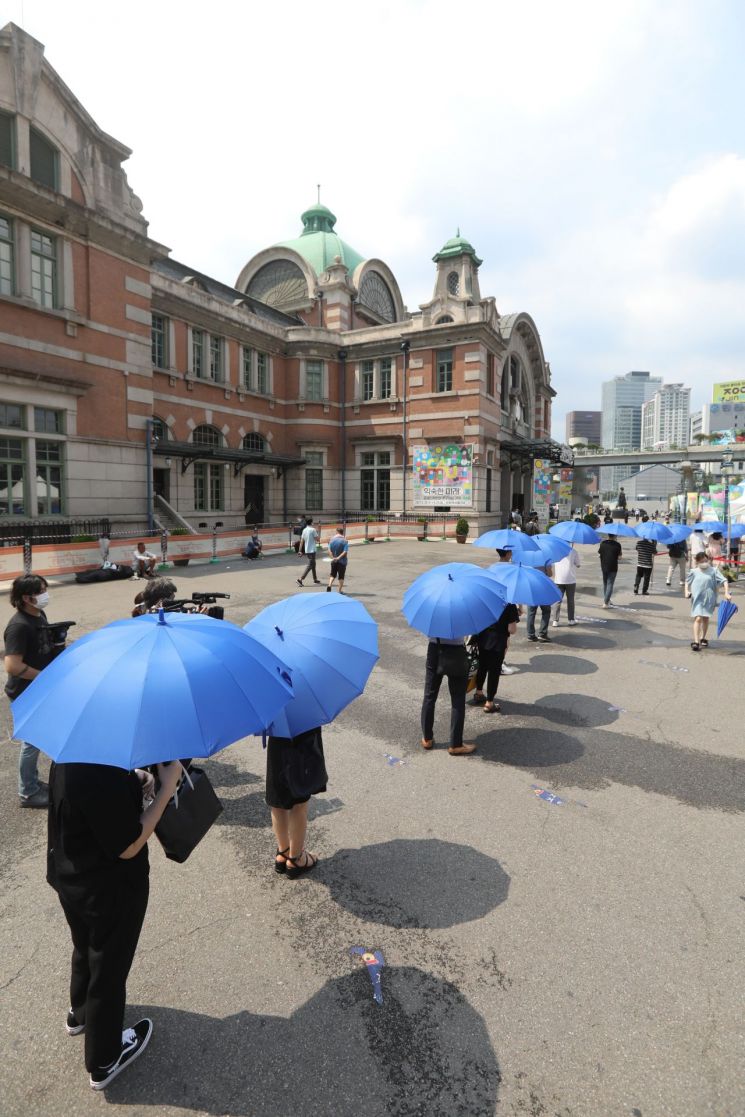
Jung-gu Installs Shade Shelters and Umbrella Rental Service for Screening Clinic Visitors
Jung-gu (Mayor Seo Yang-ho) announced it will mobilize all administrative power to support residents exhausted by the unprecedented heat dome phenomenon expected on the Korean Peninsula.
With daily new COVID-19 cases exceeding 1,000 in a large-scale outbreak, the queues at Jung-gu Health Center screening clinic, Seoul Station temporary screening clinic, Seoul Plaza temporary screening clinic, and screening inspection teams have surged.
To help waiting citizens avoid the heat, the district installed shade shelters and provided umbrella rental services. Although high humidity is unavoidable, shielding from sunlight has greatly helped citizens exhausted by the heat.
Additionally, the district strengthens road watering to reduce urban heat.
Jung-gu has operated large watering vehicles to water main arterial roads such as Toegye-ro, Eulji-ro, and Sejong-daero. Starting this year, when a heatwave warning (heat advisory or higher) is issued, the district rents private watering vehicles to water side streets accessible to the vehicles.
Four small watering vehicles with a 5-ton capacity, smaller than general watering vehicles, are rented and assigned to specific areas to perform water cleaning on accessible side streets.
When a heatwave alert is issued, administrative vehicles (1-ton) from community service centers equipped with watering equipment water alleys, supported by large district watering vehicles stationed at key locations to supply water.
The health center screening clinic waters the surroundings every hour, and the Seoul Station temporary screening clinic waters twice daily, tirelessly supporting medical staff and citizens amid the heat.
The district operates heatwave measures from May 20 to September 30, prioritizing protection of vulnerable groups such as elderly living alone and residents in small rooms, paying special attention to prevent casualties.
Measures include assigning dedicated public officials for vulnerable groups and welfare checks during heatwave warnings, distributing heatwave kits to about 1,500 vulnerable individuals, completing air conditioner installation for 230 high-risk households, providing 30,000 KRW electricity bill support to 500 vulnerable households, and installing 139 shade shelters in areas with heavy pedestrian traffic such as subway stations and crosswalks.
Mayor Seo Yang-ho said, “With prolonged COVID-19 and worsening quarantine situations, fatigue has accumulated, and the heatwave adds to difficulties,” adding, “We strive to protect residents’ health and safety and support medical staff and administrative personnel working at screening clinics by providing cool scarves and ice vests.”
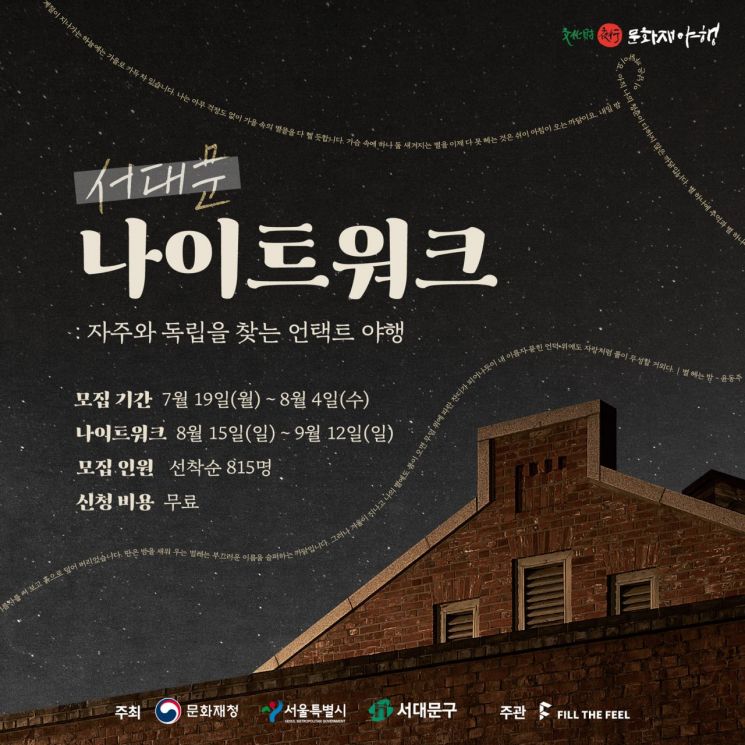
Seodaemun-gu Hosts Cultural Heritage Night Walk ‘Seodaemun Night Walk’ for Independence and Freedom
Seodaemun-gu (Mayor Moon Seok-jin) prepared a nighttime tourism program that can be enjoyed non-face-to-face for citizens whose activities have decreased due to social distancing.
The district is recruiting 815 participants on a first-come, first-served basis for the ‘2021 Seodaemun Cultural Heritage Night Walk.’
Anyone can apply for free from the 19th of this month to August 4 via the ‘Eventus’ website.
To assist night walking, five official night walk courses including Seodaemun Prison History Hall and Seodaemun Independence Park will be uploaded on the travel-related SNS ‘The Dots’ account ‘Seodaemun Cultural Heritage Night Walk.’
To motivate participation with retro sentiment, the district will provide all participants with kits including disposable film cameras and film for night photography and glow bracelets.
The night walk period is from August 15 (Liberation Day) to September 12. Participants can join the ‘Create Your Own Course’ event, and selected courses will be registered on The Dots official account.
The district will also hold events on SNS such as following the official Seodaemun Cultural Heritage Night Walk Instagram, kit receipt certification, and night walk participation certification, offering various prizes.
Mayor Moon Seok-jin said, “We look forward to many people’s interest and participation in the ‘Seodaemun Cultural Heritage Night Walk,’ which can be enjoyed without gathering while reflecting on the meaning of independence and freedom.”
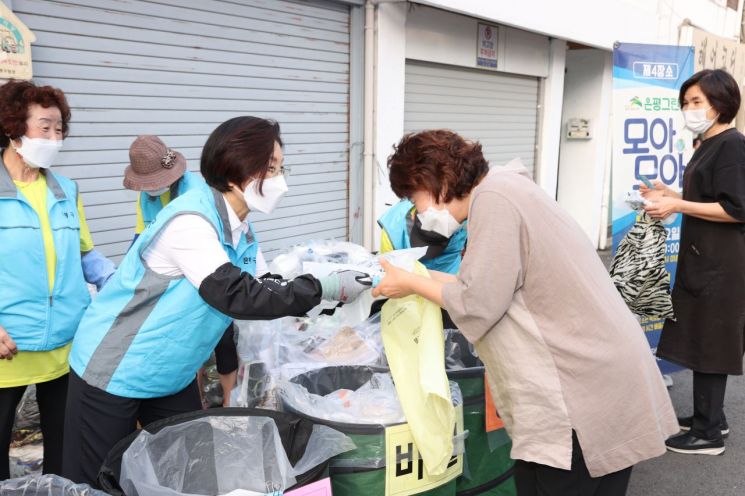
Eunpyeong-gu Selected for Ministry of the Interior and Safety’s ‘Regional Balanced New Deal Excellent Project’ in Green New Deal Category, Secures 590 Million KRW National Subsidy
Eunpyeong-gu (Mayor Kim Mi-kyung) announced on the 16th that it was finally selected for the Ministry of the Interior and Safety’s ‘Regional Balanced New Deal Excellent Project’ and secured 590 million KRW in national subsidies.
Eunpyeong-gu’s project selected in the Green New Deal category, ‘Recycling AI Waste Separation that Protects the Earth and Saves Money,’ links with the existing Eunpyeong Green MoaMoa project. It allows users to take photos of recyclables via a mobile app, where AI automatically recognizes images. When disposed of in AI separation collection boxes installed at collection points, product manufacturers provide green points.
Among 252 projects submitted by 161 local governments nationwide participating in the Ministry of the Interior and Safety’s contest, 40 projects passed the first document screening, 24 projects passed the second online public vote, and 15 excellent projects were finally selected through third expert (50%) and city/province representative group (50%) evaluations.
Eunpyeong-gu was the only district selected in Seoul, while other selected local governments include Daegu, Daejeon, Gyeonggi, Gangwon, Chungbuk, Jeonbuk, Gyeongbuk, Gyeongnam, Jeju Special Self-Governing Province, Incheon Ganghwa-gun, Gwangju Buk-gu, Ulsan Ulju-gun, Chungnam Asan-si, and Jeonnam Damyang-gun.
Eunpyeong-gu’s project was highly evaluated for ▲linking with the existing Green MoaMoa project with voluntary resident participation ▲mobile-based easy recycling separation and disposal using AI technology ▲green point rewards from product manufacturers ▲corporate ESG environmental and social value practices as a new service task in the Green New Deal category.
Mayor Kim Mi-kyung said, “This selection allows us to secure precious budget despite difficult financial conditions,” adding, “We will continue to promote new regional balanced Green New Deal projects led by residents that fit local characteristics and can be felt in daily life, creating a resource-circulating city through cooperation among public, private, and corporate sectors.”
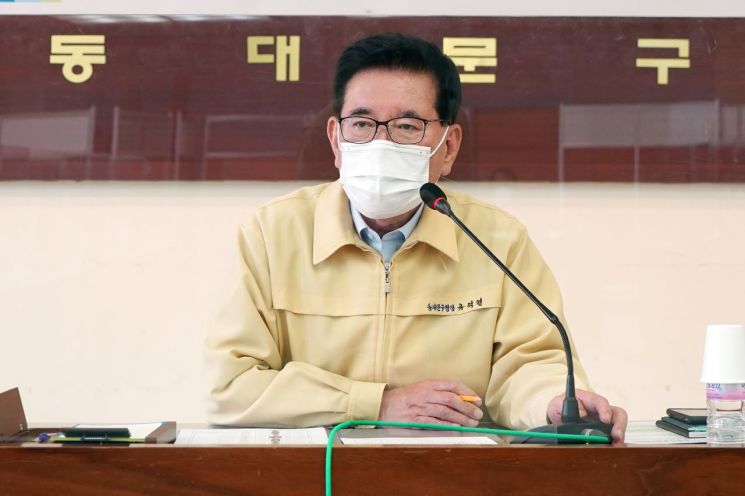 Yoo Deok-yeol, Mayor of Dongdaemun District, attending the 'Emergency University Quarantine Inspection Meeting' chaired by the Deputy Prime Minister of Education
Dongdaemun-gu Holds ‘University-District Emergency Quarantine Countermeasure Meeting’ to Block COVID-19 Spread
Dongdaemun-gu (Mayor Yoo Deok-yeol) held an ‘Emergency Quarantine Countermeasure Meeting’ with universities in the district to establish an organic cooperation system to block COVID-19 spread.
On the 15th, the meeting chaired by Deputy Mayor Choi Hong-yeon was attended by quarantine heads of three local universities (Kyung Hee University, University of Seoul, Hankuk University of Foreign Studies) and key quarantine-related departments of the district office. They shared recent COVID-19 infection pattern analysis results and discussed joint response plans between universities and the district to block COVID-19 spread.
This was a follow-up to the ‘University Emergency Quarantine Inspection Meeting’ attended by Dongdaemun-gu Mayor Yoo Deok-yeol on the 13th, hosted by the Deputy Prime Minister of Education with 11 autonomous districts and universities participating.
At the meeting, universities requested support for disinfection, fever checks of entrants, quarantine personnel, and supplies related to academic operations for the second semester. The district plans to actively support as needed considering government budget support status.
Universities also requested patrol activities for students drinking on campus after 10 p.m. when nearby restaurants and cafes close. Despite the new social distancing level 4, COVID-19 spread is high among young people, so the district will cooperate with schools to conduct patrols on campus and check quarantine compliance near universities until the end of July.
Notably, the meeting confirmed that among 61,481 foreign students in Seoul, 9,044 (14.7%) attend higher education institutions in Dongdaemun-gu, the highest proportion among Seoul districts. They focused on protection and management plans for dormitory users and foreign students.
The district requested data on temporary residence facilities for foreign students and active promotion of screening test operations for students and staff. Universities promised cooperation. The three universities and district office agreed to maintain close cooperation to prevent COVID-19 spread and ensure smooth academic operations.
Mayor Yoo Deok-yeol said, “Considering the increase in variant virus cases and high infection rates among the same age group, it is important to continuously consult with university officials during the social distancing level 4 period to ensure students actively comply with quarantine rules and stabilize community infection quickly,” adding, “We will do our best in local quarantine activities so that university students can gradually expand face-to-face activities in the second semester.”
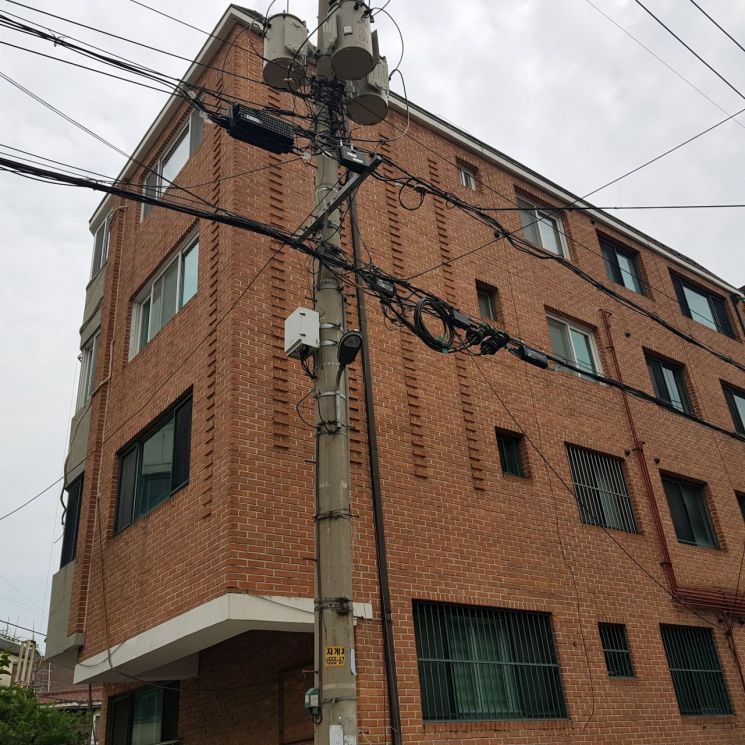
Seocho-gu Conducts Large-Scale Overhead Cable Maintenance
Seocho-gu (Mayor Cho Eun-hee) will conduct large-scale maintenance of overhead cables tangled in residential areas, which spoil the urban landscape, by the end of this year.
The district has formed an overhead cable maintenance promotion team every year with Korea Electric Power Corporation and seven telecommunications companies to maintain overhead cables. This year, it will spend about 1.3 billion KRW (borne by maintenance contractors) to maintain a total of 20.9 km, including 339 utility poles and 81 communication poles in the residential area around Yangjae Neighborhood Park in Yangjae 2-dong.
The project area was selected based on a field survey, prioritizing old residential areas with many maintenance requests from residents and narrow alleys.
The area had many complaints due to cables from multiple telecom companies tangled like spider webs and unused cables left due to frequent moves. The district will jointly conduct overhead cable maintenance and safety inspections of utility and communication poles with KEPCO and seven telecom companies, including removing abandoned cables and bundling radial incoming lines.
Meanwhile, the district announced a mid- to long-term undergrounding plan for overhead cables in June. From 2021 to 2033, it plans to underground cables installed on 3.1 km of side roads in 18 locations and 25 km of main roads.
For overhead cable maintenance needs beyond this concentrated maintenance, residents can contact Seocho-gu Street Administration Division or the overhead cable call center.
Mayor Cho Eun-hee said, “We will neatly organize tangled overhead cables to improve the urban landscape and create alleys where residents can walk safely and comfortably.”
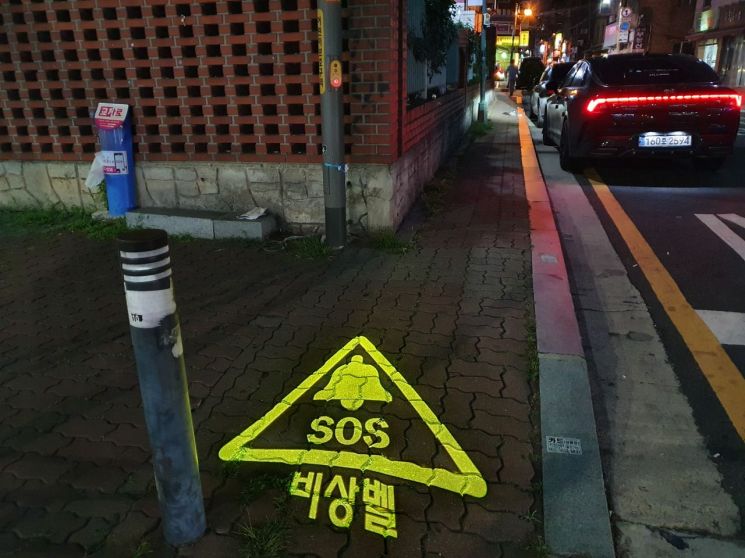
Gwangjin-gu Establishes ‘Safe SOS Zone’ in Hwayang-dong Area
Gwangjin-gu (Mayor Kim Sun-gap) established a Safe SOS Zone in the Hwayang-dong area to create an environment where residents can safely return home at night.
The Hwayang-dong SOS Zone project was promoted as part of the 2020 Ministry of the Interior and Safety’s resident life innovation case dissemination contest to solve the problem of high anxiety due to dark nighttime return paths along Dongil-ro 24-gil in Hwayang-dong.
The Safe SOS Zone section in Hwayang-dong conducts flexible patrols in cooperation with Gwangjin Police Station and operates 19 Safe SOS stores that can serve as shelters in emergencies.
Safe SOS stores are designated as convenience stores, restaurants, real estate offices, hair salons, and other daily life-related shops. They distribute safety maps during normal times to promote safety measures in the area.
The safety map shows how to use the ‘Ansim-i’ app and locations of Safe SOS stores, women’s safe return paths, women’s safe keeper houses (convenience stores), security CCTV/emergency bells, and smart lighting linked to the Ansim-i app.
Additionally, 12 go-bo lights (logo projectors) indicating CCTV emergency bell locations that also serve as lighting at night were newly installed, and women’s safe return path go-bo lights were maintained.
Gwangjin-gu has installed 2,410 security CCTVs, 779 emergency bells, and 81 CCTV emergency bell location go-bo lights in the district and plans to expand these further.
Emergency bells connect to the 24-hour CCTV integrated control team of Gwangjin-gu when pressed, enabling location and situation identification and immediate dispatch of nearby police stations.
Moreover, the district operates 40 guide signs in 12 women’s safe return path zones and operates 75 go-bo lights prohibiting illegal dumping, 8 go-bo lights applying life safety design, and 8 street art lights, striving to create a clean and safe street environment.
Mayor Kim Sun-gap said, “We installed SOS zones in dark alleys to help residents return home without worry,” adding, “Safety can never be overemphasized, so we will continue various crime prevention projects.”
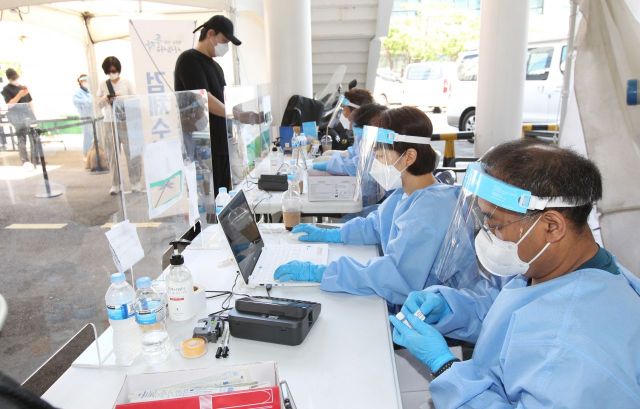
Dongjak-gu Mobilizes All Staff to Overcome COVID-19 Fourth Wave Crisis
Dongjak-gu (Mayor Lee Chang-woo) announced on the 16th that all staff are making every effort to overcome the COVID-19 fourth wave crisis.
After the metropolitan area’s social distancing was raised to level 4 on the 12th, the district proactively responded by adding a screening clinic in the district office parking lot and extending the operating hours of existing screening clinics by three hours.
There are three screening clinics in the district: ▲Health Center Screening Clinic with 65 staff (44 weekdays, 21 Saturdays) ▲Sadang Temporary Screening Clinic with 30 staff (15 weekdays and 15 Saturdays) ▲District Office Temporary Screening Clinic with 30 staff (15 weekdays and 15 Saturdays), totaling 125 staff.
Despite hot and humid weather exceeding 33°C, staff wear thick protective suits and work tirelessly day and night to prevent COVID-19 spread.
The district installed cooling fans, tents, and shade shelters at screening clinics to help staff cool down. It also provides personal neckband fans and ice vests and has prepared separate spaces with air conditioning and refrigerators for rest during shift changes to ensure a smooth working environment.
Since January last year, the district has operated the ‘Disaster Safety Quarantine Countermeasure Headquarters’ with the mayor as the head. It consists of 27 staff in nine teams led by a director-level situation room chief, maintaining a 24-hour emergency response system. About 50 health center and audit department staff are specialized and ready to be immediately dispatched to epidemiological investigation sites to quickly classify contacts of confirmed cases.
Additionally, 273 monitoring and field inspection personnel manage self-quarantine individuals’ health status and check for quarantine violations.
Mayor Lee Chang-woo said, “We consider the current COVID-19 fourth wave as the greatest crisis and expanded daily screening capacity to 5,000 tests to encourage residents to undergo preemptive testing,” adding, “We ask residents to actively participate in preemptive testing to help block COVID-19 spread.”
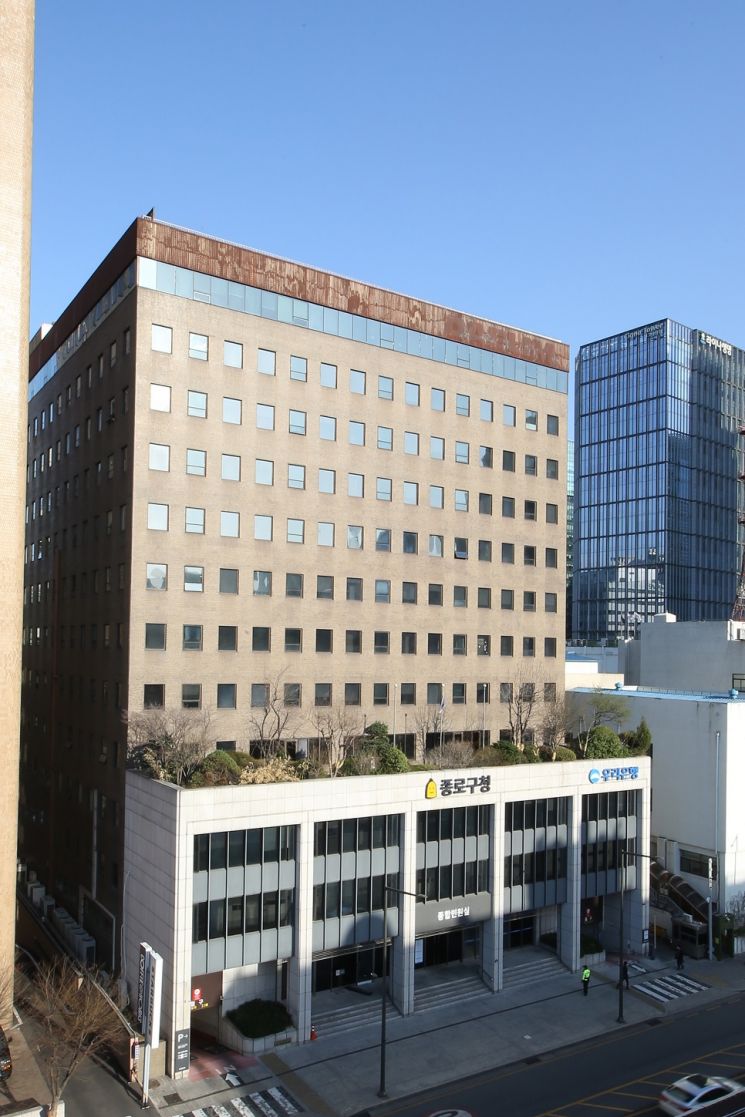
Jongno-gu Operates ‘Youth Volunteer Program’ Including Coloring Book Making for Dementia Elderly
Jongno-gu (Mayor Kim Young-jong) will operate the ‘2021 Youth Summer Vacation Volunteer Program’ from July 26 to August 20 and is recruiting participants.
The program was planned to provide youth on summer vacation with opportunities to understand marginalized neighbors and practice sharing.
It also aims to share various social problems and encourage youth to think about solutions, supporting their growth as proactive and active members of society.
Detailed programs include ▲making natural hemp scrubbing sponges ▲making eco-friendly compost ▲making coloring books for dementia elderly ▲conducting online campaigns for transparent plastic separation and disposal ▲promoting library SNS activities.
Considering the recent COVID-19 spread mainly in the metropolitan area, the program will be conducted non-face-to-face to ensure youth safety.
‘Making natural hemp scrubbing sponges’ replaces general sponges that generate microplastics with hemp thread sponges to protect the environment. Kits are provided in advance, and participants watch environmental education on the center’s YouTube channel and participate in sponge knitting.
‘Making eco-friendly compost’ uses eggshells, usually discarded as general waste at home, to make compost submitted for the program. The compost made by volunteers will be delivered to local organizations managing the wildflower complex in Muak-dong.
‘Making coloring books for dementia elderly’ creates leisure activities to help elderly cognitive function. Participants join dementia awareness education via video platforms and decorate coloring book kits. Completed books will be provided to the Jongno-gu Dementia Safety Center.
The ‘Transparent Plastic Separation and Disposal Campaign’ involves posting photos of transparent PET bottle separation at home and reflections on education completion on SNS.
The ‘Library SNS Promotion Activity’ involves visiting one public library, taking photos and writing reviews about the library’s exterior, reading and borrowing methods, and specialized information, then uploading them on personal SNS.
Those wishing to participate can apply from July 19 to August 10 via the district office website or the 1365 Volunteer Portal. For more information, contact the district office Social Welfare Division.
Mayor Kim Young-jong said, “We prepared various volunteer programs such as ‘Making Coloring Books for Dementia Elderly’ to help youth look after neighbors in need and take interest in social issues,” adding, “We hope many youths who want a meaningful summer vacation will participate.”
© The Asia Business Daily(www.asiae.co.kr). All rights reserved.
![Clutching a Stolen Dior Bag, Saying "I Hate Being Poor but Real"... The Grotesque Con of a "Human Knockoff" [Slate]](https://cwcontent.asiae.co.kr/asiaresize/183/2026021902243444107_1771435474.jpg)


















