The Main Pathogens Are Contaminated Vegetables, Raw Meat, and Undercooked Foods
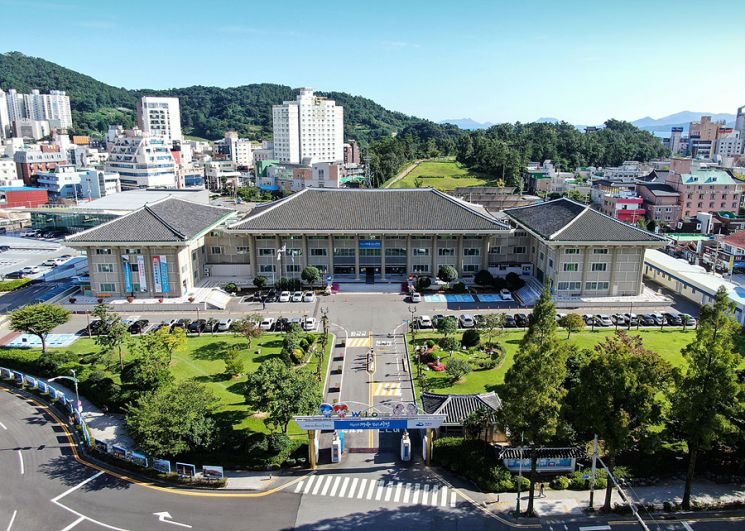
[Asia Economy Honam Reporting Headquarters Reporter Shim Kyung-taek] Yeosu City in Jeollanam-do has urged special caution in preventing pathogenic Escherichia coli food poisoning and managing food during the summer season, when high temperatures and humidity promote bacterial growth.
In particular, this summer is expected to be hotter than usual with frequent localized rain, requiring even greater attention.
According to data from the Ministry of Food and Drug Safety, over the past five years, there have been a total of 195 cases of pathogenic E. coli food poisoning involving 8,881 patients, with 114 cases (58%) and 6,357 patients (72%) occurring during the summer months (June to August) alone.
The most common locations of outbreaks were schools at 61%, followed by group catering facilities such as companies at 20%, and restaurants at 10%.
The main causative bacteria come from contaminated vegetables, raw meat, or undercooked foods, with symptoms including watery diarrhea, abdominal pain, vomiting, fatigue, and dehydration.
A Yeosu City official stated, “To prevent pathogenic E. coli food poisoning, soak vegetables in chlorine disinfectant for more than 5 minutes and then wash them at least three times with water; use washed vegetables immediately or store them in the refrigerator; thoroughly cook meat, poultry, eggs, and seafood until fully cooked (internal temperature above 75℃); and always boil groundwater or unmanaged drinking water (such as from springs) before consumption.”
© The Asia Business Daily(www.asiae.co.kr). All rights reserved.

















