All Major Countries Foster Hydrogen as Future Industry
China Advances Car Development and Power Plant Construction
EU Aims for 14% Share by 2050
[Asia Economy Reporter Kim Suhwan] Governments and companies around the world are busy trying to take the lead in the hydrogen economy, which is emerging as a future growth engine.
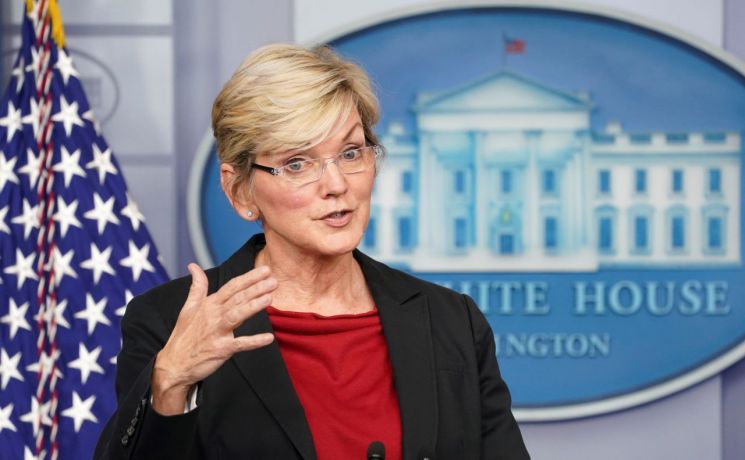
Since U.S. President Joe Biden set the goal of achieving carbon neutrality by 2050, the United States has been focusing its efforts on supporting the hydrogen economy.
On the 7th (local time), the U.S. Department of Energy referred to clean hydrogen energy as a "game changer" and set a goal to reduce the cost of clean hydrogen production by 80% within ten years. It also announced plans to establish a comprehensive government support system to back hydrogen energy research and development (R&D) and related infrastructure development.
China, aiming to build a carbon-neutral society by 2060, is also diving into the development of the hydrogen economy.
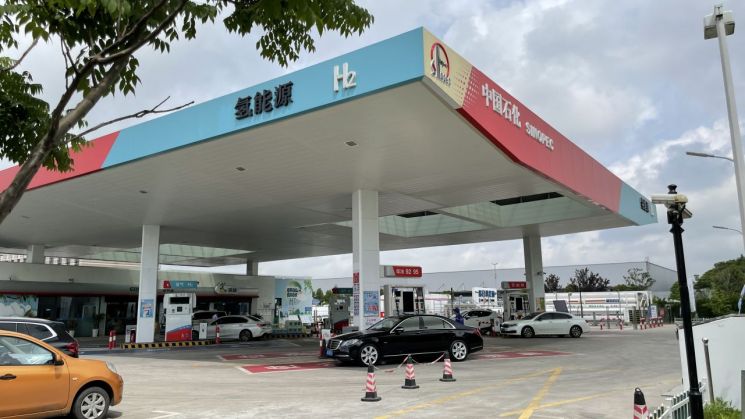
The authorities have set a target to expand hydrogen refueling stations to 1,000 locations and to distribute 1 million hydrogen vehicles by 2030.
To achieve this, the government plans to gradually abolish the 10% purchase tax on hydrogen vehicles.
China's largest automobile manufacturer, Shanghai Automotive Industry Corporation (SAIC), plans to introduce at least 10 types of hydrogen vehicles within five years, while state-owned energy company Sinopec intends to build a power plant capable of producing approximately 500,000 tons of clean hydrogen annually by 2025.
The Japanese government, facing growing public opposition to nuclear power after the Fukushima incident, views hydrogen as a future energy source and has announced a strategy to develop it as one of the country's core energy sources.
To this end, the authorities plan to increase the current 160 hydrogen refueling stations to 1,000 by 2030.
Toyota introduced the world's first mass-produced hydrogen fuel cell vehicle, the Mirai, in 2014, and released the second-generation Mirai last year. Honda also launched its own developed hydrogen vehicle, the Clarity, in 2016.
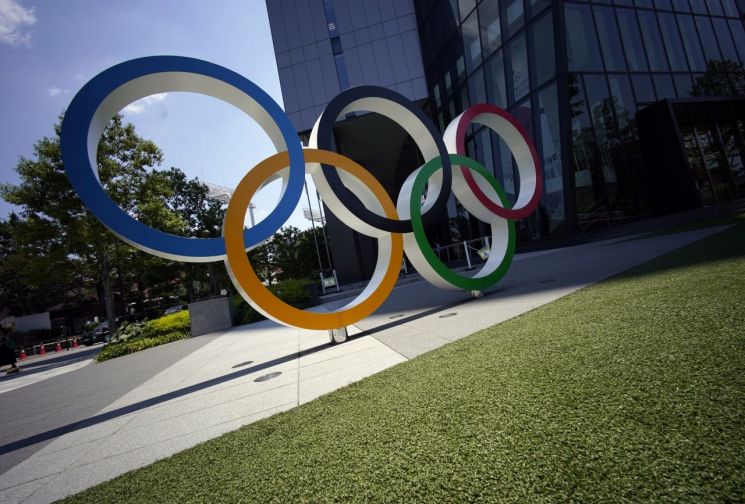
In particular, the Japanese government plans to use the upcoming Tokyo Olympics as a promotional channel to showcase its hydrogen economy internationally. The government intends to use hydrogen energy to power the Olympic Village where athletes will stay, and hundreds of hydrogen fuel cell vehicles are expected to be deployed as shuttle buses transporting spectators.
The European Union (EU) announced its 'Hydrogen Strategy' last July, aiming to expand hydrogen power generation capacity from the current 1 gigawatt (GW) level to 40 GW by 2030. It also set a goal to increase the share of hydrogen in the total energy mix in Europe to 14% by 2050.
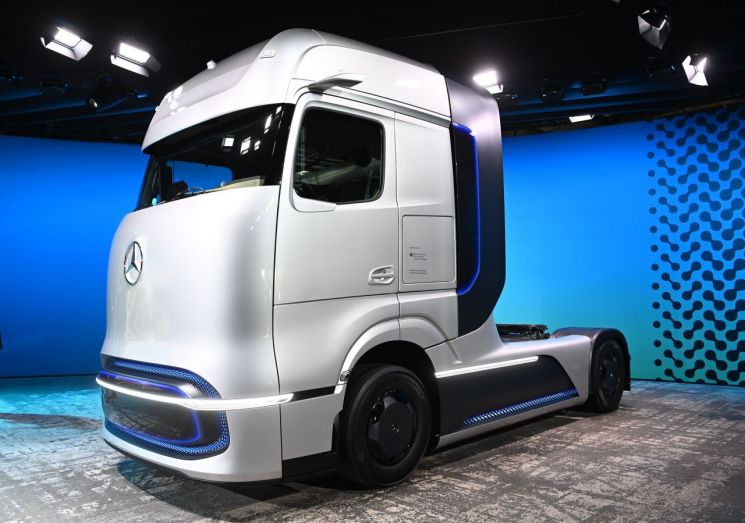
Competition among private automobile companies in Europe to develop hydrogen vehicles is also heating up. French automaker Renault has established a joint venture with fuel cell manufacturer Plug Power to launch a hydrogen fuel cell van within this year. Additionally, German automaker Daimler has started developing hydrogen fuel cell trucks through its joint venture with Swedish automaker Volvo, called Cellcentric.
Middle Eastern oil-producing countries are also viewing hydrogen as the next-generation growth engine and are accelerating support for the hydrogen economy. Saudi Arabia is investing $5 billion to build the world's largest green hydrogen production facility in its new city, NEOM. Through this, it plans to produce an average of 650 tons of green hydrogen per day starting in 2025.
The UAE is also planning to establish a hydrogen energy production base with an annual capacity of 500,000 tons, leveraging its sovereign wealth fund. Furthermore, in cooperation with Germany's Siemens Energy, it plans to build a green hydrogen pilot plant in Masdar City, a carbon-zero new city under construction.
© The Asia Business Daily(www.asiae.co.kr). All rights reserved.
![Clutching a Stolen Dior Bag, Saying "I Hate Being Poor but Real"... The Grotesque Con of a "Human Knockoff" [Slate]](https://cwcontent.asiae.co.kr/asiaresize/183/2026021902243444107_1771435474.jpg)


















