Official Letter Received on the Full Survey Results by the Anti-Corruption and Civil Rights Commission
Individual Investigation Results Not Yet Available
Possibility of Overlap with Existing Investigation Targets
[Asia Economy Reporter Lee Gwan-ju] The Anti-Corruption and Civil Rights Commission has identified through a full-scale investigation that 12 members of the National Assembly affiliated with the Democratic Party of Korea and their families are suspected of illegal activities in the process of real estate transactions and ownership. Meanwhile, the police plan to launch a full-scale investigation.
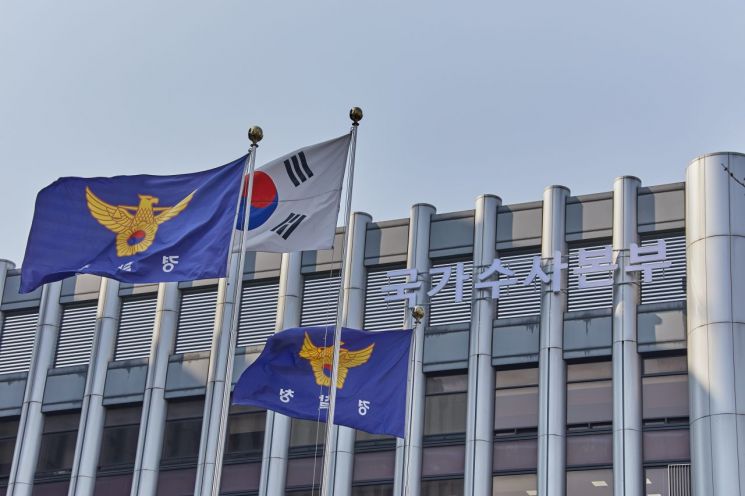
The National Police Agency's National Investigation Headquarters (NIH) announced on the 7th, "We have received an official document regarding the Anti-Corruption Commission's 'Full-scale investigation results on real estate transactions' related to 12 members of the National Assembly."
The NIH added, "We plan to strictly investigate after analyzing the individual investigation results, which will be separately notified by the Anti-Corruption Commission."
The NIH leads the Government Joint Special Investigation Headquarters (Special Investigation Headquarters), which is investigating suspicions of real estate speculation. However, since the individual investigation results have not yet been notified, it has not been confirmed whether there is any overlap with the members of the National Assembly already under investigation.
The Anti-Corruption Commission conducted a full-scale investigation of real estate transactions over the past seven years targeting 174 Democratic Party members of the National Assembly, their spouses, and direct relatives, totaling 816 people, and announced the results today.
According to the Anti-Corruption Commission, six Democratic Party lawmakers are suspected of suspicious real estate transactions, and the other six are family members such as the lawmakers' spouses. The types of allegations include ▲real estate name trust (6 cases) ▲use of confidential information related to official duties (3 cases) ▲violation of the Farmland Act (6 cases) ▲violation of the Building Act (1 case).
© The Asia Business Daily(www.asiae.co.kr). All rights reserved.

















