Giving Star Balloons as Tribute to Shaman BJ
Increase in Non-Face-to-Face Consultations Due to COVID-19
Curiosity and Anxiety Lead to Fortune Clicks
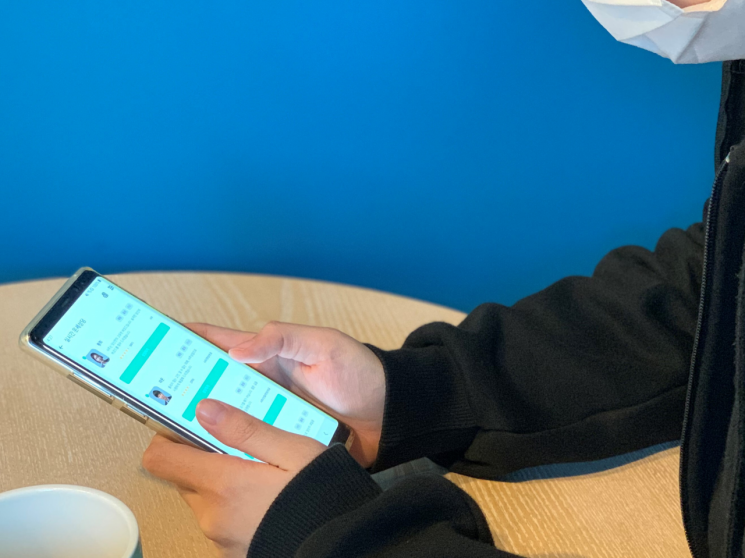
[Asia Economy Reporter Yoo Byung-don] On the 21st, when searching for the words ‘musok-in’ (shaman), ‘sinjeom’ (divination), and ‘saju’ (Four Pillars of Destiny) on an internet personal broadcasting site, countless related BJs and recorded videos poured out. These were ‘musok-in BJs’ who provide saju or sinjeom readings through broadcasts. Most of the videos showed shamans in separate studios receiving a certain amount of star balloons and giving readings of saju, Tojeong Bigyeol (a traditional Korean fortune-telling method), or fortunes through broadcasts and chat. Among them, some videos showed gut rituals or exorcism ceremonies.
Untact tarot is popular on YouTube. Based on ‘general reading,’ where individuals choose cards to learn their fortune, untact tarot involves selecting desired cards and then listening to the interpretation. The number of users of saju applications, which can be easily used on smartphones, is also steadily increasing.
Due to the impact of COVID-19, online fortune-telling services that allow non-face-to-face consultations are gaining popularity. The so-called ‘N-po generation,’ who have given up on dating, marriage, and childbirth due to economic burdens, are also struggling with home ownership and human relationships, and their visits to online fortune-telling sites continue unabated.
People visit online fortune-telling sites not only out of curiosity but also due to harsh realities and anxiety about the future. According to a survey conducted by Alba Heaven targeting 1,608 members aged 10 to 30 nationwide, 90% of respondents answered that they have experienced fortune-telling. Among them, 42.7% said they did it out of ‘vague curiosity,’ followed by 22.9% who sought comfort due to anxiety about the future, and 13.2% who wanted to relieve stress and worries.
Office worker Lim Ji-hwan (32) said, "Many people around me make money through stocks or real estate, but I felt at a loss about what to do, so I got my saju or fortune told," adding, "As reality becomes harsher, I find myself relying on such superstitions."
Professor Song Jae-ryong of Kyung Hee University’s Department of Sociology said, "Compared to the past industrialization era, uncertainties about the future have diversified, increasing young people’s desire to predict possible future variables," and added, "As a result, it seems that more people are seeking online musok-in, who are more accessible than traditional fortune-telling houses or shaman shrines, to get advice about their future through fortune-telling or saju."
© The Asia Business Daily(www.asiae.co.kr). All rights reserved.
![Clutching a Stolen Dior Bag, Saying "I Hate Being Poor but Real"... The Grotesque Con of a "Human Knockoff" [Slate]](https://cwcontent.asiae.co.kr/asiaresize/183/2026021902243444107_1771435474.jpg)
















