LG sent an official letter to SK in October 2017 regarding "personnel recruitment issues"
Filed complaints with US ITC and courts in April 2019
Criminal charges, civil and patent infringement lawsuits escalate legal battles and public opinion
Agreement reached one day before presidential veto deadline
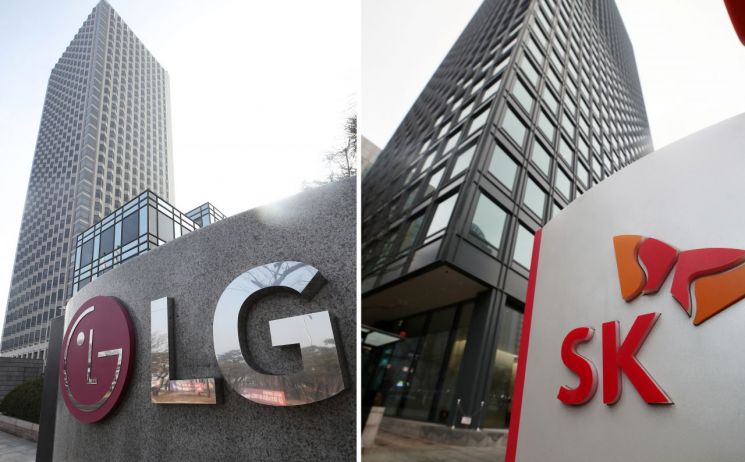
[Asia Economy Reporter Choi Dae-yeol] The electric vehicle battery dispute between LG Energy Solution and SK Innovation has entered a resolution phase through a dramatic agreement between the two companies. This comes about three and a half years after the conflict first escalated in the second half of 2017, when LG (then LG Chem) sent an official letter to SK accusing them of poaching their employees.
Despite this, the conflict between the two companies was not easily resolved. In April 2019, LG filed a lawsuit against SK for trade secret infringement with the U.S. International Trade Commission (ITC) and the Delaware Federal District Court, turning the issue into an international matter. Over time, the two companies engaged in fierce legal battles and public opinion wars both domestically and abroad, deepening the rift between them. In February, when the ITC recognized the trade secret infringement and ruled in favor of LG, there was speculation that a settlement might be reached. However, disagreements over settlement amounts persisted, leading to continued disputes for over two months.
The battery dispute initially arose around 2017 when many LG Chem employees moved to SK Innovation. At that time, about 100 LG employees transferred to SK, and LG suspected that SK, a latecomer in the battery business, was hiring their staff to quickly catch up by stealing technology. A decisive moment was when SK secured a multi-billion-dollar battery order from Volkswagen at the end of 2018. Until then, Volkswagen had primarily purchased batteries from LG.
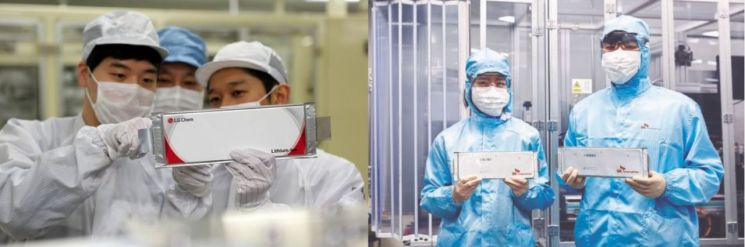
Even after LG filed lawsuits with the ITC and U.S. courts, SK denied the allegations, stating that they followed proper hiring procedures. Following the ITC complaint, police reports and civil lawsuits ensued, and patent infringement lawsuits and countersuits in the U.S. further intensified the conflict. The CEOs of both companies met but only confirmed their differences without narrowing the gap.
In February last year, the ITC ruled early against SK due to document deletion, shifting the momentum toward LG. The final decision, initially scheduled for October last year, was postponed three times and eventually announced in February this year. The ITC upheld the preliminary decision from a year earlier and imposed a 10-year U.S. import ban on SK (excluding deliveries for Ford and Volkswagen orders for 2 to 4 years). SK was planning to expand its business with additional local factories in line with the growing electric vehicle market in the U.S., but the import ban threatened to force the closure of these plants.
The ITC decision was set to take effect from the 11th (local time), 60 days after the ruling. SK has been lobbying intensively among local political circles, urging the U.S. president to exercise veto power against the ITC decision. However, the industry had anticipated a low likelihood of veto since the U.S. president has never exercised veto power in cases of trade secret infringement, and there is a prevailing trend toward protecting intellectual property rights.
With the settlement reached just one day before the presidential veto deadline, the years-long battery dispute has effectively come to an end. Although patent infringement lawsuits are still ongoing at the ITC, there is speculation that these lawsuits, which stemmed from the trade secret infringement case, may be withdrawn following the agreement.
© The Asia Business Daily(www.asiae.co.kr). All rights reserved.


















