Introduction of Robotic Process Automation (RPA)
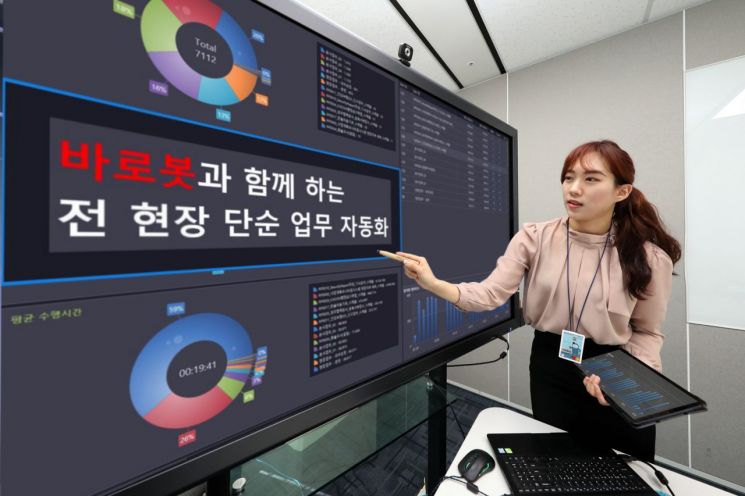
Daewoo E&C announced on the 1st that it has applied Robot Process Automation (RPA) technology to construction sites to improve work productivity.
RPA is a technology where robots automatically handle standardized repetitive tasks that humans would normally perform. Although it has no physical form, it is called a "robot" because it replaces human work.
Daewoo E&C plans to apply RPA to all sites this year and expects to reduce 25,000 hours of simple tasks annually.
Since 2019, Daewoo E&C has introduced RPA at its Euljiro headquarters to automate tasks in 15 teams including HR, finance, and procurement, and is now expanding its use to construction sites. By utilizing RPA, frequently repeated tasks can be completed with one click through robot software.
Currently, at the Unjeong New Town Park Prugio site and Chuncheon Central Tower Prugio site, RPA is handling simple tasks such as safety training report preparation and subcontractor progress input. Users can send photo files and content to RPA via the company messenger at the site, and with a single click, reports are automatically generated in the required format, with approval submissions processed altogether, significantly reducing document preparation time.
Additionally, last year Daewoo E&C combined RPA with AI-based Optical Character Recognition (OCR) technology to improve data recognition rates and expand the scope of tasks where RPA is applied. For example, RPA automatically extracts client account numbers written on bankbook copies and registers them into the system, facilitating easy data entry. In the future, the company plans to integrate voice recognition technology and chatbots to achieve a higher level of automation.
A Daewoo E&C official stated, "As part of management system innovation to increase work efficiency, we developed and applied RPA to reduce employees' simple repetitive tasks so they can focus on core and creative work. We plan to continuously expand RPA to minimize work gaps even amid the COVID-19 situation."
© The Asia Business Daily(www.asiae.co.kr). All rights reserved.

















