Government Nuclear Phase-Out Roadmap Audit Effectively Concludes... "No Procedural Flaws Found in 3 Areas and 6 Items of the Energy Transition Roadmap"
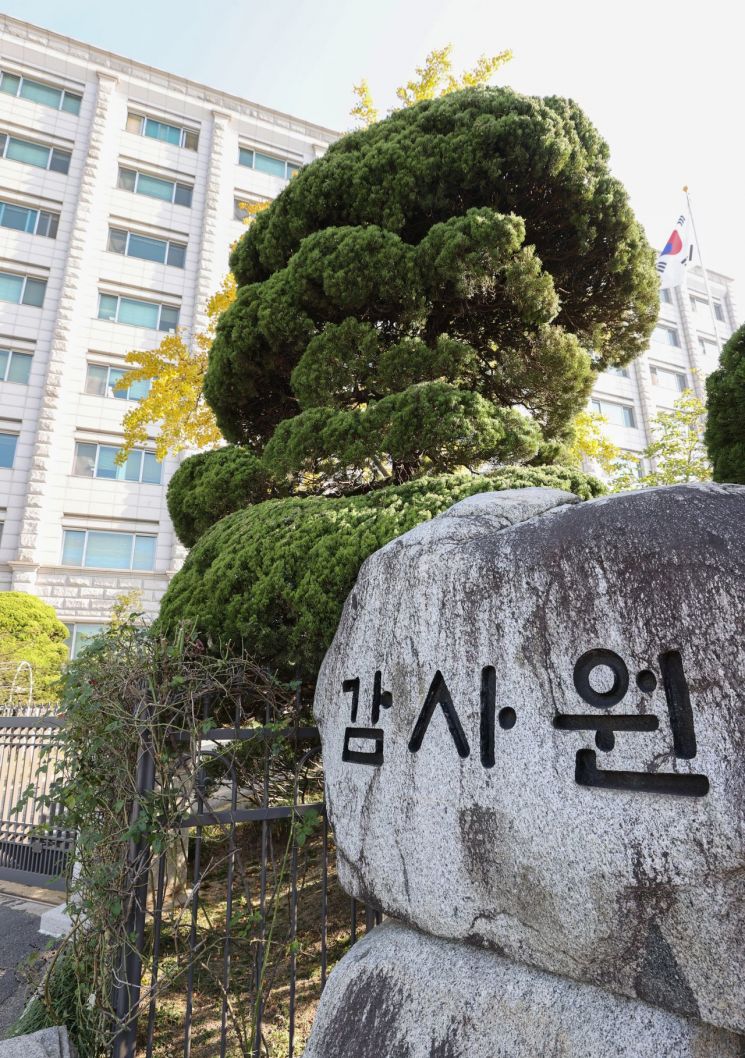
[Asia Economy Reporter Ryu Jeong-min] The Board of Audit and Inspection announced that no illegalities were found in the Ministry of Trade, Industry and Energy's process of establishing the nuclear phase-out energy policy. This is being seen as effectively putting an end to the government's nuclear phase-out roadmap audit.
On the 5th, the Board of Audit and Inspection stated, "We reviewed six items across three areas including the energy transition roadmap, based on relevant laws, court precedents, and legal advisory results, and found no matters judged to be illegal or procedurally flawed."
The Board of Audit and Inspection explained, "This audit focused on the appropriateness of procedures and methods in establishing various energy-related plans."
This audit was conducted following a public interest audit request filed in June 2019 by former People Power Party lawmaker Jeong Gap-yoon and others. It was an assessment of the appropriateness of the claim that revising the Basic Plan for Electricity Supply and Demand, a subordinate policy, before modifying the Basic Energy Plan to promote the nuclear phase-out policy was illegal.
The Board of Audit and Inspection stated, "The State Council is a body that deliberates on important government policies, and the energy transition roadmap can be regarded as a basic national plan or an important policy. Therefore, it is difficult to view the government's establishment of the energy transition roadmap through State Council deliberation as illegal or procedurally flawed."
They added, "According to Supreme Court precedents, the government's basic plans are non-binding administrative plans, and even if subordinate plans differ from higher-level plans, that alone does not constitute illegality. Considering this comprehensively, it is difficult to judge the 8th Basic Plan for Electricity Supply and Demand as illegal or procedurally flawed solely because it differs from the 2nd Basic Energy Plan."
Furthermore, the Board of Audit and Inspection noted, "Since matters related to nuclear policy are not explicitly designated as subjects for deliberation and resolution by the Nuclear Promotion Committee, and in the past, nuclear policy matters included in the Basic Energy Plan did not undergo deliberation and resolution by the Nuclear Promotion Committee, it is difficult to consider the lack of such deliberation and resolution as illegal, improper, or procedurally flawed."
© The Asia Business Daily(www.asiae.co.kr). All rights reserved.

















