US Government Pressures Tariffs on Chinese Products
China Faces Labor Cost Burden and COVID-19 Shock
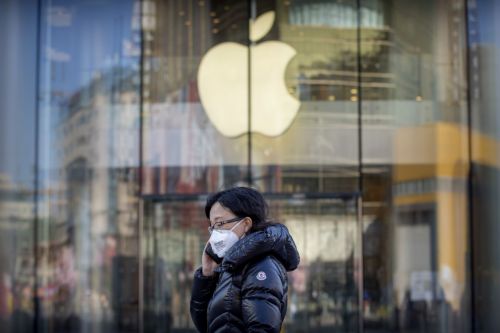
[Asia Economy Reporter Cha Min-young] Apple is diversifying its production bases from China, known as the 'world's factory,' to countries such as Vietnam and India. The long-standing US-China conflict, rising labor costs in China, and supply disruptions caused by COVID-19 are believed to have accelerated Apple's departure.
According to foreign media including Nikkei Asia and Forbes on the 29th, Apple will start producing its tablet PC, the 'iPad,' in Vietnam within this year. This marks the first large-scale production outside of China.
Previously, Foxconn, Apple's major contract manufacturer based in Taiwan, invested $270 million to establish its subsidiary, Phu Khang Technology, and applied for approval from the Vietnamese government. According to the Vietnamese government, the new factory near Hanoi is estimated to have an annual production capacity of about 8 million units, including laptops and tablet PCs.
Apple is also increasing the share of smartphone production in India. The production volume in India, which is currently the second-largest producer of the 'iPhone' after China, will be expanded by the end of this quarter in March. This includes the iPhone 12 series, Apple's first 5G smartphone. Additionally, production of the AI smart speaker 'HomePod Mini' will also be expanded in Vietnam.
Nikkei Asia analyzed that the reasons behind Apple's move away from China include rising local labor costs, the need to change supply chains due to COVID-19, and the ongoing US-China conflict.
The US-China conflict over global supremacy is a common concern for global IT companies including Apple. Since 2018, the US has pressured companies by imposing tariffs on Chinese products. Newly inaugurated President Joe Biden has also stated that he will not abruptly reverse the tariff policies of his predecessor, former President Trump.
Since low labor costs were a strength, the incentive to insist on Chinese production bases has diminished. According to German market research firm Statista, the hourly wage of Chinese workers was $6.50 in 2020, a 30% increase compared to $4.99 in 2016, four years earlier. This is a steeper rise compared to Mexico (26.2%) and Vietnam (25.6%).
The COVID-19 pandemic dealt a direct blow to Apple's supply chain in China, increasing calls to diversify production bases. Foxconn, which operates 12 factories in China, resumed production at its Zhengzhou plant in February last year but faced confusion as only 10% of employees returned. The Shenzhen and Shenzen plants also struggled to restart operations.
© The Asia Business Daily(www.asiae.co.kr). All rights reserved.

















