Major Public Exhibition of Artifacts Excavated and Verified Over Six Years Since 2013 at Mongchontoseong and Seokchon-dong Tumuli
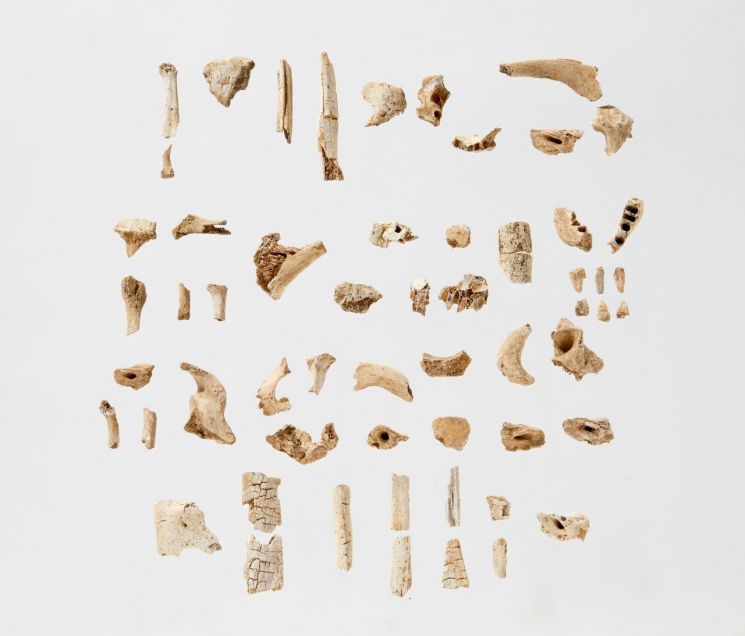
First Display of ‘宮’ Inscribed Pottery Indicating Baekje Royal Palace and Multiple Cremated Human Bones
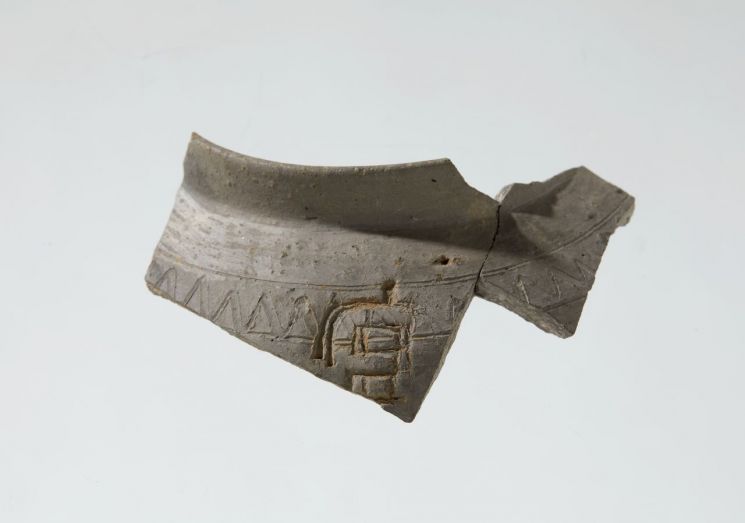
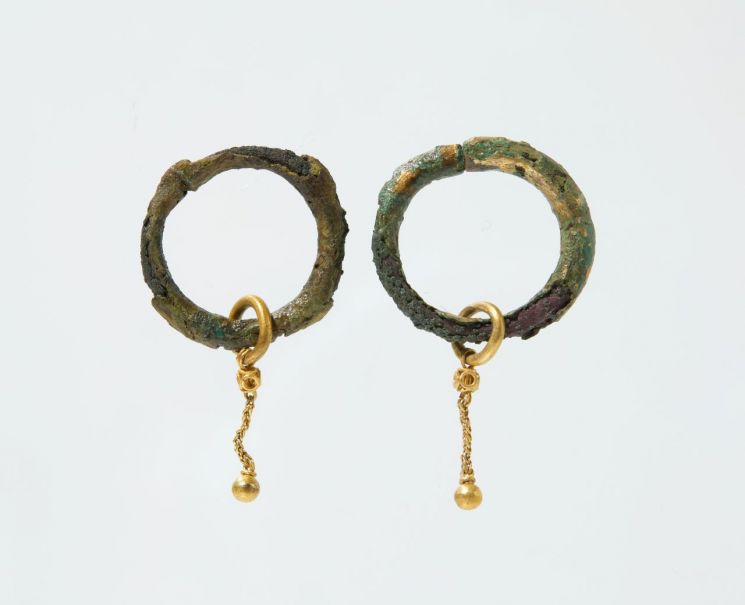
[Asia Economy Reporter Lim Cheol-young] Pottery inscribed with the character ‘宮 (Gung)’, indicating the presence of a Baekje royal palace at Mongchontoseong, cremated human bones showing Baekje royal burial rites, and glass beads and ornaments found together are being revealed for the first time.
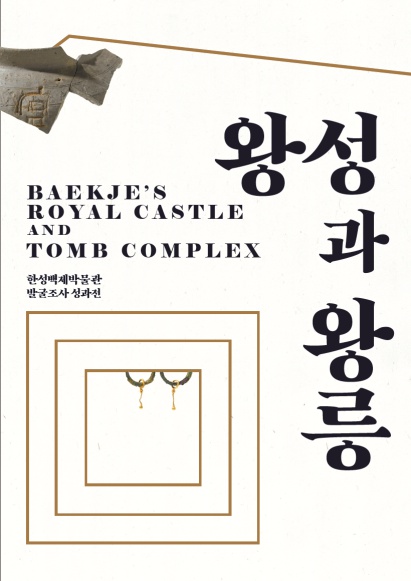
On the 25th, the Hanseong Baekje Museum announced that it will hold the "Baekje Royal Capital Excavation Achievements Exhibition: Special Exhibition on the Royal Palace and Royal Tombs" until March 21, showcasing over 600 artifacts excavated from the core sites of the Hanseong Baekje royal capital, Mongchontoseong and the Seokchon-dong Tumuli Cluster, for the first time.
The Hanseong Baekje Museum originally planned to open the exhibition on December 17 last year, but had temporarily closed due to the "Seoul stops after 9 PM" measure and the implementation of social distancing level 2.5. With adjustments to quarantine rules, public cultural facilities resumed operations from Tuesday the 19th, allowing the special exhibition to open by advance reservation.
This special exhibition is a comprehensive showcase of the results excavated and verified over about six years since 2013 by the Baekje Studies Institute of the Hanseong Baekje Museum. Although some artifacts from this area have been partially displayed before, this is the first large-scale public exhibition of hundreds of artifacts from the core Baekje sites of Mongchontoseong (around the North Gate area) and the Seokchon-dong Tumuli Cluster (adjacent stone chamber tombs).
The exhibition realistically presents the landscape of the Hanseong Baekje royal capital, the historical significance of Mongchontoseong, the structure of the Seokchon-dong Tumuli Cluster, and Baekje burial rites through various contents including artifacts excavated from Mongchontoseong and Seokchon-dong Tumuli Cluster, maps, videos, and models. The outdoor archaeological excavation site office is also recreated with models and videos to vividly convey the field atmosphere of the excavation.
The exhibition is divided into four parts: 1st part ‘Invitation to the Baekje Royal Capital’, 2nd part ‘Baekje Royal Palace, Mongchontoseong’, 3rd part ‘Baekje Royal Tombs, Seokchon-dong Tumuli Cluster’, and 4th part ‘From the Past to the Future’.
This special exhibition can be viewed by visiting after making an advance reservation through the Seoul Public Service Reservation website (yeyak.seoul.go.kr). On-site registration is also possible if the number of advance reservations is insufficient. To prevent COVID-19 spread, group visits of five or more people are prohibited, and entry is limited to 70 people per hour.
Kim Ki-seop, director of the Hanseong Baekje Museum, said, “This special exhibition is the first public presentation of the excavation achievements conducted over a long period by the Baekje Studies Institute of the Hanseong Baekje Museum. Since various artifacts, including the ‘宮 (Gung)’ character pottery indicating the existence of the Baekje royal palace at Mongchontoseong, are being revealed for the first time, we will support citizens to meaningfully experience the breath of history while complying with quarantine rules.”
© The Asia Business Daily(www.asiae.co.kr). All rights reserved.
![Clutching a Stolen Dior Bag, Saying "I Hate Being Poor but Real"... The Grotesque Con of a "Human Knockoff" [Slate]](https://cwcontent.asiae.co.kr/asiaresize/183/2026021902243444107_1771435474.jpg)


















