Targeting Apartment Complexes Over 20 Years Since Completion... Total Project Cost of 3.25 Billion Won Invested
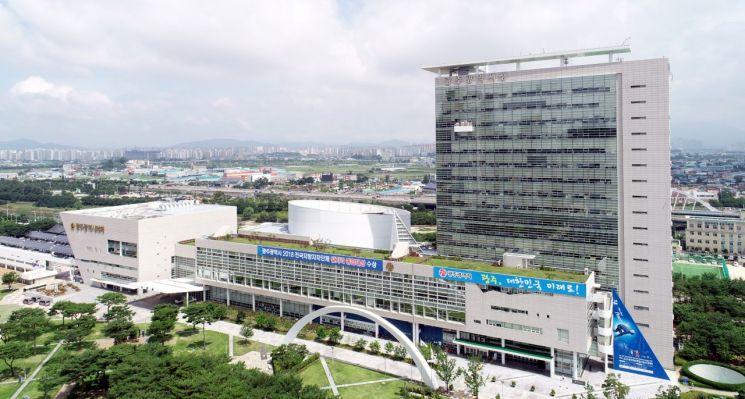
[Asia Economy Honam Reporting Headquarters Reporter Park Seon-gang] Gwangju Metropolitan City announced on the 18th that it will significantly strengthen its facility improvement policy targeting aging multi-family housing with poor residential environments by investing 3.25 billion KRW in project funds, an increase of 1.3 billion KRW compared to last year.
The project will be carried out by each autonomous district conducting a demand survey for each project by early next month, receiving applications from complexes requiring facility improvements, and selecting complexes through a review process.
The facility improvement project targets multi-family housing complexes that have been completed for over 20 years and have exclusive areas of 85㎡ or less, including ▲aging small- and medium-sized apartment facility improvements (project funds of 2.7 billion KRW), ▲improvements to working environments for security guards and cleaning staff in multi-family housing (project funds of 400 million KRW), and ▲safety management support for small-scale multi-family housing (project funds of 150 million KRW).
The aging small- and medium-sized apartment facility improvement project will be implemented by dividing improvements to common areas such as rooftop waterproofing, parking lot paving, crack repairs, and replacement of sewage and wastewater pipelines within the complex.
The project to improve the working environment for security guards and cleaning staff in multi-family housing aims to address difficulties faced by these workers in poor working conditions by relocating rest facilities installed underground to above ground or installing heating, cooling, and ventilation systems.
In particular, complexes that improve the working environment for security guards and cleaning staff will be selected in the second half of this year as exemplary complexes that have made efforts in improving worker treatment and human rights, and incentives will be provided when designated as ‘Human Rights Excellence Practice Complexes.’
A safety management cost support project will also be implemented to conduct safety inspections of small-scale multi-family housing complexes with fewer than 150 households.
Until last year, the city has promoted residential environment improvements through facility improvement projects for aging multi-family housing with approximately 14.4 billion KRW in project funds, and plans to promote green remodeling facility improvements for Ssangchon, Geumho, and Usan Bit Yeoulchae permanent rental apartments that have passed 15 years, with national funding support.
Lee Sang-bae, Director of the Urban Regeneration Bureau of the city, said, “Through this project, we will do our best to improve the residential environment for residents of aging multi-family housing and create a comfortable and stable living environment to enhance the quality of life for residents.”
© The Asia Business Daily(www.asiae.co.kr). All rights reserved.

















